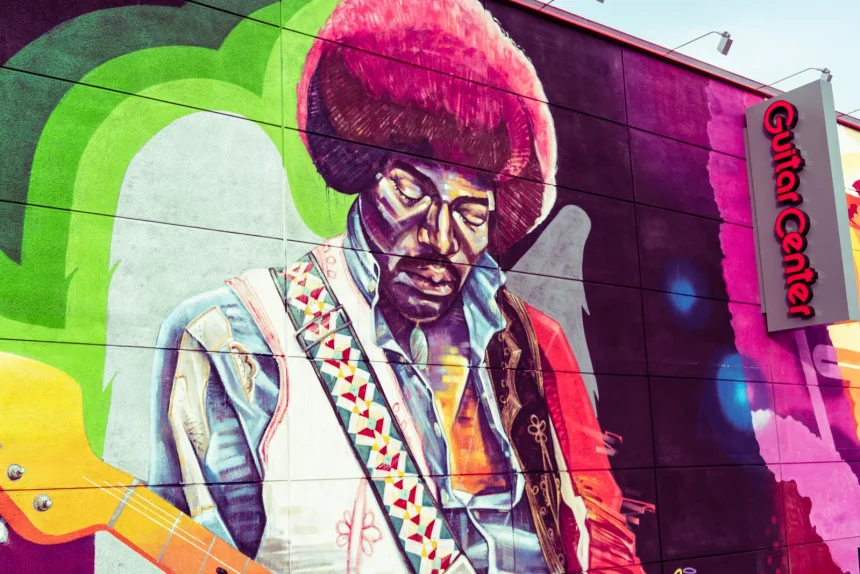
There’s a strange kind of alchemy that happens when the right voice finds the right song, even if that voice didn’t write a single word of it. Sometimes a cover doesn’t just reinterpret a track, it takes it over so thoroughly that the original recording becomes a historical footnote. Below are six cases where that happened, backed by chart data, sales figures, and the artists’ own words about what went down.
1. Jimi Hendrix, “All Along the Watchtower” (originally Bob Dylan)
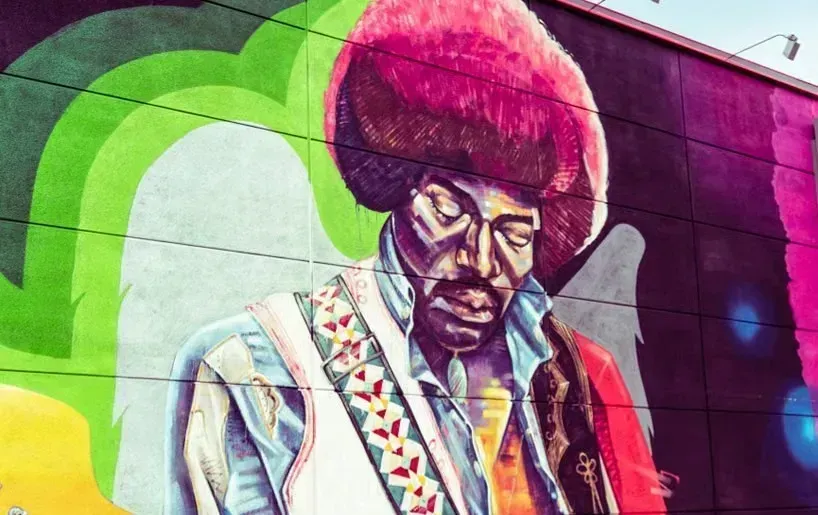
Bob Dylan wrote and recorded “All Along the Watchtower” for his 1967 album John Wesley Harding, a stripped-down acoustic number that barely made a dent commercially. Bob Dylan recorded “All Along the Watchtower” in Nashville for his 1967 LP John Wesley Harding, and the song was released as a single but failed to chart. Less than a year later, Jimi Hendrix got hold of it and turned it into something electric, literally and figuratively.
What makes this one remarkable is that Dylan himself admitted defeat, in the best possible way. Speaking to the South Florida Sun-Sentinel in 1995, Dylan said Hendrix’s version of “All Along the Watchtower” “overwhelmed” him, adding that Hendrix “could find things inside a song and vigorously develop them…things that other people wouldn’t think of finding in there.” He went further, noting “I took license with the song from his version, actually, and continue to do it to this day.” From that point on, Dylan performed the song live in a “Hendrixized” arrangement, essentially covering his own song’s cover for the rest of his career.
2. Whitney Houston, “I Will Always Love You” (originally Dolly Parton)
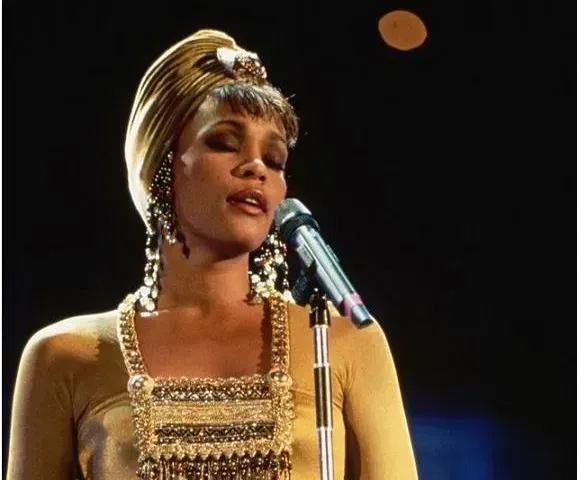
Dolly Parton wrote this one as a farewell letter set to music. It’s a song written and originally recorded in 1973 by Dolly Parton, written as a farewell to her business partner and mentor Porter Wagoner, expressing her decision to pursue a solo career, with the country single released in 1974. It did well by country standards, twice reaching the top of the Billboard Hot Country chart, but nothing close to what came next.
When Kevin Costner suggested the song for The Bodyguard, Whitney Houston’s version rewrote the record books entirely. Houston’s version peaked at number one on the Billboard Hot 100 for a then-record-breaking 14 weeks, and the single was certified diamond by the RIAA, becoming the best-selling single by a woman in the U.S. Parton has never seemed bitter about it. She once said, “The way she took that simple song of mine and made it such a mighty thing, it almost became her song,” and has joked that the royalties from Houston’s version were enough to fund a Tennessee theme park.
3. Sinéad O’Connor, “Nothing Compares 2 U” (originally Prince)
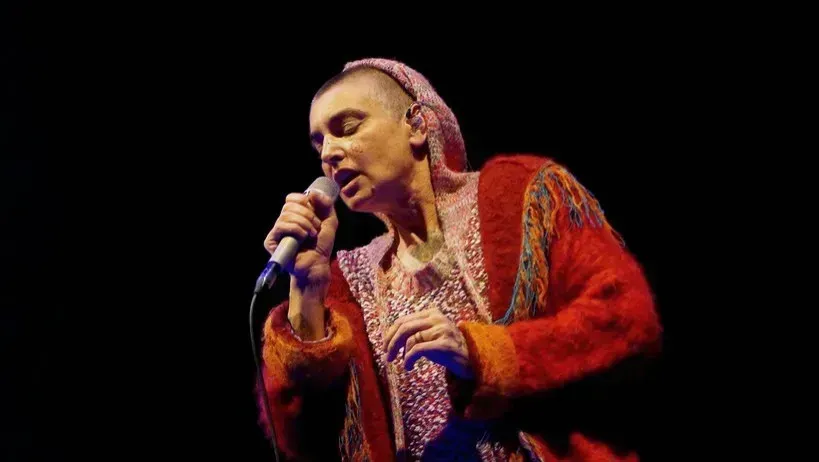
Prince wrote this song in under an hour and didn’t think much of it. He wrote it about an abandoned lover and an upsetting breakup, but as it was a track on The Family’s album and not released as a single, it was not well recognised. He gave it away to a side project band and moved on with his career.
Sinéad O’Connor recorded it in one take in 1990, and the results were staggering. O’Connor’s version topped the charts in Ireland, Australia, Austria, Canada, Denmark, Germany, Mexico, Netherlands, New Zealand, Norway, Sweden, Switzerland, the United Kingdom and the United States, spending four weeks at the top of the Billboard Hot 100. The song’s aching video, mostly just her face in close-up, became one of the defining images of the era. A retrospective piece described the audacity of her decision this way: “Sinéad O’Connor saying, ‘I’m gonna steal a song from Prince,’ is like Nicolas Cage saying, ‘I’m gonna steal the Declaration Of Independence.'” It worked. Decades later, the song is remembered as hers first, Prince’s original second.
4. Jeff Buckley, “Hallelujah” (originally Leonard Cohen)
Leonard Cohen’s original 1984 recording almost never saw daylight at all. “Hallelujah” was almost never released, since Columbia Records initially refused to put it out, and it received minimal promotion when it finally came out on his album Various Positions. It took years, and other artists, to rescue it from obscurity.
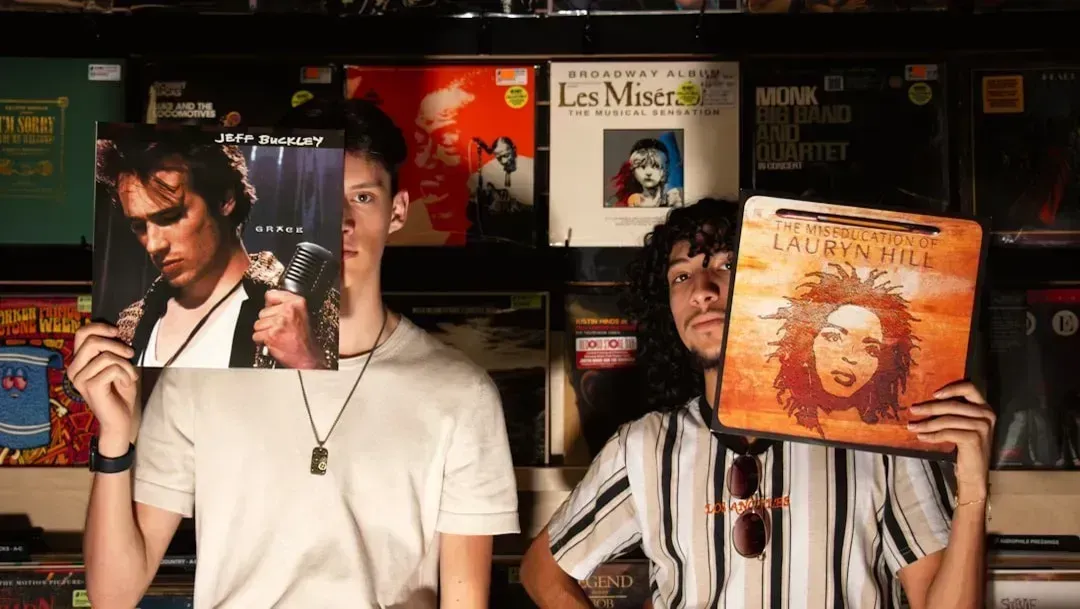
Jeff Buckley recorded his version in 1994, inspired by John Cale’s earlier rework, and it became the version most people now associate with the song. Cale’s version inspired a 1994 recording by Jeff Buckley, which in 2004 was ranked number 259 on Rolling Stone’s list of the 500 Greatest Songs of All Time. Buckley reportedly worried about Cohen ever hearing it, a discomfort one writer framed as sparing “the older songwriter the ignominy of hearing his own song perfected and wrestled away from him.” There have since been hundreds of versions recorded, but as one piece put it plainly, in the end only two versions really matter: Cohen’s 1984 original and Buckley’s rendition released a decade later on Grace, with both still forcing all else into the background.
5. Aretha Franklin, “Respect” (originally Otis Redding)
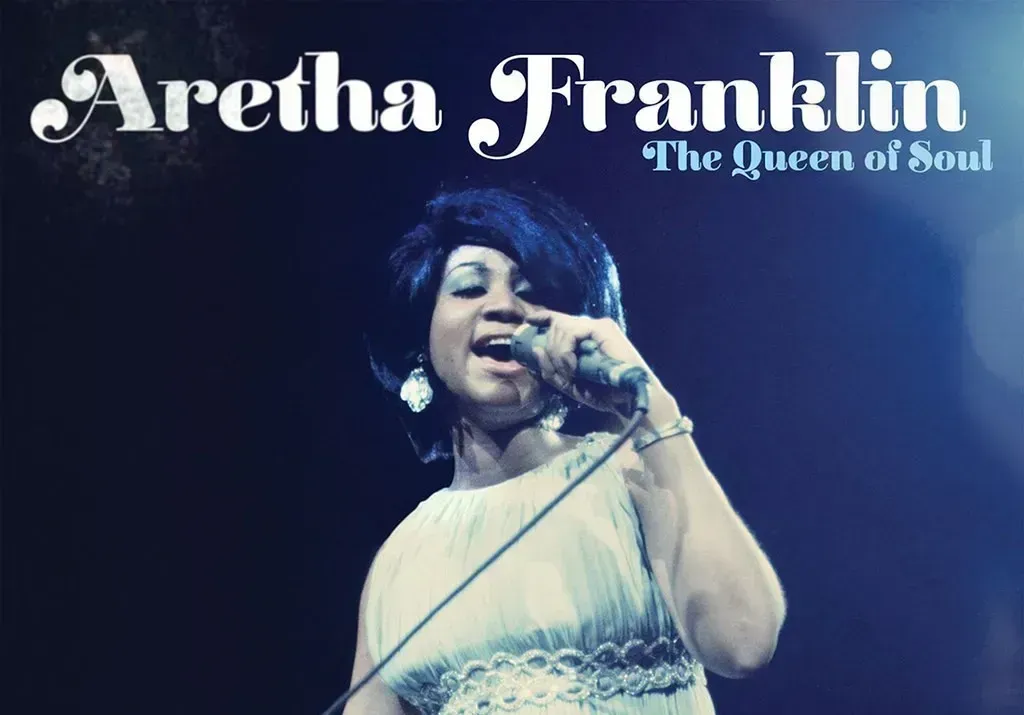
Otis Redding wrote and recorded “Respect” first, and it was a real hit for him at the time. “Respect” was originally recorded and released by Otis Redding in 1965 as a single from his third album, and after becoming a crossover hit for Redding, Aretha Franklin rearranged, rephrased, and covered it in 1967, resulting in her breakout hit and signature song. Redding’s take was leaner, more of a plea than a demand.
Partner offer
Franklin flipped the perspective entirely, with help from her sisters, and turned it into something bigger than a song. Franklin’s interpretation became a feminist anthem for the second-wave feminism movement in the 1970s. She added the now-iconic spelled-out chorus and the “sock it to me” ad-libs, details that didn’t exist in Redding’s version at all. The result outsold and outlasted the original so completely that many who sample or cover the song refer to her version rather than Redding’s. Redding, to his credit, seemed to have genuinely liked his own version too, once calling it one of his favorite songs because of its groove, but history clearly sided with Aretha.
6. Soft Cell, “Tainted Love” (originally Gloria Jones)
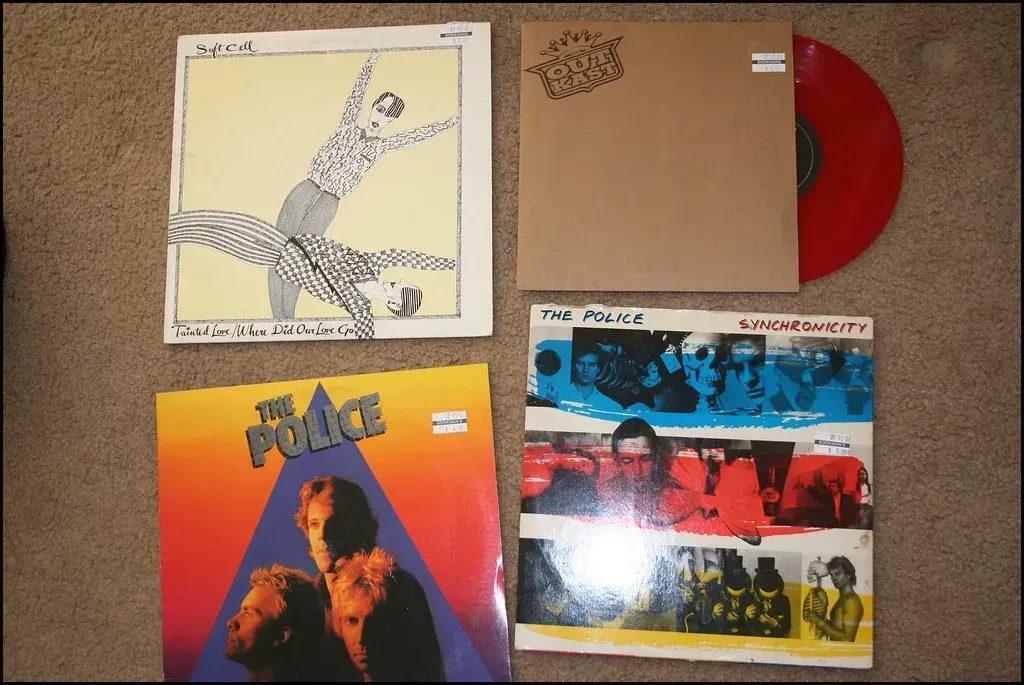
This is the deepest cut on the list, and arguably the most dramatic transformation. Soft Cell’s synth-driven version became a defining track of the early ’80s, but the song was first recorded by Gloria Jones in 1964. Jones’s version was a Northern Soul single that found a cult following in UK clubs but never became a mainstream hit in its own right.
Soft Cell stripped the song down to its cold, synthetic bones nearly two decades later and turned it into one of the defining sounds of early-1980s electronic pop. Decades later, it found global fame in a completely different style. Most casual listeners today would be surprised to learn Soft Cell didn’t write it at all. Gloria Jones’s original still has its devoted fans among soul collectors, but for the wider public, “Tainted Love” belongs to Soft Cell in a way that few covers ever manage. These six songs share a common thread: none of the covering artists set out to erase the original, yet each one did, almost by accident, through sheer force of interpretation. What lingers is a small reminder that ownership in music isn’t always about who wrote the first draft. Sometimes it’s about who found the version that refused to be forgotten.
Partner offer
Planning a trip to Vegas?
Compare hotel rates and show tickets on VEGAS.com.