


It sounds strange, but some of the most beloved books in literary history were written by authors who could barely stand the sight of them. Fame has a funny way of trapping writers inside their own success, turning a single character or story into a lifelong obligation they never asked for. Readers fell in love, publishers demanded more, and the money kept rolling in, yet the person who created it all sometimes grew to resent every page.
What follows are six real, well-documented cases of authors who publicly expressed frustration, exhaustion, or outright disdain for the very books that made them household names. Their complaints range from feeling artistically trapped to genuinely regretting what they had unleashed on the world.
1. Arthur Conan Doyle and Sherlock Holmes

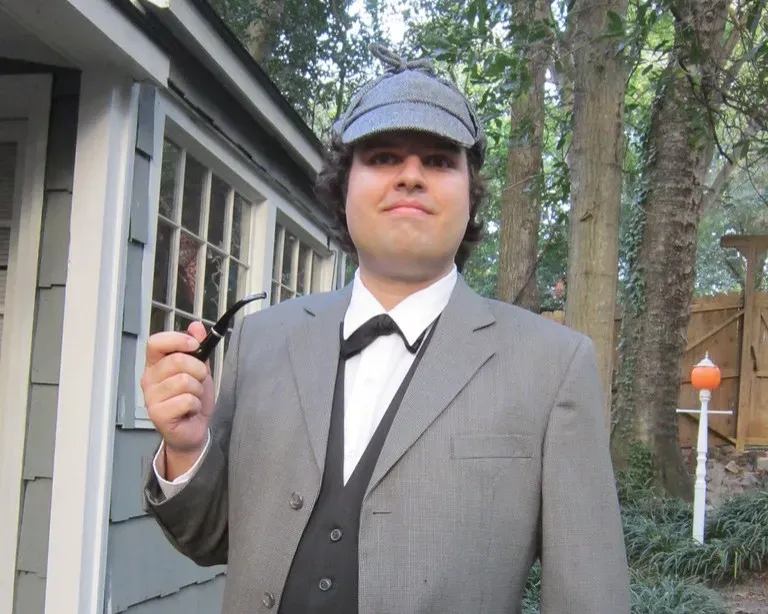
Arthur Conan Doyle wanted to be remembered for his historical novels, not for a pipe-smoking detective he considered beneath his talents. Despite creating a money-making character, Doyle didn’t really like Holmes, once telling his mother that the detective “takes his mind off better things.” By the early 1890s he had grown so weary of the character that he wrote to his mother, “I think of slaying Holmes… and winding him up for good and all. He takes my mind from better things,” to which she replied, “You won’t! You can’t! You mustn’t!”
Doyle went through with it anyway. Doyle chose to kill off his fictional consulting detective in 1893’s “The Final Problem,” where Holmes battles his archnemesis Professor James Moriarty, and both men tumble off the Reichenbach Falls, seemingly to their death. The backlash was staggering. Readers sent him letters cursing his decision, with one woman calling him a brute for killing Holmes, and more than 20,000 subscribers canceled their Strand subscriptions. Public pressure eventually forced him to resurrect the detective, though as later historians have noted, it was Doyle himself, not the public, who truly despised Sherlock Holmes and his enormously powerful fictional legacy.
2. A. A. Milne and Winnie-the-Pooh


Before a talking bear made him a household name, A. A. Milne saw himself as a serious playwright and novelist. Milne was primarily a playwright before the huge success of Winnie-the-Pooh overshadowed his previous work. That success became a source of quiet bitterness rather than pride. Milne himself was resentful of Pooh’s success, having written sophisticated adult comedies of manners, detective mysteries, and psychological portraits of soldiers returning from war, yet Pooh overshadowed his adult work, leaving him feeling he was no longer considered a serious playwright or novelist.
The resentment didn’t stop with Milne. Milne grew to resent the way Winnie-the-Pooh overshadowed the rest of his life, wanting to be known for his wider body of work, which included mysteries, poetry and West End plays, rather than just his children’s stories. Even his illustrator felt trapped by the same phenomenon, since Shepard felt that his illustrations for the Pooh series overshadowed his other work and resented the series and his connection to it. Decades later, Pooh remains a global sensation, but the man who wrote him spent much of his later life wishing to be known for almost anything else.
3. Anthony Burgess and A Clockwork Orange

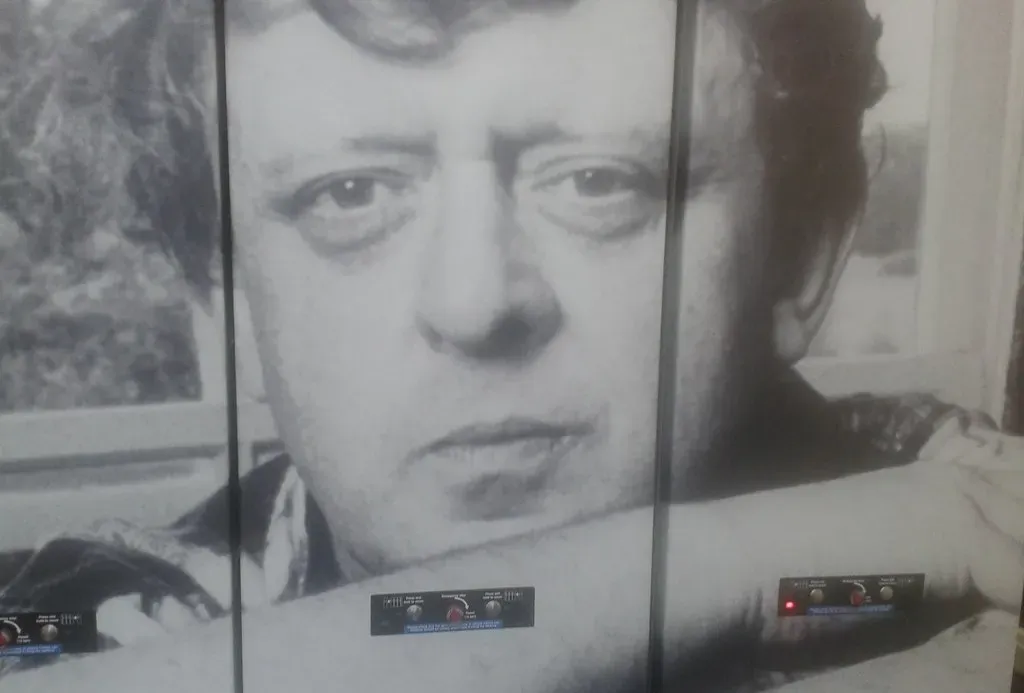
Anthony Burgess wrote his most famous novel almost as an afterthought, and he never stopped resenting how it defined his career. According to his own account, the book he was best known for, or only known for, was a novel he was prepared to repudiate, written a quarter of a century earlier as a jeu d’esprit knocked off for money in three weeks, which became known as the raw material for a film that seemed to glorify sex and violence. He believed the film made it easy for readers of the book to misunderstand what it was about, and that misunderstanding would pursue him until he died, adding that he should never have written the book in the first place.
Burgess didn’t just dislike the film adaptation, he seemed uneasy with the source material itself. He described it in his own introduction as “too didactic to be artistic,” a strange admission from an author defending his own most celebrated work. He compared his situation to composers forced to live under the shadow of an early, minor piece, noting that Rachmaninoff used to groan because he was known mainly for a prelude he wrote as a boy, while the works of his maturity never got into programmes, just as kids cut their pianistic teeth on a Beethoven minuet the composer only wrote so he could detest it.
Partner offer

4. Agatha Christie and Hercule Poirot

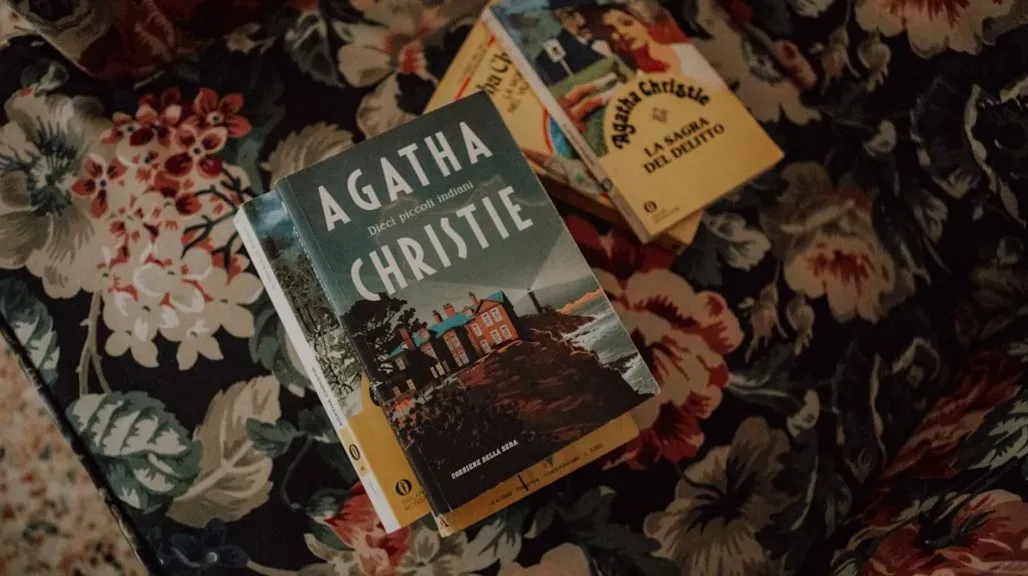
Agatha Christie built an empire on her fastidious Belgian detective, yet she came to loathe him almost as much as her readers adored him. By 1930 Christie found Poirot “insufferable,” and by 1960 she felt that Poirot was a “detestable, bombastic, tiresome, ego-centric little creep.” In a 1938 newspaper piece she went even further, writing that there were moments when she felt “Why-Why-Why did I ever invent this detestable, bombastic, tiresome little creature? …Eternally straightening things, eternally boasting, eternally twirling his moustaches and tilting his egg-shaped head.”
Christie occasionally imagined killing him off entirely, once writing a scene where she threatens as much, only for Poirot to reply in her imagination, “Impossible to get rid of Poirot like that! He is much too clever.” She stayed loyal to him commercially even so, since despite this, Poirot remained an exceedingly popular character with the general public, and Christie later stated that she refused to kill him off, claiming it was her duty to produce what the public liked. Her frustration even leaked into her fiction through her recurring novelist character Ariadne Oliver, a humorous self-caricature who, like Christie, is not overly fond of the detective whom she is most famous for creating.
5. Stephen King and Rage

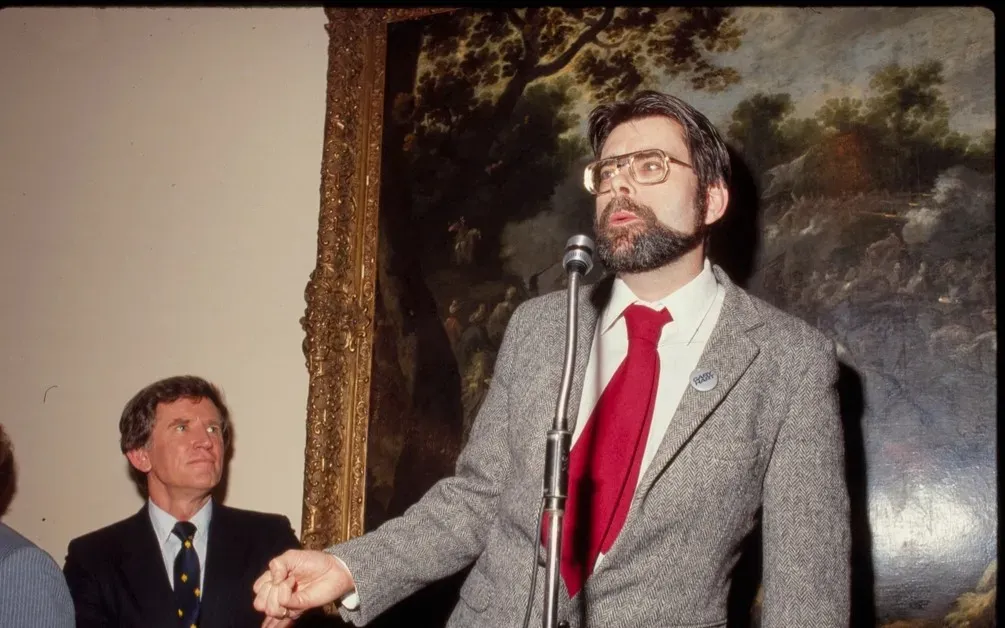
Stephen King’s relationship with his early novel Rage turned into something closer to genuine regret than mere creative fatigue. Published under his pseudonym Richard Bachman in 1977, the psychological thriller describes a school shooting and has been associated with several real-life high school shooting incidents in the 1980s and 1990s. After learning that a copy of the book turned up in the locker of a student involved in a violent school incident, King made a drastic decision. In response, King allowed the novel to fall out of print after Charlie Decker’s story, involving a copy of Rage found in a student’s locker as part of the Richard Bachman omnibus, moved King to pull the book from shelves entirely.
King has never tried to rehabilitate the book’s reputation. Written when he was just a boy of barely 18 years old still in high school, Rage represented a kind of youthful id he later found too dangerous to keep in circulation, especially once real-world violence appeared to echo it. It remains one of the rare instances of a bestselling author voluntarily removing his own work from print rather than profiting further from its notoriety.
6. Louisa May Alcott and Little Women

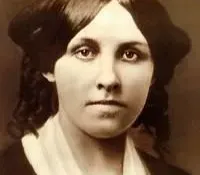
Louisa May Alcott never set out to write a gentle domestic novel about four sisters growing up in Massachusetts. She preferred writing sensational thrillers and gothic tales under pseudonyms, and it was largely at her publisher’s insistence that she agreed to attempt a story for girls at all. The result, Little Women, became the defining work of her career, even though her personal literary ambitions pointed in an entirely different direction.
Alcott’s own writings and biographers have long noted her ambivalence about the book that made her famous, describing the assignment as something closer to a commercial obligation than a passion project. She continued producing sequels largely because of overwhelming public demand and financial necessity, not because the material excited her the way her adventure stories did. It’s a quieter kind of resentment than Doyle’s or Christie’s, but it fits the same pattern: a writer’s most celebrated work was never the one closest to her heart.
Taken together, these six stories say something uncomfortable about fame and creative ownership. Once a book becomes a phenomenon, it stops belonging entirely to its author and starts belonging to everyone else, the readers, the publishers, the culture at large. Doyle, Milne, Burgess, Christie, King, and Alcott all discovered, in their own ways, that the price of writing something unforgettable is sometimes losing the right to walk away from it.
Maybe that’s the real lesson buried in all six cases. A masterpiece isn’t always the book its author loved writing most; sometimes it’s simply the one the rest of the world refused to let go of.
Partner offer
Planning a trip to Vegas?
Compare hotel rates and show tickets on VEGAS.com.


