


Every so often, a record arrives ahead of its moment. Critics shrug, radio stations pass, and sales figures land somewhere between disappointing and embarrassing. Then, years or sometimes decades later, the same album turns up on every best-of list imaginable, and nobody quite remembers why it struggled in the first place. The gap between initial reception and lasting reputation is one of music’s stranger patterns. Below are nine albums that once carried the label of commercial failure, only to be reclaimed as essential listening.
The Velvet Underground & Nico (1967)


When The Velvet Underground and Nico’s debut arrived in March 1967, it landed with barely a ripple. Upon release, the album was a commercial failure, and its controversial content led to its almost instantaneous ban from various record stores, while many radio stations refused to play it. The album first entered the Billboard charts on May 13, 1967, at number 199 and left the charts on June 10, 1967, at number 195. Brian Eno’s remark that the record sold only a modest number of copies in its first several years but inspired everyone who bought it has become something of a running joke among rock historians, repeated so often that its exact figures have blurred over time.
The Velvet Underground & Nico continues to be lauded as one of the most important albums in rock and pop music, and it was inducted into both the National Recording Registry by the Library of Congress and the Grammy Hall of Fame. Despite its poor sales, the album is now certified platinum in the United Kingdom for sales of over 300,000 copies. It took a full generation, but the banana cover and the songs beneath it eventually became shorthand for everything adventurous in rock music.
Pet Sounds by The Beach Boys (1966)

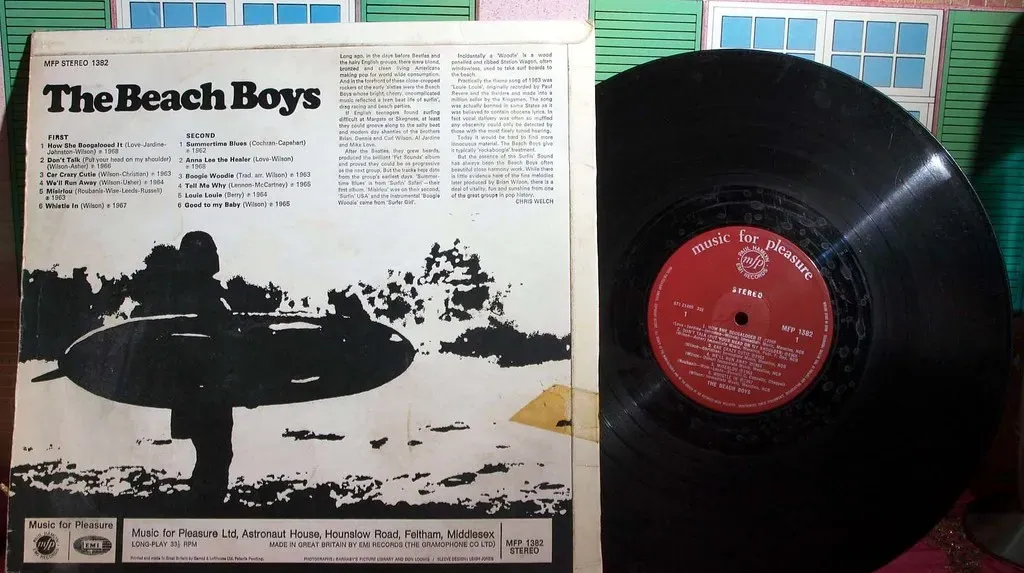
Pet Sounds is often cited as proof that critical brilliance and commercial success do not always travel together. The Beach Boys and Capitol Records initially considered the album a commercial disappointment, since all but two of the group’s previous eleven LPs had enjoyed higher chart positions than Pet Sounds, which stalled at number ten in the US albums rankings. Capitol did not help matters. When the label issued a greatest hits compilation in July 1966 as a marketing move to bypass the slow building Pet Sounds, the sales strategy hurt any further commercial progress for what Brian Wilson had intended as his masterpiece.
The reaction across the Atlantic told a different story. In the UK, the album was lauded by critics and reached number two on the Top 40 album chart, remaining in the top ten for six months. Wilson later stated that while Pet Sounds was well received in Britain, he viewed its underperformance in the US as a public rejection of his artistry, and his wife recalled that the tepid response nearly destroyed him. Today it routinely tops critics’ polls of the greatest albums ever made, a reversal Wilson himself did not live to fully witness with the commercial validation he once craved.
#1 Record by Big Star (1972)


Few albums illustrate the damage bad distribution can do quite like Big Star’s debut. On its release in August 1972, #1 Record immediately received widespread acclaim, and continued to do so for six months, although the inability of Stax Records to make the album available in stores meant it sold fewer than 10,000 copies upon its initial release. Record World called it one of the best albums of the year, and Billboard commented that every cut could be a single. The praise simply never translated into copies moved, since fans could not find the record on shelves even if they wanted it.
The frustration of watching a beloved album vanish without a trace eventually tore the band apart, but the songs endured on their own terms. It is now widely regarded as a seminal work in pop rock and power pop, and in 2020 it was ranked among Rolling Stone’s 500 greatest albums of all time. Generations of guitar pop bands, from R.E.M. to the Replacements, would later cite Big Star as a foundational influence, turning a commercial nonstarter into a quiet blueprint for alternative rock.
Pink Moon by Nick Drake (1972)


Nick Drake’s third and final album is perhaps the starkest example of an artist working far ahead of his audience. When Pink Moon was released in 1972, it barely registered, since its minimalism of just Drake’s voice and guitar was too stark for a market dominated by lush rock and ornate production, and he sold almost no records, fading into obscurity. Only after his untimely death in 1974 did critics and musicians begin to rediscover him. There was no dramatic reversal in his lifetime, only a slow, posthumous reckoning with what he had actually made.
The album’s rebirth came through an unlikely source decades later. A 1999 Volkswagen commercial featuring the title track introduced Drake to a new generation, sending sales soaring decades after his death, and the haunting, once virtually unheard song suddenly reached millions. It remains one of the more unusual ways a lost record found its audience, a thirty second car advertisement doing what years of critical praise could not.
Loveless by My Bloody Valentine (1991)


The story behind Loveless has almost overshadowed the album itself. The band spent two years recording across nineteen studios, and the recording is rumored to have cost around £250,000, a figure that came close to bankrupting the band’s record label Creation Records. Critical reception to Loveless was nearly unanimous with praise, although the album was not a commercial success, peaking at number 24 on the UK Albums Chart but failing to chart internationally. Creation dropped the band shortly after, unable to justify the cost against the modest returns.
Partner offer

Kevin Shields’s obsessive perfectionism, the thing that nearly sank the label, is exactly what makes the record so enduring. Loveless proved to have a lasting influence, inspiring bands such as Radiohead, Smashing Pumpkins, Mogwai and Nine Inch Nails, and it retrospectively won the Mojo Award for Classic Album in 2008. It stands now as the defining document of shoegaze, a genre that barely existed as a label until this record gave it a shape worth imitating.
Pinkerton by Weezer (1996)


Weezer’s follow up to their multi platinum debut was supposed to be an easy victory lap. Instead, it stumbled badly out of the gate. Pinkerton debuted at number 19 on the US Billboard 200, its highest position, but sold only 47,000 copies its first week, falling far short of the sales of Weezer’s first album. It received mixed reviews, and Rolling Stone readers voted it the third worst album of 1996. Rivers Cuomo took the rejection hard, retreating from the public eye for years afterward.
The cult that formed around Pinkerton in the years that followed eventually swallowed the original narrative whole. Six years after panning it, Rolling Stone’s readers voted it the 16th greatest album ever, and critics retrospectively hailed the album as a masterpiece. On September 16, 2016, just eight days shy of its 20th anniversary, Pinkerton was finally certified platinum, capping a saga that took the better part of two decades to move from embarrassing to essential. Few albums have completed quite so full a reversal within the lifetime of the band that made them.
In the Aeroplane Over the Sea by Neutral Milk Hotel (1998)


Jeff Mangum’s second and final album under the Neutral Milk Hotel name arrived with almost no fanfare. In 1998, it was a modest indie release that largely baffled the mainstream, and while it received warm reviews from niche outlets, it lacked any commercial footprint. Its surreal lyrics, built loosely around Anne Frank’s diary, and its dense arrangement of horns, singing saws, and fuzzed out acoustic guitar did not fit neatly into the indie rock of its moment.
What followed was one of the slower, stranger ascents in indie rock history. Mangum’s subsequent disappearance into reclusion only fueled the record’s mythic status, and over the following decades, word of mouth transformed it from a forgotten eccentric curiosity into what many now call the definitive masterpiece of the indie rock era. Its fingerprints are audible on records like Arcade Fire’s Funeral, an album that owes a clear debt to the raw, communal intensity Mangum pioneered.
The Dreaming by Kate Bush (1982)

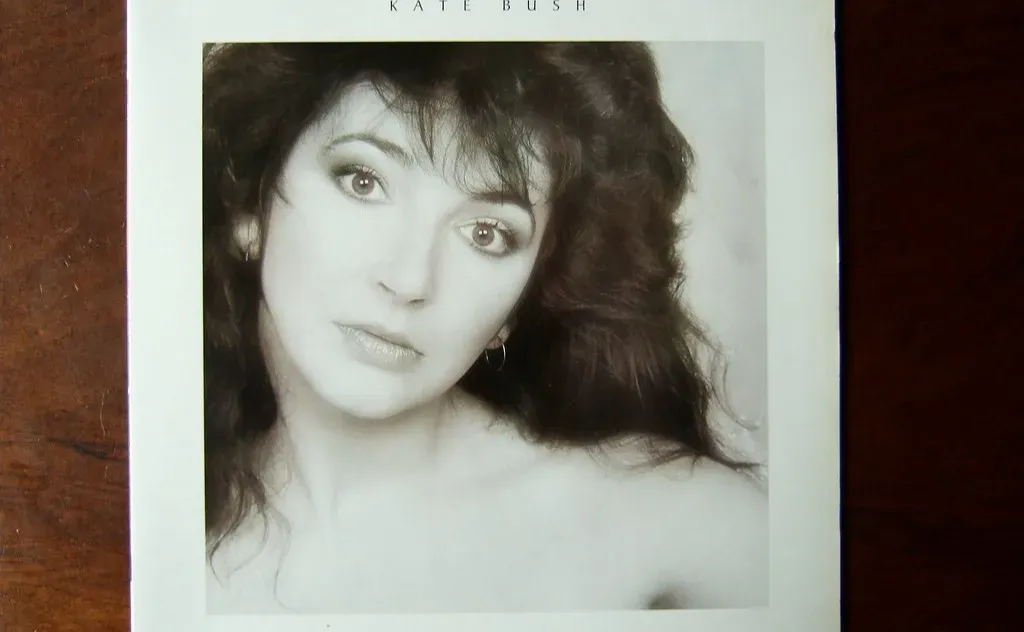
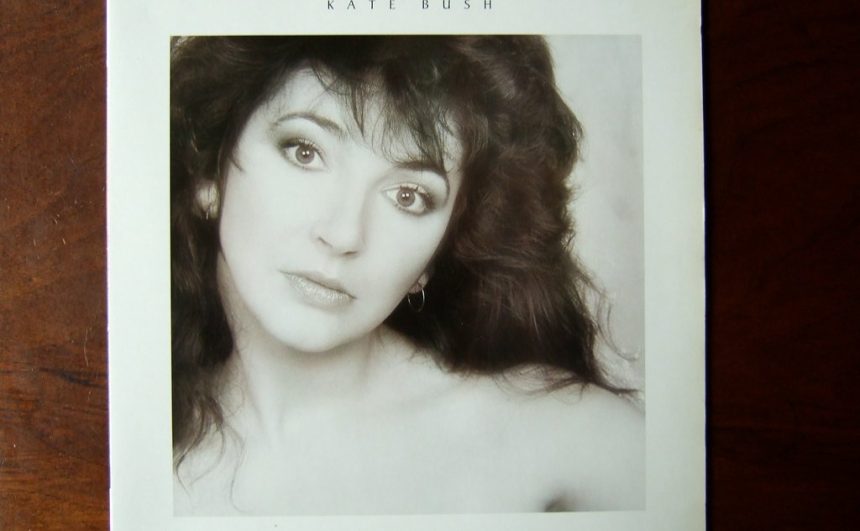
Kate Bush had already established herself as a genuine hitmaker by the early 1980s, which made The Dreaming’s reception all the more jarring. The album abandoned the accessible pop instincts of her earlier work in favor of dense, unusual arrangements, unconventional vocal performances, and lyrics that ranged from Australian Aboriginal culture to bank robbery. Radio programmers largely avoided it, and it sold far less than her previous releases, leaving it widely regarded at the time as a commercial misstep for an artist who had seemed destined for continued chart success.
Bush herself later described the album as the one she was proudest of despite its rough reception, and history has increasingly sided with her. Critics reassessing her catalog have come to view The Dreaming as the necessary bridge to Hounds of Love, the record where she found the courage to follow her instincts regardless of commercial expectation. It is now frequently cited among her most significant creative statements, a turning point rather than a detour.
Forever Changes by Love (1967)


Love’s third album arrived during one of the most crowded years in rock history, and it simply got lost in the shuffle. Arthur Lee’s songwriting on Forever Changes blended folk, orchestral pop, and a creeping sense of unease that felt out of step with the more overtly psychedelic sounds dominating American radio at the time. Sales in the United States were modest at best, and the band never achieved the mainstream breakthrough that seemed within reach after their earlier singles charted.
The album found a more receptive audience in the United Kingdom almost immediately, and over the following decades that appreciation spread back across the Atlantic. Musicians and critics have since come to treat Forever Changes as one of the essential records of its era, praised for the way its unsettled undercurrent anticipated darker turns in American culture that were only beginning to surface in 1967. It remains Love’s most celebrated work, even though the band itself never saw the commercial rewards to match.
Looking across these nine records, a pattern starts to emerge. Poor distribution, mismatched marketing, listeners simply not ready yet, the reasons vary, but the outcome rhymes again and again. What sounded difficult or uncommercial on arrival often turns out, with enough distance, to have been ahead of its time rather than wrong for it. That gap between first reception and lasting judgment is worth remembering the next time a new album gets dismissed too quickly.Partner offer
Planning a trip to Vegas?
Compare hotel rates and show tickets on VEGAS.com.


