Filmmakers rarely forget a slight. Some of them turn the memory into a character, then hand that character a cape, a monocle, or a really bad haircut.
The word revenge needs care here. In a few cases a director has openly named the real person behind a villain, and in others the link comes from film historians or long-running reports. Each entry below separates what’s well documented from what’s more of a grudge as the story is usually told.
Orson Welles and William Randolph Hearst
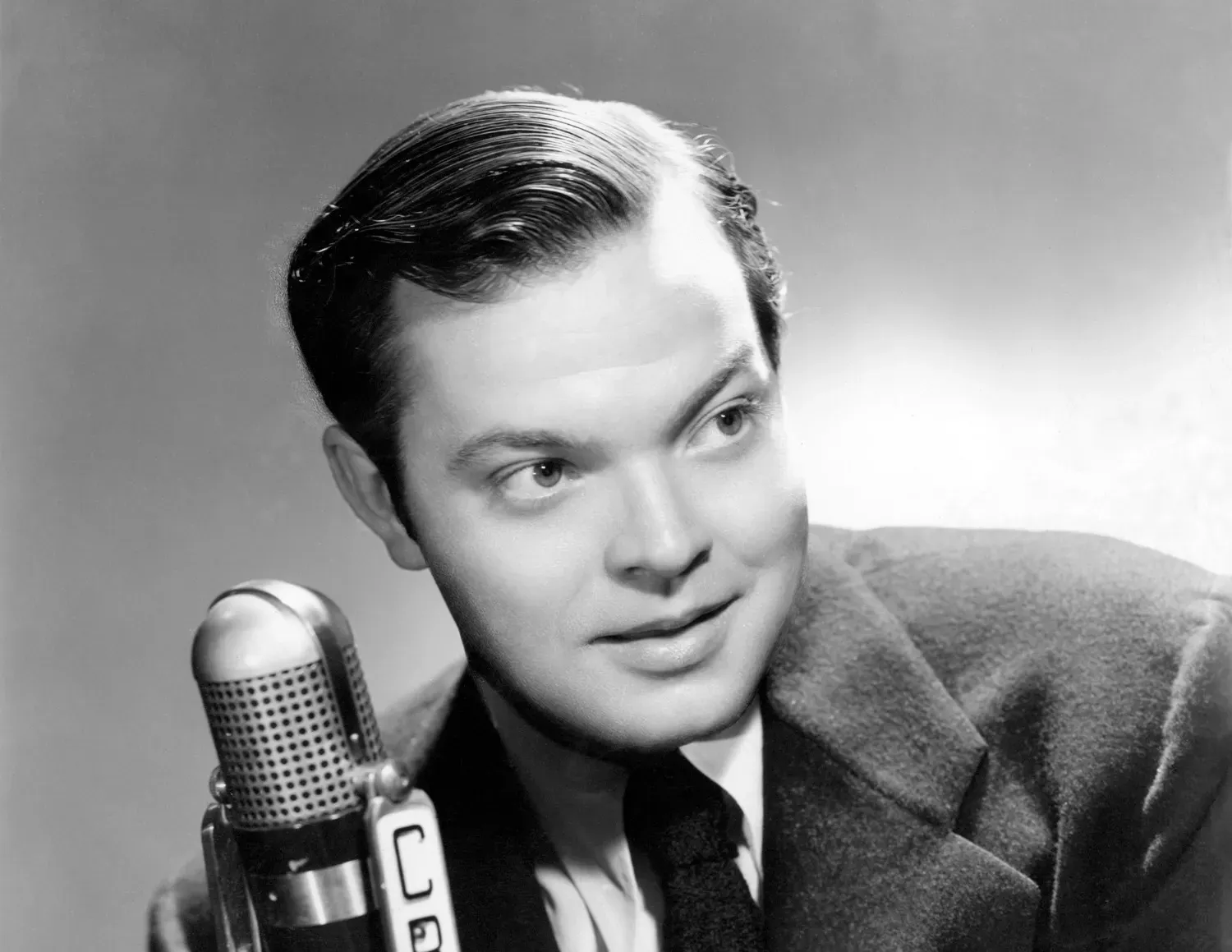
Citizen Kane arrived in 1941 with a central figure who plenty of viewers recognized right away. Charles Foster Kane is often described as a villain protagonist, and some plot points mirror the life of publisher William Randolph Hearst, such as pushing a mistress into dramatic films. Welles denied nothing loudly enough to cool the comparison.
Hearst was a press baron with the power to hit back, and his newspapers did. The studio and Welles faced a campaign to damage the film, which hurt its early run. Whether that counts as revenge or simple provocation is a fair debate, but few directors have picked a more dangerous target.
Charlie Chaplin and Adolf Hitler
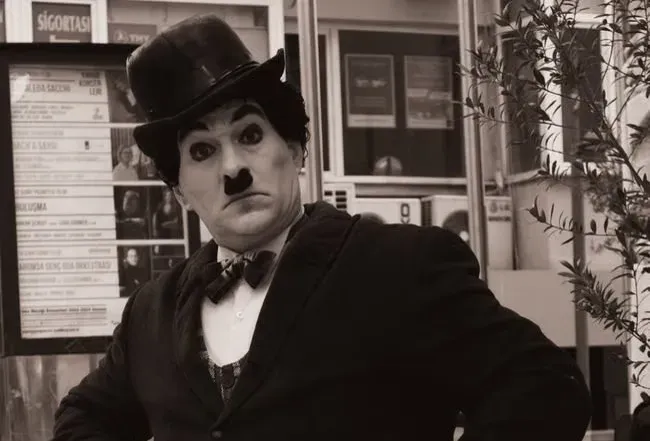
Chaplin’s The Great Dictator, released in 1940, features Adenoid Hynkel, a ranting tyrant of Tomania. Chaplin played both Hynkel and a Jewish barber, and the dictator is a clear send up of Hitler. The two men were born only days apart in April 1889, a coincidence Chaplin was reportedly aware of.
Mockery was the weapon here. Chaplin took a man who thrived on being feared and made him ridiculous, with a famous scene of Hynkel playing with an inflatable globe. It wasn’t personal revenge in the usual sense, yet it was a pointed strike at a very real figure while the war was still unfolding.
Wes Craven and a Childhood Bully

Freddy Krueger is one of horror’s best known faces, and the name has a backstory. Wes Craven has said he borrowed it from a kid who bullied him when he was young. The surname Krueger, in other words, came from a real playground memory rather than a random pick.
Craven also based the broader idea of A Nightmare on Elm Street on news reports about people who feared sleep, so the bully was one ingredient among several. Still, giving a childhood tormentor’s name to a dream stalker who can’t be escaped is about as neat a form of payback as horror allows. The detail comes from Craven’s own accounts, so treat it as his version of events.
Joe Dante and Donald Trump in Gremlins 2

Gremlins 2: The New Batch, released in 1990, trades the small town setting of the first film for a gleaming New York skyscraper. Its owner, Daniel Clamp, is a flashy tycoon who brands everything with his own name. Dante has said the character was a parody of Donald Trump, and viewers noticed the resemblance when the film came out.
Clamp isn’t a typical villain, since he’s more clueless than cruel. Dante pointed the joke at an image rather than waging a private feud, so it reads more as satire with an edge than as a settled score. The film still gives an overreaching developer a comeuppance by way of an invasion of gremlins.
Robert Zemeckis and Biff Tannen
In Back to the Future Part II, Biff Tannen rules a corrupt Hill Valley as a casino mogul. Biff Tannen was partially based on businessman Donald Trump, according to a Listverse roundup of villains drawn from real people. The alternate 1985 version of Biff, with his penthouse and tower, makes the comparison hard to miss.
Zemeckis directed the trilogy, though the writing credit belongs to Bob Gale, so the inspiration is best described as a shared creative decision rather than one man’s grudge. The connection is widely discussed rather than formally confirmed in every detail. It stays a good example of a filmmaker pulling a real public figure into a bully’s face and costume.
Roger Spottiswoode and Rupert Murdoch

Tomorrow Never Dies gave James Bond a media tycoon who manufactures news to start a war. Director Roger Spottiswoode said in a 2004 interview that Carver is Rupert Murdoch. That makes this one of the more openly acknowledged cases on the list.
There’s an important caveat. Screenwriter Bruce Feirstein reportedly based the character on press baron Robert Maxwell, so the origins are disputed. It’s less a clean act of revenge than a case of a director happily pointing at a powerful real person, and the film’s villain wears that resemblance in plain sight.