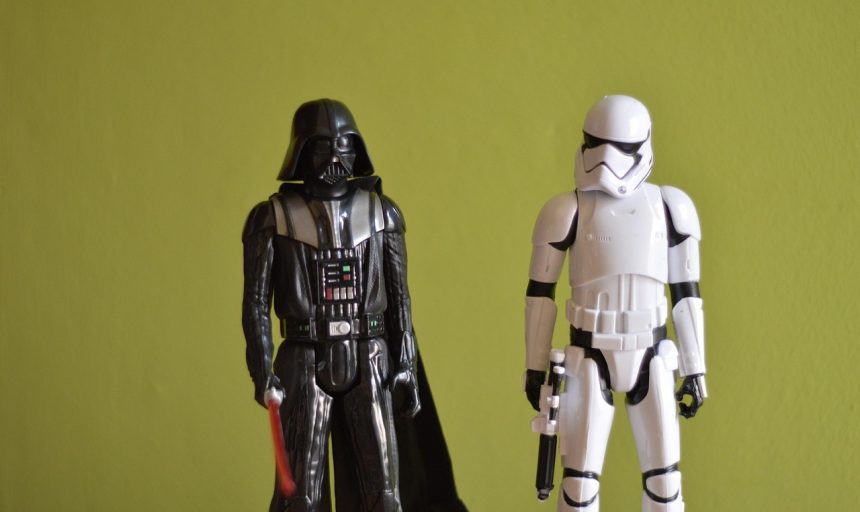
Sequels are supposed to build on what came before. Sometimes, though, a studio decides the easiest way forward is to pretend the previous ending never happened at all. Instead of loud reboots or splashy multiverse resets, a handful of franchises have simply walked back their own history, undoing hard won victories or tragic sacrifices as if they were minor plot points rather than the emotional core of the story that came before. What makes these particular cases interesting is how quietly it happens. There’s no dramatic announcement, no “this changes everything” marketing push. The characters just move on, the audience is expected to go along with it, and the original ending fades into an inconvenient footnote.
Halloween (2018) erased four decades of sibling drama


When David Gordon Green rebooted the Halloween franchise in 2018, he did something unusual for a horror series this deep into its run. Halloween 2018 broke new ground in the franchise by retconning every other sequel that came before it. That meant tossing out the infamous twist from Halloween II, which had long defined Michael Myers as Laurie Strode’s secret brother.
Co-writer Danny McBride was direct about why the sibling connection had to go. He explained that he was pushing for that removal right off the bat, feeling that the sibling tie made Michael seem too personalized and less scary as a result. Jamie Lee Curtis herself embraced the change, pointing out that the tricky part was figuring out how to tell a story that already had nine other stories attached to it, each written by different people with their own ideas. The result stripped Michael of any personal motive, returning him to the blank, random evil that made the 1978 original so unsettling in the first place.
Alien 3 undid the found family that survived Aliens

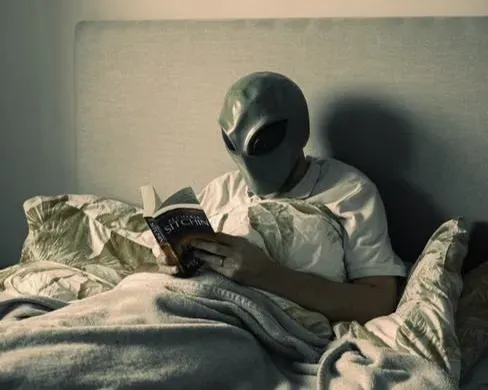
James Cameron’s Aliens ended on something close to a happy note for a franchise built on dread. Ripley, the android Bishop, a young survivor named Newt, and the marine Hicks made it out alive and climbed into hypersleep for the long trip home. By the end of Aliens only four characters remained alive, and the unlikely quartet entered hypersleep for a return trip to Earth, though the seemingly happy ending did not last long.
Alien 3 opens by quietly wiping that relief away. Newt and Hicks are killed off screen in the opening credits, revealed to have been killed by a facehugger Xenomorph that had been in their pod the whole time. It’s a brutal bit of housekeeping that turns Aliens’ hard won survival into a footnote, and fans have never fully forgiven the decision. Original Alien novelist Alan Dean Foster later said his intent had been softer, noting his thought in killing Newt was to explain that her capsule was damaged and she would have to remain in deep sleep until it could be repaired, before the final film discarded that idea entirely.
Terminator 3 quietly reversed T2’s entire message

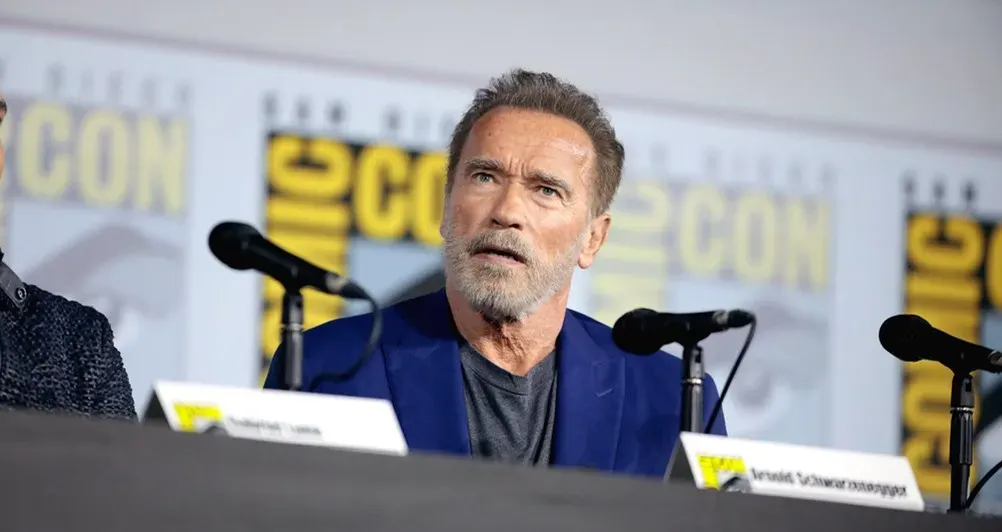
Terminator 2: Judgment Day gave audiences one of the most satisfying endings in action cinema. Sarah and John Connor destroy the Cyberdyne building, seemingly wiping out the technology that would have birthed Skynet and prevented the nuclear war known as Judgment Day. It felt final, hopeful even, a rare happy ending for a franchise built on inevitability.
Terminator 3: Rise of the Machines spends its entire runtime slowly taking that hope apart. By the end, Judgment Day could not be stopped, and all that John and Sarah did in T2 was postpone it. The film’s twist reveals that Crystal Peak was never Skynet’s core but a fallout shelter, and the machines had won from the beginning with no way of stopping them. Critics have pointed out ever since that this directly contradicts Terminator 2’s central message that the future can be altered.
Terminator: Dark Fate erased three sequels in one stroke

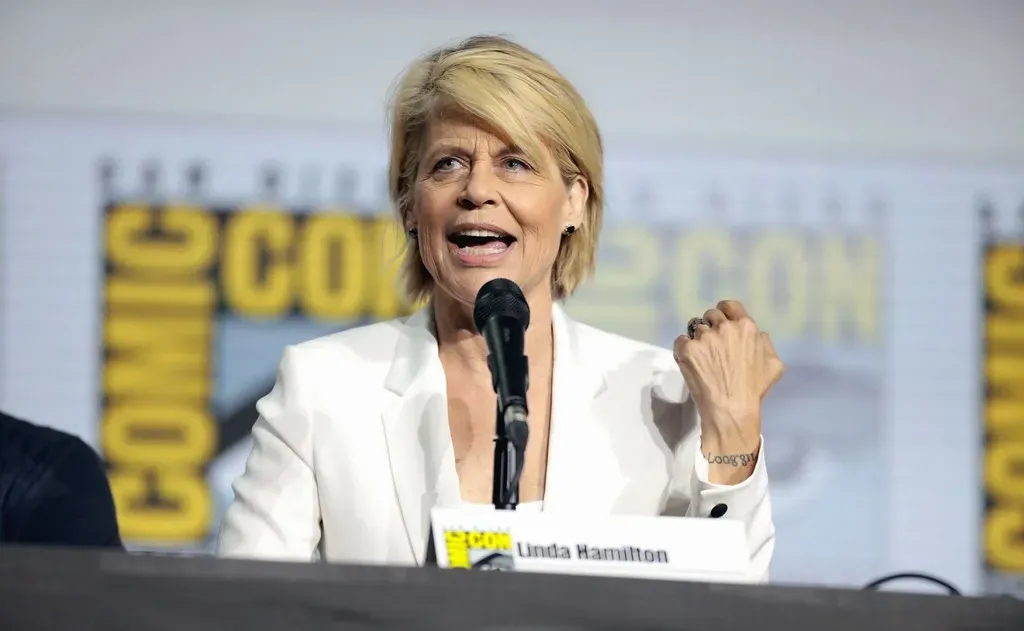
If Terminator 3 chipped away at T2’s ending, Terminator: Dark Fate simply deleted everything that followed it. Rise of the Machines, Salvation, and the widely mocked Genisys were all quietly written out of continuity, as though they had never been made.
The film’s approach was blunt and, according to most critics, refreshing. After a run of abortive, mediocre Terminator sequels, most recently the self parodically convoluted Genisys, Dark Fate wisely erased all these bad ideas from the timeline and picked up as if T2 had been the last canonical release. James Cameron returned as producer for the first time since the early nineties, and the film treated Sarah Connor’s victory in T2 as the only ending that mattered, resetting the franchise’s clock as if the intervening seventeen years of sequels simply hadn’t happened.
Star Wars: The Force Awakens quietly undid Return of the Jedi’s victory

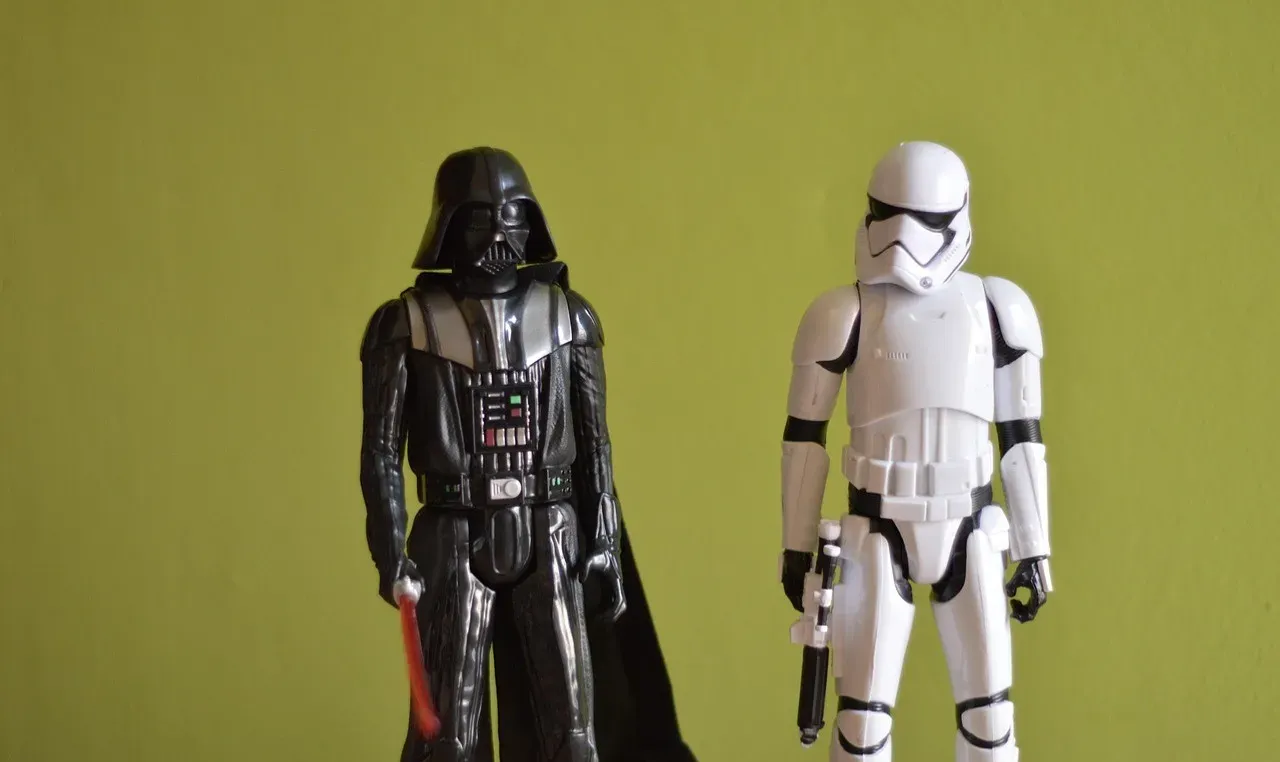
Return of the Jedi closed the original Star Wars trilogy with the Emperor dead, the Death Star destroyed, and the galaxy seemingly saved. It wasn’t a perfectly tidy ending, but it was a victory earned through real sacrifice. Then, three decades later, The Force Awakens picked up the story and revealed just how little that victory had actually settled.
According to the new canon, the Battle of Endor wasn’t quite as significant as everyone had believed, and while the Empire was dealt a devastating blow, the dark side regrouped in the Unknown Regions before emerging again as the First Order. Even more striking, later films revealed that Palpatine did not actually die at the end of Return of the Jedi but was resurrected using a clone body, which cheapens Anakin’s death and the Rebellion’s victory to some degree. What had felt like a definitive ending turned out to be, at best, a very long ceasefire.
X-Men: Days of Future Past rewrote away three films of continuity

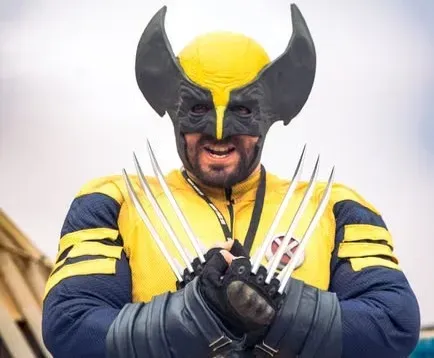
Few franchises have handled their own messiness as openly as X-Men did in 2014. Days of Future Past used time travel not just as a plot device but as a cleanup tool, sending Wolverine’s consciousness back to 1973 specifically to prevent a grim future from ever occurring. That future, shown at the start of the film, included the deaths of most of the original X-Men and had been built up across several earlier sequels.
The mission succeeds, and the consequences ripple backward through the entire series. The events of the film ended up severely altering the timeline, erasing the events of X-Men, X2: X-Men United, and X-Men: The Last Stand, along with most of X-Men Origins: Wolverine and The Wolverine. It’s a rare case of a sequel openly admitting that several of its predecessors’ endings, and in some cases entire storylines, simply no longer counted, clearing the board for a fresher take on characters played by the same actors.