Endings feel final when you watch them. A character dies, a villain falls, a door closes. Then a sequel arrives and the door opens again, often without much fuss.
Some sequels do this loudly, with a title card or a long explanation. The ones below did it more gently, adjusting what the first film seemed to settle. Here are six cases where part one’s ending stopped meaning quite what it once did.
Alien 3 and the Fate of Newt and Hicks
Aliens ended with Ripley, Newt, Hicks and the android Bishop asleep in hypersleep, a rare happy ending for the franchise. Alien 3 opens by wiping that out. The escape pod crashes, and Newt and Hicks are dead before the story really starts.
The film treats their deaths almost as a footnote, which is why fans reacted so sharply. Ripley’s hard-won rescue of a child, the emotional core of the second film, is undone in a few minutes. The sequel then builds a bleaker story on the wreckage.
Terminator 3 and the Promise of No Fate
Terminator 2: Judgment Day closed with the machine destroyed, Skynet’s research wrecked and the road ahead open. The message was that the future could be rewritten. Terminator 3: Rise of the Machines recast that victory as a delay.
The third film says Judgment Day was postponed, not prevented, and that it was effectively inevitable. That shifts the meaning of the earlier ending from triumph to a temporary reprieve. Later entries in the series have kept returning to similar resets.
Halloween Kills and the Idea That Michael Survived Again
The 2018 Halloween was a direct sequel to the 1978 original, ignoring every other sequel. It ended with Michael Myers trapped in a burning basement while Laurie, Karen and Allyson escaped. It felt like a clean, deliberate closure.
Halloween Kills opens by showing he got out, and that the fire did not stop him. The follow-up reframes the ending as a trap that simply failed. Halloween Ends then took the story in a different direction again.
Jurassic World Dominion and the Park That Never Ended
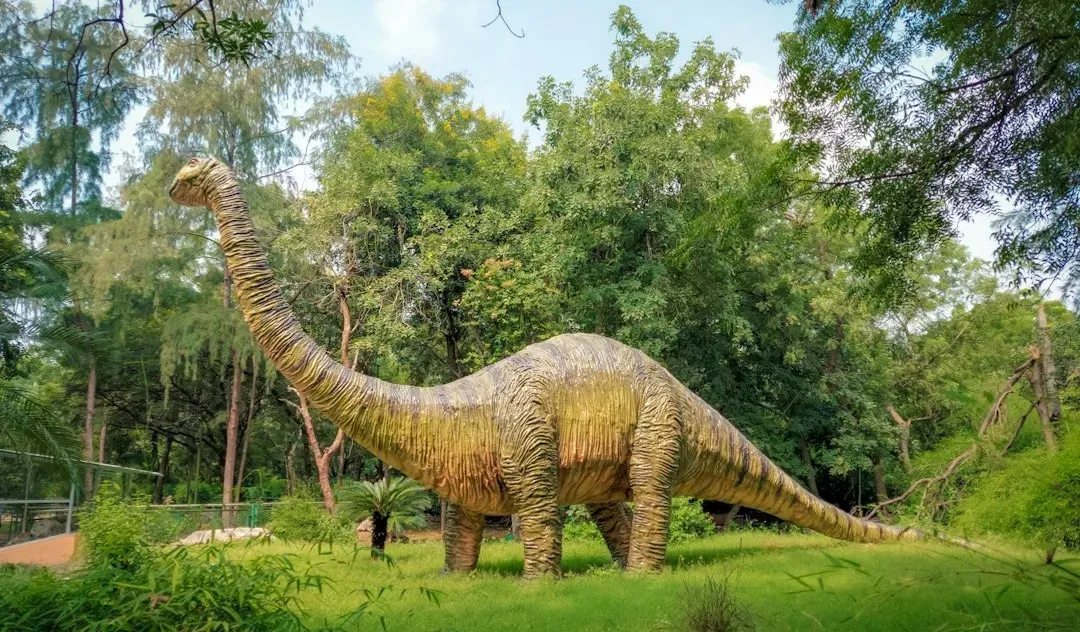
Jurassic Park ended with the survivors leaving Isla Nublar by helicopter, apparently done with the whole idea. Its sequels slowly undid that sense of closure. Dinosaurs reached the mainland, and by Dominion they were living alongside people worldwide.
The original ending suggested the experiment was over. The later films treat it as the first chapter of something permanent and global. That is a large reversal of what the first finale seemed to imply.
Dawn of the Planet of the Apes and the Fragile Peace
Rise of the Planet of the Apes ended with Caesar’s apes reaching the redwoods as a sanctuary, free from humans. It felt like the start of a new home. Dawn of the Planet of the Apes begins with that home thriving, but quickly shows how precarious it was.
The first film’s quiet, hopeful image becomes the setup for a war. Human survivors find the apes, and trust collapses on both sides. What looked like an ending of safety turned into the first move in a longer conflict.
Spider-Man: No Way Home and the Cost of the Previous Endings
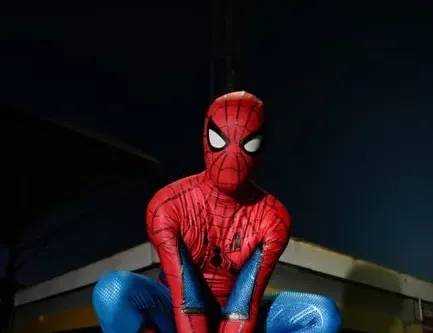
The first Spider-Man films from earlier eras each ended with a certain emotional resolution for their heroes. No Way Home pulled characters from those versions into a single story, changing how the earlier endings sit in memory. It gave some of them second chances that their original films had not.
Andrew Garfield’s version, for example, gets a moment of redemption tied to the loss that closed his own run. This is less a rewrite than an extension, yet it changes the weight of those older finales. The sequel works by revisiting endings and altering what they meant.