Walk into a multiplex today and the sign above the door may not match the one your parents remember. Over the last four decades, bankruptcies, mergers and a pandemic have quietly erased some of the biggest names in American moviegoing. The buildings often survived, but the brands didn’t.
Here are six chains that once dominated their regions or the whole country and are no longer around. Some were swallowed by bigger rivals, and one simply ran out of runway.
General Cinema

General Cinema started in Boston in 1922 and became one of the defining names of the mall era. It helped push movie theaters into suburban shopping centers, and for many Americans the twin or quad cinema beside a department store was a General Cinema. The company’s parent, GC Companies, also ran other businesses, but the theaters were what people knew.
The chain hit financial trouble around 2000, when GC Companies filed for Chapter 11 bankruptcy protection. AMC acquired its theater business in 2002, and the General Cinema name disappeared from marquees soon afterward. Many of its old locations were later closed or rebranded.
Loews Cineplex

Loews Cineplex was created in 1998, when Loews Theatres merged with Cineplex Odeon. On paper it was a giant, with screens across the United States and Canada. In practice, the company had taken on heavy debt during the building boom of the late 1990s.
It filed for bankruptcy protection in early 2001 and emerged under new ownership. In January 2006 it merged with AMC, and the Loews name faded out of the American market. The Canadian business had already split off and eventually became the Cineplex chain, which still operates there.
Carmike Cinemas
Carmike, based in Columbus, Georgia, built its business in smaller towns that the big city chains tended to skip. By the time it was sold, it operated more than 270 theaters across dozens of states. It was a quiet, steady presence in markets where it was often the only cinema around.
Partner offer

AMC announced the purchase in 2016 for roughly one point one billion dollars, and the deal closed that December. Carmike’s theaters were gradually rebranded as AMC locations. The acquisition gave AMC a much larger footprint in small and midsize communities.
Edwards Theatres
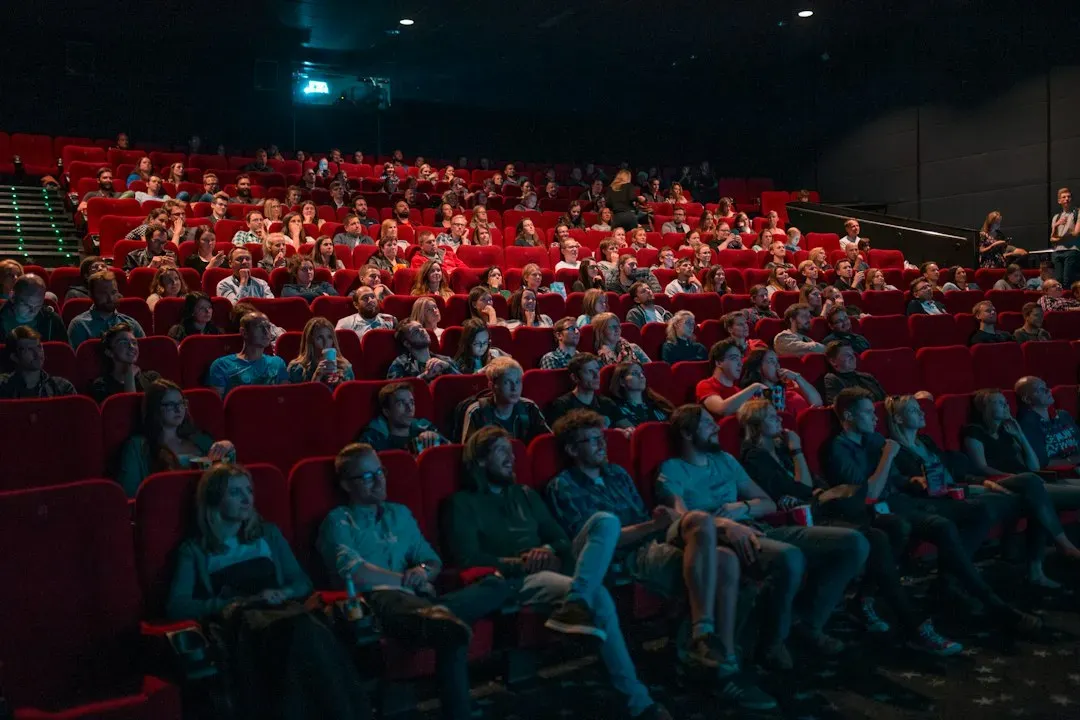
Edwards Theatres was a Southern California institution, headquartered in Irvine and known for large, showy auditoriums. Its Big Newport theater in Newport Beach was a regional landmark, and the chain was early to build big stadium seating rooms. Locals often treated an Edwards trip as an event rather than an errand.
Like other chains of the period, Edwards overbuilt and filed for Chapter 11 in 2000. Regal ended up controlling the circuit, and by 2002 the Edwards brand was folded into Regal. Some of the buildings still operate today under the Regal name.
United Artists Theatres

United Artists Theatre Circuit dates back to the 1920s and was one of the oldest cinema names in the country. It operated hundreds of screens in the decades that followed. Its brand was familiar even to people who couldn’t say who owned it.
The company filed for Chapter 11 in 2000, part of the same wave of overexpansion that hit several rivals. It emerged under Regal’s corporate umbrella in 2002, and the independent chain effectively ended there. The name has lingered on a limited number of theaters, but it no longer exists as a standalone circuit.
ArcLight Cinemas and Pacific Theatres
ArcLight was the most recent loss, and the only one on this list tied directly to COVID. It became practically synonymous with upscale moviegoing in L.A., thanks to its ad free, reserved seating cinemas. ArcLight Hollywood opened on March 22, 2002, next to the Cinerama Dome, which opened in 1963.
ArcLight Cinemas and Pacific Theatres announced in April 2021 that they were closing all of their roughly 300 screens, mostly in California. The company said it had “a viable way forward” no longer. Several locations were later bought by other operators, including Amazon, Regal and AMC. In 2026, Sony Pictures announced it had purchased the leases to the Cinerama Dome and the former ArcLight Hollywood, with plans to reopen both in 2028, the latter as an Alamo Drafthouse.
Partner offer
Planning a trip to Vegas?
Compare hotel rates and show tickets on VEGAS.com.