Some films ask two performers to share one person. One actor plays the character young, another plays them older, and the audience is expected to believe a single life ran between the two. The actors rarely have the luxury of identical faces, so the work happens in smaller details.
Those details include a voice, a way of standing, a habit of speech, and sometimes a long look at the other actor’s work. The examples below come from well known films and from reporting on how the casts approached them. They show that there isn’t one method.
Matching a Voice Across Decades

In Judy, English actress Darci Shaw played the Wizard of Oz era Judy Garland. Renée Zellweger played the older Garland. Matching Shaw’s strong Liverpool accent with Zellweger’s trans-Atlantic one was a technical challenge that brought the two performances together.
Shaw also worked on smaller vocal traits. She learned to mimic the lisp created by Garland’s false teeth. A shared sound is one of the quickest ways to tell an audience they’re watching the same person.
Letting the Body Change While the Sound Stays

Voice and body play different roles in these performances. Shaw described the accent as the biggest unifying factor, and she noted that posture changed as the character got older while the accent stayed the same.
That split is a useful guide. The older actor can carry the weight of years in how they stand and move, while the voice stays recognizable. The two actors can then divide the work between them.
Studying the Other Actor Like Source Material

In the 2012 film Looper, Joseph Gordon-Levitt and Bruce Willis played different aged versions of Joe. Both played the character in the time travel film. The younger actor had the harder job of looking like someone he wasn’t.
Gordon-Levitt prepared by studying Willis carefully so audiences would feel they were watching one person. It’s a very direct approach. He treated his co-star as the reference for the performance.
Going Back to the Real Person’s Own Words

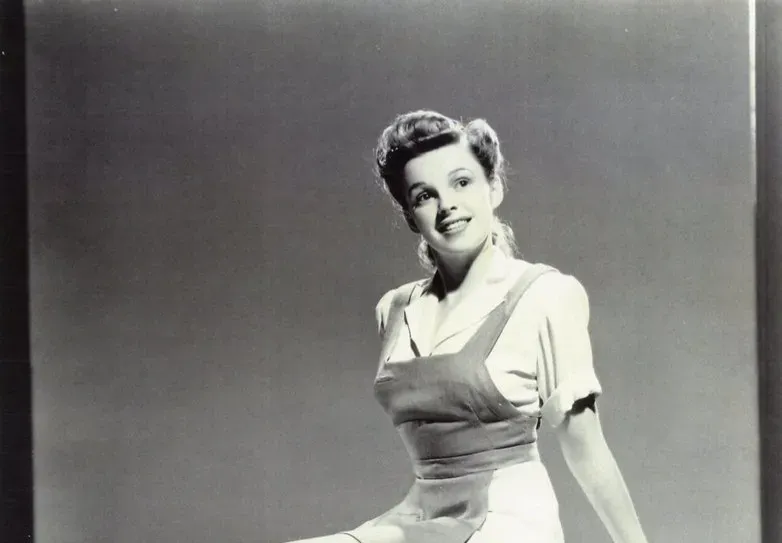
When the character is a real person, the research can go deeper. For Judy, Zellweger took a different route from Shaw’s. To merge aspects of a younger Garland into her performance, she dove into the icon’s own words about her youth.
This kind of preparation works backward from the older performance. The actor learns how the person described their early years, then lets that outlook shape how the later version carries herself. Nothing on screen announces it, yet it adds a layer of continuity.
Casting for Resemblance and Family Ties

Sometimes the groundwork is done at the casting stage. In Big Fish, Ewan McGregor was reportedly cast as the younger Edward Bloom after producers noticed a physical resemblance to Albert Finney. A close match gives the actors less to fix afterward.
Partner offer

Family casting is another shortcut. Jamie Lynn Spears was 11 when she played the younger version of her real life big sister Britney in Crossroads. Shared genes won’t replace performance work, but they give it a head start.
Building a Private System for Three Timelines

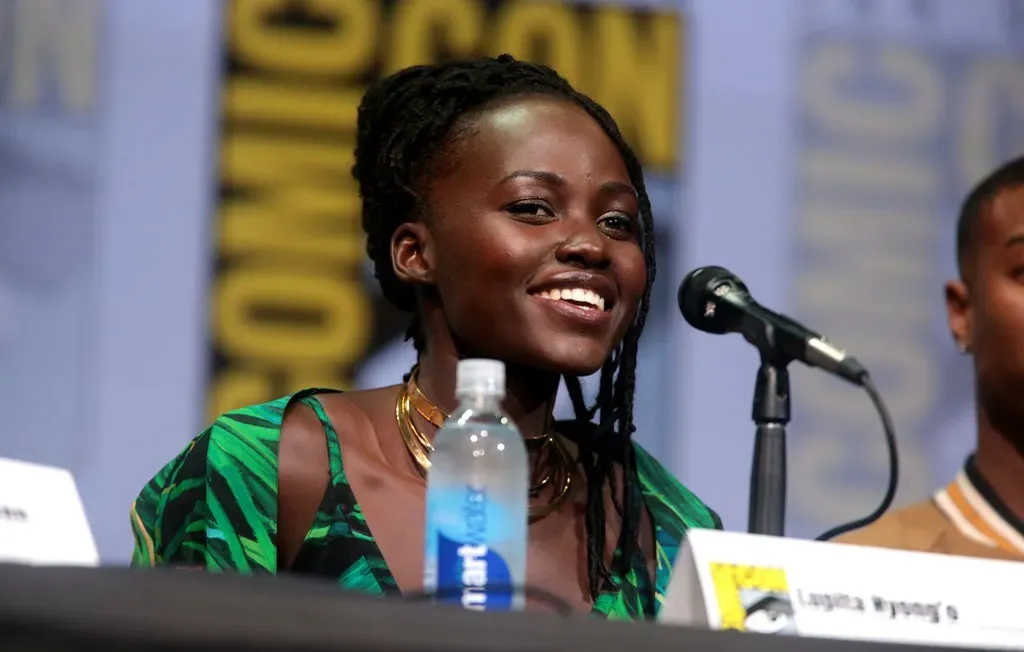
Not every cast works together. For Jordan Peele’s Us, Lupita Nyong’o’s process was a solitary one. Adelaide exists across three timelines, and Nyong’o played the eldest version while Madison Curry played the youngest.
According to The Hollywood Reporter, the harder part for Nyong’o was not matching her younger counterpart. She needed ways to organize each role, though the excerpt I found cuts off before explaining how. Her case shows that matching the other actor isn’t always the main problem.
Spending Time Together Off Camera

For The Two Popes, director Fernando Meirelles didn’t force the two actors to resemble each other. They became socially well acquainted in Buenos Aires, where Argentine actor Juan Minujín helped Jonathan Pryce with his accent and with rephrasing dialogue to sound more authentic.
The result was a quiet link between the two performances. Both actors noticed a connective tissue in their work. Shared time and shared coaching can create a connection that no rehearsal note could.
Playing the Difference on Purpose

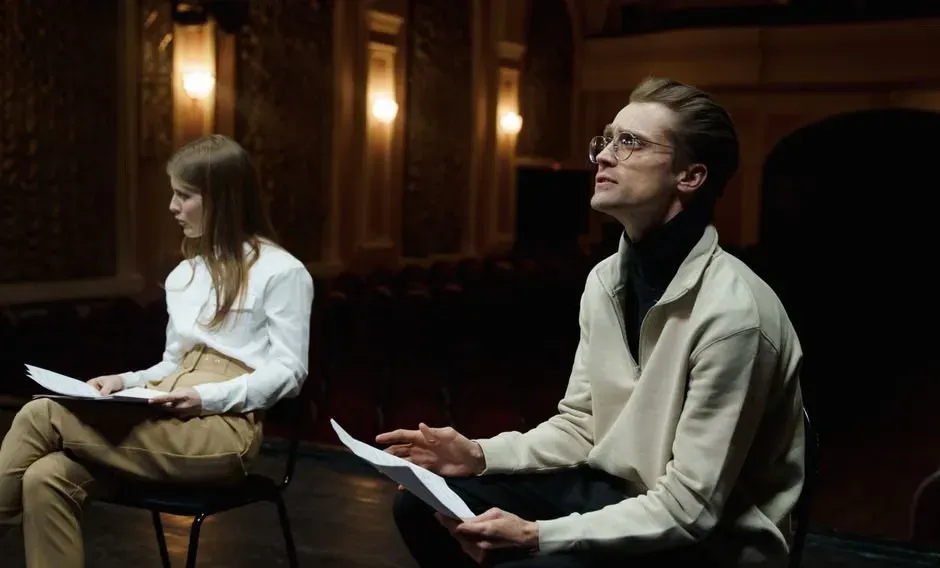
Continuity isn’t always the goal. Meirelles wanted the younger Bergoglio to feel like a different person from the pope he would become. He described a curious man who never smiled.
The Godfather Part II is an older example of the same idea. Marlon Brando played the senior Vito Corleone in the original film, and Robert De Niro played the mafia boss in his younger years in the sequel. Both men won Academy Awards for their performances.
Relying on Performance Instead of Effects

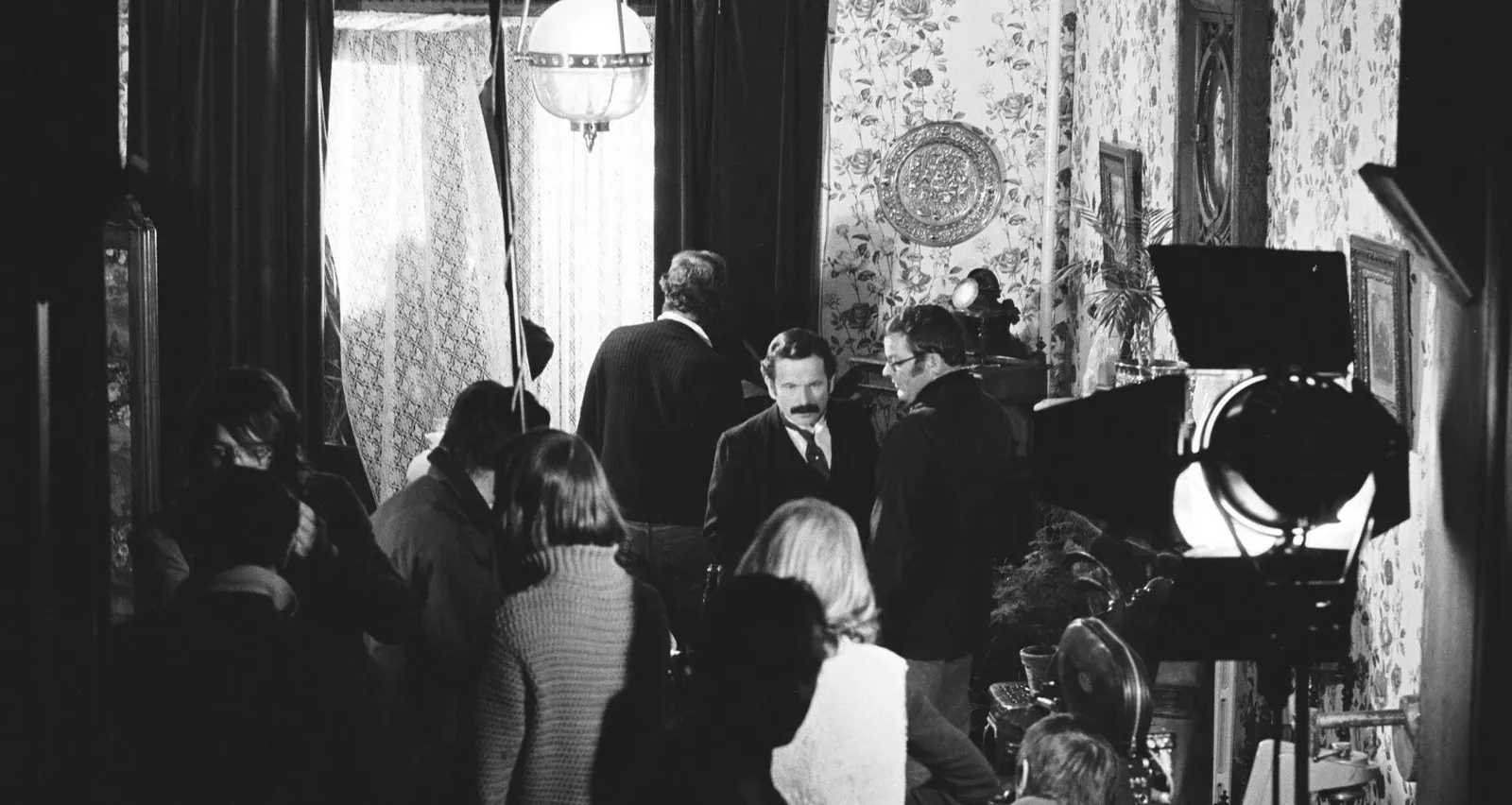
Filmmakers can also use technology to age one actor, but some choose not to. In The Curious Case of Benjamin Button, makeup and CGI were used only for the main character played by Brad Pitt. Daisy was handled differently.
She was played by Cate Blanchett, Elle Fanning and Madisen Beaty as she grows older. Handing the role between actors puts the weight on acting and casting rather than on digital work.
Where These Approaches Meet

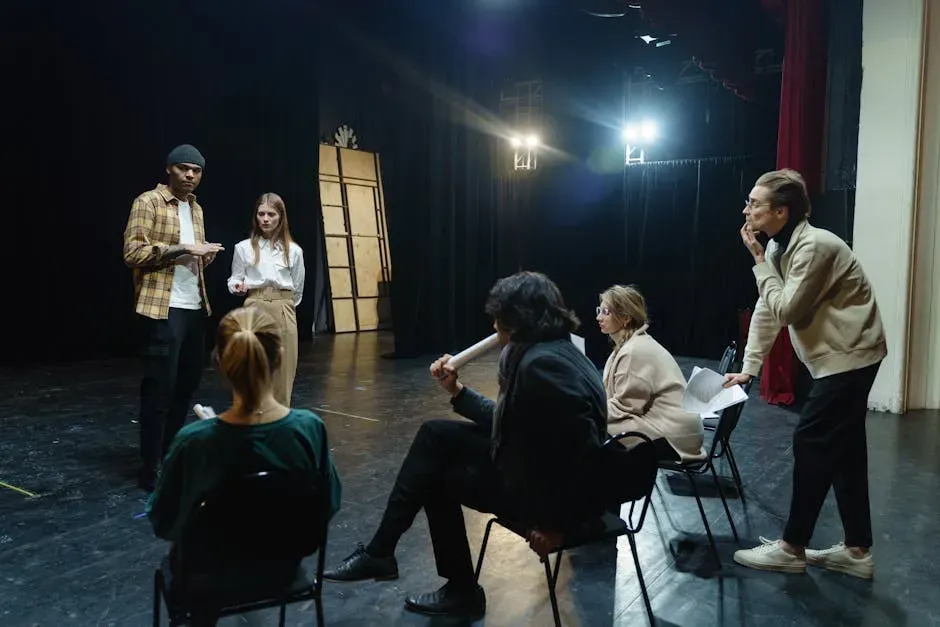
The methods in these films vary widely. Accent coaching, posture work, close study of a co-star, research into a real person’s words, and time spent together off camera all show up. Some productions also cast for resemblance or family ties.
In Titanic, Gloria Stuart played Rose in the present day and Kate Winslet played the younger Rose. Each pairing has to settle what should carry across the years and what should change.
Partner offer
Planning a trip to Vegas?
Compare hotel rates and show tickets on VEGAS.com.