Streaming libraries look stable on the surface, but the fine print behind them is anything but. Every title sitting in a Netflix or Disney+ queue is governed by a contract with an expiration date, and when that date arrives without a renewal, the film simply vanishes. Some of these disappearances barely register. Others become genuine flashpoints, drawing attention to how fragile digital access really is when studios, distributors, and streamers can’t agree on terms.
1. Indiana Jones franchise

The four original Indiana Jones films spent years bouncing between Disney+ and Paramount, and the back and forth has been dizzying even by streaming standards. The four films were initially added to Disney+ on May 31, 2023, but were later removed in October 2024. That wasn’t the end of it either.
After a return to Disney+ on January 1, 2025, all four movies left the service again in October 2025. The root issue traces back to older distribution agreements tied to Paramount, which controlled home entertainment rights for the franchise long before Disney owned Lucasfilm. Only recently did reporting indicate the full five-film collection, including the 2023 sequel, would settle permanently on Disney+ once 2026 arrived.
2. Black Panther
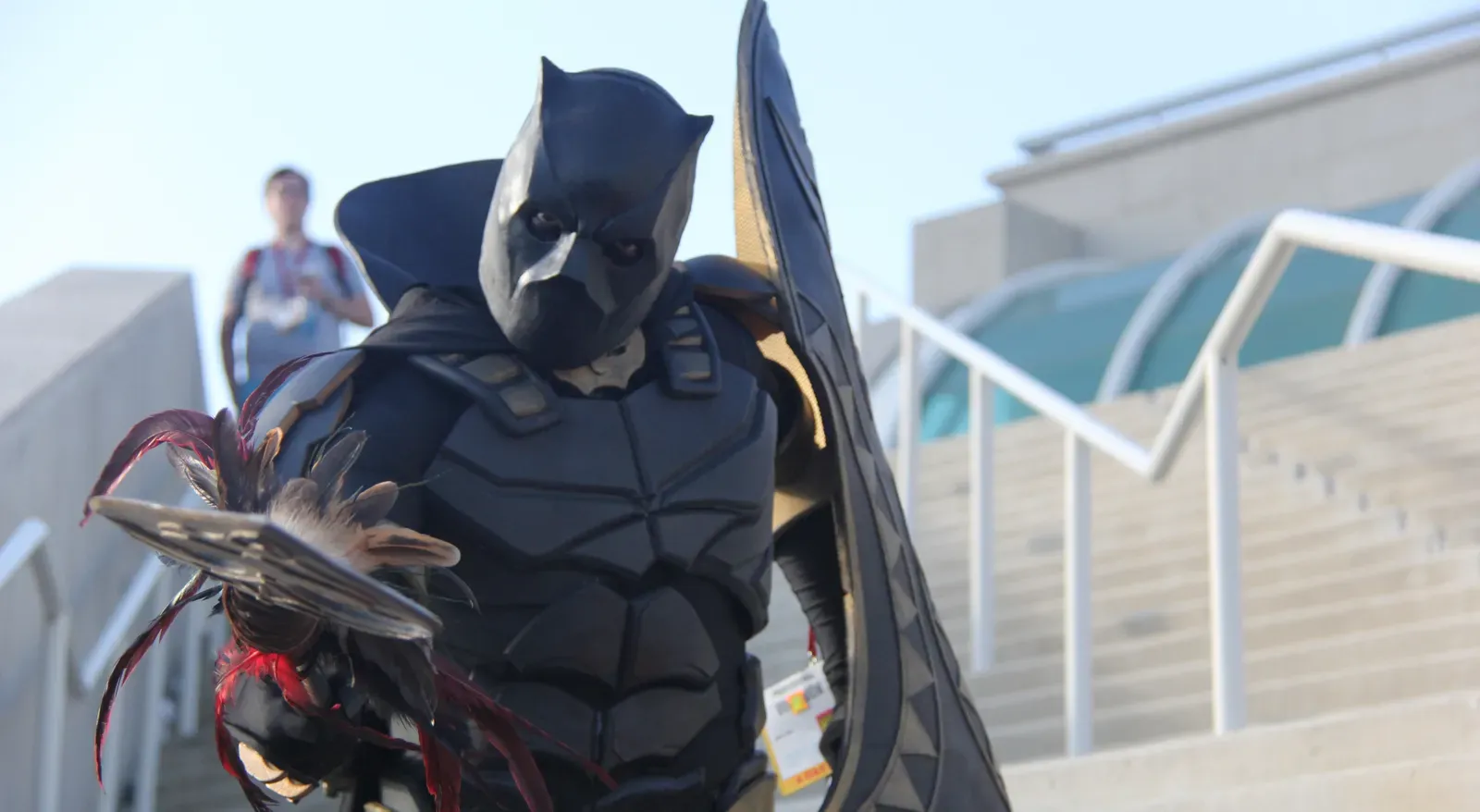
Marvel’s Black Panther has become something of a case study in how streaming rights can revert on a schedule set years in advance. The film currently sits on Disney+, but that arrangement has always had a built in shelf life tied to a prior Netflix deal struck before Disney+ even existed. One of the top movies on Disney+ is Marvel’s Black Panther, and in 2026, streaming rights for the film revert back to Netflix where the movie was found before the launch of Disney’s video streamer.
What makes this notable is the ownership irony built into the system. Disney does own all of the content on Disney+ even though it must abide by previously agreed to contracts with other streamers. So a Disney owned film can still leave a Disney platform simply because a Netflix licensing window signed years earlier finally comes due.
3. The Dark Knight trilogy
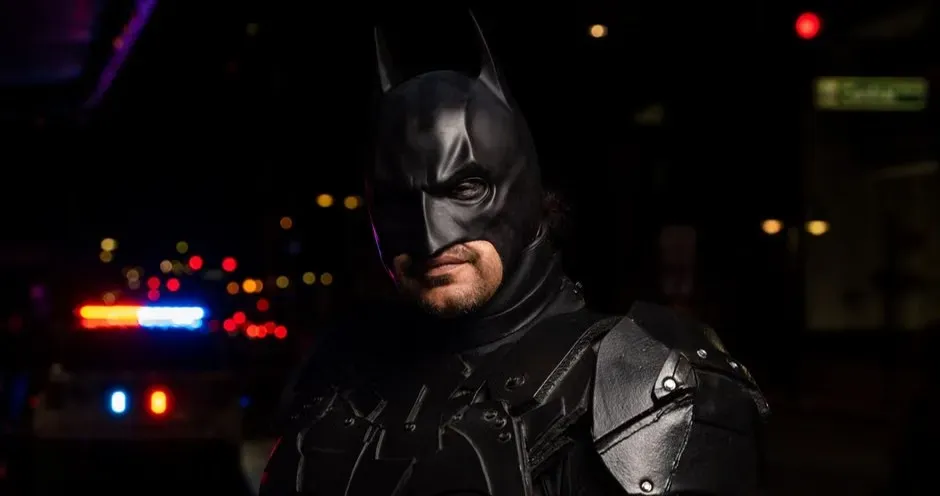
Christopher Nolan’s Batman films were among the more surprising removals of 2025, given their continued popularity years after release. Netflix subscribers watched the trilogy disappear in June 2025, and the timing set off a chain reaction of departures. When Netflix removed Christopher Nolan’s The Dark Knight trilogy in June, it left a void in many subscribers’ watchlists, and looking at everything leaving the platform in July 2025, that was going to get bigger still.
The films belong to Warner Bros., and Netflix’s hold on them was always a licensed arrangement rather than permanent ownership. Once that window closed, Warner’s own streaming ambitions on Max took priority, pulling the trilogy back toward the studio’s home platform rather than a competitor’s.
Partner offer
4. Spider-Man: No Way Home
Sony’s Spider-Man films occupy a strange corner of the streaming world because Sony doesn’t operate a major subscription platform of its own. That forces the studio to shop its biggest titles around, and the terms shift constantly. Unlike both Amazing Spider-Man films starring Andrew Garfield, Spider-Man: No Way Home is still absent from Disney+, and is currently streaming on Starz thanks to Sony Pictures’ deals with Starz and Netflix.
This means one of the highest grossing films of the decade has never had a stable home on any single service, cycling between Starz and Netflix depending on which contract is active. Fans hoping to find it alongside the rest of the Marvel Cinematic Universe on Disney+ have been waiting for years, and there’s no clear indication that will change soon given Sony’s separate distribution priorities.
5. Palestinian Stories collection

Few licensing expirations have generated as much public backlash as Netflix’s removal of its Palestinian Stories collection in October 2024. Netflix came under fire from several human rights groups over its non-renewal of 19 films that were part of its Palestinian Stories collection launched in October of 2021. The films had been licensed through a Dubai based distributor rather than produced by Netflix itself.
Netflix maintained the removal was purely contractual. The streamer stated it had launched the licensed collection in 2021 for three years, those licenses had now expired, and it continued to invest in a wide variety of quality films and TV shows to meet members’ needs. Critics pointed out that a company of Netflix’s size could have renewed the deal, and the dispute became less about contract law and more about whether streamers bear any responsibility for preserving culturally significant, hard to find films once a license lapses.
6. Star Wars: The Force Awakens
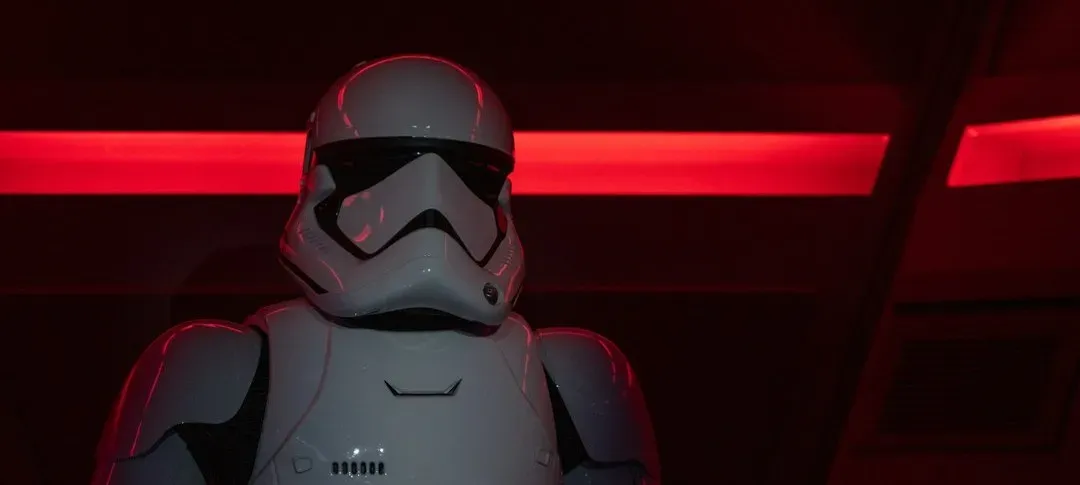
Before Disney+ consolidated most of the Star Wars catalog under one roof, several films in the saga were scattered across other platforms thanks to older distribution deals. The Force Awakens spent time on Starz before Disney negotiated its way to reclaiming the title. That’s how Disney was able to wrest away Star Wars: The Force Awakens from Starz.
The move illustrates a less common but still meaningful pattern in these disputes: a studio actively buying back or renegotiating rights rather than simply waiting for a contract to lapse naturally. It also set a template Disney would later use for other Lucasfilm titles caught in similar third party arrangements, slowly pulling the franchise back together piece by piece.
These six cases share a common thread even though the details differ wildly. A licensing agreement gets signed with a fixed window, that window closes, and unless a new deal is already lined up, the film disappears regardless of how popular or culturally significant it is. Some titles return within months once terms are renegotiated. Others, like the Palestinian Stories collection, raise harder questions about what gets prioritized when a contract simply isn’t renewed.Partner offer
Planning a trip to Vegas?
Compare hotel rates and show tickets on VEGAS.com.