Streaming services changed more than how we watch television. They changed how we talk about it. A show dropped all at once creates a completely different rhythm of conversation than one doled out week by week, and anyone who has scrolled through social media after a big premiere has probably felt that difference without quite naming it.
The shift isn’t just about convenience or speed. It touches everything from spoiler etiquette to fan theories, from watercooler chats to the lifespan of a show’s cultural relevance. Looking at how release schedules shape discussion helps explain why some series feel like a shared event and others fade before anyone’s finished the season.
The binge model creates a short, intense burst of conversation
When an entire season lands at once, the conversation tends to spike hard and fast, then taper off almost as quickly. Fans who watch immediately are ready to discuss finale twists within a day or two, while others are still on episode three, creating an awkward gap between those who are caught up and those who are not. This compressed timeline means the loudest, most detailed discussions often happen in a tight window before interest naturally cools.
Shows like most Netflix original series follow this pattern closely. The discourse peaks around release weekend, dominates group chats and forums for maybe a week or two, and then largely disappears unless something unusual keeps it alive, like a surprising renewal announcement or a viral clip. That intensity can feel exciting, but it rarely sustains itself the way slower rollouts do.
Weekly releases stretch conversation across a longer period
A weekly schedule forces patience, but it also gives a show more chances to stay in the cultural conversation. Each new episode becomes its own small event, generating fresh theories, reactions, and debates that can dominate a corner of the internet for days before the next installment resets the cycle. This staggered pacing means a single season can generate discussion for two or three months instead of two or three weeks.
Shows such as HBO’s prestige dramas or many broadcast network series benefit from this extended runway. Fans have time to dissect small details, rewatch scenes, and build anticipation, which often leads to deeper analysis than a rushed binge allows. The tradeoff is that weekly shows require sustained attention, and if early episodes don’t hook viewers quickly, momentum can stall before it builds.
Spoiler culture looks completely different depending on the format
Binge releases create a narrow but intense spoiler danger zone. Within the first 48 to 72 hours, spoiler warnings flood social media, and fans who haven’t finished often mute keywords or avoid certain platforms entirely until they catch up. Once that initial rush passes, spoiler anxiety mostly fades since most engaged viewers have already finished the season.
Weekly shows spread spoiler risk out over the entire run, which can feel less urgent in any single moment but lasts much longer overall. A fan who falls one episode behind on a weekly series might avoid spoilers for months, not days. This extended caution shapes how people talk online, often leading to more careful phrasing, spoiler tags, and delayed discussion threads that binge culture rarely needs.
Fan theories evolve differently under each release strategy
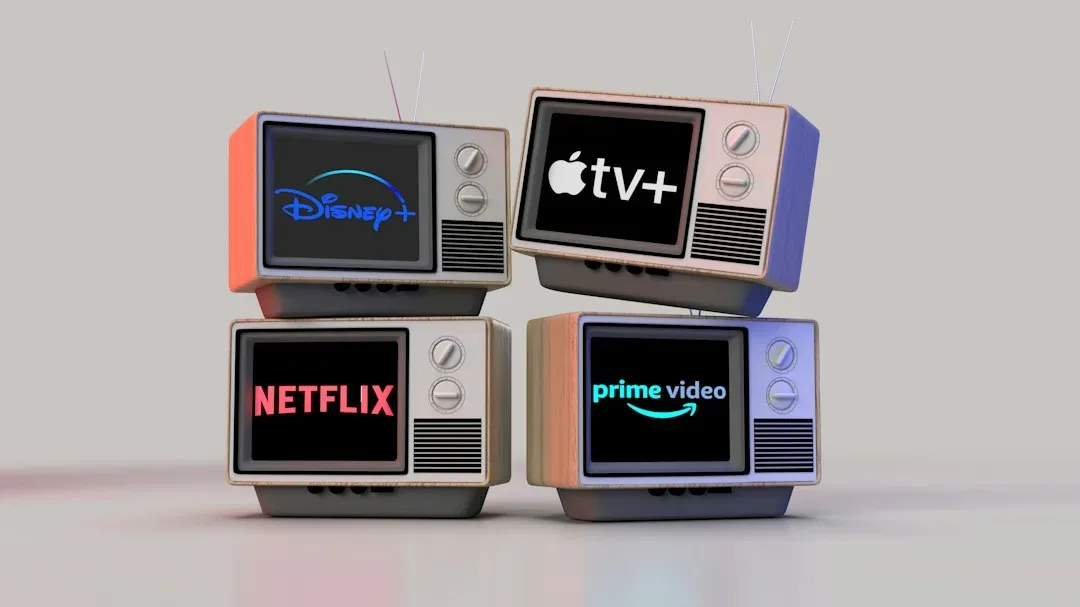
With binge drops, theories tend to form and resolve quickly since the entire story is available almost immediately. Viewers can test their guesses against the full narrative within days, which shortens the theorizing window but also allows for rapid, satisfying payoff. There’s less room for slow-building speculation because the answers are already sitting there, one click away.
Weekly formats give theories room to breathe and grow more elaborate. Fans have days between episodes to analyze clues, compare notes, and build increasingly detailed predictions, sometimes turning a single scene into pages of forum discussion. Shows like recent mystery or thriller series have shown how this slower pace can fuel deeper community engagement, since anticipation itself becomes part of the entertainment.
Social media trends behave differently around each schedule type
Binge-released shows tend to trend hard and fast on platforms like X or TikTok, often dominating for a concentrated period before being replaced by the next big cultural moment. Memes, reaction videos, and hot takes flood in almost simultaneously since everyone has access to the same material at once. This creates a shared, almost synchronized cultural experience, even if it’s brief.
Partner offer
Weekly shows generate smaller, recurring trend spikes tied to each episode’s air date. A single moment from episode four might trend for a day, then fade until episode five brings a fresh wave of attention. This pattern can actually extend a show’s overall visibility across social platforms, even if no single moment feels as explosively viral as a full-season binge drop.
Recap and analysis content follows very different publishing rhythms
Entertainment outlets and YouTube creators covering binge releases often publish everything at once, front-loading reviews, recaps, and analysis videos within the first week. This creates an overwhelming but short-lived wave of content that can be difficult to keep up with if a viewer falls behind. After that initial surge, coverage typically dries up quickly.
Weekly shows support a steadier content calendar, with recap videos and articles releasing episode by episode. This gives creators and outlets a reliable, recurring reason to cover a show, often building an audience that returns weekly for both the episode and the accompanying discussion. Many popular recap channels and podcasts rely specifically on this weekly cadence to maintain consistent viewership.
Fandom longevity often favors slower release schedules
Binge-watched shows can generate impressive short-term buzz but sometimes struggle to maintain long-term fan engagement between seasons. Once everyone has finished watching, there’s less reason to keep discussing the show until the next season drops, sometimes a year or more later. This can create gaps in fandom activity that make sustained community building more difficult.
Weekly shows, by contrast, often build stronger long-term fan communities because the extended airing period gives fans more time to form habits around discussion, theory-crafting, and shared anticipation. Series with weekly releases sometimes see fan communities remain active even during off-seasons, fueled by rewatches and continued analysis. This pattern has been especially visible with long-running weekly dramas that maintain dedicated online followings for years.
Hybrid release models are becoming more common

Some platforms have started experimenting with hybrid approaches, releasing a handful of episodes upfront followed by weekly installments for the remainder of the season. This strategy tries to capture some of the initial binge excitement while still stretching out longer-term engagement. Apple TV+ and a few other streamers have leaned into this model for certain flagship series.
The hybrid approach can create a strange middle ground in fan discussion, with an initial spike similar to a binge drop followed by a shift into weekly-style conversation patterns. It’s not always a smooth transition, since fans accustomed to either pure binge or pure weekly formats sometimes find the switch jarring. Still, this middle path is increasingly used as platforms try to balance viral momentum with sustained subscriber engagement.
Watch parties and live reactions thrive more under weekly formats

Weekly releases naturally support the idea of watching along with others, since fans know exactly when new content drops and can coordinate accordingly. Live-tweeting, Discord watch parties, and simultaneous reactions become part of the experience, adding a communal layer that binge releases often lack. This shared timing creates a sense of event television that feels closer to traditional broadcast viewing.
Binge drops make coordinated watch parties much harder to organize since viewers consume content at wildly different paces. Some fans finish an entire season in one sitting while others take weeks, making synchronized viewing nearly impossible beyond the initial release moment. This difference significantly changes how communal or isolated the viewing experience feels depending on the release model.
Streaming algorithms and release strategy are increasingly connected
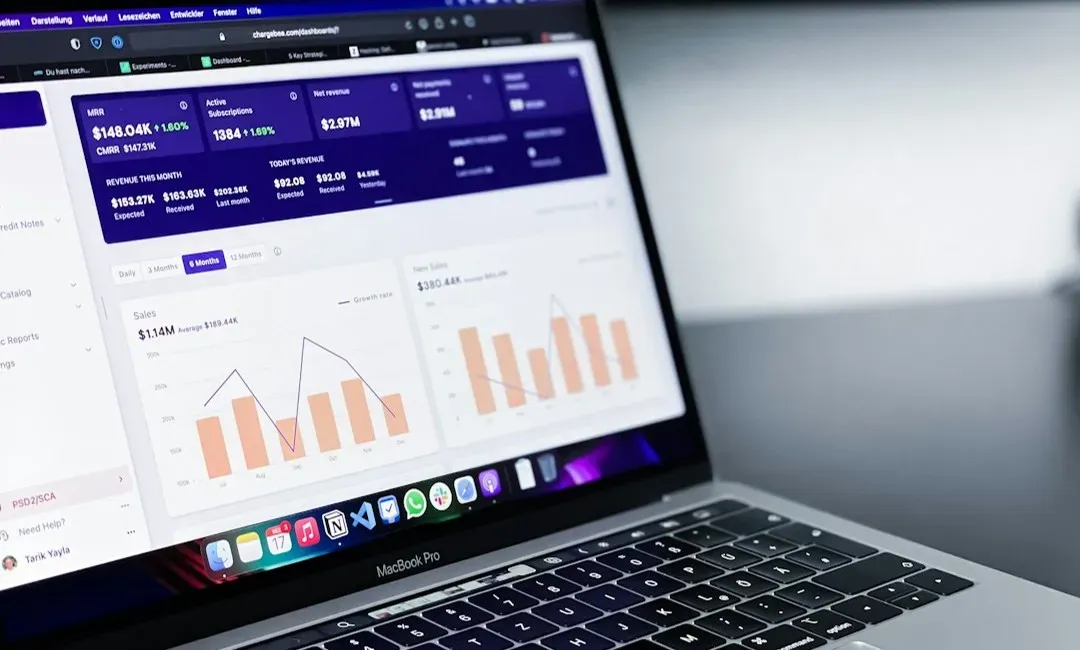
Streaming platforms often choose release schedules based on data about viewer retention and subscription patterns, not just creative preference. Weekly releases can encourage longer-term subscriptions since viewers need to stay subscribed across multiple weeks to see a season through. Binge drops, meanwhile, can spike short-term subscriber numbers around a premiere before potentially seeing higher cancellation rates once viewers finish quickly.
This business logic increasingly shapes fan discussion indirectly, since the choice of release format is rarely accidental. Platforms have grown more transparent about testing different release strategies for different types of shows, often choosing weekly drops for flagship dramas meant to anchor subscriptions over several months. Understanding this business context helps explain why certain shows get one treatment while others get another, even from the same streaming service.
Partner offer
Planning a trip to Vegas?
Compare hotel rates and show tickets on VEGAS.com.