Every chart-topping song has a credited writer, but not every credited writer is who they seem. Across six decades of pop, rock, and R&B, some of the most successful songwriters in the business have hidden behind invented names, sometimes for creative freedom, sometimes to test their own talent, and sometimes just to keep their day job separate from their side hustle. What follows are six real, well-documented cases where a famous musician wrote hit songs while quietly pretending to be someone else entirely.
Prince and his secret songwriting identities
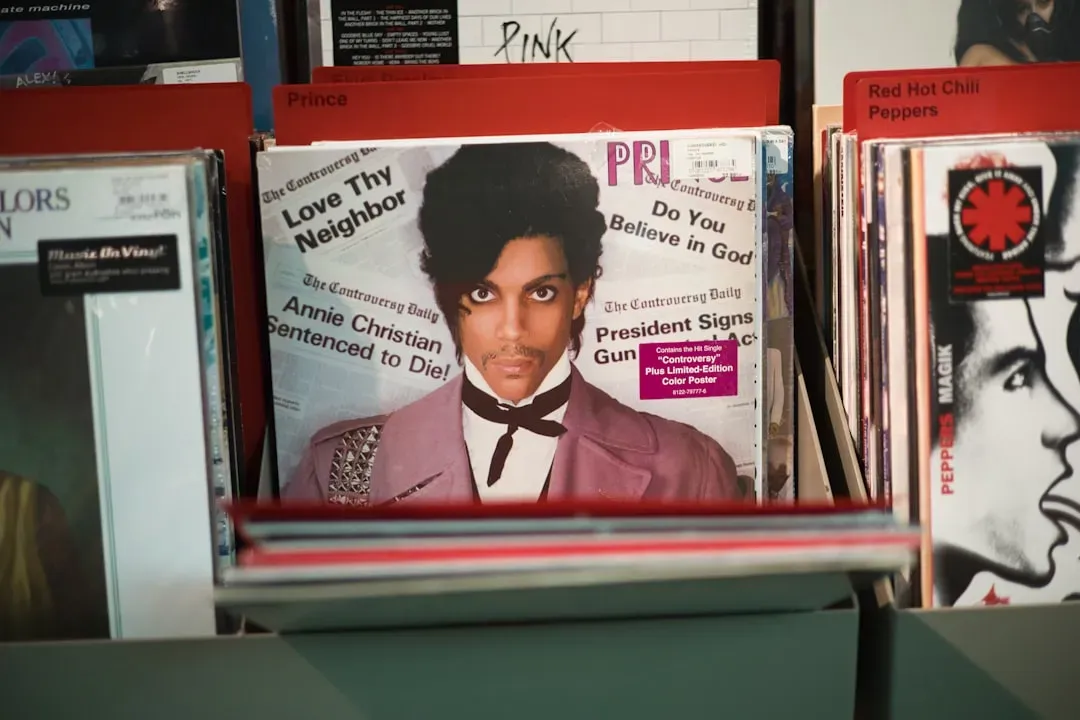
Prince was already one of the most prolific songwriters of his generation, but he still felt the need to disappear behind fake names when writing for other artists. Prince used names like Jamie Starr, or The Starr Company, Joey Coco, Alexander Nevermind, and simply Christopher to separate himself from the music he wrote and produced for others. Each alias served a slightly different purpose, and together they let him flood the airwaves without anyone realizing how much of it traced back to one man in Minneapolis.
As Alexander Nevermind, he wrote Sheena Easton’s 1984 hit “Sugar Walls,” a song that reached No. 1 on the Dance chart and peaked at No. 3 on the R&B chart. As Jamie Starr, he wrote and produced four albums as Jamie Starr and the Starr Company for the Morris Day fronted funk soul band, the Time. He later resurfaced as Christopher to write “Manic Monday” for the Bangles, proving that his invented identities were just as commercially reliable as his real one.
Paul McCartney becomes Bernard Webb
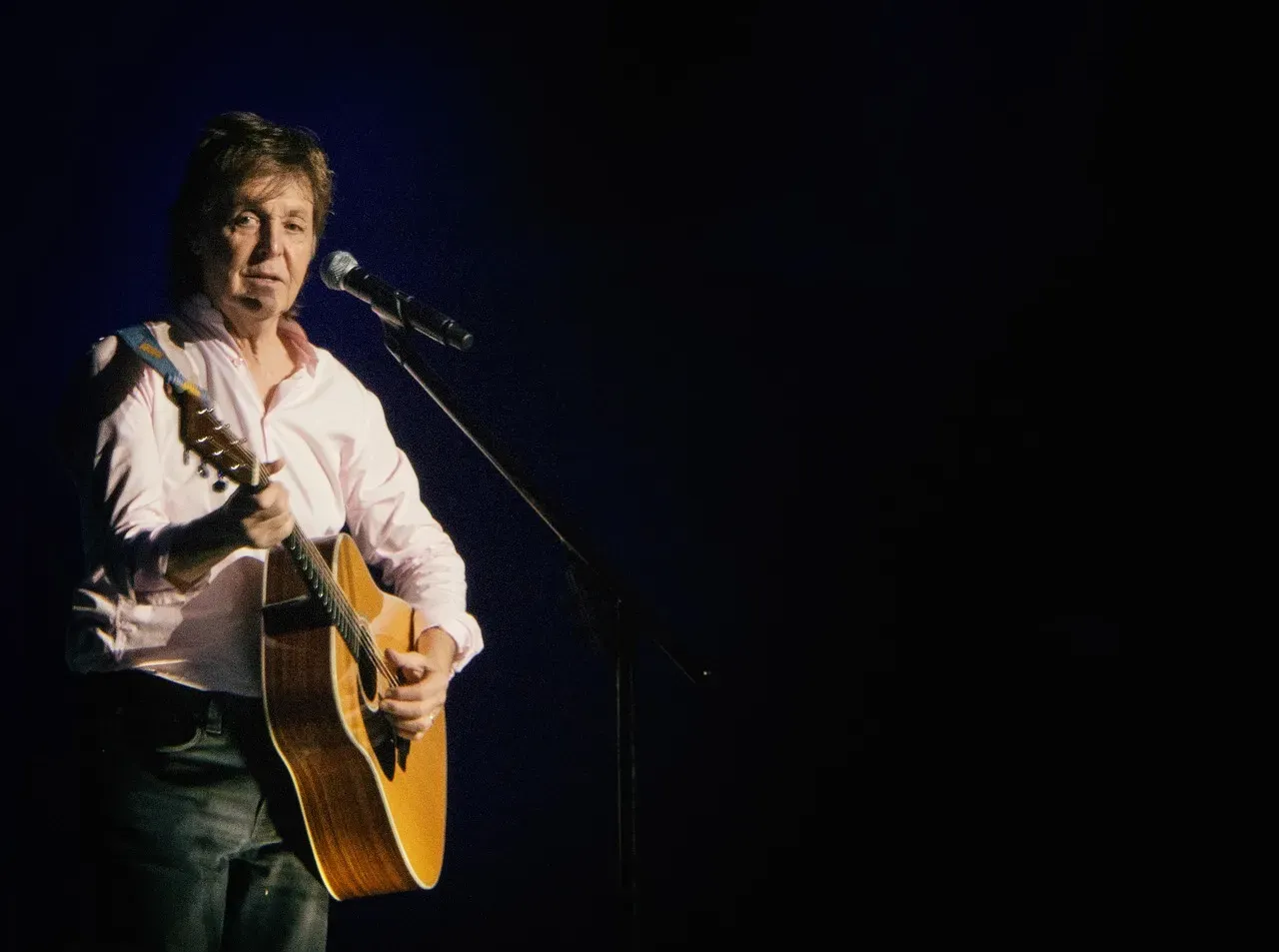
By 1966, Paul McCartney had grown curious about something most songwriters would envy rather than question: whether his name alone was selling records. McCartney intended the song to test whether one of his compositions could be successful based on its own merits without being associated with the hit-making Lennon-McCartney songwriting team. So he handed “Woman” to the duo Peter and Gordon and asked that it carry a made-up name instead.
He settled on Bernard Webb, a name he later admitted he chose simply because it was a very inconspicuous name. The experiment worked, at least commercially: the duo’s single did become a hit, reaching number 14 in the US and number 28 in the UK, but not before its author’s true identity was publicly revealed. Within weeks, fans had figured out that Bernard Webb and Paul McCartney were the same person, and the secret was over almost as quickly as it began.
Bob Dylan’s alter ego, Blind Boy Grunt
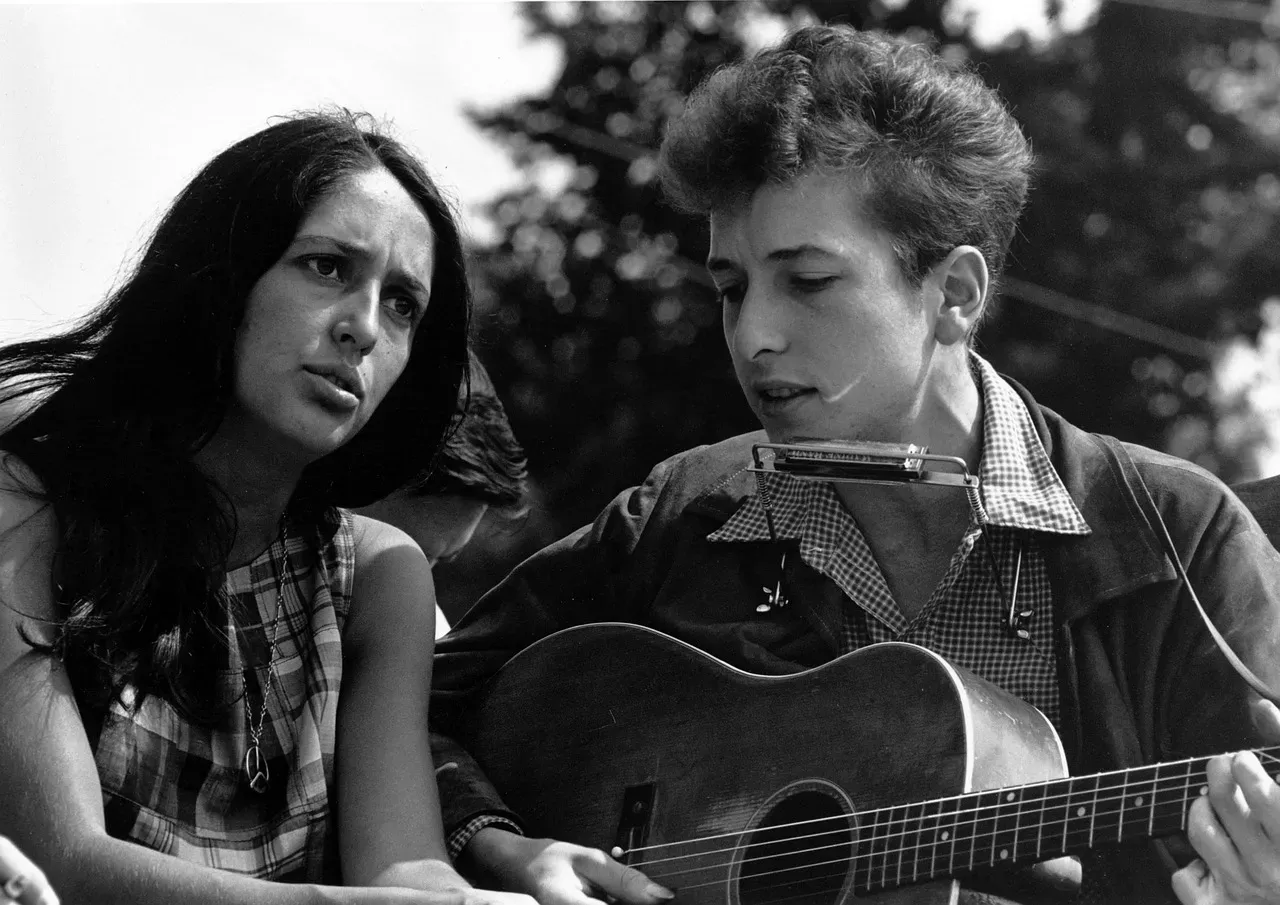
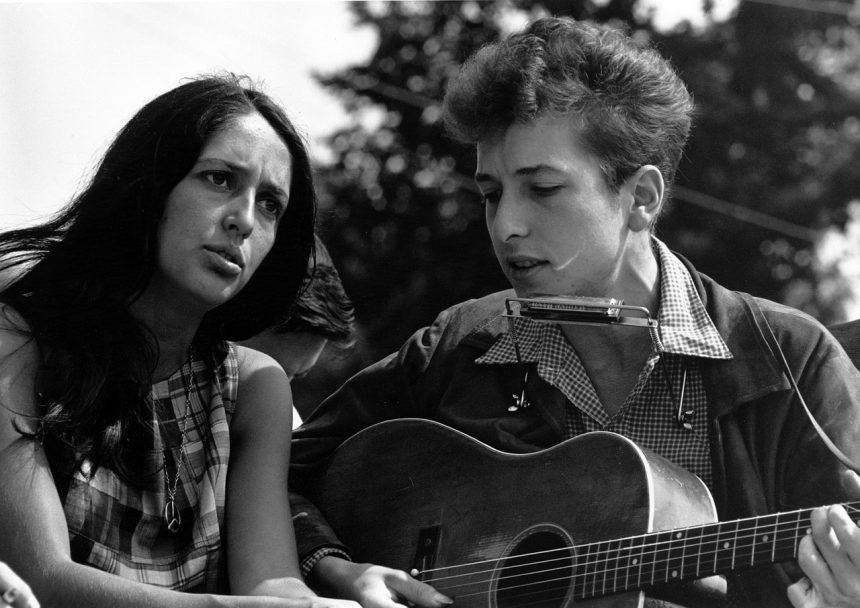
Long before he became a Nobel laureate, Bob Dylan was already juggling identities. Signed exclusively to Columbia Records, he still wanted to contribute to Broadside, the scrappy folk magazine documenting the topical song movement of the early 1960s. Dylan used a pseudonym, “Blind Boy Grunt”, due to contractual issues; he was signed to Columbia Records but Broadside Ballads, Vol. 1 was released by Folkways Records.
The disguise fooled almost no one who actually listened. Even at this early point in his career, it was immediately obvious to anyone who had heard Dylan, and indeed many general folk fans, that Blind Boy Grunt was Dylan under a pseudonym; there was no mistaking his voice for anyone else’s. The name stuck around as an inside joke for collectors, and it turned out to be just the first of several pseudonyms Dylan would use throughout his career, including Bob Landy and Jack Frost.
Partner offer
Terius Nash turns into The-Dream

Not every hidden identity belongs to a legacy act. Terius Youngdell Nash spent years writing songs for other artists before most listeners had any idea who he was, working under a stage name that eventually became more famous than his birth name. Terius Adamu Ya Gesteelde-Diamant, né Youngdell Nash, known professionally as The-Dream, is an American singer, songwriter, and record producer.
Under that alias, he quietly shaped some of the defining pop and R&B records of the 2000s. He continued to write and produce with Christopher “Tricky” Stewart, Laney’s brother, which led to Rihanna’s 2007 hit “Umbrella,” which was nominated for Song of the Year at the 2008 Grammy Awards. He went on to co-write Beyoncé’s “Single Ladies (Put a Ring on It)” and Justin Bieber’s “Baby,” building a body of work that many casual listeners still associate with the artists rather than the man behind the pen name.
Max Martin, the hitmaker hiding behind a stage name
Few songwriters have shaped modern pop as thoroughly as Max Martin, and fewer still have managed to stay so anonymous while doing it. Karl Martin Sandberg, known professionally as Max Martin, is a Swedish record producer and songwriter. The new name came from his mentor rather than himself, born out of a chance meeting in the Swedish music scene of the early 1990s.
As Max Martin, Sandberg wrote or co-wrote songs that defined entire eras of pop, from Britney Spears’s “…Baby One More Time” and the Backstreet Boys’ “I Want It That Way” to later hits for Taylor Swift and The Weeknd. He has deliberately kept a low profile throughout, and his real name is Karl Martin Sandberg, but you would know him as Max Martin, if you know of him at all, which, if he can help it, you won’t. Decades into his career, most radio listeners still have no idea they’ve been humming his melodies under someone else’s name for years.
Dr. Luke’s quiet reinvention behind the scenes
Lukasz Gottwald started out as a guitarist in the Saturday Night Live house band, a modest and mostly anonymous job for a musician who would later shape a decade of pop radio. When he moved into songwriting and production, he did it under the name Dr. Luke rather than his own, a choice that let him build a second career almost entirely out of public view. For years, casual listeners had no reason to connect the credit on the back of a Kesha or Katy Perry single with the guy who used to play rhythm guitar on late night television.
Working as Dr. Luke, Gottwald helped write and produce a run of hits including Kesha’s “Tik Tok” and Katy Perry’s “California Gurls,” records that dominated pop radio in the late 2000s and early 2010s. The name functioned less as a disguise and more as a professional identity, separating his behind the scenes work from the life he led outside the studio. Even after his name became widely known within the industry, plenty of listeners kept assuming Dr. Luke was simply a nickname rather than the primary identity of the person actually writing the songs.
These six cases span folk clubs, glam metal bands, and network television studios, yet they share the same basic instinct: sometimes a songwriter wants the work judged on its own terms, free of whatever baggage their real name carries. The pseudonyms rarely lasted as intended, but the songs themselves stuck around long after the secret got out.Partner offer
Planning a trip to Vegas?
Compare hotel rates and show tickets on VEGAS.com.