There’s a particular kind of magic in watching a film set decades ago and never once questioning whether the diner, the barbershop, or the porch swing belongs there. That illusion doesn’t happen by accident. Behind every convincing mid-century Main Street is a location scout who spent weeks, sometimes months, driving back roads, poring over historic photographs, and negotiating with homeowners who have no idea their front yard is about to become 1957.
It starts with a script breakdown, not a road trip
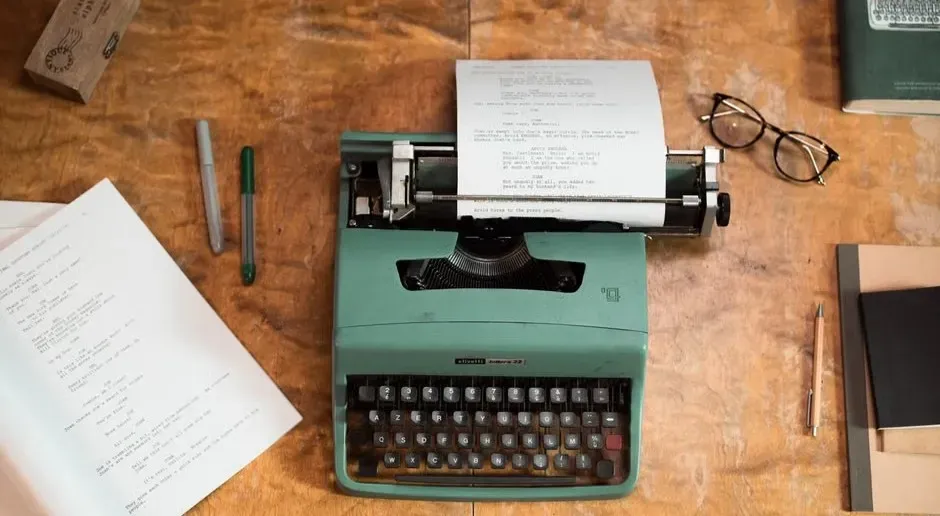
Long before anyone drives anywhere, the location department sits down with the screenplay and builds a list of every setting the story needs. There are some basic steps in location scouting, and the first is a script breakdown, where the location department goes through the script to determine every place they need to find. For a 1950s project, that breakdown gets annotated with era-specific flags: no visible cell towers, no modern signage, no vinyl siding.
This early paperwork matters more than people assume. A typical script might call for around 40 locations, though some productions can require well over 100. Multiply that by the added difficulty of finding places that already look historically correct, and the scouting phase becomes a research project as much as a road trip.
Scouts lean on towns that never modernized their downtowns
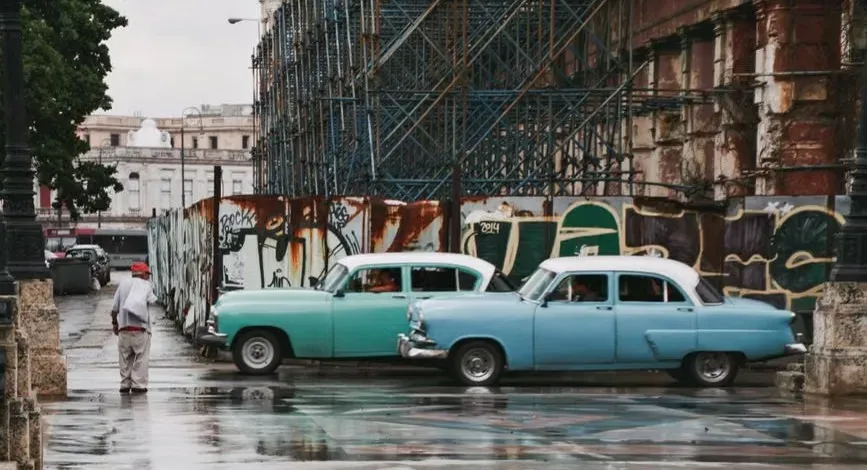
The easiest 1950s towns to fake are the ones that simply stopped changing. Small municipalities that lost population or economic momentum decades ago often kept their original brick storefronts, cast iron streetlamps, and narrow sidewalks intact, mostly because nobody had the money to tear them down and rebuild. That accidental preservation is a gift to production designers.
Scouts specifically look for towns where zoning laws or historic district status prevented big-box development from creeping into the center. A single modern gas station canopy or a strip mall sign can wreck an otherwise perfect block, so scouts prioritize places where that kind of intrusion simply never happened.
Utah, Georgia, and small-town America keep showing up for a reason
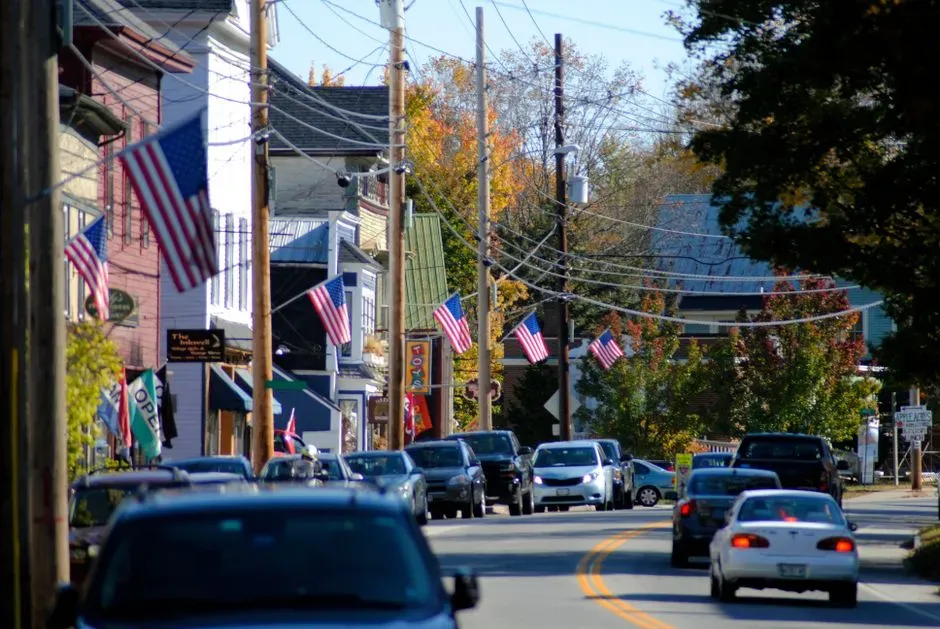
Certain regions have built reputations as reliable stand-ins because their architecture survived intact and local governments actively court film crews. Utah County towns have architecture that still feels like a 1950s American small town, which is part of why location scouts have chosen the area over towns with more historically accurate but less camera-ready streets. The logic is blunt but honest: film truth and geographic truth don’t always overlap, and scouts will pick the town that photographs correctly over the one that’s technically accurate.
Georgia has become one of the most active production states in the country, and its small towns benefit directly. Georgia leads the 2026 film tax incentive landscape with no annual cap and fully transferable credits, plus a new post-production credit that took effect in January 2026. That financial pull means more scouts are actively cataloging Georgia’s rural courthouses and Main Streets than almost anywhere else in the country right now.
State tax incentives quietly decide which towns get discovered

Money shapes geography in this business more than nostalgia does. California opened its Tax Credit Program 4.0 in 2026, increasing the state’s base credit to 35 percent, with a refundable credit ranging from 35 to 45 percent and up to 40 percent for relocating TV series in their first year. When a state raises its incentive rate, location managers start scouting there more aggressively, because producers follow the rebate.
Other states have entered the competition recently in ways that open new period-friendly territory. Iowa and Wisconsin re-entered the market in 2025, offering 30 percent production tax credits and opening new location options for nimble productions. A scout working a 1950s farm-town script now has fresh incentive-backed options in the Midwest that weren’t practical five years ago.
Anachronism removal is the unglamorous heart of the job
Finding a town that looks right on the surface is only step one. The harder work is stripping away everything that gives away the current decade, block by block, sign by sign.
On 1997’s L.A. Confidential, set in the 1950s, location manager John Panzarella was responsible for what’s called anachronism removal, including changing modern double yellow road stripes to the double white stripes used in 1950s Los Angeles, which required getting permission everywhere the crew went. Crews also took down satellite dishes, removed garbage cans from the streets, and pulled security bars off windows, because everywhere they went had to be made perfect period 1950s. That same painstaking process still applies today, just with different modern intrusions to erase: solar panels, ring doorbells, EV charging stations.
Small businesses and homeowners become unlikely partners
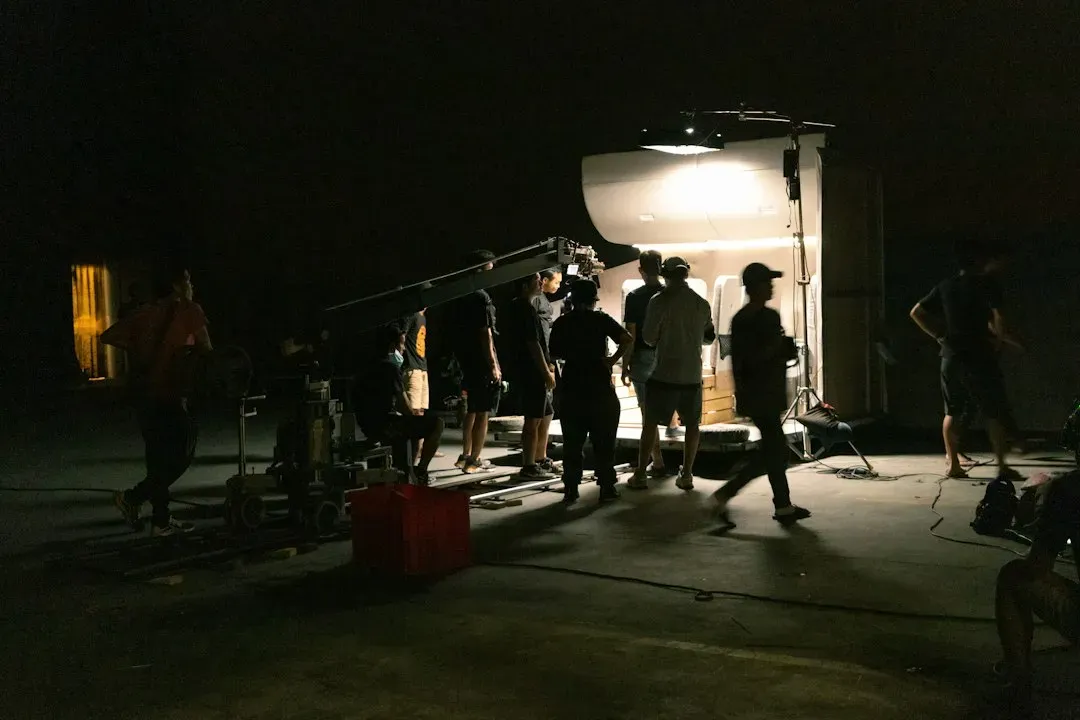
A convincing 1950s block usually isn’t one property, it’s a negotiated collection of them. Scouts have to secure permission not just from the building that appears on camera, but from every neighboring resident and business owner whose property falls in the frame or along the crew’s path.
Partner offer
A location manager’s job includes setting up parking, making arrangements with all the neighbors, making the deals with the places they’re going to be filming, and then coordinating the entire crew so everybody plays nice together. For a period piece, that negotiation often includes asking a shop owner to temporarily remove a modern awning or cover a plastic sign with a hand-painted period replica, which isn’t a small ask for someone trying to run a business.
Sound stages and old backlots still fill in the gaps

Not every 1950s scene can be found on a real street, and some productions still lean on constructed sets when a location can’t offer full control. In the past, even the biggest epics were shot on studio backlots, with iconic sets like Gone With the Wind’s Tara plantation made entirely of plywood and papier mache. That approach has faded but never disappeared entirely, especially for interior scenes or moments requiring precise period detail that no real building can offer.
Historic movie ranches also carry decades of built-in period infrastructure. Parks like Corriganville were popular filming locations from the 1930s to the 1960s, and the surrounding Santa Susana Pass area contains many sites seen in movies and especially 1950s television westerns. Scouts working on shows with a western or rural 1950s setting still visit these areas because the topography and remaining structures have already done half the work.
Weather, light, and season narrow the list further

Even a visually perfect town can fall apart if the environment doesn’t cooperate. Environmental factors such as climate, season, weather conditions, ambient noise, and natural light are all factors a production must be prepared to circumvent, since the quality of a scene can be affected by limited natural light in fall or winter. A town that reads as sun-bleached 1950s Americana in July might look wrong entirely under gray November skies, so scouts often revisit finalists across different seasons before locking a decision.
Busy streets bring their own complications that have nothing to do with appearance. Locations based on a busy street, town, or city raise different problems, such as whether shadows from nearby buildings will fall on actors or whether sound quality will be affected by a busy intersection. A period town might look flawless in photos yet prove unworkable once someone accounts for a nearby highway’s traffic noise bleeding into every take.
Britain’s villages solve the problem in their own way
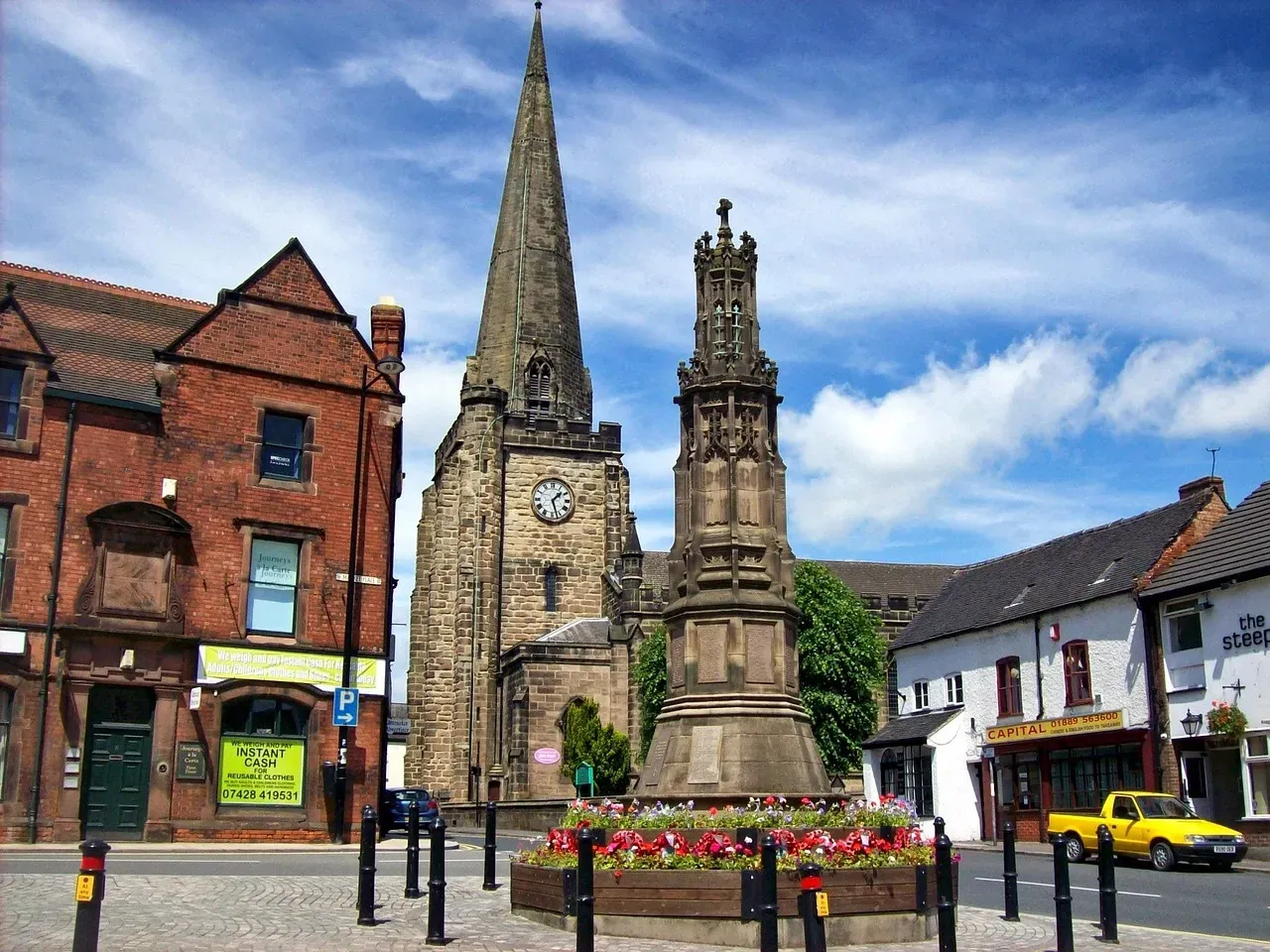
The search for convincing 1950s settings isn’t unique to America. British productions rely heavily on villages that retained their older architecture through strict planning controls, and these towns have become dependable period stand-ins for decades of television.
The BBC series Father Brown, set in the 1950s, is filmed largely in the village of Blockley, which doubles as the fictional Kembleford, with the local Church of St Peter and St Paul standing in for the parish church. Similarly, Call the Midwife tells stories of midwives working in 1950s and 60s London, but the series is actually filmed in Kent, with Chatham Dockyard transformed into 1950s East London for many of its shoots. These villages tend to have local heritage groups who understand exactly why a production wants their street closed for a week, which smooths a process that can otherwise take months of negotiation elsewhere.
The final choice usually comes down to a compromise
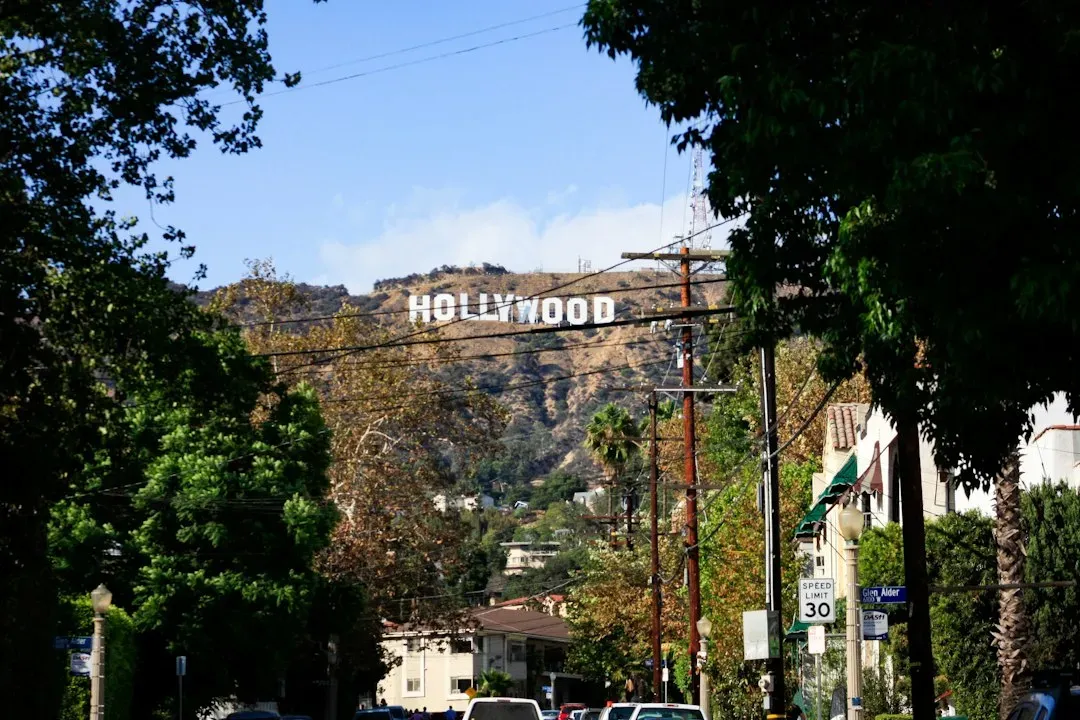
By the time a location manager presents finalists to a director, the list has already been filtered through history, incentives, weather, and neighbor cooperation. What’s left rarely matches the script’s description perfectly. Instead, it’s the town that comes closest while requiring the fewest expensive fixes, since every added anachronism removal or set dressing note adds cost and time to an already tight schedule.
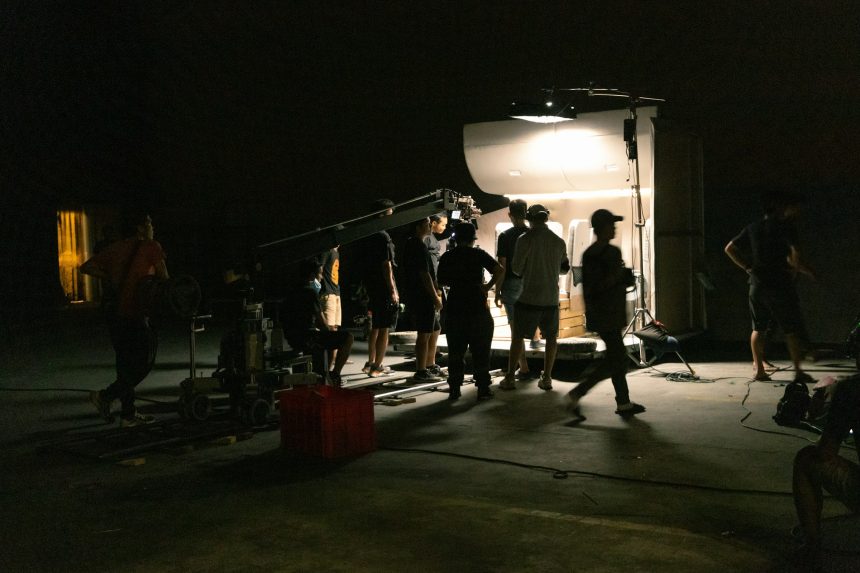
A location manager typically completes a preliminary scout to assess the overall condition of a location, then organizes a technical scout for department heads once a shortlist is ready. Only after that technical scout confirms the town can actually support cameras, lighting rigs, and a full crew does the 1950s illusion become something a director can commit to filming.
The quiet skill behind believable nostalgia
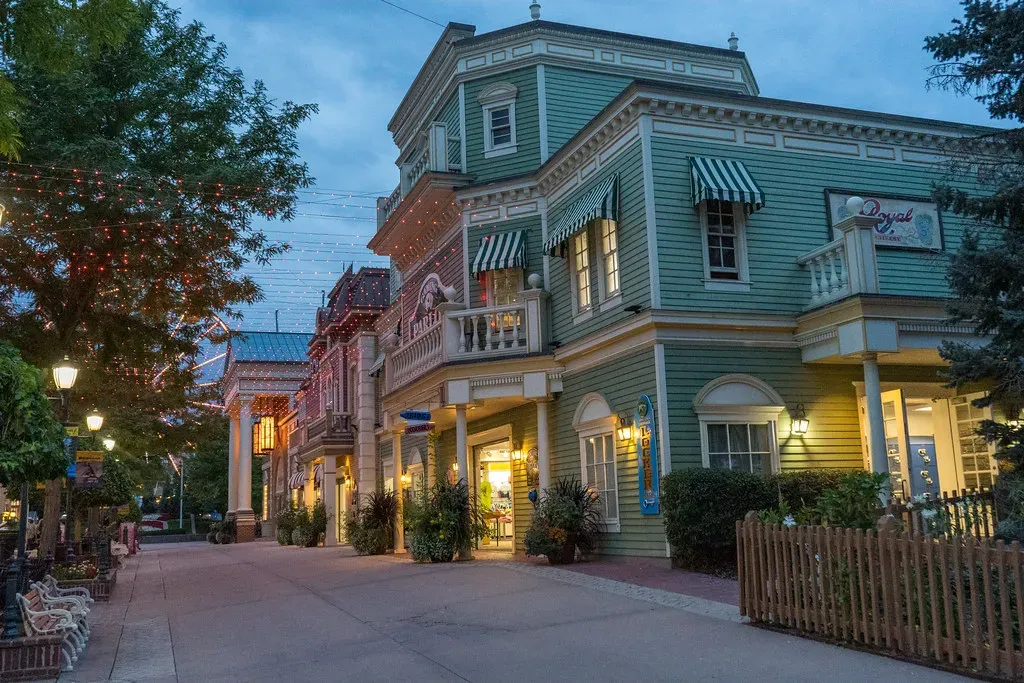
What makes this work impressive isn’t glamour, it’s patience. Finding a town that can pass for 1950s America or Britain means understanding zoning history, tax law, weather patterns, and small-town politics all at once, then convincing dozens of strangers to let a film crew rearrange their street for a few days. The towns that end up on screen rarely set out to become time capsules. They just happened to stay still long enough for someone with a clipboard and a camera to notice.
Partner offer
Planning a trip to Vegas?
Compare hotel rates and show tickets on VEGAS.com.