There’s something particular about growing up in the 1980s when it came to watching movies. You didn’t need a streaming service or a recommendation algorithm. You needed a Saturday afternoon, a working VCR, and one of a handful of films that seemed to rotate endlessly across cable channels and living room TVs across the country. The same titles came back again and again, until every line of dialogue was practically memorized.
While the blockbuster may have been born in the ’70s with hits like Jaws, Star Wars, and Alien, the ’80s was where the movie franchise truly flourished. The decade produced a specific kind of crowd-pleasing magic, a blend of adventure, comedy, and heart that made certain films impossible to ignore. These eight in particular never really left the TV screen.
Back to the Future (1985)
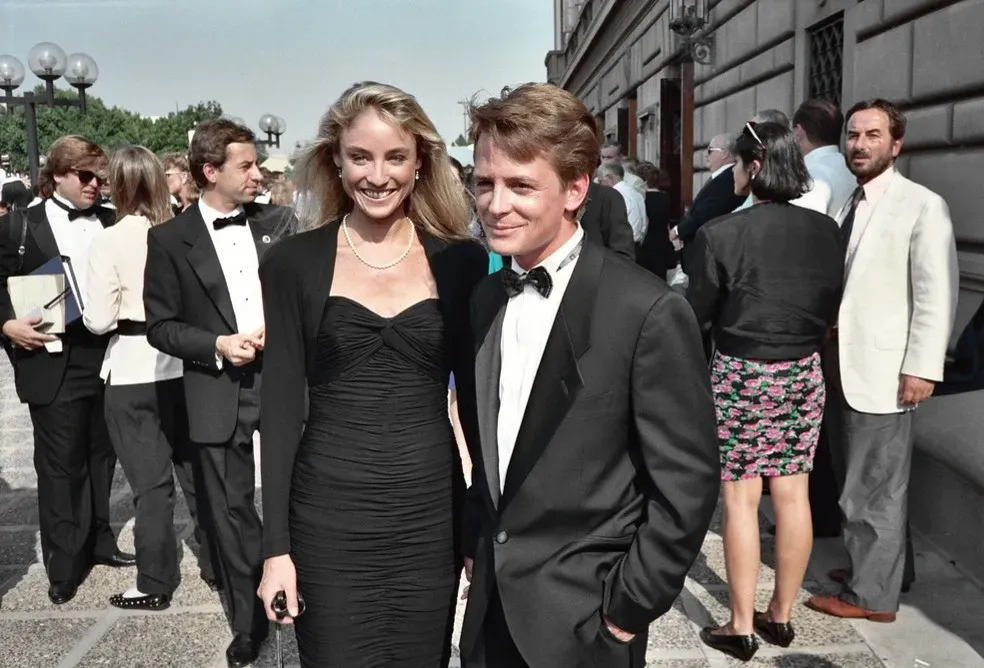
You can’t think of the 1980s and not think about “Back to the Future.” The movie helped define the decade, and it’s still regarded as one of its greatest blockbusters. Robert Zemeckis directed the time-travel comedy with Michael J. Fox as Marty McFly, a teenager accidentally sent thirty years into the past in a DeLorean built by his eccentric scientist friend. The premise was simple enough to explain to anyone in one sentence, and just complex enough to keep you watching every time.
Several publications have named it as one of the best science fiction films ever made, and one of the best films of the 1980s. Popular Mechanics and Rolling Stone listed it as the number one and number four best time-travel film ever made respectively. Robert Zemeckis’ Back to the Future is a time travel story done right, and in style. Need I remind you of the DeLorean time machine? The narrative follows a teenager, Marty McFly, who accidentally travels 30 years into the past and jeopardizes his existence in the present by meddling with his parents’ relationship. Few films have had that kind of rewatchability baked so deeply into their bones.
Ghostbusters (1984)
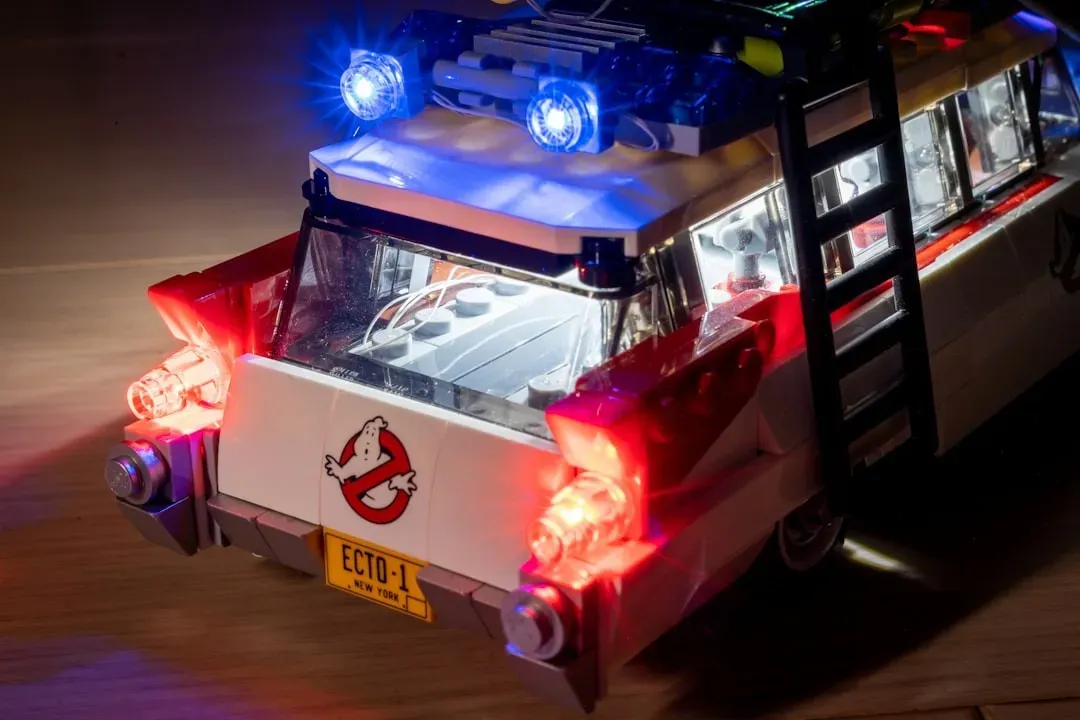
Ghostbusters was released on June 8, 1984, by Columbia Pictures, to critical acclaim and became a cultural phenomenon. It was praised for its blend of comedy, action, and horror, and Murray’s performance was often singled out for praise. It earned at least $282 million worldwide during its initial theatrical run and was the second-highest-grossing film of 1984 in the United States and Canada, and the then-highest-grossing comedy ever.
It was the number-one film in US theaters for seven consecutive weeks and one of only four films to gross more than $100 million that year. Further theatrical releases have increased the worldwide total gross to around $370 million, making it one of the most successful comedy films of the 1980s. In 2015, the Library of Congress selected it for preservation in the National Film Registry. Few movies can instantly transport ’80s kids back to their childhoods quite like “Ghostbusters.” This was the cultural phenomenon of the time, complete with iconic merchandise like the Proton Pack.
E.T. the Extra-Terrestrial (1982)

E.T. the Extra-Terrestrial follows an alien who befriends a lonely boy, Elliot, and must avoid authorities while returning home. Directed by Steven Spielberg, the film stars Henry Thomas and Drew Barrymore. It developed into a cultural phenomenon, shaping sci-fi storytelling and becoming the decade’s top-grossing film. There was something about the film’s emotional simplicity that made it land with kids in a way few movies ever have.
Spielberg really understands how to capture a sense of childhood wonder here, and his sentimental side is perfectly utilized because something like E.T. the Extra-Terrestrial should be sweeping and sentimental. It’s a beautiful and endearing film in just about every way, and while you might not feel personally nostalgic for the early 1980s, this movie will inspire nostalgic feelings about your own childhood, whenever that was; it’s pretty much guaranteed. It’s the kind of film that worked on grandparents and six-year-olds alike, which explains why it never seemed to leave the schedule.
The Goonies (1985)

The Goonies is a comedy about a group of kids in Astoria, Oregon, who find a treasure map and embark on a quest to save their neighborhood. Directed by Richard Donner, it stars Sean Astin as Mikey and Josh Brolin as Brand. Its humor, thrills, and central friendship theme made it an instant ’80s family favorite that remains a movie-night staple to this day.
Partner offer
The Goonies and Back to the Future are the gold standard for ’80s family movies. The film had a specific energy that felt like it was made by people who actually remembered being a kid. No other movie quite captured that feeling of running around with your friends believing something genuinely extraordinary was possible. It was also one of those rare films that felt equally exciting whether you were watching it for the first or the fifteenth time.
The Karate Kid (1984)

The Karate Kid is an inspirational martial arts drama that resonated deeply with audiences of the 1980s. Directed by John G. Avildsen, who had previously captured the underdog spirit with Rocky, this 1984 film stars Ralph Macchio as Daniel LaRusso, a teenager who learns about life, love, and karate from the wise Mr. Miyagi, played by Pat Morita in an Oscar-nominated performance.
Every film on this list exudes the culture and spirit of the 1980s, even if ones like Ghostbusters and Karate Kid have lived on decades later. Netflix’s legacy sequel and spin-off of The Karate Kid, Cobra Kai, is a huge hit, with another installment in the franchise on the way. That speaks to just how deeply The Karate Kid lodged itself in the collective memory of an entire generation. The wax-on, wax-off rhythm of the film felt like it had something real to say, and it delivered it through a story that was genuinely fun to watch unfold.
The Breakfast Club (1985)

John Hughes’ The Breakfast Club stands as a cultural touchstone for the 1980s, capturing both the angst and quiet optimism that defined a generation of teens. The film’s diverse cast of high school archetypes – athlete, brain, criminal, princess, and basket case – transcended stereotypes, revealing the complexity and vulnerability beneath the surface. By fostering empathy and understanding across social divides, the movie not only resonated with audiences but also reshaped the entire teen film genre for decades to come.
The Breakfast Club remains one of the most popular movies of 1985, grossing $51.5 million domestically. Its soundtrack reached No. 17 on the Billboard Hot 100 while the movie’s nearly-synonymous theme song, “Don’t You (Forget About Me)” by Simple Minds, reached No. 1, catapulting the picture’s status into the realm of cultural phenomenon. For any kid who ever felt misunderstood, it played like a small revelation. It showed up on cable constantly, and somehow it still felt personal every time.
Ferris Bueller’s Day Off (1986)

With infectious charm and wit, Ferris Bueller’s Day Off perfectly encapsulates the thrill of youthful rebellion and the pursuit of freedom. Ferris’s audacious adventures through Chicago turned him into a cultural icon, representing the carefree teenage spirit that so many viewers longed for. Released by Paramount Pictures on June 11, 1986, the film became the tenth-highest-grossing film of 1986 in the United States, grossing $70.7 million over a $5 million budget. The film received generally positive reviews from critics and audiences alike, who praised Broderick’s performance, and the film’s humor and tone.
In 2014, the film was selected for preservation in the United States National Film Registry by the Library of Congress, being deemed “culturally, historically, or aesthetically significant.” Hughes’ success lay in his ability to simultaneously respect the universal conflicts and longings of his almost painfully ordinary adolescents, and find the humour within them. Ferris Bueller’s Day Off celebrates the importance of seeking joy in life, as Ferris’s rebellious intelligence charms everyone around him. If a Saturday afternoon happened to have nothing better on, Ferris was always enough.
Dirty Dancing (1987)
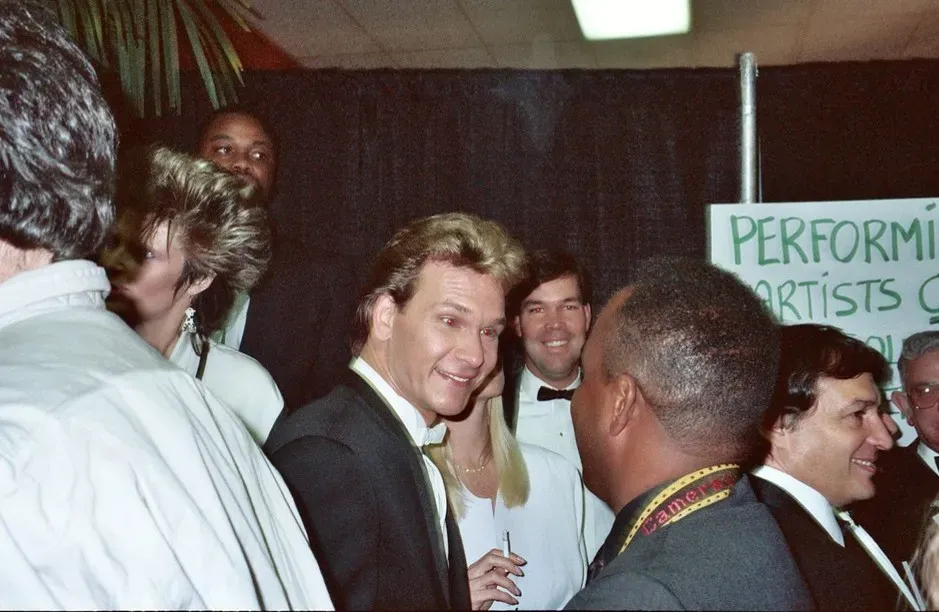
Dirty Dancing is a romantic drama film about Frances “Baby” Houseman, played by Jennifer Grey, who falls for poor dance instructor Johnny Castle, played by Patrick Swayze, during a summer vacation in 1963. Directed by Emile Ardolino, the cult classic blends music and dance with an endearing coming-of-age story. Dirty Dancing struck a chord with audiences by blending themes of class conflict, youthful rebellion, and forbidden romance into a vibrant coming-of-age story. The chemistry between Baby and Johnny, set against unforgettable dance numbers and a timeless soundtrack, captured the spirit of late ’80s pop culture.
Emile Ardolino’s Dirty Dancing is a quintessential ’80s love story between a young woman and her dance instructor during a summer trip with her family. From elaborate choreography to songs that dominated the charts for months to the electrifying chemistry between Patrick Swayze and Jennifer Grey, Dirty Dancing was a hit for all the right reasons. It never felt like just a dance film or just a love story. It was both at once, and that combination made it the kind of movie you could stumble upon mid-scene and still end up watching straight through to the end.
Partner offer
Planning a trip to Vegas?
Compare hotel rates and show tickets on VEGAS.com.