Hollywood has always had a soft spot for rock stars. Casting directors love the built-in charisma, the tabloid buzz, the sense that a musician might bring something raw to the screen that trained actors can’t fake. Yet for every crossover success story, there’s a quieter tale of a role that got away, sometimes by choice, sometimes by circumstance. What follows are six documented cases where a musician sat close enough to a major film role to touch it, only to walk away or watch it slip past them entirely. Some of these near-misses changed the shape of iconic films. Others simply became footnotes that fans still argue about decades later.
David Bowie and the James Bond villain he walked away from
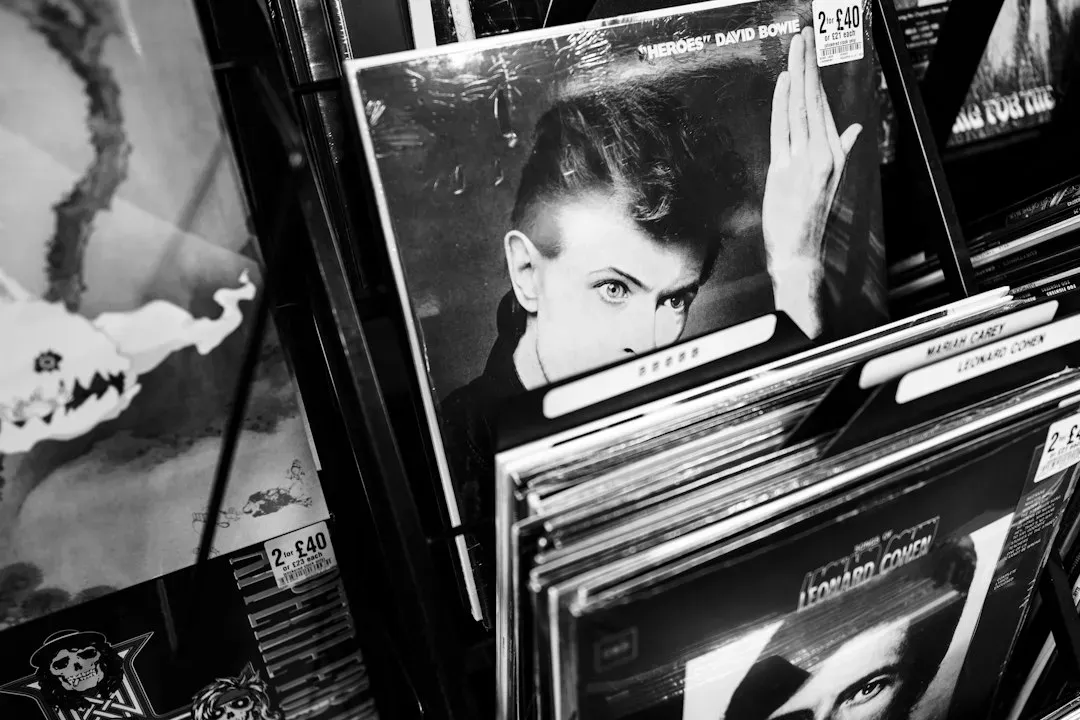
In the early 1980s, producers behind the Bond franchise wanted a villain who felt like he belonged to the MTV generation, and David Bowie fit the brief almost too perfectly. Bond producers Albert ‘Cubby’ Broccoli and Harry Saltzman called for a script and a villain who would satisfy the needs of the MTV generation, and for their next movie, A View To A Kill, writers were commissioned to create a villain based on a rock star. Bowie was cast as Max Zorin, and he was even announced for the film when the publicity cycle started a year before the film’s release.
Then he simply pulled out. In 1984, Bowie told NME, “Yes, I was offered that. I think for an actor it’s probably an interesting thing to do. But I think that for somebody from rock it’s more of a clown performance. And I didn’t want to spend five months watching my double fall off mountains.” Christopher Walken ended up taking the role, and the year after A View to a Kill hit cinemas, Bowie instead starred as the Goblin King in Labyrinth, confirming himself as every bit the trained actor he was.
Elvis Presley and the Barbra Streisand film he lost to money and pride
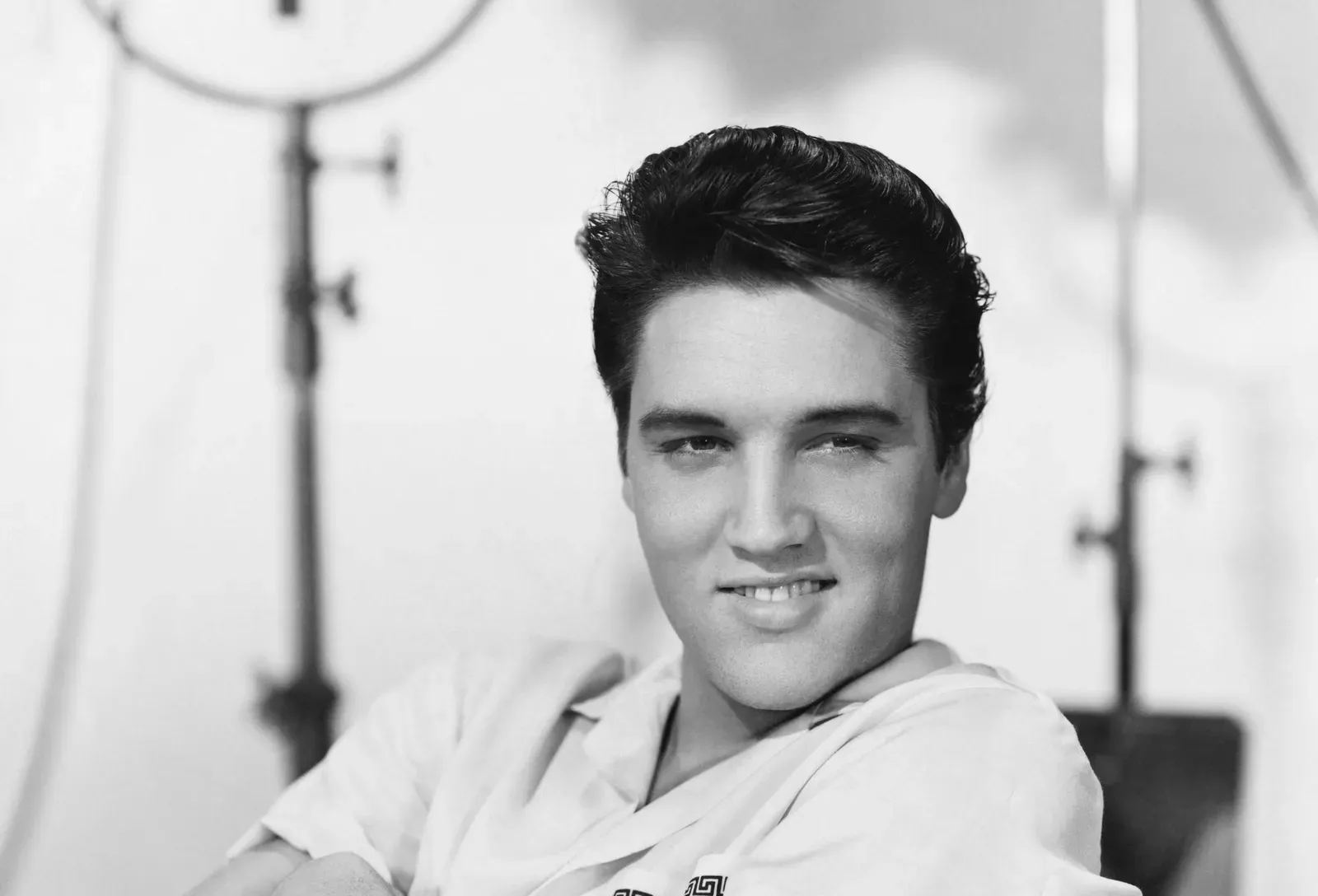
Few missed opportunities in music history get discussed as often as Elvis Presley’s brush with A Star Is Born. Elvis was considered for the lead role opposite Barbra Streisand in the 1976 remake by the screen legend and her then-partner and co-producer Jon Peters. He wasn’t lukewarm about it either. He was so excited about the prospect of being a genuine, respected actor, moving away from the fluffy movies he’d become trapped in.
The deal collapsed under the weight of his manager’s demands. Warner Brothers and Streisand’s production company offered Elvis 500,000 dollars plus 10 percent of net profits, while Colonel Parker countered by asking for a 1 million dollar salary and 50 percent of the gross profits. Kris Kristofferson eventually took the part, and years later Priscilla Presley confirmed the toll it took on Elvis, telling People that Barbra had offered him the part, but Colonel talked him out of it, saying it wasn’t going to be good, that she would be in charge, not him, her movie, not his.
Mick Jagger and the Kubrick classic the Beatles campaigned for
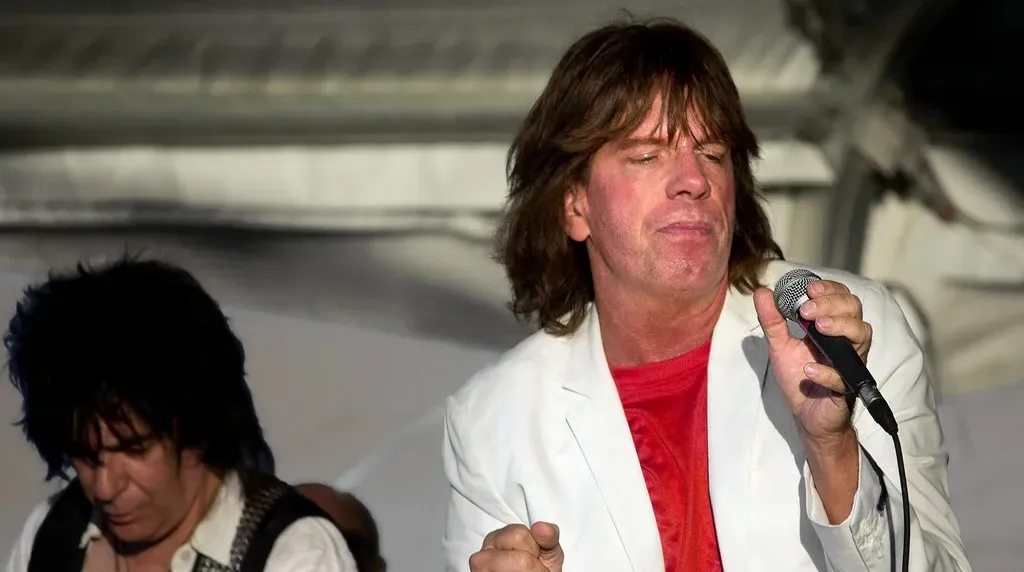
Long before Malcolm McDowell became synonymous with A Clockwork Orange, Mick Jagger had his sights set on the role of Alex, and he had famous friends willing to fight for it. In February 1968, Jagger’s famous friends, including John Lennon, Paul McCartney, Ringo Starr, George Harrison, Marianne Faithfull and Anita Pallenberg, sent an autographed petition to screenwriter Terry Southern, implying that Southern should cast Jagger instead of David Hemmings in the lead role. Jagger had even bigger plans for the production. He envisioned the Rolling Stones portraying Alex and his droogs, with the Beatles offering their services for the film’s soundtrack.
None of it came together. Legal trouble with British censors stalled the original screenplay, and Stanley Kubrick eventually secured the rights and cast Malcolm McDowell in the role instead. Malcolm McDowell himself later confirmed the story had substance, recalling that he and Jagger once sat talking because Jagger wanted to play Alex, and that before Kubrick got hold of the property, Mick Jagger and the Stones wanted to do it.
Sting and the Bond villain role that circled back to him
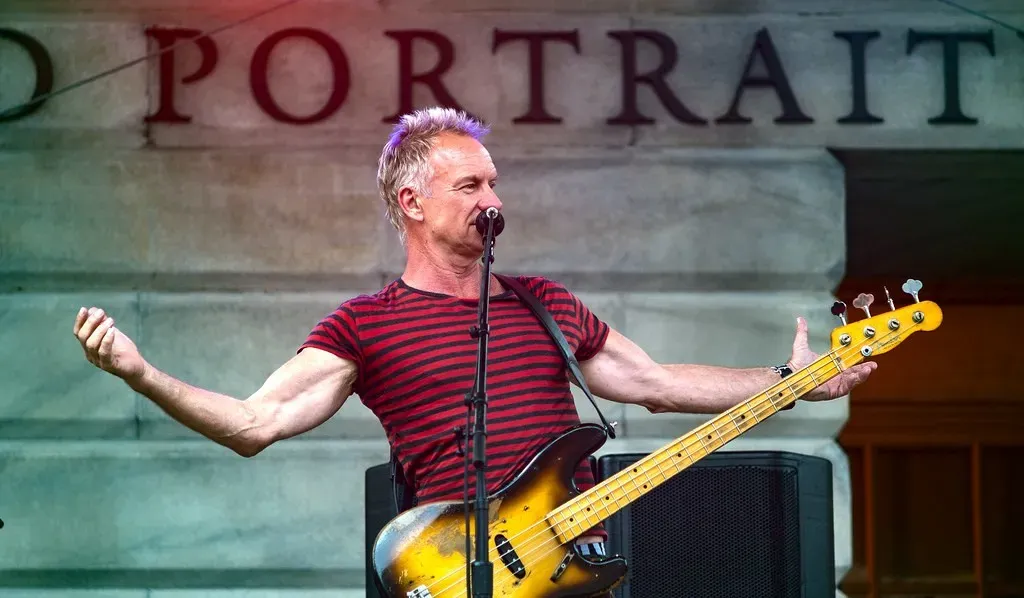
Sting’s name gets tangled up with the same Zorin role that Bowie eventually declined, and the timeline depends on who’s telling the story. Bowie wasn’t the only music megastar approached about joining the Bond series, with Sting and even Mick Jagger being offered the role of Zorin too, though it never came to fruition. One version of events suggests the rumor was that Sting, who had just gone solo after the dissolution of The Police, had turned it down first, leading producers to offer the part to Bowie.
A separate account flips the order entirely. According to this telling, once Bowie declined, the producers turned to another blond rocker, Sting. Whichever version is accurate, the outcome stayed the same. Sting never appeared in a Bond film, and the role of Zorin having been turned down twice, the producers seemingly keen to hire a musician eventually settled for casting Grace Jones as the villain’s lover and henchwoman, May Day.
The Beatles and the Lord of the Rings adaptation Tolkien never allowed
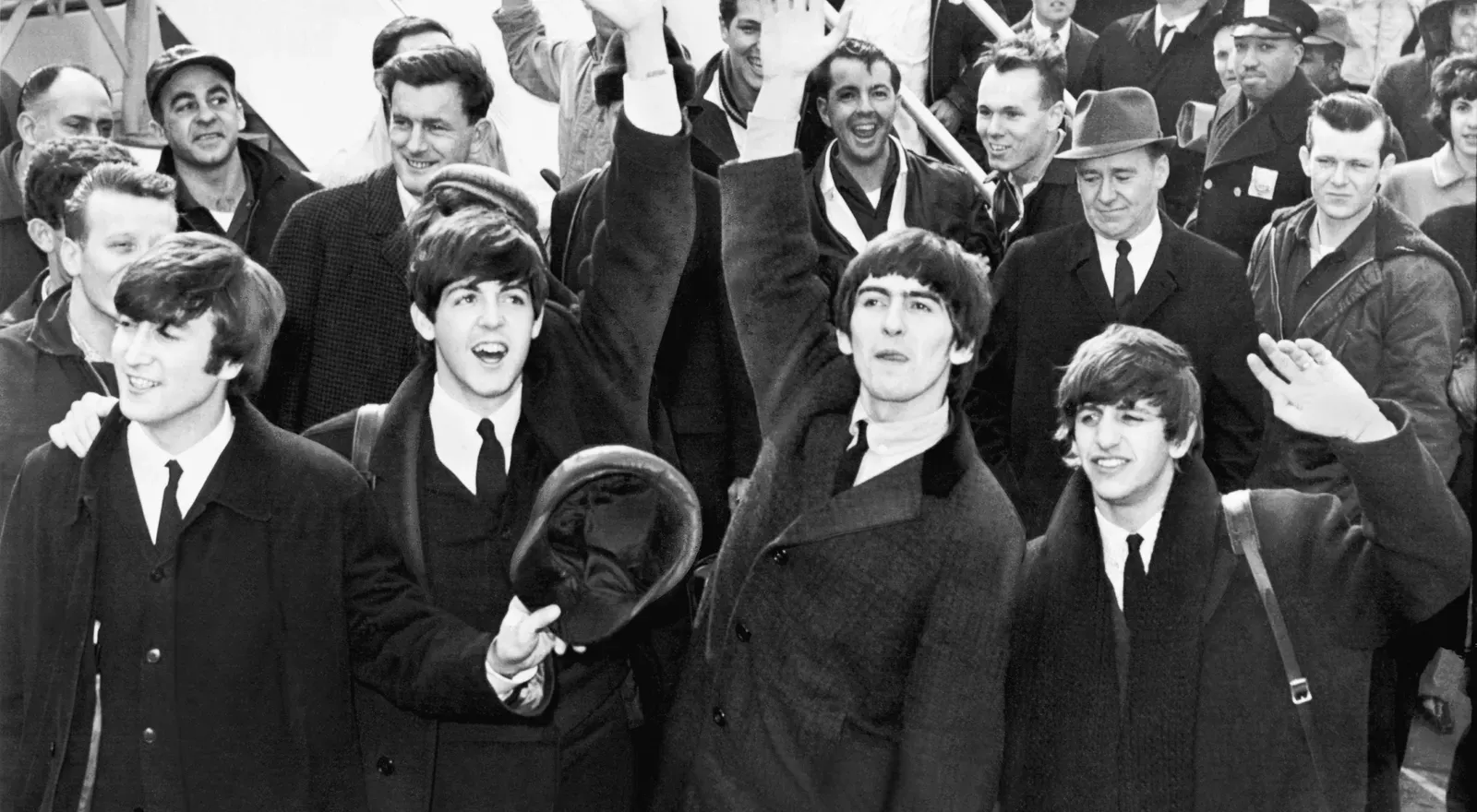
This one sounds almost too strange to be real, yet it’s one of the more solidly documented near-misses in film history. The Beatles wanted to star in an adaptation of J. R. R. Tolkien’s Lord of the Rings, with the four members set to play four main characters and provide the backing soundtrack. They even knew exactly who would play whom. Paul was going to play Frodo, George was going to play Gandalf, John was Gollum, and Ringo was Sam.
The band reportedly wanted Stanley Kubrick to direct, but he wasn’t interested. In 1968, the Fab Four lobbied for Kubrick to direct them in the adaptation, but the director refused, calling the material unfilmable. Tolkien himself was never on board either, since the project was dead on arrival, as Tolkien had no interest in allowing rock stars to adapt his work. Peter Jackson later confirmed the story firsthand after discussing it with Paul McCartney during production of The Beatles: Get Back documentary, learning that the pitch to Kubrick had genuinely happened.
Harry Styles and the Elvis biopic role that went to Austin Butler
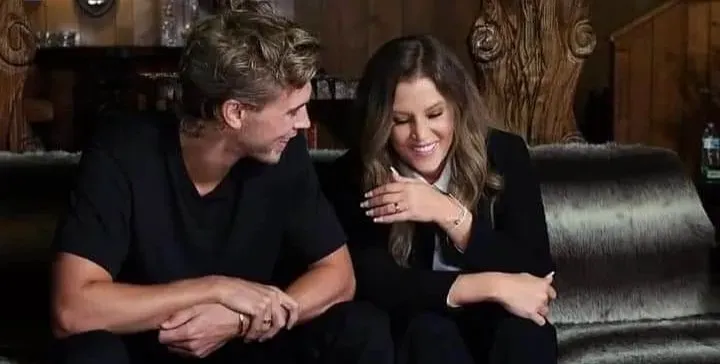
More recent film history offers its own version of this pattern. Before Baz Luhrmann settled on Austin Butler to play Elvis Presley in his 2022 biopic, Harry Styles was widely reported to be among the most seriously considered names for the part, having met with Luhrmann and reportedly come close to landing the role during the film’s long casting process. The former One Direction singer ultimately did not take the part, and the role went to Austin Butler instead, whose performance earned him an Academy Award nomination.
It’s a fitting bookend to the Elvis story that opened this list decades earlier, this time with a modern pop star standing where Elvis himself once stood, weighing whether to step fully into a dramatic film role. Styles has continued to take on select acting projects since, including Don’t Worry Darling and My Policeman, suggesting the door to further film work remains open even without the Elvis role attached to his name.
Taken together, these six stories say something about how fragile film casting really is, and how often a single phone call, contract dispute, or gut feeling reroutes a movie’s entire identity. Christopher Walken, Kris Kristofferson, Malcolm McDowell, and Austin Butler all built defining moments in their careers out of roles that other, arguably more famous names walked past. The musicians on this list didn’t lose anything exactly, since most went on to thrive in music and, in several cases, in film roles they did choose. Still, it’s hard not to wonder how differently a handful of classic movies might have looked with a rock star standing where the credited actor eventually stood.