Behind some of the most beloved names in publishing history sits a quieter figure: the person who actually typed the words. Ghostwriting has shaped popular fiction for nearly two centuries, from Gothic thrillers to teenage detective series, yet the writers responsible rarely saw their names on the cover. Some accepted anonymity as part of the job. Others fought bitterly, and sometimes successfully, to be acknowledged decades later.
This list looks at nine real cases where a ghostwriter’s labor built a bestselling brand while the credit, and often the fortune, went somewhere else. Their stories say a lot about how the publishing industry has historically treated the people who do the writing.
1. Auguste Maquet, the Uncredited Co-Architect of Alexandre Dumas’ Classics
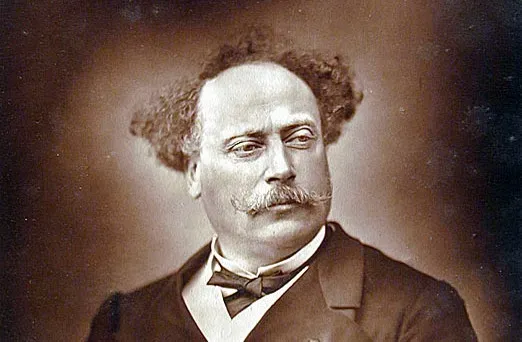
Alexandre Dumas is remembered as the sole genius behind The Three Musketeers and The Count of Monte Cristo, but the historical record tells a messier story. Maquet and Dumas actually began writing novels together, but Maquet’s name never appeared on these books, with their partnership evolving into a ghosting arrangement where Maquet wrote plots, treatments and first drafts while Dumas polished and improved the material. The pair collaborated on nearly 20 books and a number of successful plays.
The arrangement eventually collapsed under the weight of money and recognition. After many years of working together, Maquet demanded to be paid a share of royalties and wanted his name put on the cover of their books, but Dumas refused, leading Maquet to sue Dumas three times and finally win a lawsuit. Even so, Dumas kept the fame, and modern editions of these novels still list him as the sole author, with Maquet reduced to a footnote in literary history.
2. Mildred Wirt Benson, the Original Voice Behind Nancy Drew
For decades, readers believed “Carolyn Keene” was a real person crafting the adventures of America’s favorite teenage sleuth. In truth, Carolyn Keene is the pseudonym of the authors of the Nancy Drew Mystery Stories, produced by the Stratemeyer Syndicate, which hired writers beginning with Mildred Wirt to write the manuscripts. Mildred Wirt Benson eventually wrote 23 of the original Nancy Drew series, beginning with the very first book, The Secret of the Old Clock.
Benson’s contract left her with no public claim to the character she helped shape. The writers were paid a flat fee for each book and were required by their contract to give up all rights to the work and to maintain confidentiality. Despite her major influence on the character, Benson spent decades largely unrecognized due to the publishing practice of ghostwriting, and her identity only became widely known through a 1980 lawsuit and later academic conferences.
3. Leslie McFarlane, the Man Who Wrote the Hardy Boys

Just as Carolyn Keene concealed a rotating cast of writers, “Franklin W. Dixon” was never a real person either. The Stratemeyer Syndicate used the same business model for the Hardy Boys mystery series that it used for Nancy Drew, hiring freelance writers to churn out installments under a house pseudonym while keeping their identities hidden from the public. Canadian journalist Leslie McFarlane was the primary writer behind the earliest and most influential Hardy Boys titles, shaping the tone and voice of the series for young male readers the way Benson did for Nancy Drew.
McFarlane reportedly worked for modest, flat payments per manuscript, with no royalties and no byline, a common arrangement across the Syndicate’s many series. His name only became widely associated with the Hardy Boys years later, once literary historians and Syndicate researchers pieced together the authorship records. By then, “Franklin W. Dixon” had already become one of the most recognizable brand names in children’s publishing, entirely detached from the man who gave it its early voice.
4. Andrew Neiderman, the Ghost Who Kept V.C. Andrews Alive

V.C. Andrews built a devoted following with Gothic family sagas like Flowers in the Attic before her death from breast cancer in 1986. What most readers didn’t realize is that the vast majority of books published under her name since then were written by someone else entirely. Her estate hired ghostwriter Andrew Neiderman to complete two works she had started but been unable to finish, and her continued popularity led them to ask him to take on her brand and continue publishing books under her name.
The scale of Neiderman’s contribution stayed hidden for years. In Neiderman’s contracts, he agreed not to disclose that he was now the author, and it took a tax dispute, along with years of persistent questions from fans and journalists, before the publisher openly acknowledged his role. Since taking over, Neiderman has published more than 70 books as a ghostwriter while also writing and publishing over one hundred novels under his own name. “V.C. Andrews” is, for all practical purposes, still an active pen name for someone else’s writing.
5. Harriet Adams and the Syndicate System That Erased Its Writers

While Mildred Wirt Benson gets much of the attention for Nancy Drew, the pseudonym Carolyn Keene passed through several hands over the decades, and the system built around it deliberately obscured authorship as a business strategy. Harriet Adams, Stratemeyer’s daughter, rewrote the original books and added new titles after Benson’s withdrawal, and other ghostwriters who used the Keene name included James Duncan Lawrence, Walter Karig, Nancy Axelrad, and Patricia Doll among others. Each of these writers contributed to a character whose supposed creator never existed in the first place.
Partner offer
This model, in which a syndicate owns a fictional author’s identity and simply swaps in new ghostwriters as needed, became a template that other publishers later copied for long-running series fiction. Readers formed emotional attachments to “Carolyn Keene” without ever knowing that dozens of different people had worn that name over the decades. The individual contributions of writers like Adams remain difficult to fully untangle, buried inside a pseudonym designed to hide exactly that information.
6. Beatrice Sparks and the Fiction Behind Go Ask Alice

Few ghostwriting stories are stranger than the one behind Go Ask Alice, a book that sold itself as the real diary of a teenage drug addict. Published in 1971 and attributed to “Anonymous,” the diary-form book was originally presented as the edited actual diary of an unnamed teenage protagonist, though questions about its authenticity arose in the late 1970s and Beatrice Sparks is now generally viewed as the author of the found-manuscript-styled fictional document.
Sparks wanted recognition from the start but was denied it for marketing reasons. She wanted the book’s cover to say “edited by Dr. Beatrice Sparks,” but Prentice Hall thought a doctor’s name would scare away teenage readers and instead opted for “Go Ask Alice – Anonymous.” Records at the U.S. Copyright Office list her as the sole author for all but two of her similar books, and Go Ask Alice, credited to “Anonymous,” has sold nearly six million copies without her name ever appearing on most printed editions.
7. The Uncredited Writers Behind Celebrity Novels

Celebrity fiction has long relied on ghostwriters who rarely appear on the cover, even when the book becomes a genuine bestseller. Supermodel Naomi Campbell’s 1994 novel Swan is one of the more widely cited examples, with the actual prose reportedly the work of a professional writer hired to shape Campbell’s ideas into a finished manuscript, while Campbell’s name alone carried the marketing weight. This pattern has repeated across memoirs and novels attributed to musicians, actors, and athletes for decades.
Publishers generally justify this arrangement by pointing to the celebrity’s platform and story, arguing that readers are buying access to a persona rather than a literary voice. Still, the writers who structure the plot, develop the characters, and produce the actual manuscript often work under strict nondisclosure agreements, receiving a flat fee rather than royalties or public acknowledgment. The imbalance between who does the writing and who gets the recognition remains one of the more uncomfortable open secrets in commercial publishing.
8. Jeff Rovin and the Ghostwritten World of Tom Clancy’s Brand Fiction

Tom Clancy became one of the best-selling thriller authors of his generation, but by the 1990s, a portion of the books carrying his name were written largely or entirely by other people, packaged as spinoff series like Op-Center and Net Force. These books were built from story outlines and franchise concepts, then handed off to working writers such as Jeff Rovin to draft the actual manuscripts, with Clancy’s name given top billing as the primary selling point on the cover.
This “brand name” model became increasingly common in commercial fiction, where a famous author’s name functions more like a trademark than a guarantee of who actually wrote the book. Readers picking up these novels in bookstores often had no way of knowing how much creative input the credited author actually provided. The practice has since become more transparent industry-wide, with many publishers now listing co-authors more prominently, but the earlier Clancy spinoff titles remain a clear example of ghostwritten fiction sold under a famous byline.
9. Jobie Hughes and the Hidden Hand Behind I Am Number Four

When I Am Number Four became a bestseller and later a feature film, it was credited to the mysterious pen name “Pittacus Lore,” publicly associated with author James Frey through his book-packaging company Full Fathom Five. Behind the scenes, much of the actual manuscript was reportedly written by Jobie Hughes, a young writer brought in through Frey’s operation, which paired unpublished authors with established concepts and split credit and compensation in ways that left the actual writers largely invisible to readers.
The arrangement drew scrutiny once details emerged about how Full Fathom Five operated, with contracts that gave newer writers a small percentage of royalties in exchange for their labor while Frey’s packaging company and the “Pittacus Lore” brand captured most of the recognition. Hughes has spoken publicly in the years since about his role in shaping the series, though the pseudonym itself was designed specifically to obscure who was actually doing the writing. It remains one of the more modern examples of ghostwriting operating inside a for-profit book packaging system rather than a traditional single-author arrangement.
Taken together, these nine stories reveal a pattern that stretches from nineteenth-century Paris to twenty-first-century young adult fiction. Publishers have consistently found it more profitable to sell a single, memorable name than to share credit among the people who actually produced the work. Some of these writers, like Maquet and Benson, eventually received posthumous or belated recognition once researchers and journalists dug into the paper trail. Others remain known mostly to publishing insiders and dedicated fans willing to look past the cover.
What connects all of them is a simple, slightly uncomfortable truth about the book business: the name on the spine and the hand that held the pen are not always the same person. As ghostwriting continues to shape memoirs, thrillers, and franchise fiction today, these older cases serve as a reminder to read the acknowledgments a little more closely.
Partner offer
Planning a trip to Vegas?
Compare hotel rates and show tickets on VEGAS.com.