The epistolary novel is one of the oldest tricks in fiction, and it still works. Letters give readers a feeling of eavesdropping, of reading something never meant for them. They also let authors play with unreliable narrators, delayed information and the gap between what people say and what they mean.
The eight books below are all told through correspondence. Some are strictly letters, while a few also include other documents, so I’ve picked ones where letters carry the story. They span roughly three centuries, from the eighteenth century to the present day.
1. Pamela by Samuel Richardson (1740)
Often cited as a founding work of the English novel, Pamela follows a young servant who writes to her parents about her employer’s attempts to seduce her. Richardson tells the story largely through her letters, which gives the narrative an immediacy that was fresh at the time. It was a huge popular success in its day.
Modern readers may find the moral framework strange, and the book was mocked even in its own era, notably by Henry Fielding. Still, it’s worth reading to see how the letter form first turned private feeling into drama.
2. Clarissa by Samuel Richardson (1748)
Richardson’s second epistolary work is far longer and darker. Clarissa Harlowe, pressured by her family over marriage, falls into the orbit of the manipulative Lovelace. The story is told through exchanges among several correspondents, so we see events from competing angles.
It’s among the longest novels in English, which makes it a commitment. The multiple viewpoints are the payoff, since the same events look quite different depending on who is writing and to whom.
3. Les Liaisons dangereuses by Pierre Choderlos de Laclos (1782)
This French classic is built from letters exchanged by scheming aristocrats, chiefly the Marquise de Merteuil and the Vicomte de Valmont. Their correspondence reveals seduction as a game of strategy, and the letters become evidence that eventually destroys them. The book has been adapted many times, including the 1988 film Dangerous Liaisons.
What makes it so effective is the contrast between polished, courteous prose and ruthless intent. Readers know more than most recipients do, which creates constant tension.
4. The Sorrows of Young Werther by Johann Wolfgang von Goethe (1774)

Goethe’s novel is made up mainly of letters from Werther to his friend Wilhelm, describing his unrequited love for Charlotte. The one-sided correspondence keeps us inside Werther’s head, and his growing despair feels intensely personal. A brief editor’s section near the end fills in the final events.
The book made Goethe famous across Europe and became a landmark of German Sturm und Drang literature. Its confessional voice has influenced writers ever since.
Partner offer
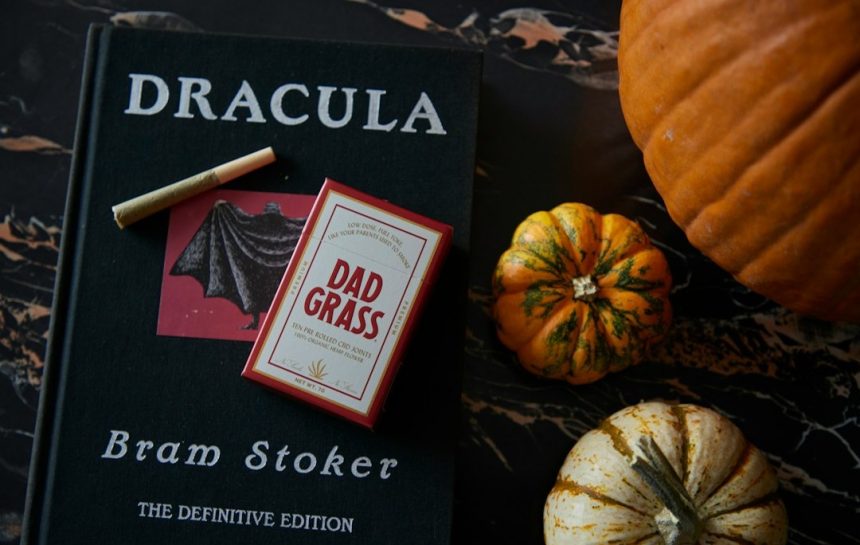
5. Dracula by Bram Stoker (1897)
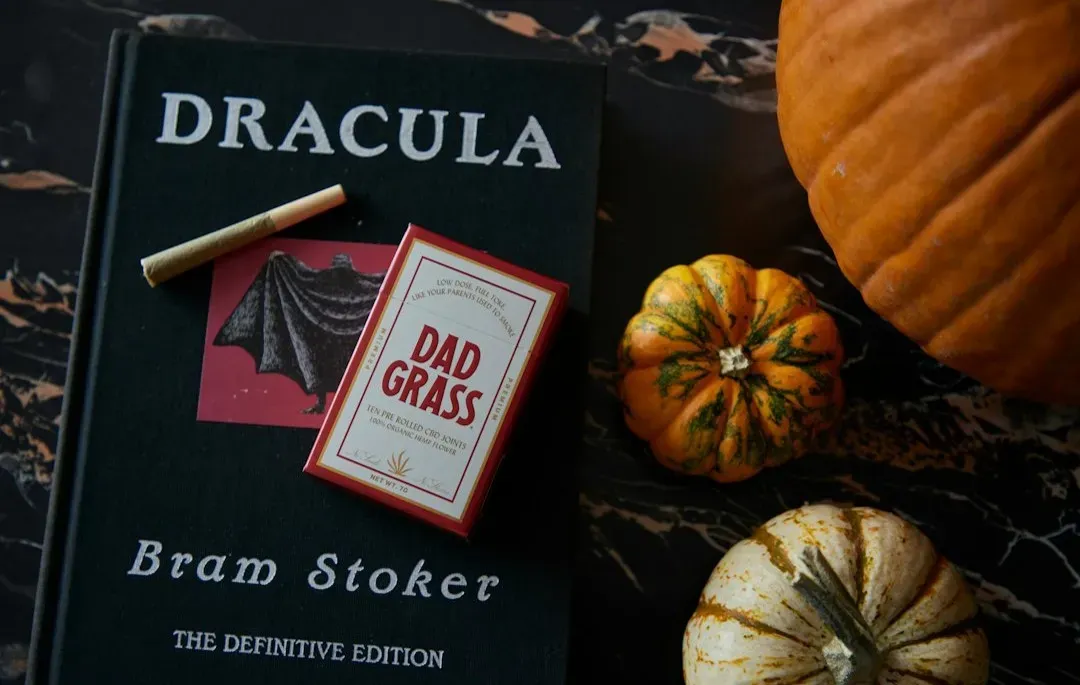
Strictly speaking, Dracula is a collage of diary entries, letters, telegrams and newspaper clippings, so it isn’t purely letters. Even so, correspondence between characters such as Mina Harker and Lucy Westenra drives much of its early story. The fragmentary format makes the horror feel like assembled evidence.
I’d include it because it shows how letter-based storytelling can build dread. Each document knows only a piece of the truth, and readers must put the whole together.
6. The Color Purple by Alice Walker (1982)
Walker’s Pulitzer Prize winning novel opens with letters that Celie writes to God, and later includes letters between Celie and her sister Nettie. The form lets Celie find her voice, and the arrival of Nettie’s letters changes the course of the book. It’s a moving case of letters as a lifeline.
The book has also reached new audiences through stage and screen adaptations, including a film musical released in 2023. The letters remain the heart of the story.
7. Daddy-Long-Legs by Jean Webster (1912)

Jerusha Abbott, an orphan sent to college by an anonymous benefactor, writes him monthly letters that he never answers. The result is a warm, funny coming-of-age story, with Judy’s voice growing more confident as she goes. Webster also included her own sketches in the letters.
It’s a lighter pick on this list, and a good one if you want charm over tragedy. It has remained in print for over a century.
8. The Guernsey Literary and Potato Peel Pie Society by Mary Ann Shaffer and Annie Barrows (2008)
Set in 1946, this novel follows writer Juliet Ashton as she corresponds with residents of Guernsey about their experiences during the German occupation of the Channel Islands. The letters build a community portrait and a gentle romance. Shaffer wrote the book late in life, and her niece Annie Barrows completed it when Shaffer became ill.
It was adapted into a Netflix film in 2018. The book shows how the letter form still suits historical fiction, since every correspondent adds a new voice and perspective.
Taken together, these eight books show how flexible the letter form is. It can carry romance, horror, satire, grief and humor, sometimes all at once. If you read just one, pick the one that matches your mood, because a good letter always makes you want to read the next.
Partner offer
Planning a trip to Vegas?
Compare hotel rates and show tickets on VEGAS.com.