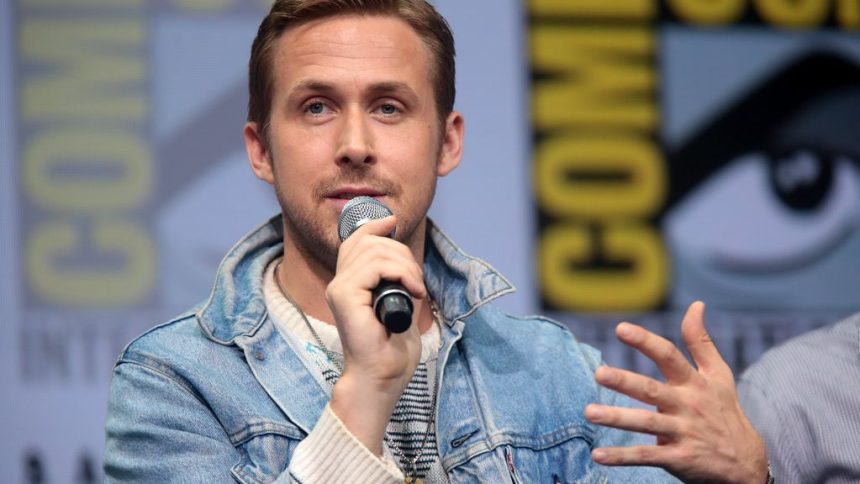
There’s a quiet, universal moment most moviegoers have experienced at least once. The film ends, the credits roll, and instead of feeling what everyone around you seems to feel, you feel… not much. Maybe confusion. Maybe mild boredom. Yet when someone turns to you and says, “Wasn’t that incredible?”, you nod along and say something like, “Yeah, really something.” It happens more than anyone admits.
Social pressure and cultural momentum have always shaped how people talk about movies, especially when a film carries the weight of critical acclaim, an Oscar win, or a viral moment. Plenty of movies that audiences claim to love are actually somewhat overrated, though it’s often hard to acknowledge this since they have such loyal and dedicated fanbases that swear by the projects’ quality. These are six of the most notable films where the gap between public praise and private feeling has been especially hard to ignore.
Avatar (2009)

Financial success is one thing, but what’s often overlooked is how strong Avatar’s critical and fan reaction was upon release in 2009. Almost every major outlet gave it glowing four or five star reviews, and prominent filmmakers queued up to express their amazement at the landmark release. The film became the highest-grossing movie in history, a cultural event so enormous that admitting you weren’t swept away felt almost rude.
Story became the biggest sticking point among Avatar’s growing number of detractors. Even in 2009, it was widely acknowledged that the plot was not especially complicated, but this didn’t matter when there was so much for the eyes to feast on. Film history clearly shows, however, that timeless classics are created not through stunning visuals and technological advancement alone, but through a compelling story. Despite the film’s financial and critical success, some journalists questioned Avatar’s cultural impact, with one writer noting that the film had not been broadly remembered in the popular consciousness and felt it did not have a fandom. In 2014, one Forbes writer even said the film had been “all but forgotten.” Few films have disappeared from conversation so thoroughly relative to how loudly they arrived.
Crash (2004)
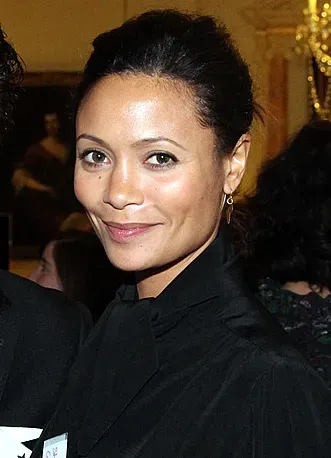
At the 78th Academy Awards, Crash won the Oscar for Best Picture, triumphing over the heavily favored Brokeback Mountain in what is considered one of the most notable upsets in Oscar history. After announcing the award, presenter Jack Nicholson was caught on camera mouthing the word “whoa” out of apparent surprise at the result. For a brief window of time, saying you loved Crash felt like the culturally correct position to hold.
The victory of writer-director Paul Haggis’ sprawling ensemble drama about racial tension in Los Angeles came as a major surprise to many critics, who widely criticized the film’s shallow commentary, questionable character arcs, and disjointed narrative. Film Comment magazine placed Crash first on its list of worst Best Picture winners, and a 2014 survey of film critics identified the film’s victory as among the most glaring mistakes made by the Academy Awards. In 2015, The Hollywood Reporter polled hundreds of Academy voters to recast their ballots, with Brokeback Mountain coming out on top over Crash. Even the director himself later acknowledged that other films that year probably deserved the prize more.
La La Land (2016)

When La La Land swept through awards season in late 2016 and early 2017, it felt almost mandatory to be enchanted by it. A valentine to old Hollywood and traditional musicals, La La Land led audiences along with its fanciful vision. Critics of the film, however, pointed out poor vocals, underwhelming choreography, and a melancholic ending that left many more frustrated than moved. Saying anything less than glowing things about it in the weeks of its peak buzz felt like a social misstep.
Ryan Gosling and Emma Stone tried their best, but their singing and dancing were hardly Broadway caliber. The film felt like a love letter to Hollywood more than a love story for the audience. That dissonance became clearer once the awards fever cooled. It’s a genuinely stylish film with moments of real charm, but the gap between its reputation at peak hype and how it actually sits with a quiet rewatch has left a lot of people quietly revising their initial enthusiasm.
Partner offer
Fight Club (1999)
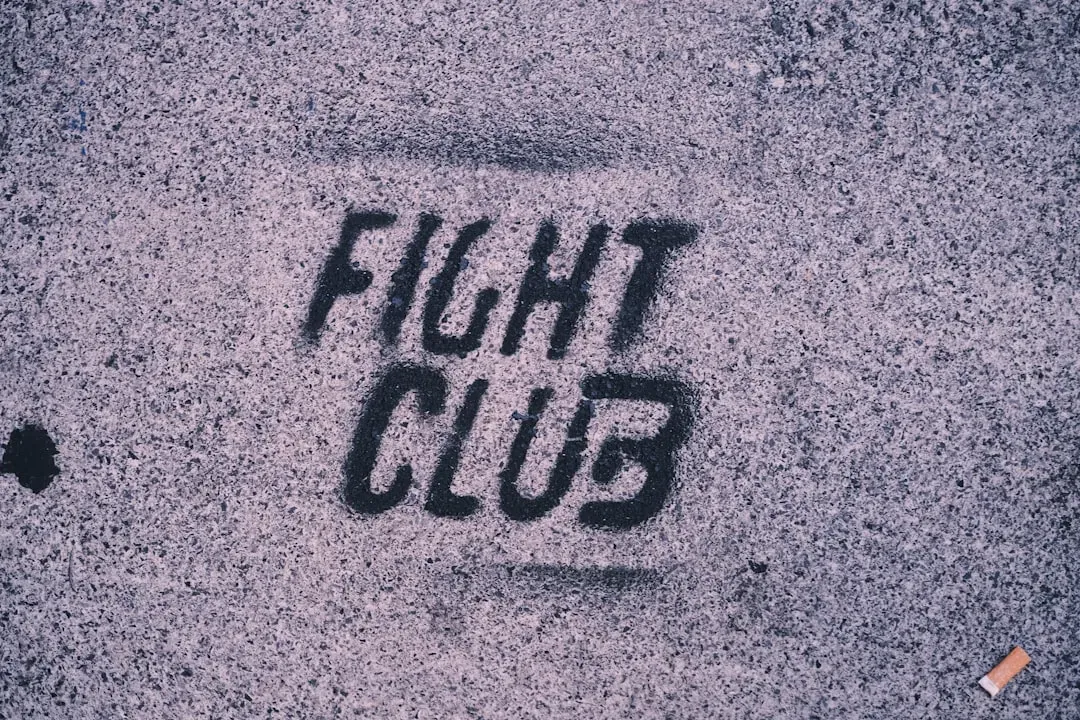
Films such as The Social Network, Se7en, and Zodiac are much stronger from both a narrative and technical perspective, but Fight Club is the one that became a cult classic. For a certain generation of viewers, particularly young men in the late 1990s and early 2000s, admitting you didn’t think Fight Club was brilliant felt like confessing you simply didn’t get it. The film built a devoted fandom that made skepticism feel like an intellectual failure.
What once felt edgy now comes off as pretentious and problematic to many. It’s less “deep” than it thinks it is. Over time, the film’s message has been reconsidered more critically, and the social environment that once made its nihilistic posture feel radical has shifted considerably. Fight Club remains a technically accomplished piece of filmmaking, but the social pressure to treat it as a masterpiece was always disproportionate to what it actually delivers on close inspection.
Forrest Gump (1994)
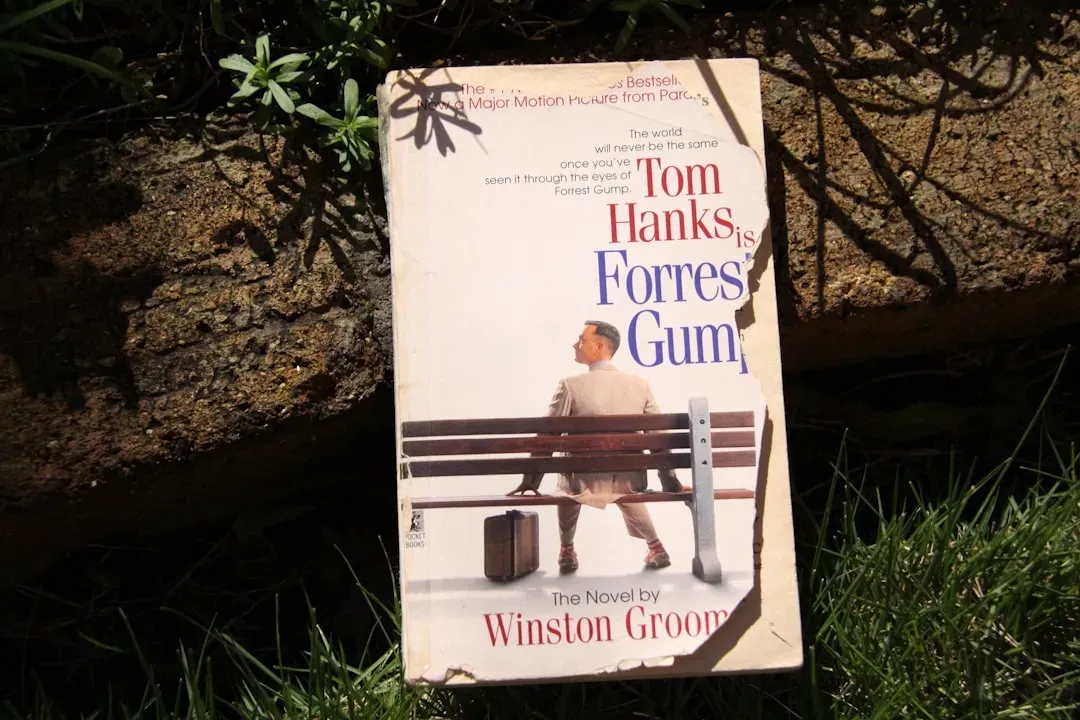
Forrest Gump features one of Tom Hanks’ most iconic performances, and considering how quotable the film is, it’s no surprise that people hyped it up. It’s certainly entertaining, but the film goes on a little longer than needed. More substantially, the film won Best Picture over Pulp Fiction and The Shawshank Redemption, a fact that continues to raise eyebrows in film circles. It was such a crowd-pleasing juggernaut that openly questioning it felt almost unpatriotic.
Tom Hanks gave a heartfelt performance, but the film oversimplifies history through a syrupy lens. It’s nostalgia with a side of revisionism. The film treats several of the most turbulent decades of American history as a gentle backdrop to a feel-good personal story, and that convenience has worn less well with time. Plenty of viewers have privately found the film more saccharine than moving but held their tongue when it came up in conversation, not wanting to seem cold to something so warmly regarded.
The Notebook (2004)
The Notebook is a movie that doesn’t fall into the typical romance genre, as a deeper love supposedly shines through it. Much of that, however, is down to the work of Rachel McAdams and Ryan Gosling rather than the story itself. The performances carry the film, and their chemistry led to a great deal of hype, but it isn’t as great as people proclaim it to be. For years, calling it your favorite romance was almost a social credential, a signal of emotional depth.
It’s hard to ignore that Allie and Noah’s lifelong romance begins on a concerning and manipulative note. Specifically, he threatens to endanger his life by jumping from a Ferris wheel to pressure her into going out with him. That detail, long glossed over in favor of the film’s tearful third act, has become much harder to brush aside in retrospect. The Notebook is a competent romantic drama elevated by two genuinely magnetic leads, but the cultural status it achieved far outpaced what the screenplay itself actually earns.
What all six of these films share isn’t that they’re unwatchable or without merit. Most have real strengths worth acknowledging. The more honest observation is that the social conditions around them, the Oscar buzz, the viral praise, the group identity tied to loving them, pushed public enthusiasm well past what the films themselves could sustain on their own. The gap between what we say we think and what we quietly notice when the credits roll is, in its own way, a fascinating lens on how culture works.
Partner offer
Planning a trip to Vegas?
Compare hotel rates and show tickets on VEGAS.com.