There’s a persistent gap in education that goes beyond curriculum or classroom technology. It’s the one between how older generations remember school working and how today’s students actually experience it. Parents, grandparents, and administrators often defend practices they grew up with, viewing them as foundational, character-building, or simply the way things are done. Students, meanwhile, see many of those same rules as outdated, counterproductive, or just plain unfair.
Some of these tensions come from genuine philosophical differences about learning. Others are rooted in research that older generations simply didn’t have access to when they were in school. Either way, the friction is real, and it plays out daily in classrooms, dinner tables, and school board meetings across the country.
1. Mandatory Daily Homework, No Matter the Grade Level
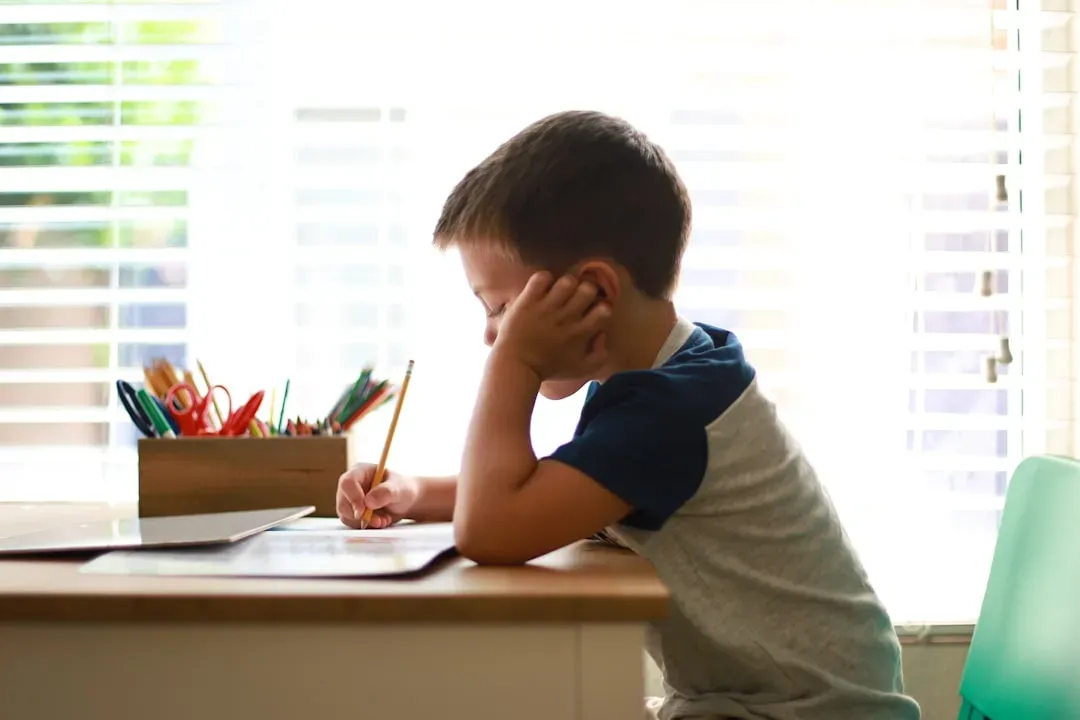
Few rules feel more universal than the expectation that students will bring schoolwork home every single evening. Older generations typically frame it as discipline and reinforcement, a natural extension of the school day. Whether students should be given homework at all has been debated for more than a century. The evidence, though, is more complicated than the tradition suggests.
In a 2017 meta-analysis, researchers found that while the academic impact of homework for students in grades 1 through 4 is indeed limited, it grows steadily through upper elementary school and into high school. Exceeding recommended time limits may not yield additional academic benefits and could instead increase anxiety and decrease a student’s well-being. Unfortunately, elementary students are often assigned triple the amount of recommended homework per day. Students who sit through hours of take-home worksheets each night aren’t gaining more knowledge. They’re just getting more tired.
2. Rote Memorization as the Primary Learning Method
Generations of students were taught to memorize, repeat, and regurgitate. Multiplication tables, historical dates, spelling lists, and the periodic table all demanded exact recall, and teachers defended the practice as fundamental. In many schools in the United States, high-stakes standardized tests heavily influence instruction. Students often cram facts for state exams, SATs, or classroom benchmarks, only to forget them soon after. This cycle prioritizes performance over mastery, creating learning gaps in long-term retention.
A student may memorize the Pythagorean theorem, but when faced with a real-world problem involving distance or construction, they may struggle to recognize when and how to use it. The formula exists in memory, but the reasoning does not. The true value of education now lies in helping students understand information, evaluate its credibility, and apply it meaningfully. While artificial intelligence can access and deliver facts instantly, it cannot replicate human judgment, ethical decision-making, or creative problem-solving. Knowing a fact and understanding a concept are two very different things.
3. Strict Silence During Class Time

The classic image of a quiet classroom, students in rows, eyes forward, no talking, remains an ideal for many older educators and parents. The reasoning is straightforward: silence equals focus, and focus equals learning. When classrooms are positive and well-structured, students thrive both academically and emotionally. Research shows that students in supportive and organized learning environments perform better in math and reading.
Yet structure doesn’t have to mean enforced silence. Collaborative learning, peer discussion, and inquiry-based dialogue consistently show strong outcomes. Critical thinking encourages active learning, shifting students from passive recipients of knowledge to active participants in the educational process. This shift promotes lifelong learning, a skill increasingly valuable in an era where careers and technologies evolve rapidly. Telling a teenager to sit silently for six hours, then wonder why they’re disengaged, misses something important about how people actually learn.
4. Standardized Tests as the Primary Measure of Intelligence

Standardized testing is one of the most defended practices in traditional education. Many older adults point to test scores as objective proof of a student’s ability and see pushback against tests as an excuse to avoid accountability. Standardized testing has long been a cornerstone of modern education, shaping how schools measure success and how students approach learning. Yet as classrooms evolve to prioritize problem-solving and creativity, questions arise about whether these tests truly capture what students know and what they can do.
The pressure to perform well on these tests has made many teachers feel they need to “teach to the test,” focusing in-class instruction on test-specific content and skills rather than fostering deeper understanding or critical thinking. This shift has led many school districts to narrow or even eliminate subjects like art and music in favor of test preparation. Instead of assessing student knowledge, timed tests evaluate how well a student can reason under stress and guess answers quickly, making timed tests an ineffective measure of actual student performance. Students feel this acutely, and they’re not wrong to.
5. Zero-Tolerance Discipline Policies

Zero-tolerance policies emerged largely in the 1990s as a response to school safety concerns. They promised consistency and fairness: the same offense receives the same punishment, no exceptions. Older generations often see this as straightforward accountability. Students routinely see it as deeply unjust. Adverse implementation of rules can aggravate behavior instead of curbing it.
New approaches stress the importance of regular attendance for academic success and offering information that mental health and supportive services may be available to students and families. This reflects a shift from punitive measures to a more compassionate strategy. Research has consistently shown that suspensions and expulsions rarely produce the behavioral improvements they aim for, and often push vulnerable students further from the educational system rather than guiding them back into it. A one-size punishment for genuinely different situations isn’t fairness, it’s rigidity.
Partner offer
6. Raising Your Hand and Waiting to Be Called On
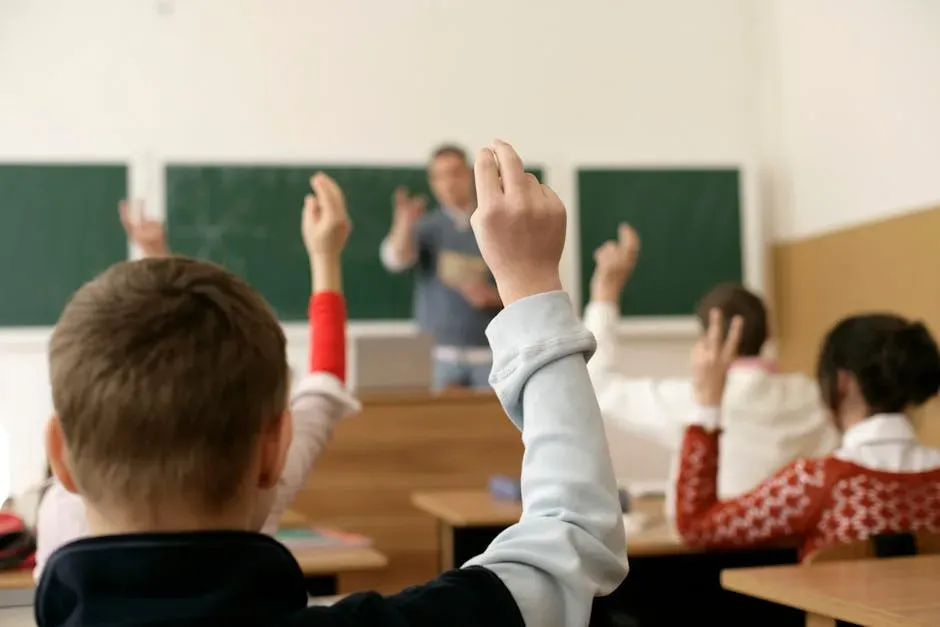
The hand-raising rule feels almost sacred in traditional classrooms. It signals respect, order, and patience, values that older generations associate with proper classroom conduct. For students, the experience often feels more like arbitrary gatekeeping, especially when they have something urgent to contribute and the teacher simply doesn’t notice.
Classroom rules should be well-defined, student-friendly, and tailored to different grade levels. Co-creating these guidelines with students fosters a sense of ownership and helps ensure they understand behavior expectations from the start. When students have no say in the rules that govern their participation, resentment tends to follow. There’s also growing recognition that for more than half of pupils, classroom rules have a negative connotation, which undermines the very order those rules are meant to create. Rules work better when students understand the reasoning behind them.
7. Penalizing Students for Not Reading Aloud Fluently

Cold-calling students to read passages aloud in front of the class is a tradition many older educators still champion as a way to build confidence and practice fluency. For students with reading difficulties, learning differences, anxiety, or who are non-native speakers, the experience can be genuinely humiliating. Non-native speakers are typically not as fluent or quick readers. When time restrictions on tests are imposed, performance gaps increase to the detriment of slow thinkers and slow readers, regardless of their overall intelligence.
The same logic applies to cold-call reading. American students report high levels of stress tied to academic performance. Timed exams that reward rapid recall can disadvantage students with anxiety, ADHD, or different learning styles, despite strong conceptual understanding. Fluency develops in environments of safety and practice, not under the spotlight of public correction. Students know the difference between a challenge that builds them up and one that simply exposes them.
8. Seating Charts That Separate Friends
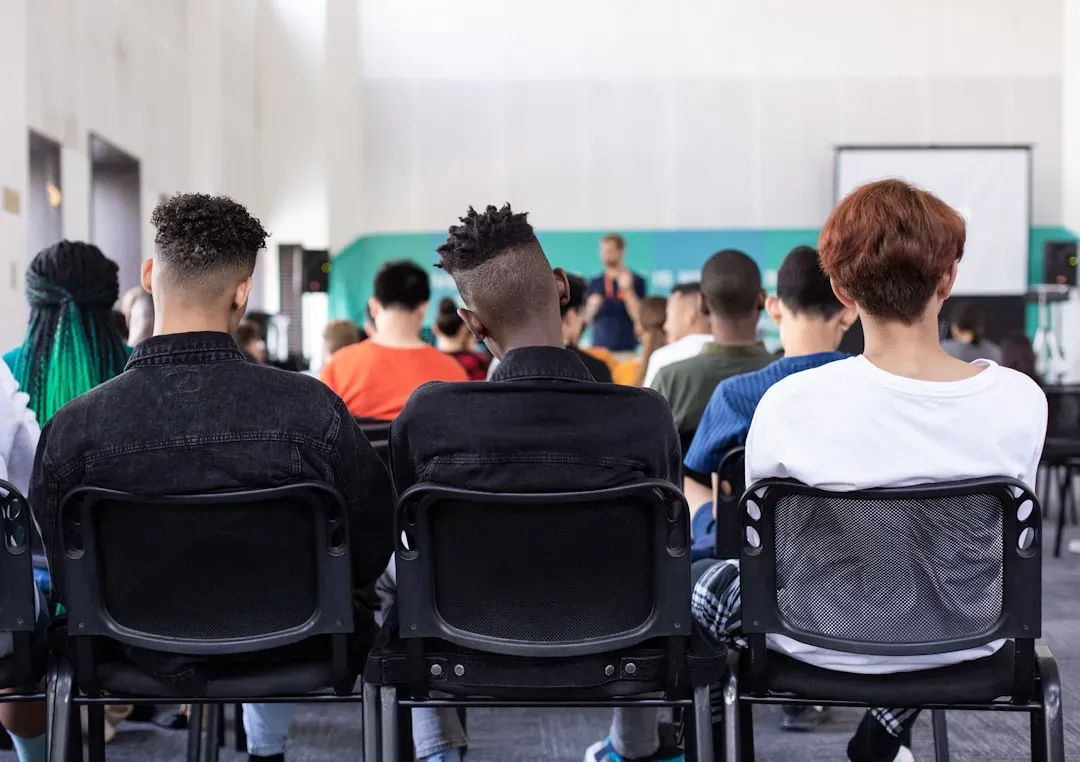
Teachers have long defended assigned seating as a classroom management tool, and deliberately separating friends as a way to reduce distraction. Parents who grew up under the same system often back this instinctively. Students push back for a reason that research increasingly supports: social connection at school matters more than most adults acknowledge.
Academic progress stalled during the pandemic and has yet to recover. But historic declines in test scores and growing achievement gaps are just part of the problem. Youth mental health issues surged and behavioral problems increased. Isolation and disconnection from peers are a meaningful part of that story. In a 2024 study of nearly 1,000 fifth- and sixth-grade students, researchers found that high-quality, engaging homework and classroom conditions that considered students’ emotional state led to better engagement. Social belonging isn’t a distraction from learning. It’s a precondition for it.
9. Treating Smartphones and Technology as Pure Distractions
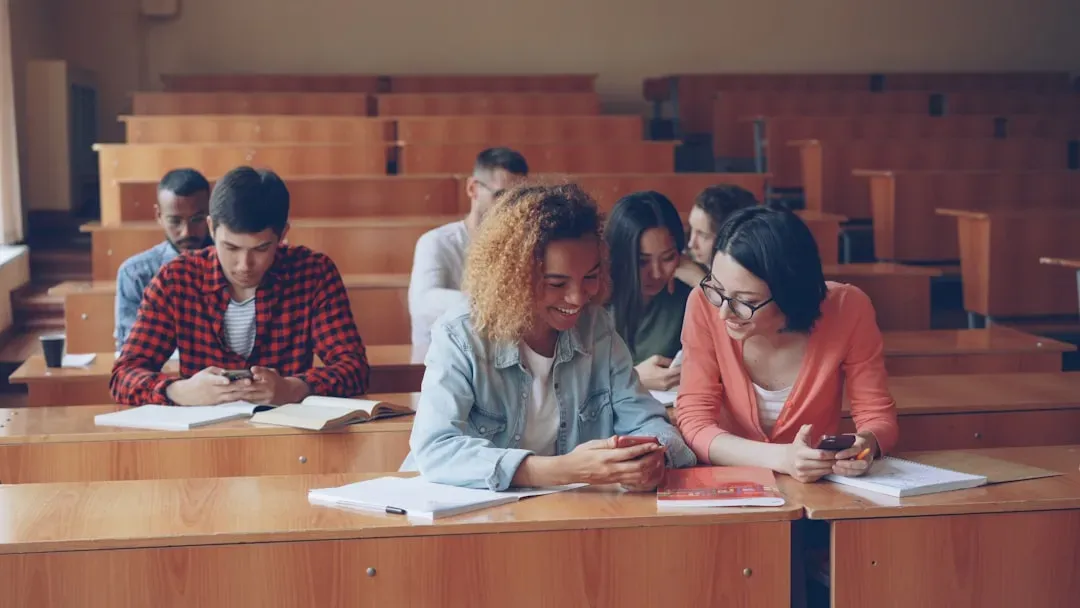
The instinct to ban phones entirely is one that many older educators and parents share without much debate. They lived through school without them and turned out fine, or so the reasoning goes. Many schools still maintain blanket bans, treating every device as an enemy of attention. The traditional schooling system and approaches to curriculum and pedagogy that are based on nineteenth century industrial age models might reach their limit to prepare students sufficiently for the expectations and challenges of life and work in future.
In today’s digital age, students have instant access to information through technology. What they need most are skills like evaluating sources, collaborating, and thinking critically. Memorization alone does not prepare them for college, careers, or civic engagement. The question isn’t whether phones belong in school at all. It’s whether schools are teaching students how to use technology responsibly, which requires engaging with it rather than simply banning it from sight.
10. Grading on Rigid Curves and Single-Attempt Exams
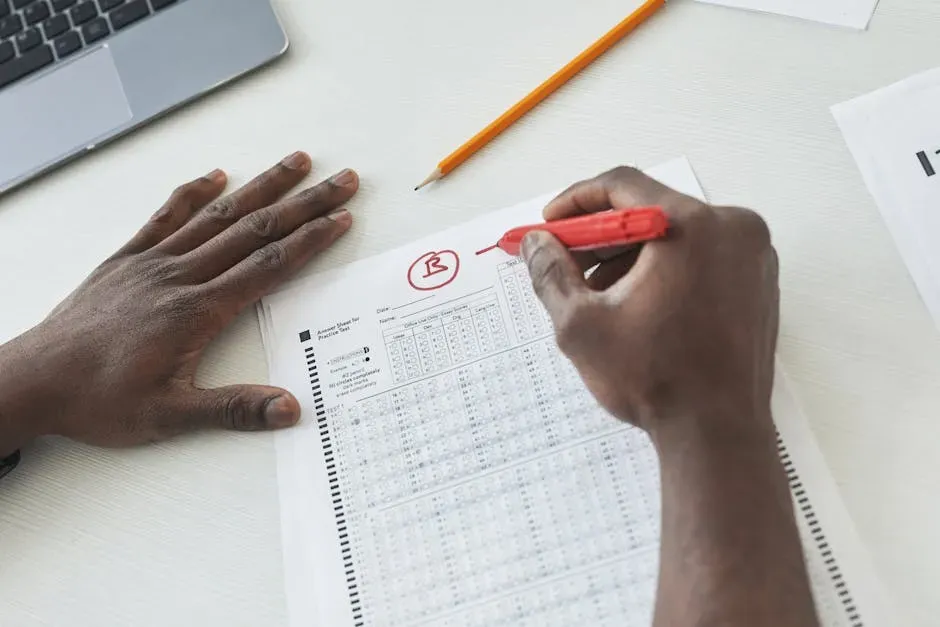
Traditional grading systems often reflect a philosophy that students get one shot, and the number they land on defines their understanding of a subject. Older generations tend to view this as preparing young people for the real world, where second chances aren’t always available. While so-called 21st-century education has seen a nominal change in classroom layouts and increased use of teaching technology, not much has changed in terms of the underlying structures of schools.
In a 2024 study, researchers asked university students to grade their own homework, comparing the structural and conceptual differences of their answers with an exemplar. Students scored a half-letter grade higher on their exams and also developed stronger metacognitive skills, recognizing the value of making and correcting mistakes. Many students complete homework not to deepen their learning but simply to earn points, avoid punishment, or meet expectations, a shift that can make learning feel transactional rather than meaningful. When the grade becomes the goal instead of the understanding, the system has gotten its priorities backwards. Students aren’t wrong to notice that, even if they can’t always articulate it clearly.
The tension between tradition and reform in education is rarely about one side being entirely right. Most of the rules on this list came from somewhere reasonable. Some still carry genuine value in the right context and dose. The problem arises when they get treated as permanent truths rather than practices worth examining. Schools that invite students into that conversation tend to build something stronger than compliance. They build investment, and that’s a lot harder to manufacture with a rule.
Partner offer
Planning a trip to Vegas?
Compare hotel rates and show tickets on VEGAS.com.