Award shows like the Grammys, the CMAs, and the VMAs carry enormous weight in the music industry. A ban or disinvitation from one of these ceremonies isn’t just a snub. It can signal a broader fall from grace, a severed industry relationship, or the consequence of a single moment that proved impossible to walk back. The reasons vary widely. Some artists were kept out due to violent incidents or offensive language. Others ran into battles over creative control, institutional politics, or a social media post that landed on the wrong desk. What these six cases share is a window into just how much soft power award shows actually hold over the careers of even the biggest names in music.
Janet Jackson: The Grammys and the Wardrobe Malfunction That Changed Everything
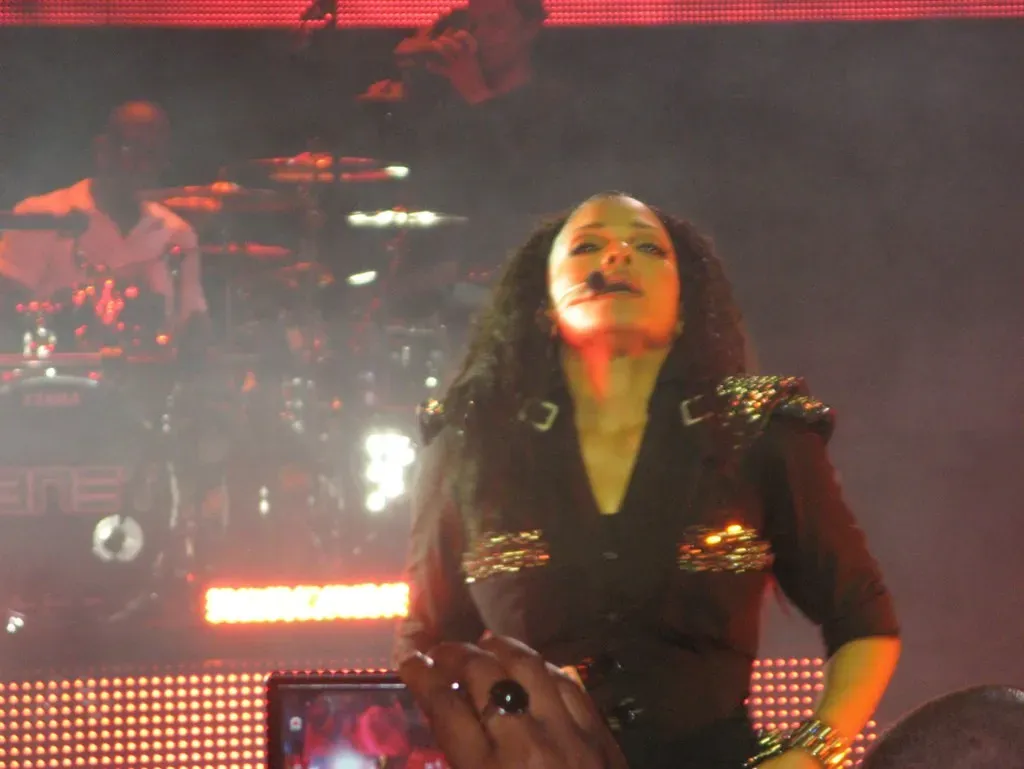
In 2004, Janet Jackson and Justin Timberlake performed during the Super Bowl halftime show, and during that performance, Jackson suffered a wardrobe malfunction after Timberlake pulled part of her outfit. The moment became a massive controversy. Viacom CEO Les Moonves ordered that Janet Jackson’s singles and music videos be blacklisted from all of its properties, including CBS, MTV, and its radio station group Infinity Broadcasting.
Jackson was intended to appear at the 46th Grammy Awards, which was being held the following week and televised by CBS, but her invitation was withdrawn due to the incident. Jackson was originally scheduled to appear as a presenter for a tribute to Luther Vandross, and according to People Magazine, she “had been slated to speak before the accolade but was being pressured to bow out gracefully – or face being uninvited,” before later being completely barred from attending. Timberlake was still allowed to attend and perform at the event. As time has passed, more people have come to recognize how unfairly Jackson was scrutinized, and the Recording Academy itself has been trying to figure out how to apologize to the musician.
Morgan Wallen: Banned From Multiple Country Shows After a Racial Slur
On February 2, 2021, TMZ reported that video from a Ring device showed Morgan Wallen using a racial slur as he was coming home one evening. Immediately, fans began calling Wallen out for his language, and the musician was temporarily suspended from his music label, Big Loud/Republic. Awards shows, including the Academy of Country Music, also banned him. Wallen was also banned from attending the 2021 Billboard Music Awards, with the show’s producers explaining that his recent conduct did not align with their core values.
The Los Angeles Times broke the news that, despite his nomination for Dangerous: The Double Album, the CMA Awards would not allow Wallen to attend, perform, or accept an award at the show, including not walking the red carpet – a decision Billboard confirmed with the Country Music Association directly. CMA CEO Sarah Trahern noted it was “the first time in the history of the CMA, to my knowledge, anyone has ever been disqualified for conduct.” Just over a year after the video surfaced, Wallen returned to an award show stage by performing at the 2022 Billboard Music Awards.
Kanye West: Barred From Performing at the 2022 Grammys
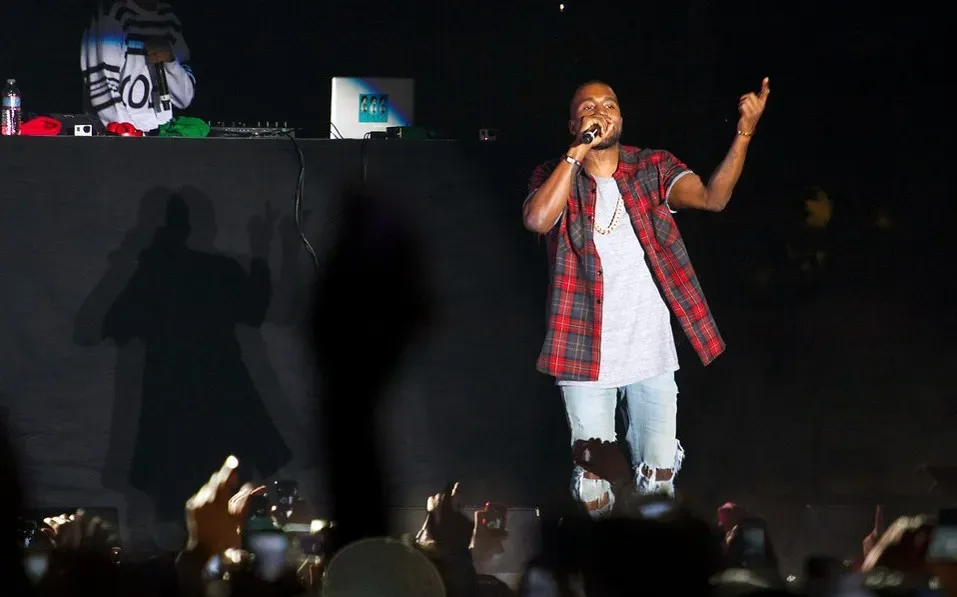
Ye, the artist formerly known as Kanye West, was barred from performing at the 2022 Grammy Awards because of his “concerning online behavior,” according to a spokesperson for the controversial artist. The decision by the Recording Academy came days after Ye hurled racial slurs against Daily Show host Trevor Noah, who was slated to host the annual music awards show. His recent posts targeting Pete Davidson, Kim Kardashian, and Trevor Noah are thought to have caused the ban. The week before, Kanye was also suspended from Instagram for 24 hours after violating the platform’s policies on hate speech, harassment, and bullying.
West’s team received a phone call informing him he had been “unfortunately” removed from the lineup of performers due to his “concerning online behavior.” While West was up for five 2022 Grammy Awards, he was not among the first list of performers announced. The ban applied only to his performing at that specific ceremony, and the Recording Academy did not appear to make any sort of permanent declaration about his status going forward. Still, the public nature of the removal sent a clear message from one of the industry’s most powerful institutions.
Partner offer
The Weeknd: A Grammy Shutout That Led to a Self-Imposed Blacklisting
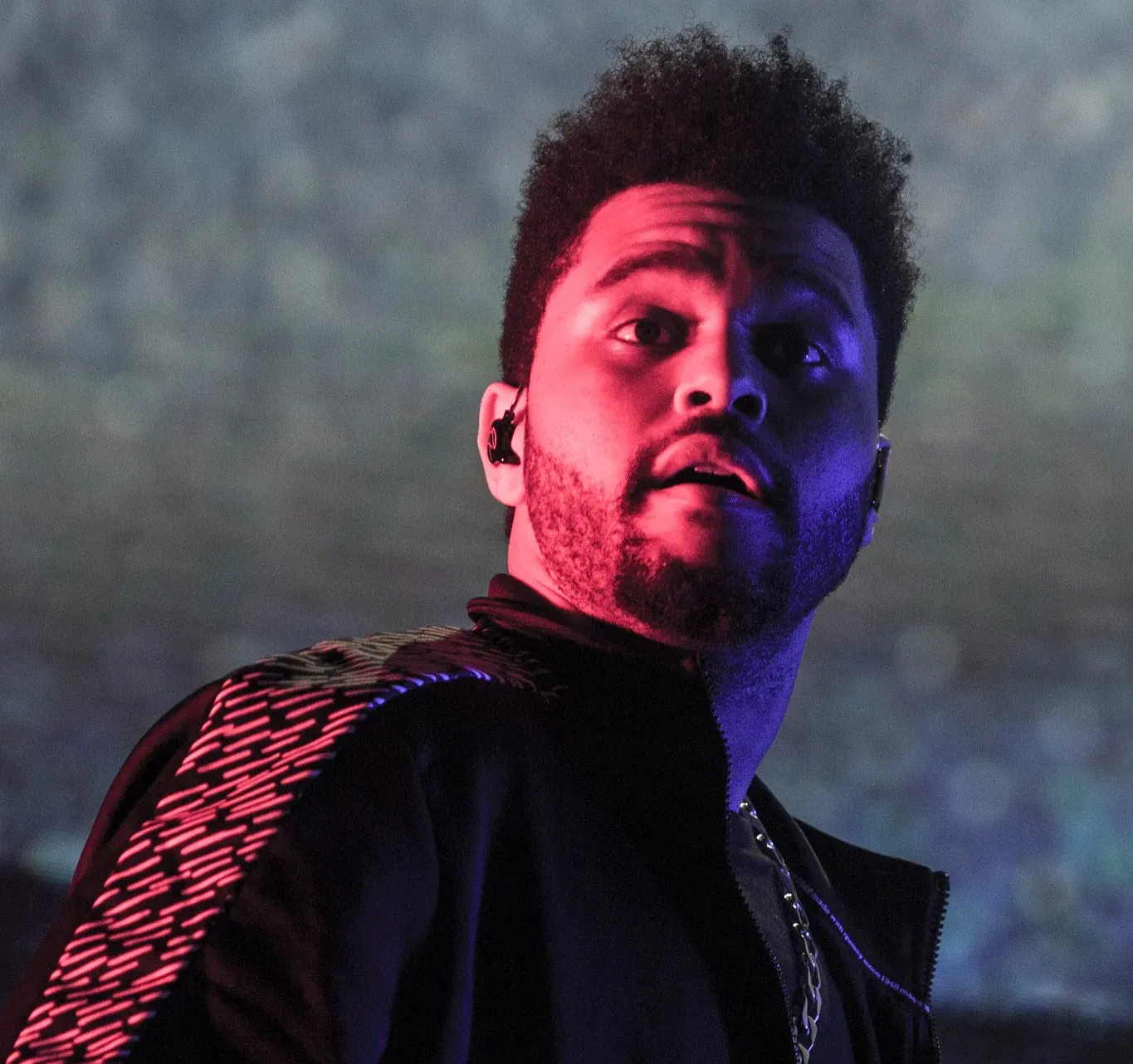
Abel Tesfaye, known as The Weeknd, began his dispute with the Grammys when the nominations for the 2021 awards were announced and his name was nowhere to be seen. He was one of the year’s biggest artists with his album After Hours and his history-making single “Blinding Lights,” according to Billboard. The singer tweeted that “The Grammys remain corrupt,” and some believed he wasn’t nominated after tense negotiations between the Grammys and the singer’s management, following the Recording Academy supposedly asking The Weeknd to perform at the show just a week after his Super Bowl halftime appearance.
As a result, The Weeknd vowed to never again submit his music for consideration, and said he would boycott future ceremonies. The Weeknd told The New York Times, “Because of the secret committees, I will no longer allow my label to submit my music to the Grammys.” His position signaled something broader: that even artists at the peak of mainstream success were growing tired of a nomination system they viewed as opaque and politically driven.
Sinead O’Connor: A Boycott Born From Principle
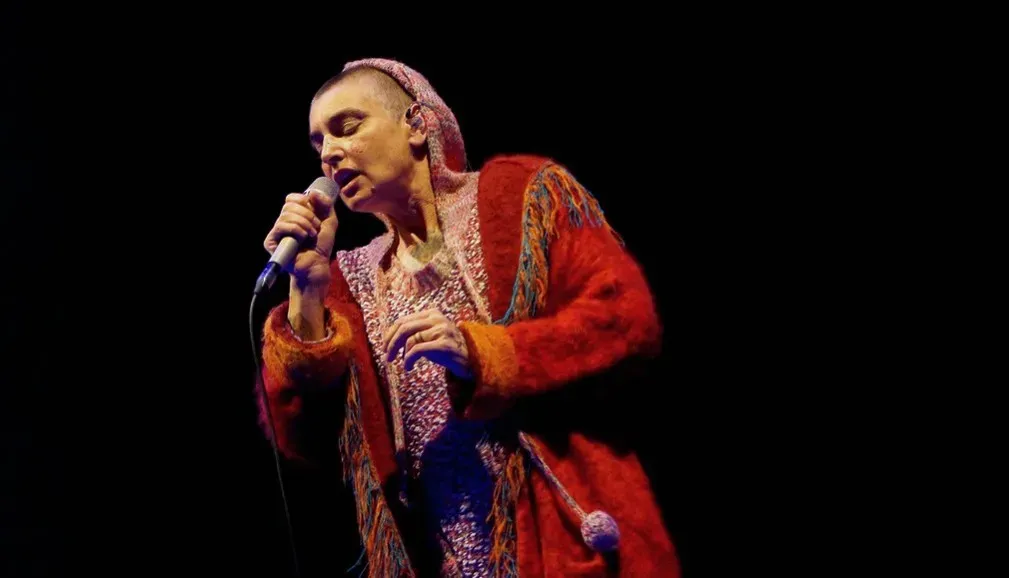
In 1990, Sinead O’Connor’s moody ballad “Nothing Compares 2 U” was a breakout hit, and for the 33rd annual Grammy Awards ceremony held in February 1991, she was nominated in four categories: Best Alternative Music Performance, Record of the Year, Best Pop Vocal Performance (Female), and Best Music Video. Just days before O’Connor was scheduled to perform live at the Grammys, the politically conscious musician announced she was boycotting the Grammys and all other awards shows to protest the “false and destructive materialistic values” of the music industry.
O’Connor was no stranger to controversy; she had once refused to have the U.S. National Anthem played before one of her concerts, and later tore up a photo of Pope John Paul II on live TV. In her statement, O’Connor said that the industry-sponsored Grammys “acknowledge mostly the commercial side of art” and “respect mostly material gain, since that is the main reason for their existence.” Her decision to walk away from the Grammys at the height of her fame made her one of the earliest and most outspoken examples of an artist choosing principles over prestige.
Frank Ocean: Walking Away From the Grammys Entirely
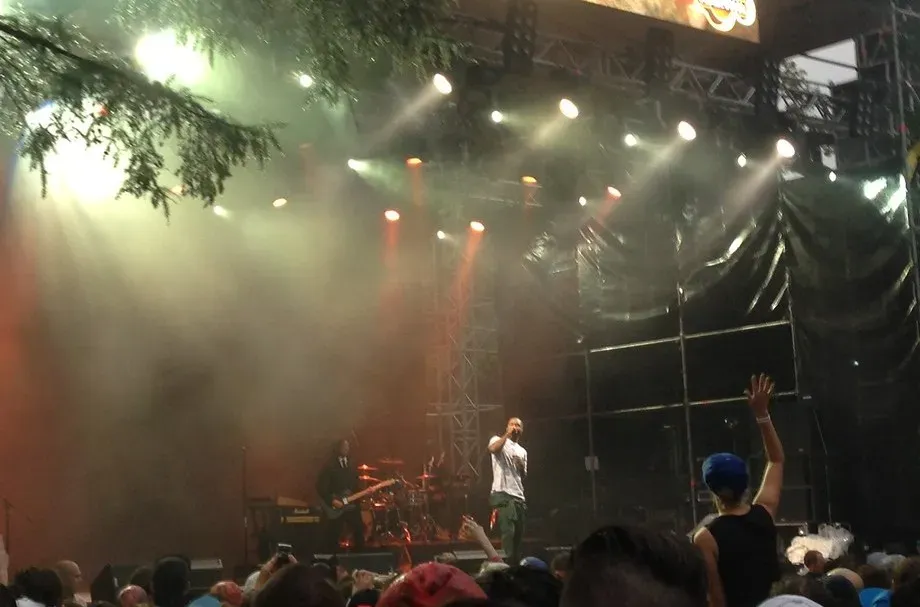
Frank Ocean’s long-awaited album Blonde was highly anticipated, yet he didn’t even bother submitting his work to be nominated for Grammys. Ocean became very vocal against the Recording Academy. Ocean told The New York Times that the institution “certainly has nostalgic importance” but “just doesn’t seem to be representing very well for people who come from where I come from.” The critique seemed grounded rather than bitter, given that the singer and rapper had previously won a Grammy for Best Urban Contemporary Album and Best Rap/Sung Collaboration in 2013.
Ocean is part of a wider circle of high-profile Black creators, also including Jay-Z, Drake, The Weeknd, and Kanye West, who have condemned the Grammys for often failing to recognize the work of creators of colour, particularly in hip-hop, in its most high-profile categories. His refusal to even engage with the nomination process was, in its own way, louder than any acceptance speech. Ocean didn’t need to be banned. He simply decided the institution no longer deserved his participation.
These six stories don’t follow a single pattern. Some artists were formally removed. Others chose to remove themselves. What they reveal is a music industry in which award shows still carry real professional consequences, even as their cultural authority continues to be questioned by the very artists they were built to celebrate.Partner offer
Planning a trip to Vegas?
Compare hotel rates and show tickets on VEGAS.com.