Radio censorship usually follows a predictable script: profanity gets cut, drug references get flagged, anything too explicit gets pulled. But every so often a song gets banned for a reason so strange that even the artists involved struggled to explain it afterward. Sometimes it’s a soft drink brand. Sometimes it’s a moan. Sometimes nobody can even agree on what the lyrics say in the first place. These six tracks all ran into broadcasters who found something objectionable in places nobody expected, and the stories behind those decisions are almost as memorable as the songs themselves.
1. “Lola” by The Kinks


When The Kinks released “Lola” in 1970, most people assumed any controversy would center on its story about a romantic encounter with a transgender woman. Instead, the BBC objected to something far more mundane. The most controversial lyric in the song was this seemingly innocent line about champagne tasting just like Coca Cola, and this was controversial because the BBC had a policy that prohibited any product placement.
The ban forced frontman Ray Davies into a logistical scramble. Ray Davies flew all the way from London to New York to re-record the line as “Where you drink champagne and it tastes just like cherry-cola,” interrupting the band’s US tour for the second time in two weeks. The gender storyline that seemed destined to cause trouble barely registered with censors, while a beverage name nearly kept the song off British airwaves entirely.
2. “Monster Mash” by Bobby “Boris” Pickett


Few songs feel more harmless today than “Monster Mash,” yet the BBC took real issue with it in 1962. The BBC had banned the record from airplay in 1962 on the grounds that the song was “too morbid,” though it was later performed on the network’s television programme Juke Box Jury by a novelty group. The ban stuck around for over a decade before anyone reconsidered it.
Pickett himself was baffled by the decision for years. Evidently someone felt that it was undignified for Boris Karloff to be made fun of, since Karloff had been educated in England, and Pickett guessed his crude satire was beneath the dignity of any self-respecting Englishman. The BBC finally lifted the restriction, and the song climbed the UK charts more than a decade after its original release, proving that morbid humor ages surprisingly well.
3. “Puff the Magic Dragon” by Peter, Paul and Mary


A children’s song about a boy and his dragon seems like an unlikely candidate for a radio ban, but “Puff the Magic Dragon” got swept into one of the strangest moral panics of the 1960s. The song became a beloved generational anthem in 1963 despite being labeled drug propaganda by the U.S. government. A magazine article claiming to decode hidden drug references in pop music set the whole thing in motion.
The interpretation stretched every syllable of the lyrics into something sinister. A 1964 Newsweek article about hidden drug messages in pop music suggested that Puff’s friend Jackie Paper referenced rolling papers, “puff” meant taking a puff from a joint, and “dragon” was a variation of taking a drag to inhale smoke. Radio stations pulled the song, and the writers spent decades insisting it was simply about growing up, not getting high.
4. “Je t’aime… moi non plus” by Jane Birkin and Serge Gainsbourg

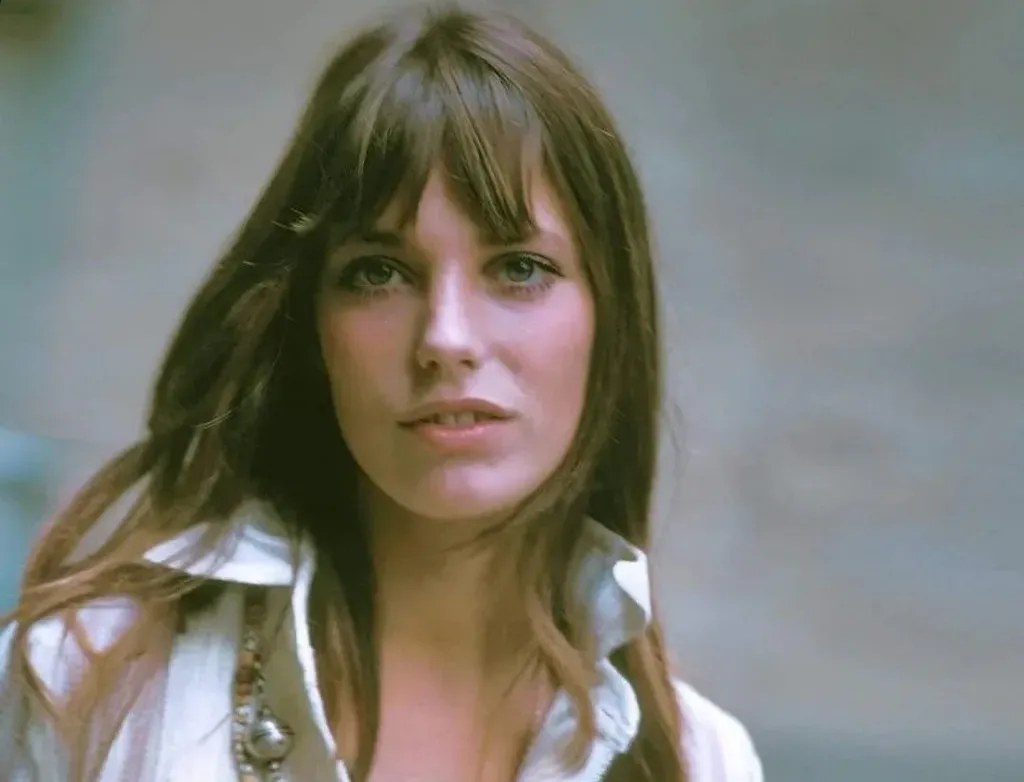
This 1969 duet earned its ban the old fashioned way, through sound rather than lyrics. The sounds made by Birkin caused the song to be banned from radio in Spain, Sweden, Brazil, the United Kingdom, and Italy, banned from radio play before 11 pm in France, and not played by many radio stations in the United States. Even the BBC’s flagship chart show refused to touch it.
What made the reaction genuinely bizarre was how far up the chain of authority it traveled. The song was officially denounced by the Vatican and its newspaper, L’Osservatore Romano, and one report even claimed the Vatican had excommunicated the record executive who released it in Italy. Birkin later insisted the fuss was overblown, saying plainly that “It wasn’t a rude song at all. I don’t know what all the fuss was about. The English just didn’t understand it.”
5. “Walk Like an Egyptian” by The Bangles

Nearly two decades after its release, this breezy 1986 pop hit found itself on a very different kind of list. Following the September 11 attacks, Clear Channel Communications circulated an internal memo advising its stations against playing certain songs. Three days after the attack, the company sent a memo to its more than 1,100 radio stations listing songs they deemed “lyrically questionable” and insensitive to play following the attacks.
Most inclusions on that list made some grim sense, given references to fire, flying, or violence. This one did not. The Bangles’ “Walk Like An Egyptian,” for example, was added for having references to the Middle East. A song about dance moves and a beehive hairdo got flagged over geography that had nothing to do with the actual tragedy.
6. “Louie Louie” by The Kingsmen


Few censorship stories are stranger than the one surrounding this 1963 garage rock staple. Parents complained that the mumbled, barely audible vocals concealed obscene lyrics, and the rumor spread quickly enough that Indiana’s governor banned the song from state airwaves in 1964. The Federal Bureau of Investigation eventually launched a formal investigation into whether the recording violated interstate obscenity laws.
After more than two years of analysis, including slowing the tape down and consulting audio experts, investigators reached an almost comical conclusion. The FBI determined the lyrics were simply unintelligible at any speed and closed the case without finding evidence of obscenity. A song got banned in one state and investigated by the federal government largely because nobody could agree on what was actually being sung.