There’s a strange kind of comfort in old kids’ shows. The theme songs still play in your head decades later, the sets look almost cartoonishly bright, and everything feels safe in a way that adult television rarely does. Yet peel back the laugh tracks and the puppet costumes, and a surprising number of these beloved programs were hiding stories that had nothing to do with childhood innocence at all. Some of these secrets came out years after the cameras stopped rolling. Others were hiding in plain sight the entire time, buried under ratings numbers and merchandise deals. Either way, once you know them, it’s hard to watch reruns the same way again.
1. Nickelodeon’s golden era hid a toxic culture behind the scenes

For a generation raised on slime and orange soda, the 2024 documentary Quiet on Set landed like a gut punch. The four-part docuseries interviewed former writers, crew members and child actors who described a volatile, dysfunctional and sometimes sexualized environment at some of Nickelodeon’s most successful shows in the mid nineties and early aughts. Much of the scrutiny centered on producer Dan Schneider, the man behind hits like Drake & Josh, iCarly, and Zoey 101.
The most devastating revelation involved Brian Peck, a dialogue coach later convicted on charges tied to a child actor. Nothing in the docuseries held viewer attention as lastingly as Drake Bell coming forward to recall being sexually assaulted during his time as a Nickelodeon child star. Schneider has denied wrongdoing and sued the makers of the documentary for defamation and the implied sexual abuse of minors, arguing the film unfairly linked him to crimes he says he did not commit or know about.
2. Diff’rent Strokes turned into one of television’s saddest cautionary tales


On screen, Diff’rent Strokes was a warm sitcom about an unlikely blended family in a Park Avenue penthouse. Off screen, it became a template for everything that can go wrong when child stars grow up too fast under too much pressure. Over its eight-year run, the show tackled real-world problems such as teen crime, eating disorders, and child sexual exploitation with a seriousness rarely seen in a television comedy at the time.
The bigger tragedy played out after the cameras stopped rolling. As one of the most in-demand child stars of the 1980s, Gary Coleman’s salary was more than double that of his Diff’rent Strokes co-stars, reportedly reaching seventy thousand dollars per episode. Yet when Coleman turned eighteen, he discovered just two hundred and twenty thousand dollars remained in his trust, and he later sued his parents and business manager over roughly eighteen million dollars he had earned. Dana Plato struggled with addiction and died young, while Todd Bridges faced his own legal troubles, making the show’s cheerful theme song feel almost painfully ironic in hindsight.
3. Pee-wee’s Playhouse ended in a scandal that shocked an entire generation

Pee-wee’s Playhouse was a strange, wonderful fever dream of a children’s show, mixing talking furniture with genuine creativity that adults quietly admired too. Its downfall had nothing to do with content on screen. In July 1991, Paul Reubens was arrested after an undercover officer saw him masturbating inside an adult movie theater in Sarasota, Florida.
The fallout was immediate and brutal for a man whose entire public identity was built around a children’s character. CBS canceled all remaining broadcasts of the show just three days after the arrest. Reubens maintained his innocence regarding the specific allegation and ultimately pled no contest, receiving seventy five hours of community service, but the arrest permanently reshaped how the public saw Pee-wee Herman.
4. A Power Rangers actor was later convicted of a horrifying triple murder

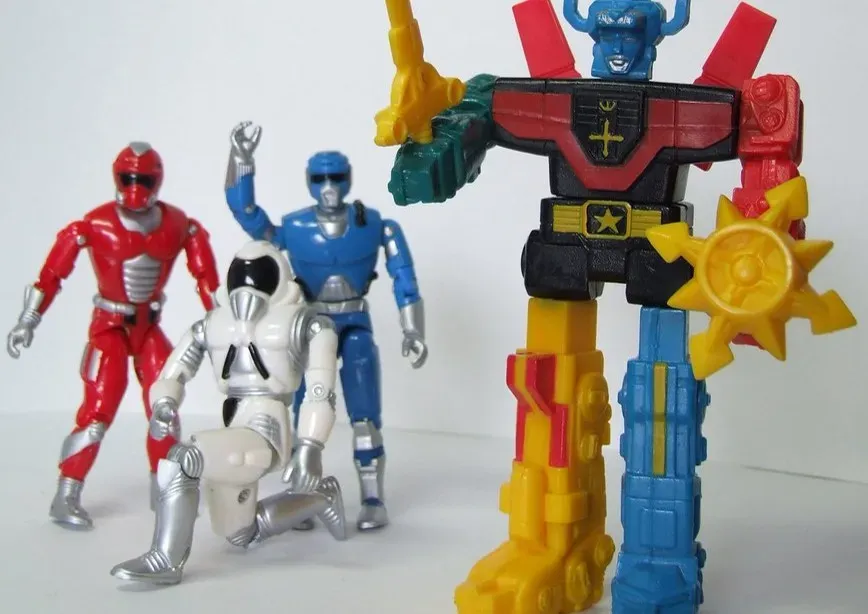
Mighty Morphin Power Rangers turned an entire generation of nineties kids into backyard martial artists. Few fans ever imagined that one of the actors who appeared in the franchise would end up at the center of a real-life crime story far darker than anything the show’s villains attempted. Skylar Deleon, a former child actor who appeared on the popular kids’ series, was found guilty on three counts of first-degree murder.
The details of the crime were almost impossible to comprehend. In November 2004, Deleon murdered a retired couple by tying them to their yacht’s anchor and dragging them into the ocean while they were still alive, an act carried out with the help of accomplices, after forcing the couple to sign over ownership of their boat. He was later convicted on three counts of first-degree murder with special circumstances and sentenced to death, closing one of the strangest and most tragic footnotes in kids’ television history.
5. Barney & Friends inspired genuine hatred, including death threats

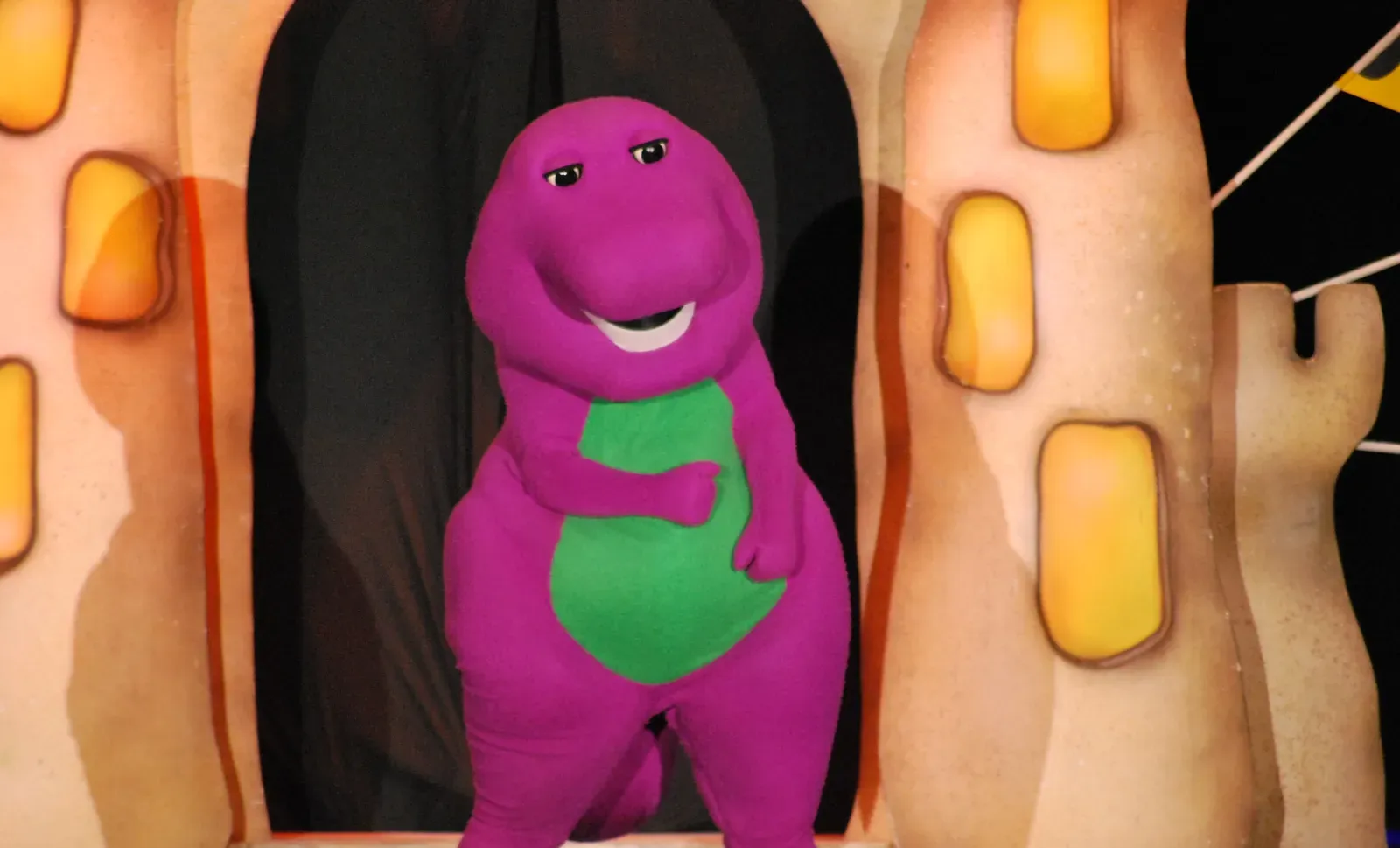
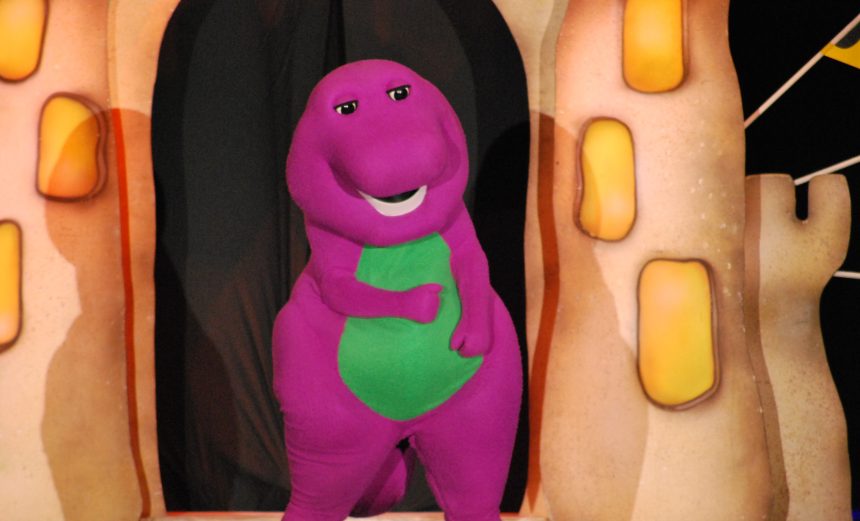
It seems almost absurd that a giant purple dinosaur singing about love could generate real hostility, yet that is exactly what happened during Barney’s peak popularity in the nineties. Bob West, the original voice of Barney, said in a 2024 podcast interview that cast and crew received certain messages that were pretty threatening. The problems only grew once his contact information leaked publicly.
David Joyner, the man who physically wore the seventy-pound costume, faced his own uncomfortable encounters with angry members of the public. He recalled being at a parade in New York when a man in front of a crowd started yelling that he hated Barney, forcing Joyner to try to defuse the situation on the spot. A later Peacock documentary explored how Barney became a genuine target for hate, with actual death threats sent to some cast and crew members, a strange legacy for a show built entirely around gentle messages of kindness.
6. The Brady Bunch masked real tension and personal struggles on set

The Brady Bunch presented one of television’s most idealized families, a blended household where every conflict resolved itself within twenty-two tidy minutes. Behind the cameras, star Robert Reed frequently clashed with creator Sherwood Schwartz, often objecting to storylines he felt were unrealistic or beneath the actors, tensions that later cast members openly discussed in interviews and memoirs. Reed also spent much of his time on the show privately navigating his identity in an industry far less accepting than it is today.
Maureen McCormick, who played Marcia, later wrote candidly in her memoir about struggling with cocaine addiction and severe anxiety during and after the show’s run, a stark contrast to her wholesome on-screen persona. The gap between the Brady family’s cheerful unity and the private struggles of the actors playing them became one of the more quietly unsettling reveals to come out of classic American sitcom history.
7. The Cosby Show’s wholesome image collapsed under a real-world scandal

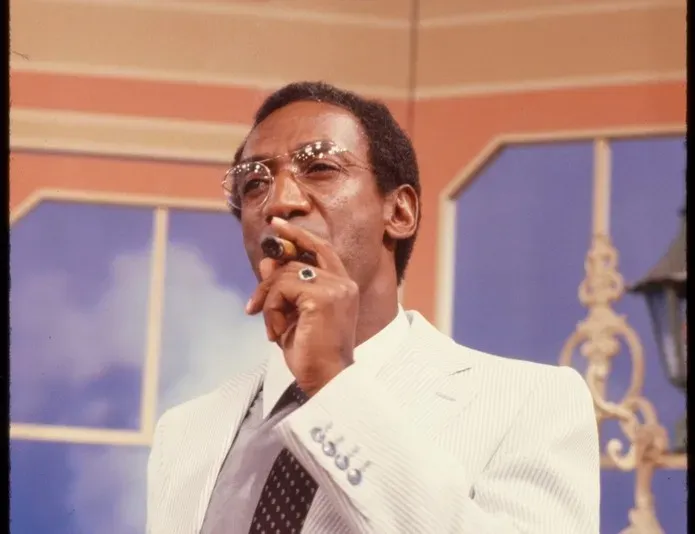
For much of the eighties and nineties, The Cosby Show was held up as a landmark of positive, family-centered television, with Bill Cosby cast as America’s favorite television father. That reputation unraveled dramatically once dozens of women came forward publicly with sexual assault allegations against him spanning decades. In 2018, Cosby was convicted on three counts of aggravated indecent assault and sentenced to state prison, a stunning fall for a figure once considered untouchable in family entertainment.
The story took another turn in 2021, when the Pennsylvania Supreme Court overturned his conviction on procedural grounds, ruling that a prior agreement with a former prosecutor should have prevented the criminal case from moving forward at all. The reversal did not erase the allegations or the civil judgments against him, and it left many longtime fans of the show wrestling with how to separate the beloved sitcom from the man at its center.
Taken together, these seven stories are a reminder that the shows shaping childhood memories were made by real people, working under real pressures, sometimes involving real crimes. None of this erases the genuine joy these programs brought to millions of kids. It simply adds a more complicated, and more honest, layer to the nostalgia.