Stand-up is one of the toughest training grounds in entertainment. You walk on stage alone, with no script supervisor and no second take, and the audience tells you within seconds whether you’re working. It’s no surprise that many performers who learned timing and nerve in comedy clubs went on to build serious acting careers.
The seven actors below all began in stand-up or spent their formative years there. Their later work ranges from sitcoms to blockbusters to Oscar-winning drama, and each story is well documented.
Robin Williams
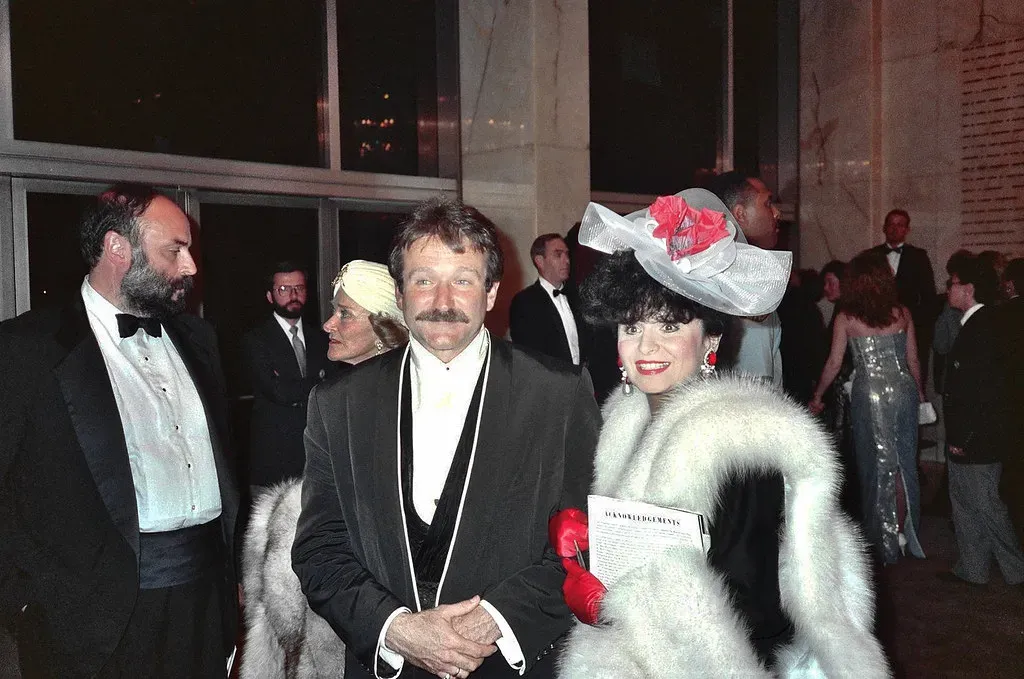
Robin Williams worked the San Francisco and Los Angeles comedy club circuit in the 1970s. He studied at Juilliard before that, so his stage skills were already broad. His manic improvisation on stage helped land him the role of the alien Mork on Happy Days and then the spin-off Mork & Mindy.
He later proved he was far more than a comic. He earned an Academy Award for Best Supporting Actor for Good Will Hunting in 1998. His career is a classic example of stand-up energy being turned into dramatic range.
Jamie Foxx
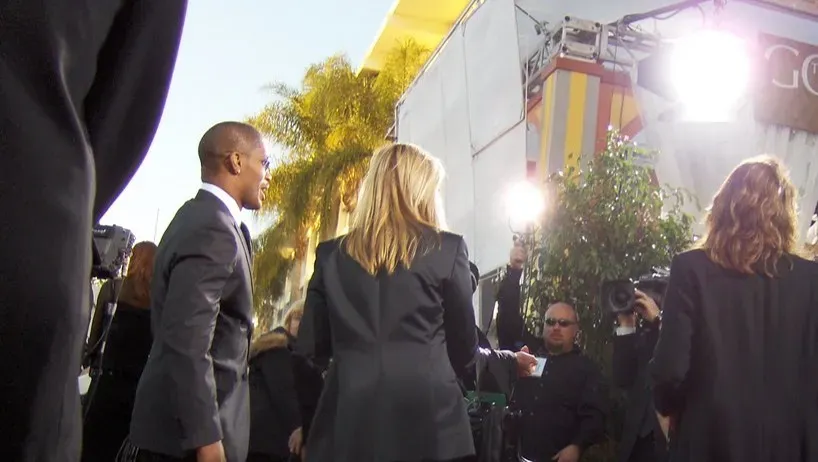
Jamie Foxx began performing stand-up in the late 1980s, after his grandmother encouraged him to pursue the stage. He got his break on the sketch show In Living Color in the early 1990s. That exposure led to his own sitcom, The Jamie Foxx Show.
His dramatic turn came with Ray, in which he played Ray Charles. The performance won him the Academy Award for Best Actor. He also won a Grammy and has remained active in film and television.
Whoopi Goldberg
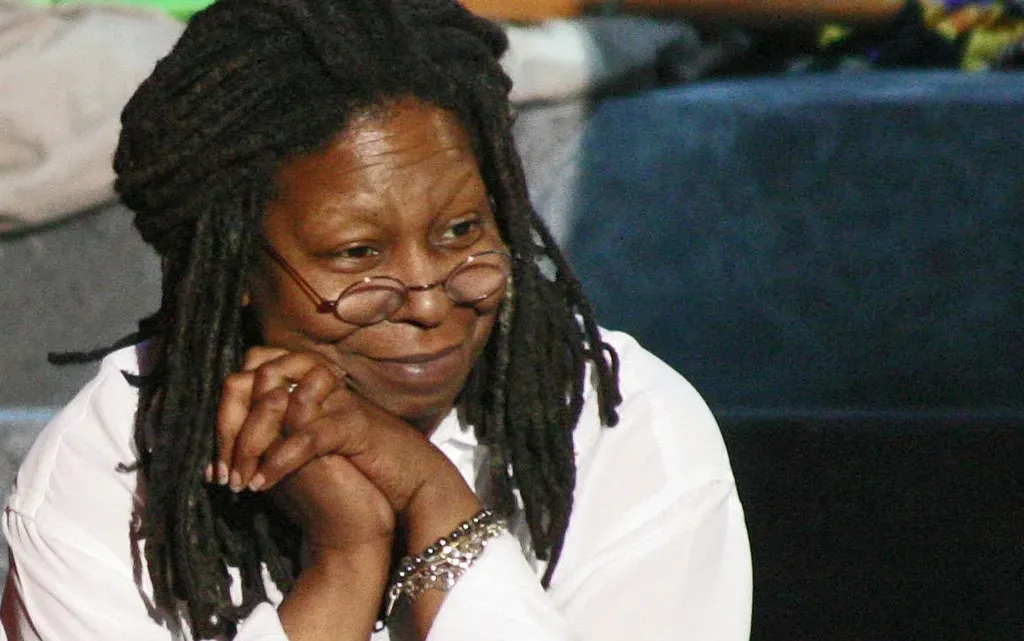
Whoopi Goldberg built her name through solo character-based stage work and comedy before breaking into film. Her one-woman show drew the attention of Mike Nichols and Steven Spielberg. Spielberg then cast her in The Color Purple, which earned her an Oscar nomination.
She won the Academy Award for Best Supporting Actress for Ghost. That makes her one of the few performers to have won an Emmy, Grammy, Oscar and Tony, the combination known as EGOT. Her path shows how comedy and acting can feed each other.
Ellen DeGeneres
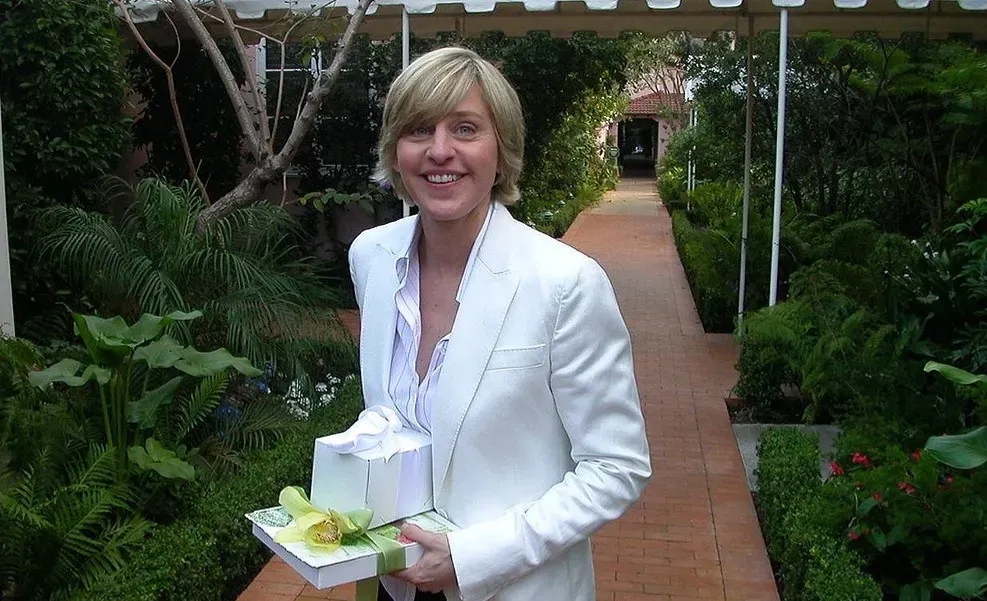
Ellen DeGeneres started in stand-up clubs in New Orleans in the late 1970s and gradually built a national profile. In 1986 she appeared on The Tonight Show, and Johnny Carson invited her to sit on the couch, a rare honor for a newcomer. Her observational style became her trademark.
She went on to star in the sitcom Ellen, and she voiced Dory in Finding Nemo and Finding Dory. Her acting credits are scattered through television and animation, and they trace directly back to her club work.
Kevin Hart
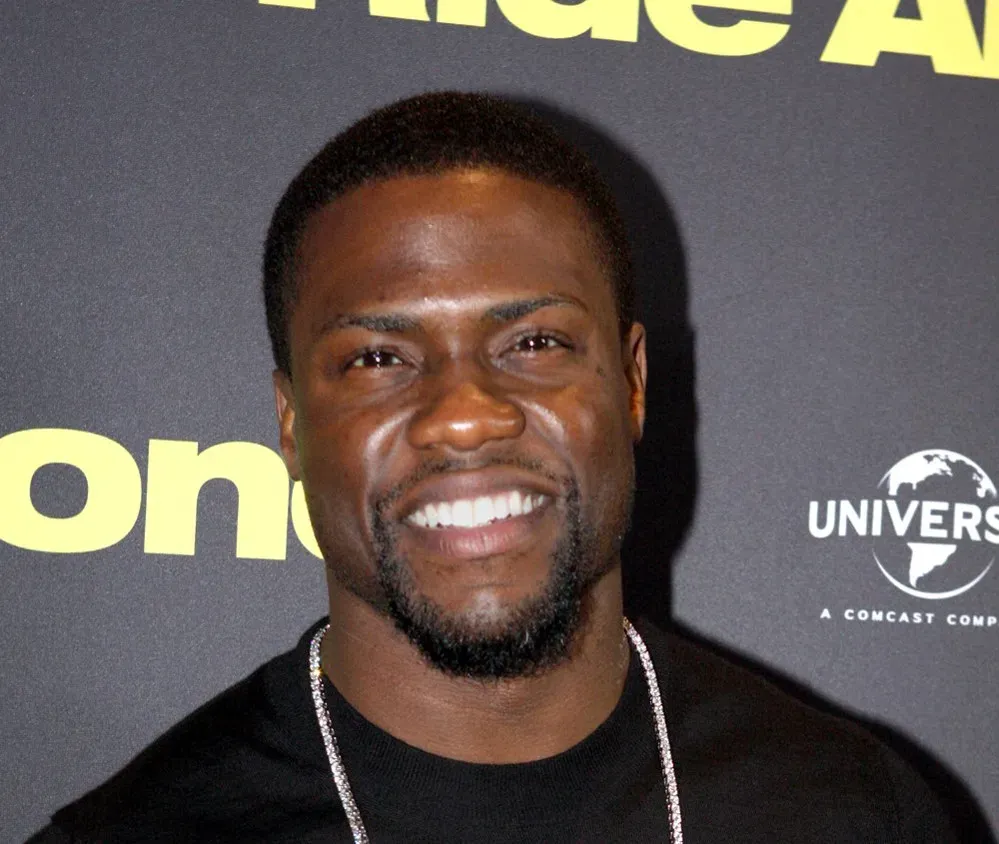
Kevin Hart started performing stand-up in Philadelphia in the late 1990s and slowly worked his way up through clubs. His comedy specials and tours made him one of the biggest live draws in the genre. Film roles followed, including Ride Along and Central Intelligence.
He’s also had a major presence in the Jumanji sequels alongside Dwayne Johnson. Hart’s stage-first approach shows in how he often leans on fast, high-energy delivery on screen.
Bill Burr
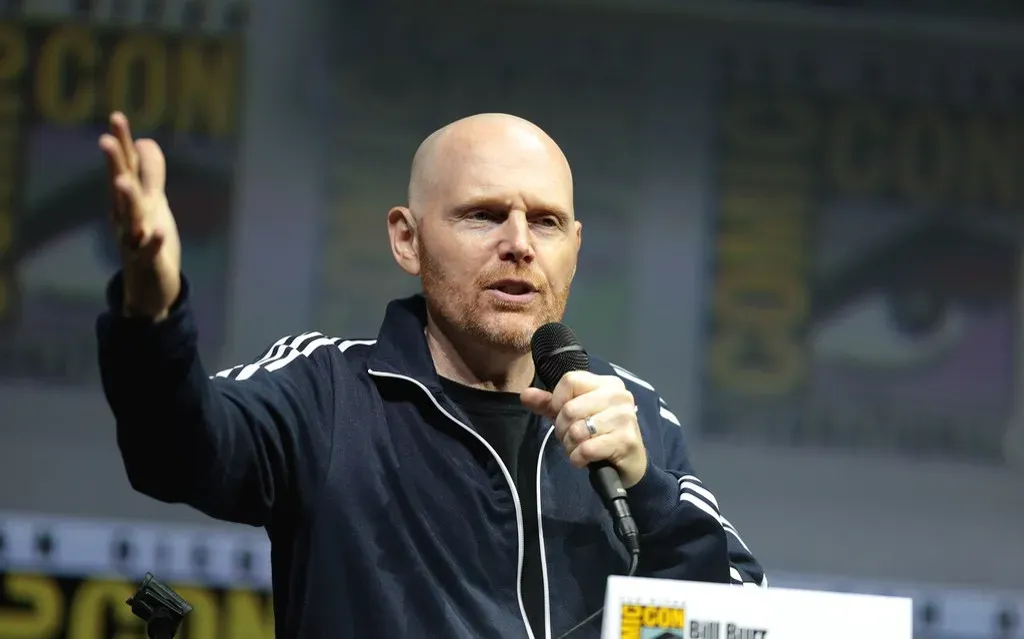
Bill Burr is a stand-up first and an actor second, and he’s open about that. He built his career in Boston clubs, and his specials earned him a reputation for blunt, ranting material. His acting credits include a memorable role in Breaking Bad as Kuby.
He also created and voiced Patrick Kuby in F Is for Family, an animated series based partly on his upbringing. He has appeared in other films and shows, though touring has remained central to his work.
Ali Wong
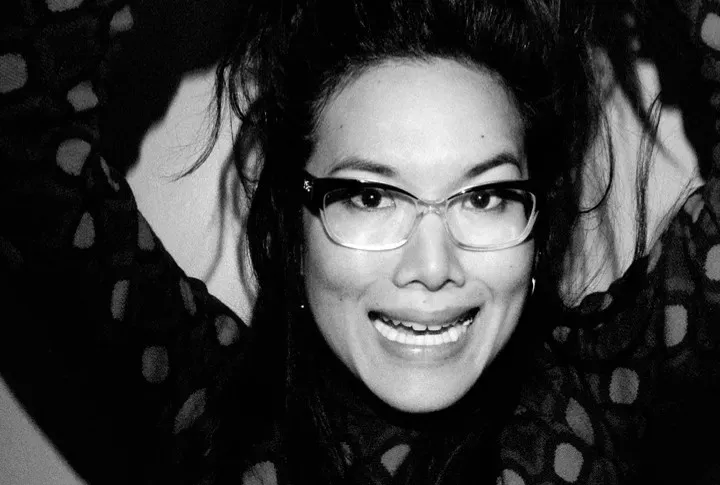
Ali Wong began doing stand-up in San Francisco after college and developed a following on the comedy circuit. Her Netflix special Baby Cobra in 2016 made her a household name. She later wrote for the sitcom Fresh Off the Boat.
Her acting credentials grew with the Netflix film Always Be My Maybe, which she co-wrote and starred in. She also starred in the series Beef, for which she won an Emmy in 2023 for Lead Actress in a Limited Series. It’s a strong modern example of the stand-up-to-screen pipeline.
Taken together, these seven careers show that the club stage can be a surprisingly effective acting school. Timing, audience awareness and fearlessness all carry over. The next time a comedian turns up in a serious film, it may be worth checking where they started.