Hollywood has a way of turning a single casting decision into a financial destiny. The right role at the right time can mean decades of sequels, backend deals, and a net worth that looks more like a national GDP. Yet some actors, staring down checks with more zeros than most people see in a lifetime, said no anyway.
Their reasons ranged from creative instinct to schedule conflicts, from burnout to sheer gut feeling. Sometimes the decision looked brilliant in hindsight. Other times, the numbers told a very different story. These are seven of the most striking cases where an actor walked away from a franchise payday worth millions – and what happened next.
1. Sean Connery Turns Down Gandalf – and an Estimated Fortune
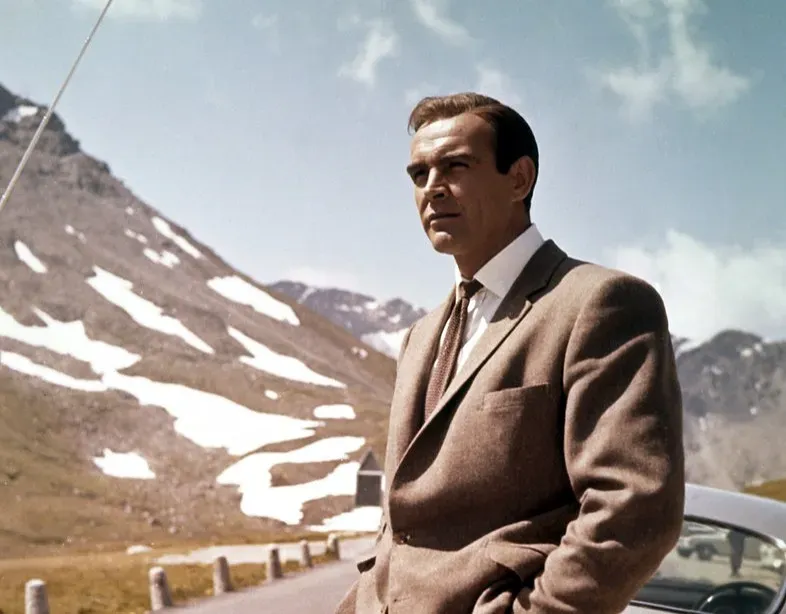
Peter Jackson and his team wanted Connery so badly that they offered not only thirty million dollars upfront, but fifteen percent of the box office earnings. Jackson’s first choice was the late Sean Connery, who turned down the role because he didn’t want to travel from the US to New Zealand, and he also admitted in interviews that he just didn’t understand the material.
A previous report claimed that the late 007 actor was offered fifteen percent of the franchise’s box office gross, which would have turned out to be a paycheck for an estimated four hundred and fifty million dollars. Ian McKellen stepped in and became forever synonymous with the grey wizard. Connery’s decision is widely considered one of the most expensive career passes in cinema history.
2. Will Smith Passes on The Matrix and Neo’s Massive Upside
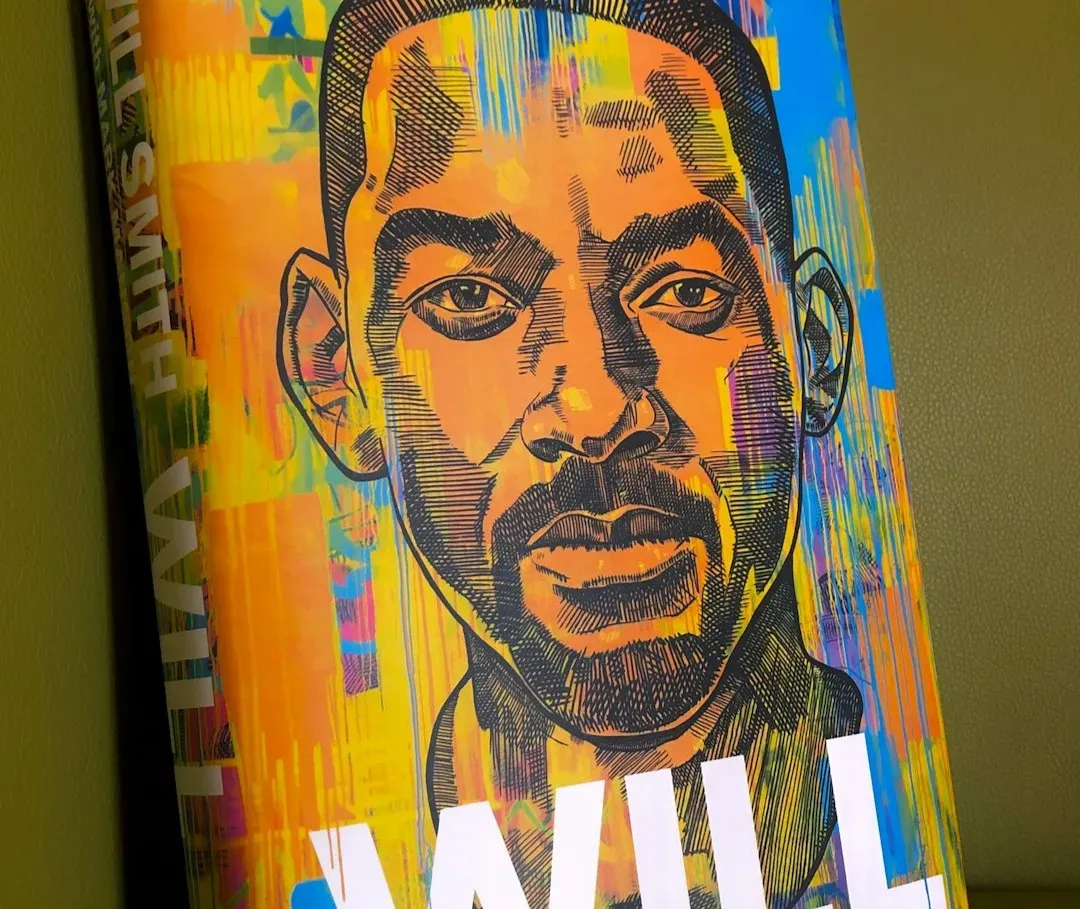
In 1998, following the release of huge box office hits like Bad Boys, Independence Day, and Men in Black, Will Smith was offered the lead role in The Matrix. He turned it down, and the part of Neo went to Keanu Reeves. Years later, Will explained that he passed on the movie because he was unsure about the Wachowskis’ pitch for the film.
By playing Neo in the first Matrix alone, Keanu Reeves garnered ten million dollars off of an upfront salary, not to mention total earnings of thirty-five million dollars after receiving a backend of the movie’s box office profits. Instead of The Matrix, Smith made a movie called Wild Wild West, which remains one of the biggest flops of his career, while The Matrix made over four hundred and sixty million dollars worldwide and sparked a lucrative franchise.
3. Michael Keaton Walks Away From Batman Forever
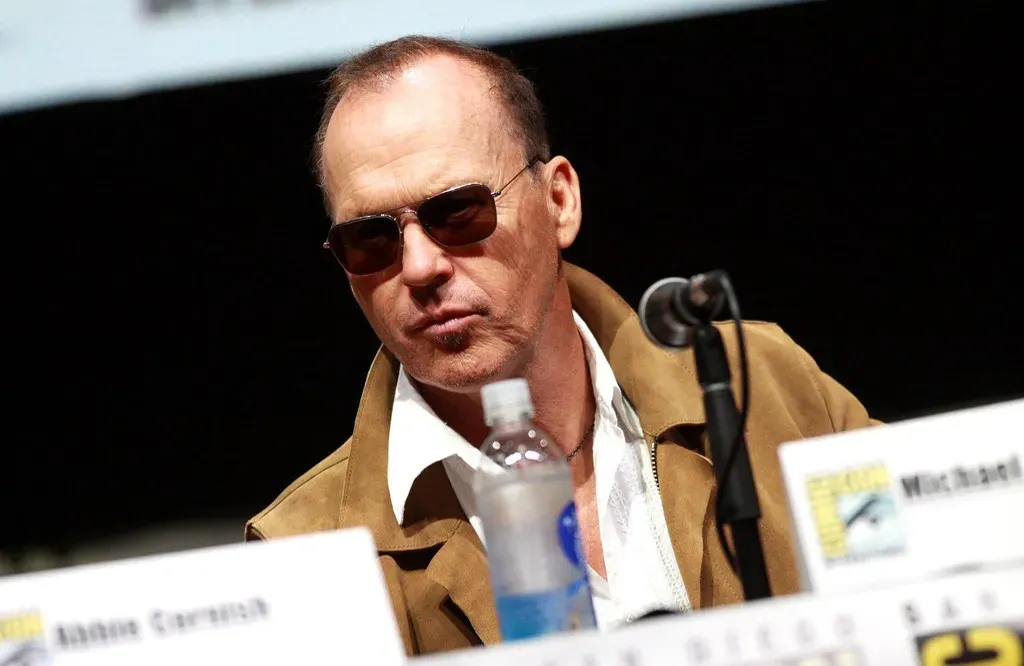
Michael Keaton redefined the superhero genre when he starred in Batman and Batman Returns. He was offered a massive salary to return for a third film directed by Joel Schumacher. Keaton chose to walk away because he did not agree with the lighter and more commercial direction of the script.
He liked playing the character enough that he returned for the second round in Batman Returns, but what stopped him from returning for the third time was Tim Burton’s exit from the director’s chair. The studio essentially fired Burton on grounds that the sequel got too dark, and they wanted to make a more family-friendly film. Since Keaton liked the dark tone and wasn’t a fan of the upcoming comedic shift in direction due for Batman Forever, he walked out the exit room behind Burton. Val Kilmer took the cape instead, and Keaton moved on to a career built entirely on his own creative terms.
4. Matt Damon Declines Avatar – and Roughly a Quarter Billion Dollars
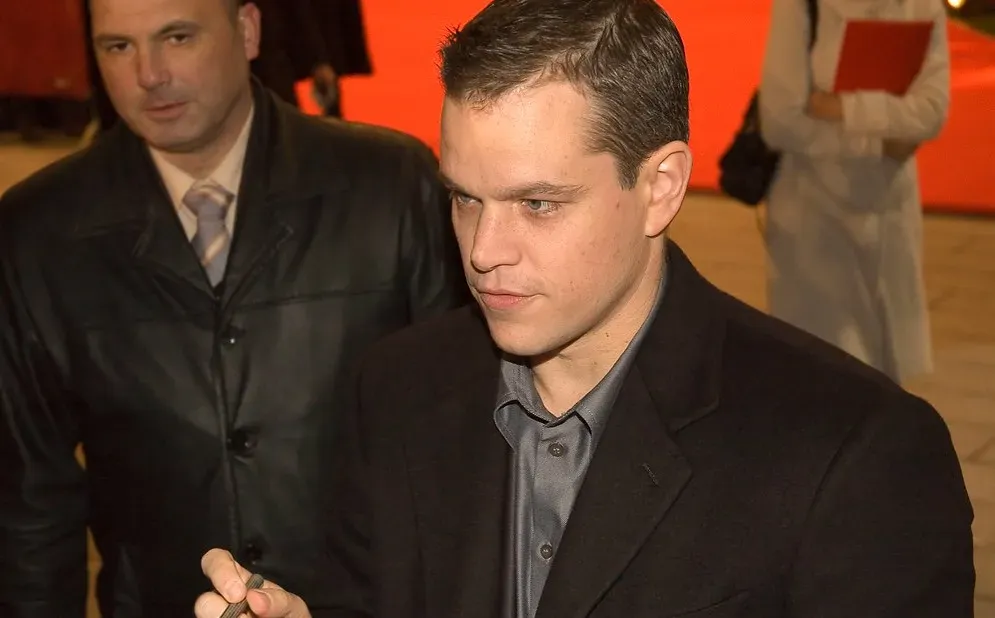
Matt Damon was offered the lead role of Jake Sully in Avatar. He declined due to scheduling conflicts with The Bourne Ultimatum, despite James Cameron’s personal pitch. James Cameron’s sci-fi epic Avatar grossed nearly two point eight billion dollars at the box office, making it the highest-grossing film of all time. Unfortunately for actor Matt Damon, he was unable to say he was part of Hollywood history, as he turned down the lead role of Jake Sully.
To add insult to injury, he was offered ten percent of the box office, and considering that Avatar remains the highest-grossing movie of all time, it’s fair to say he missed out on quite the payday – roughly two hundred and fifty million dollars, to be exact. Sam Worthington took the role and it changed his career overnight, even if Damon’s Bourne commitments at the time made the decision feel reasonable in the moment.
5. Vin Diesel Skips 2 Fast 2 Furious – and Twenty-Five Million Dollars
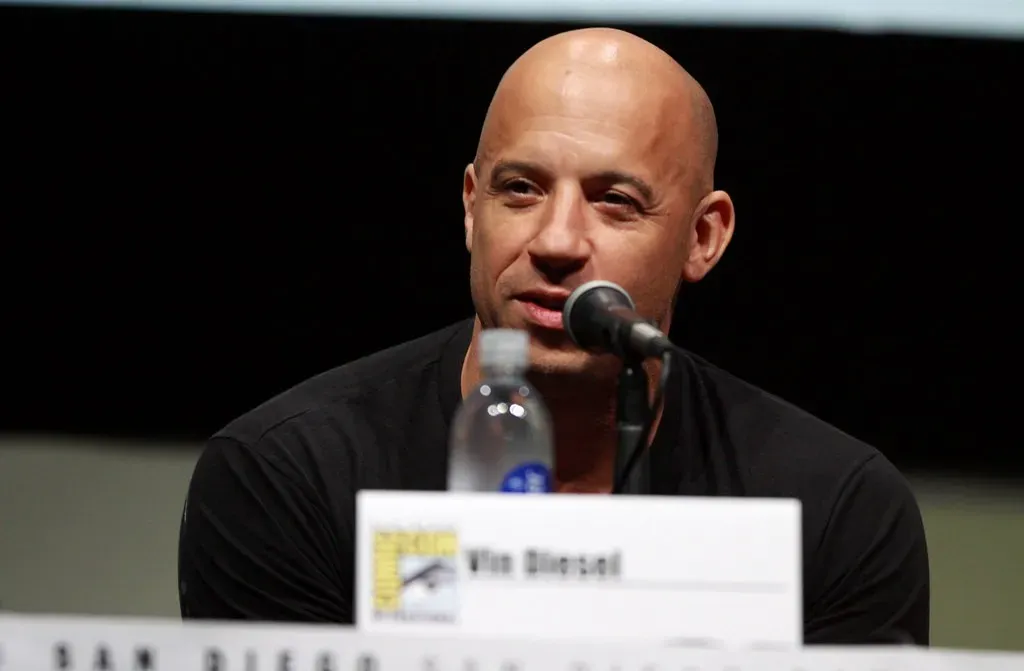
After the success of the 2001 film The Fast and the Furious, lead actor Vin Diesel decided to call it a day. Even though he was offered twenty-five million dollars to return for the sequel film 2 Fast 2 Furious, he declined. He turned down a massive multi-million dollar offer because he felt the script was not as strong as the original. Instead, he chose to star in xXx and focused on building other potential franchises.
He eventually returned to the role of Dominic Toretto for a cameo in the third film and then as the lead in the fourth installment. His return helped transform the series into one of the highest-grossing movie franchises in history. The brief exit cost him one payday, but the long-term arc worked out considerably in his favor. It’s a rare case where walking away actually preserved the value of what he eventually came back to.
6. Will Ferrell Says No to an Elf Sequel Worth Twenty-Nine Million
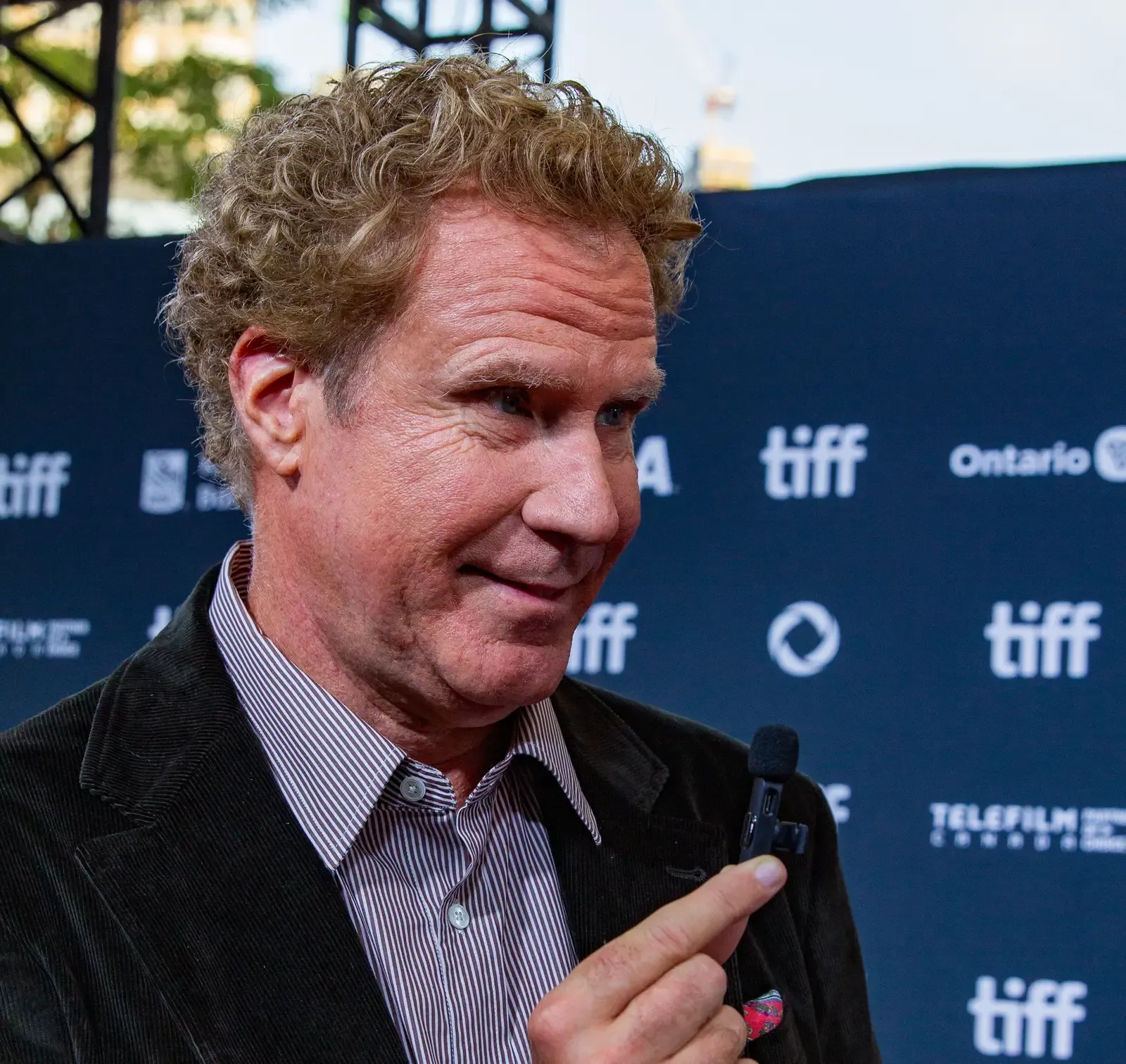
The actor starred in the holiday classic Elf, which became a massive hit for the studio. He was offered twenty-nine million dollars to return for a sequel but he turned it down. Ferrell felt that the story was perfect on its own and a sequel would only tarnish the original. He walked away from what would have been one of the biggest paydays of his career.
His decision preserved the legacy of the film as a standalone masterpiece. Elf remains one of the most reliably watched Christmas films more than two decades after its release, which arguably validates his reasoning more than any box office number could. It’s a relatively rare instance of an actor prioritizing creative integrity over a guaranteed eight-figure check.
7. Henry Cavill Exits The Witcher at the Height of Its Popularity
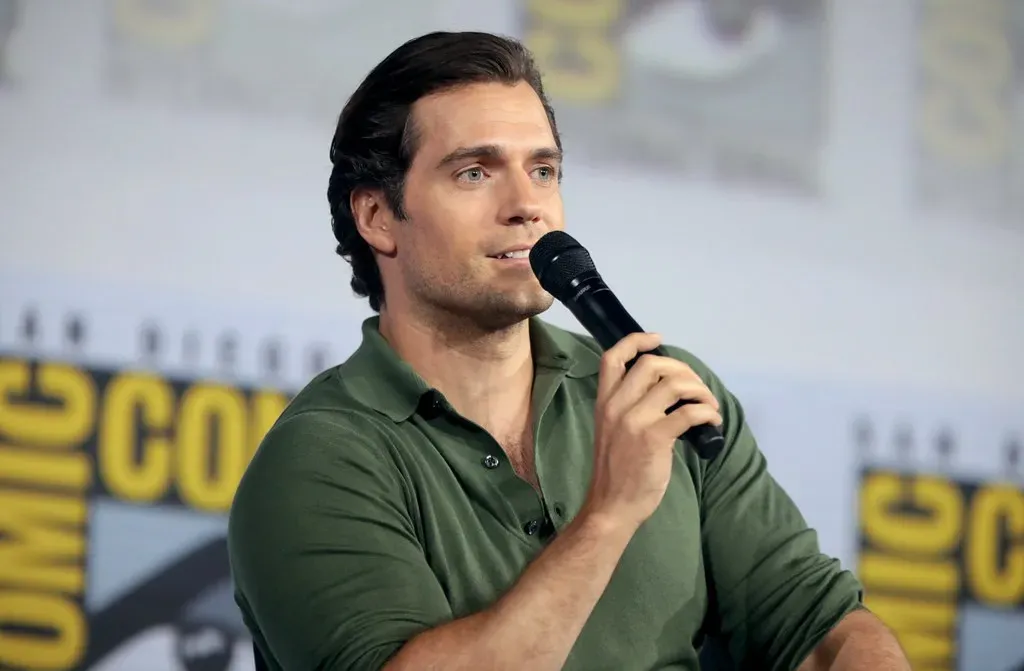
The British actor portrayed Geralt of Rivia in the popular fantasy series The Witcher for three seasons. He shocked fans by announcing his departure from the multi-million dollar production despite the show being one of the biggest hits for the streaming service. While he did not provide a detailed public explanation, many suspected he wanted to pursue other film opportunities or felt the show deviated too much from the source material.
The production decided to continue the series by casting Liam Hemsworth to take over the lead role. Cavill has since moved on to executive produce and star in other major franchise adaptations. His departure remained one of the more discussed casting exits in recent streaming history, particularly given how central he was to the show’s identity. The role, the audience, and a significant ongoing salary all sat on the table – and he left them there anyway.
Each of these cases tells a version of the same story: money, even extraordinary amounts of it, doesn’t always win. Schedules, creative vision, burnout, and simple gut instinct have all proven to be more powerful than a studio’s offer. Whether the choices held up over time varies from actor to actor, but none of them made the decision lightly.