Hollywood loves a good origin story, and some of the best ones start with a no. Plenty of performances that eventually landed on an awards stage began as scripts sitting untouched on a kitchen counter, or roles the actor initially waved off out of fear, doubt, or simple bad timing. What follows are seven cases where hesitation gave way to some of the most celebrated work of an actor’s career.
Matthew McConaughey in Dallas Buyers Club

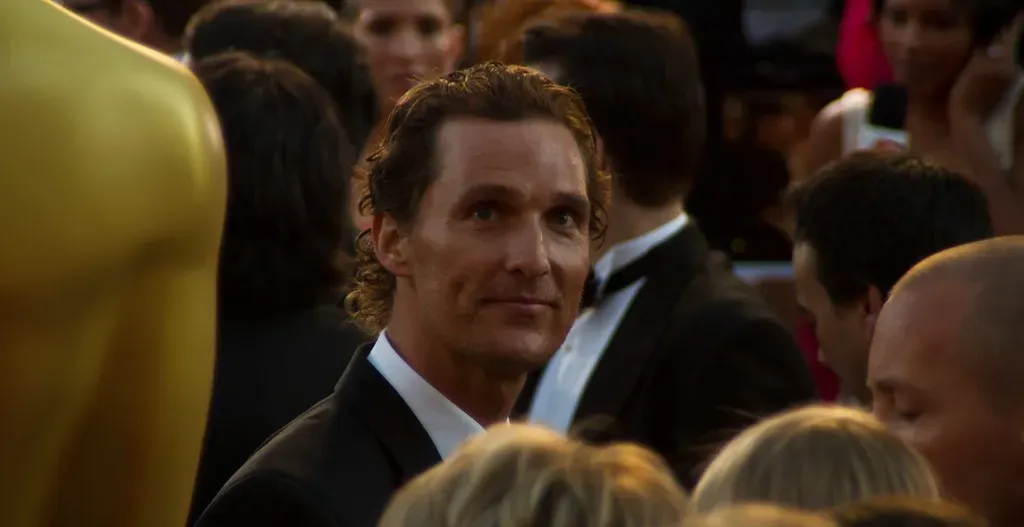
Before McConaughey ever set foot on the set of Dallas Buyers Club, he had a much easier, far more lucrative option sitting in front of him. He had just received an offer of fifteen million dollars against fifteen percent of the backend to star in Universal and Imagine’s big-screen take on Magnum, P.I. Turning that down, especially after a string of underperforming studio films, was not the safe move.
The actor, who first made an impression in Dazed and Confused and A Time to Kill, was coming off a list of underwhelming big studio movies, and after grossing more than $100 million domestically with How to Lose a Guy in 10 Days five years earlier, he couldn’t even break $60,000 in a friend’s indie project. He eventually committed to playing Ron Woodroof, a homophobic Texas cowboy diagnosed with AIDS, for a fraction of his usual pay, and the physical transformation alone made the project feel like a gamble few would have taken. That gamble earned him the Academy Award for Best Actor in 2014.
Charlize Theron in Monster


Theron’s Oscar-winning turn as serial killer Aileen Wuornos almost never happened, and by her own account the hesitation ran deep. Theron admitted she nearly turned down her Oscar-winning role as real-life serial killer Aileen Wuornos in the 2003 film Monster. It was not a matter of scheduling or money. It was genuine self-doubt about whether she could pull the character off at all.
“I didn’t think I could do it at first,” she told Marie Claire Australia. What changed her mind was director Patty Jenkins, who pushed back against that doubt with a level of conviction Theron had rarely experienced in her career up to that point. If it wasn’t for the support of director Patty Jenkins, who convinced her to take on the role, Theron admits she probably wouldn’t have gone through with the part that later won her an Oscar. The performance went on to win Best Actress at the 2004 Academy Awards.
Denzel Washington in Training Day

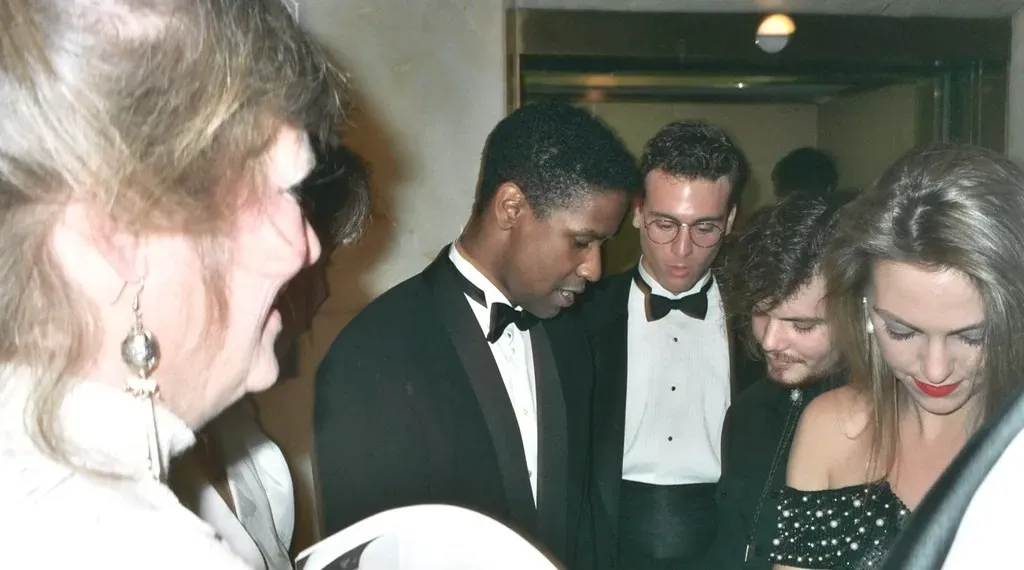
Washington had spent much of his career playing principled, upstanding figures, and that reputation made the role of corrupt narcotics detective Alonzo Harris a strange fit on paper. He was reportedly wary of taking on a character so far removed from the kind of moral center audiences had come to expect from him. Playing an outright villain, one with no redemption arc waiting at the end of the script, was a risk to the image he had carefully built over two decades.
He eventually leaned into it fully, delivering a performance that felt less like a departure and more like a revelation of range nobody had asked him to show. The role earned him the Academy Award for Best Actor in 2002, only the second Black actor at the time to win in that category. It remains one of the more frequently cited examples of an actor’s caution nearly costing the industry a defining performance.
Jack Nicholson in As Good as It Gets

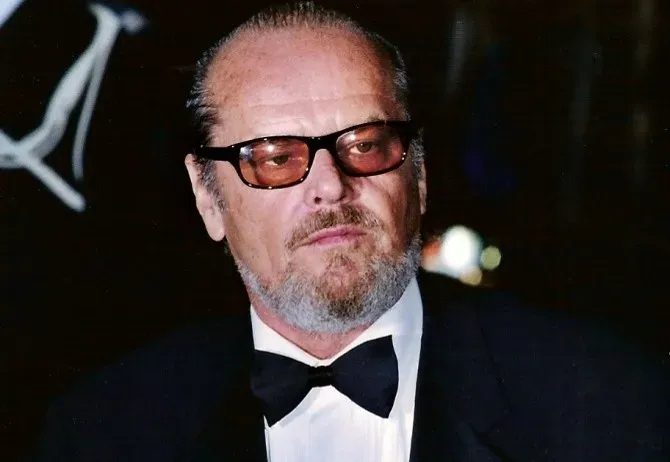
Nicholson had built a career on playing difficult, sharp-edged men, but the character of Melvin Udall, an obsessive-compulsive novelist with almost no redeeming social graces, reportedly gave him pause when the script first came his way. The character’s cruelty toward nearly everyone around him, including a beloved neighbor’s dog, made it a tricky role to want to inhabit for months at a time. There was little in the part that suggested obvious likability, which is usually a warning sign for a leading role in a romantic comedy.
Director James L. Brooks eventually convinced him that the character’s vulnerability, buried under all that abrasiveness, was exactly what made the role worth playing. Nicholson’s performance turned Melvin into one of the more memorable comedic characters of the 1990s, and it earned him the Academy Award for Best Actor in 1998. It was his third Oscar win, a rare feat that only reinforced how close the industry came to missing out on the performance entirely.
Sean Penn in Milk

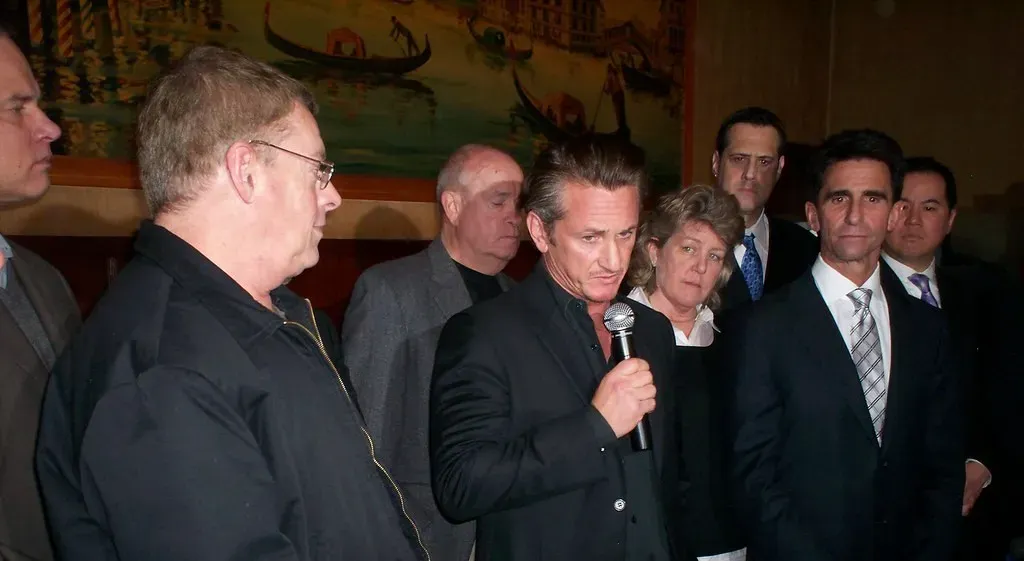
Playing Harvey Milk, the first openly gay man elected to public office in California, was not a role Penn approached lightly, and he reportedly had real reservations before committing. Portraying a genuine civil rights figure carries a different kind of pressure than playing a fictional character, since there is a real community watching closely to see whether the portrayal honors the person’s legacy or flattens it into caricature. Penn, known more for intense dramatic roles than for warmth, seemed like an unusual choice on paper.
Once he signed on, he spent significant time researching Milk’s life, mannerisms, and public speeches to get the portrayal right. The result was widely considered one of the most fully realized performances of his career, and it won him the Academy Award for Best Actor in 2009. The film itself became a touchstone for LGBTQ representation in mainstream cinema well beyond its awards season run.
Kate Winslet in The Reader


Winslet’s path to playing Hanna Schmitz in The Reader was anything but straightforward, and scheduling conflicts nearly kept her out of the film altogether. Nicole Kidman had originally been attached to the role before dropping out due to pregnancy, which reopened the door for Winslet, who had her own reservations about balancing the demanding shoot with other commitments at the time. The role required extensive nudity and a morally complicated character tied to Germany’s postwar reckoning with its Nazi past, subject matter that made many actresses cautious.
Winslet ultimately stepped into the role, delivering a performance that critics singled out as one of the finest of her career. It earned her the Academy Award for Best Actress in 2009, her first Oscar win after five previous nominations. The long road to accepting the part only made the eventual recognition feel more earned within the industry.
Renée Zellweger in Cold Mountain


Zellweger’s role as the fiercely independent Ruby Thewes in Cold Mountain required her to strip away nearly every trace of glamour that had defined her earlier romantic comedy roles, and reports at the time suggested she was hesitant about the drastic shift. The character demanded a rougher physicality, a thick Southern dialect, and an appearance far removed from the polished image audiences associated with her. For an actress coming off lighter fare, the change was a considerable risk to her established screen persona.
She committed to the transformation anyway, and the performance stood out as one of the most distinctive supporting turns of that awards season. Zellweger won the Academy Award for Best Supporting Actress in 2004 for the role. It marked a turning point that showed she could carry weighty dramatic material just as convincingly as comedic ones.
Looking back at these seven cases, the pattern is fairly consistent. Doubt, fear of image damage, scheduling headaches, or simple uncertainty about a character’s darkness kept each actor on the fence before someone, whether a director, a producer, or their own second thoughts, tipped the decision toward yes. The awards that followed suggest that sometimes the performance an actor resists the hardest ends up being the one audiences remember longest.