Hollywood has always had a knack for putting the wrong names on the marquee. While studios chased conventional star power, a quieter truth played out on screen: the actress in the supporting slot was often doing the most interesting, most technically demanding work in the room. Audiences felt it even when critics and awards bodies didn’t quite catch up. These are the performers who kept elevating films and television series from the inside out, injecting life into roles that scripts sometimes barely described. Their work didn’t always come with a trailer or a poster, but it lingered far longer than the headline performances above them.
Thelma Ritter: The Scene-Stealer Hollywood Never Properly Crowned

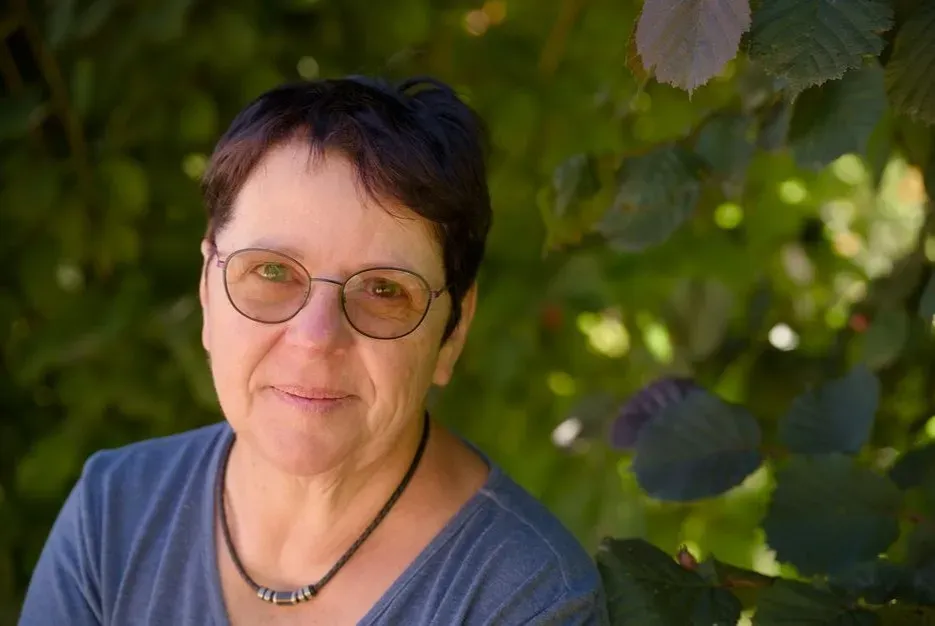
Thelma Ritter was an American character actress known for her strong New York City accent, diminutive size, and plain look, and she favored working-class roles. She earned a Tony Award and six Academy Award nominations for Best Supporting Actress, more than any other actress in that category in history. Six nominations. Not one win. That gap alone tells a story about how Hollywood calibrated its rewards.
Those nominations spanned performances in films including All About Eve, Pickup on South Street, Pillow Talk, and Birdman of Alcatraz, with additional memorable roles in Rear Window and The Misfits. In nearly every one of those pictures, she arrived, said exactly what needed to be said, and made the lead actors look better for sharing a frame with her. Ritter was a quintessential character actress whose sharp wit and relatable portrayals endeared her to audiences, and though often in supporting roles, her performances were pivotal in adding depth and humor to every film.
Agnes Moorehead: Orson Welles Knew, Hollywood Forgot

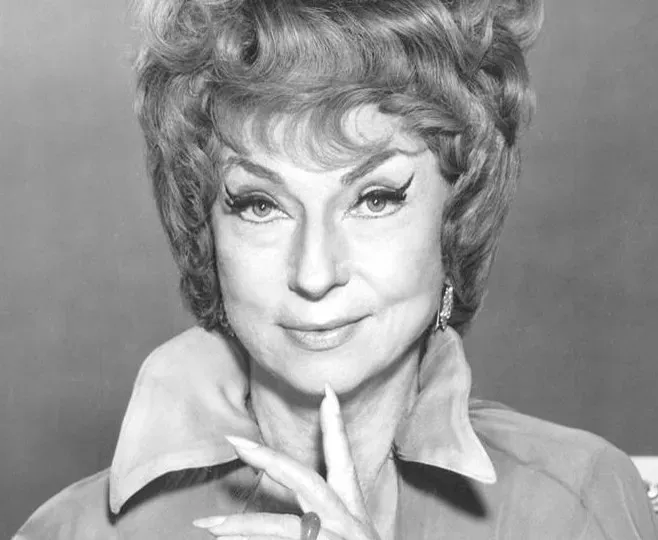
Brought to films by Orson Welles as part of his Mercury Players, Moorehead quickly became one of the industry’s busiest character actresses and eventually earned four Oscar nominations. Her debut was Citizen Kane, which is not exactly a minor entry point. From there, she built a career rooted in precision and intensity that few of her contemporaries could match.
Agnes performed numerous times on television before landing the role of Endora on Bewitched, and one particularly interesting part came through the director Douglas Heyes, who cast her in the starring and only role in The Invaders, where as a lonely old woman confronted by tiny alien invaders she never utters a single word and acts her scenes as a pantomime of unspoken terror. The range on display in that performance alone marks her as someone working at a genuinely different level. The genial Agnes Moorehead was eventually immortalized as Elizabeth Montgomery’s witch-mother Endora, though that was not a role she wished to be remembered for, despite earning her several Emmy Award nominations.
Melanie Lynskey: A Career-Long Lesson in Being Overlooked

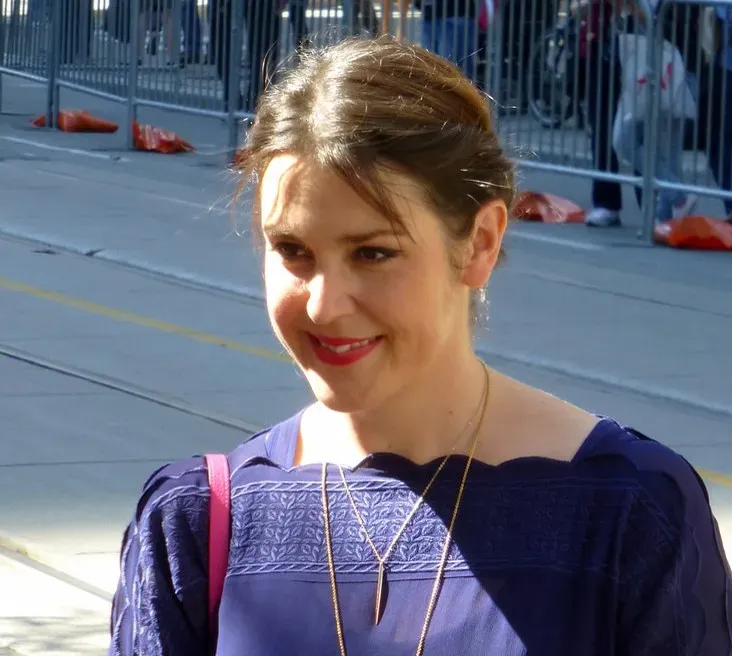
Lynskey’s professional debut came at age fifteen with a starring role in Heavenly Creatures, a psychological drama based on a 1950s murder case, where she portrayed Pauline Parker, a schoolgirl who conspires to kill her mother. She was discovered alongside Kate Winslet, and from that very first film, critics recognized something rare in her work. Jackson and Walsh only found Lynskey after auditioning over five hundred actresses, and she went on to score the Best Actress trophy from the New Zealand Film and TV Awards for the role.
Melanie Lynskey was an acting powerhouse long before her softly ferocious performance as Kathleen in The Last of Us, though the actress didn’t receive leading roles until the mid-2010s, even as the indisputable magnitude of her performances etched themselves into the minds of casual moviegoers and film buffs alike. She spent years as a reliable supporting presence in films like Ever After and Up in the Air. Since 2021, she has starred as Shauna on Yellowjackets, winning the 2022 Critics’ Choice Award for Best Actress and earning two Primetime Emmy Award nominations for Outstanding Lead Actress. That recognition, arriving decades into her career, only underscores how much time was lost.
Kathryn Hahn: Decades of Scene-Stealing Before Anyone Gave Her the Lead

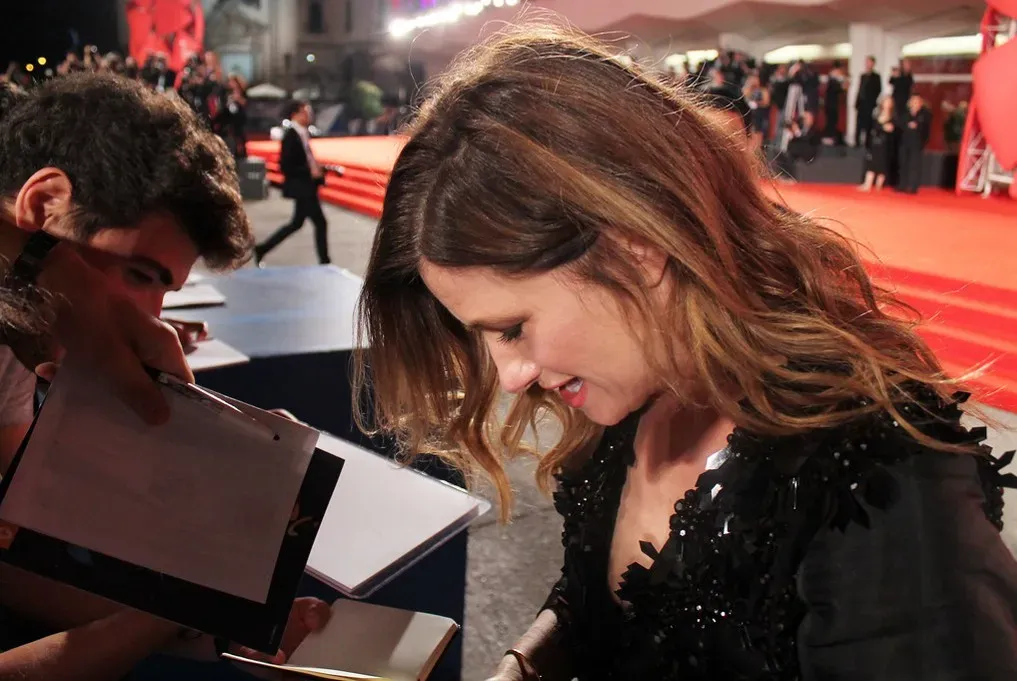
The Kathryn Hahn renaissance is well underway, though the actress spent decades building a steady career as a character actor in comedy films and television, with roles in Anchorman, We’re the Millers, Girls, and Parks and Recreation. She was consistently the funniest person in films where someone else got billing. The industry kept filing her under “reliable supporting player” while she was quietly building one of the most technically precise comic resumés in the business.
Partner offer

Alongside indie dramas like Afternoon Delight and Private Life, Hahn built an impressive run of television work through ensemble projects like Transparent and leading roles in series such as HBO’s Mrs. Fletcher, and her career completely exploded into the mainstream after the MCU’s WandaVision in 2021, establishing her as a fan-favorite and eventually earning her own spin-off series, Agatha All Along, in 2024. Since 2025, Hahn has been starring in the critically acclaimed Apple TV+ comedy series The Studio as Maya Mason, a role which earned her a nomination for a Primetime Emmy Award for Outstanding Supporting Actress. Still, it took more than twenty years of unmistakable performances to get there.
Carrie-Anne Moss: Trinity Was Just the Visible Surface

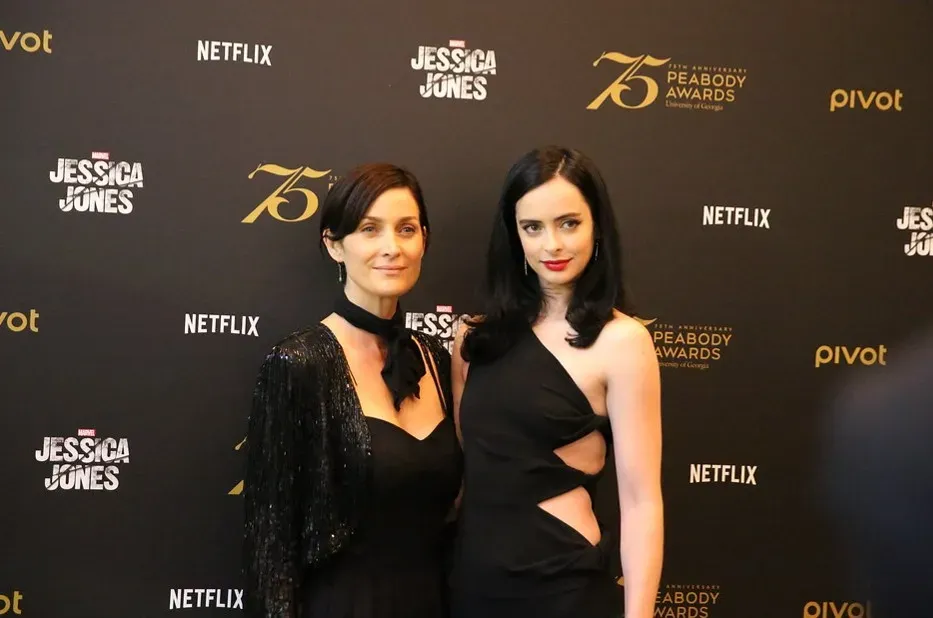
The sleek, black-coated silhouette sprinting across rooftops in The Matrix didn’t just make Trinity iconic, it rewired what blockbuster action heroines could look like, yet the sunglasses-and-kung-fu cool is only one corner of her skill set: she has been razor-precise in puzzle-box thrillers like Memento and carried grounded intensity on television in Jessica Jones without leaning on “tough” as a shortcut.
When a performer can sell physical choreography and quiet emotional math at the same time, Hollywood usually builds vehicles around them, yet Carrie-Anne Moss has had to keep proving it project by project, which is exactly why she still belongs in bigger, riskier leading roles, not just as the best supporting presence in the room. The Matrix franchise made her face globally recognizable. What it didn’t do was convince studios to build a story around her from the first frame.
Rose Byrne: Twenty Years of Range, Half the Recognition

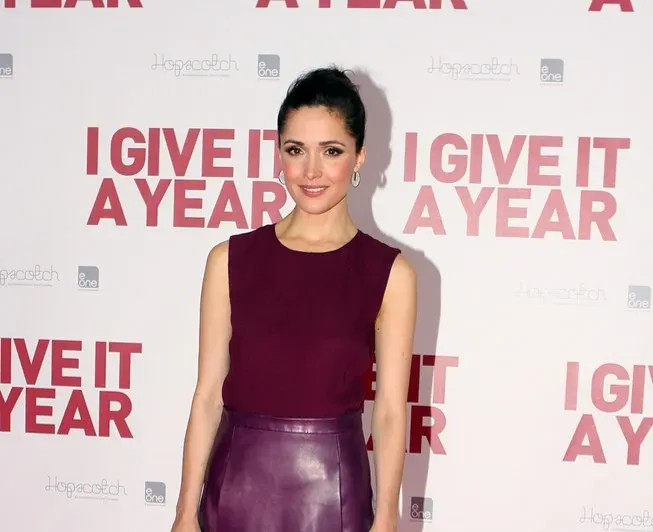
Rose Byrne has showcased remarkable range across both comedy and drama for over two decades, earning significant praise for her role in the television series Damages and later transitioning into a comedic powerhouse with Bridesmaids, while her more recent work in the series Physical demonstrates her ability to portray complex, internal struggles with dark humor. That kind of breadth is genuinely unusual. Most careers land on one side of the dramatic divide and stay there.
Despite her consistency, she is often excluded from the conversation of elite leading ladies. In Bridesmaids, she played the so-called antagonist to Kristen Wiig’s lead, but ask anyone who watched it carefully and many will tell you her performance is the more controlled and technically sophisticated of the two. Her timing in that film is nearly flawless, and yet the awards conversation barely touched her. It’s a pattern that has repeated itself throughout her career.
Lena Headey: More Than Cersei, Less Than She Deserved

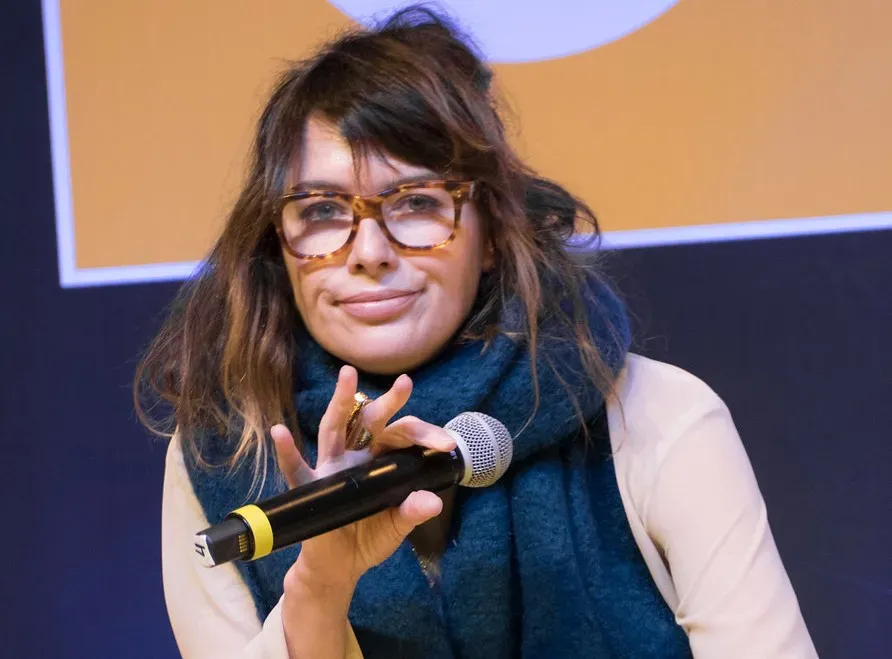
Lena Headey has the kind of intensity that can sharpen a scene like a blade, and while a lot of people file her under Cersei, that is only one proof point: she is fierce and physical in 300, deliciously hard-edged in Dredd, and surprisingly tender and funny when the script gives her room, with a way of making heightened worlds feel lived-in and not merely costumed. She spent eight seasons on Game of Thrones elevating what was already a prestige drama, and was nominated for Emmy Awards without ever winning one for the role.
Hollywood clearly loves borrowing her authority to level up ensembles, yet it rarely hands her a story that belongs to her from frame one, which is why she still reads as underused even with a resumé most actors would envy. There’s something particularly pointed about that dynamic. She made Cersei Lannister one of the most discussed characters in television history, and the industry’s response was essentially to keep casting her as the most interesting person in someone else’s story. Her talent demanded more than that, and still does.
The pattern across all seven of these careers is hard to ignore. Hollywood consistently confused star wattage with acting ability, and the women who paid the price were often the ones doing the most nuanced, most durable work on set. Recognition, when it finally arrived, was usually late. Some of it is still overdue.Partner offer
Planning a trip to Vegas?
Compare hotel rates and show tickets on VEGAS.com.