



Some films are not built for comfort. They don’t want you to lean back and relax. They want you to flinch, to look away, to sit with something deeply unpleasant for two hours and still not leave the room. These movies occupy a strange corner of cinema where art and ordeal become almost indistinguishable.
What’s genuinely curious is that people keep returning to them – not just horror fans, but casual viewers, students, critics, and curious souls who can’t quite explain the pull. Psychologists call this “benign masochism” – the enjoyment of negative sensations in a safe context. The screen provides a container for experiences that would be unbearable in real life. The eight films below push that container to its absolute limit.
1. Requiem for a Dream (2000)

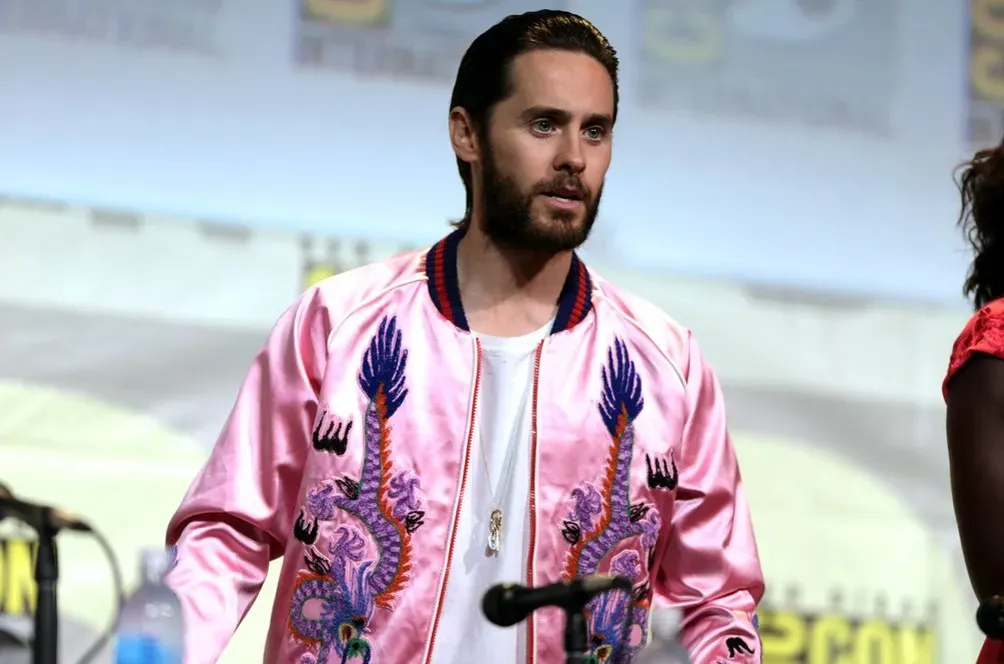
Darren Aronofsky’s portrait of addiction is relentless in a way that feels almost punitive. Four characters spiral into dependency – on heroin, on amphetamines, on the desperate need to feel significant – and the film never softens a single moment of their descent. The editing is aggressive, the sound design invasive, and the final act is structured like a controlled demolition of human dignity.
What keeps people watching is precisely what makes it unbearable. When certain scenes make you cringe or look away, the writers and directors feel they have successfully done their job – these genres are supposed to leave people thinking about what would really happen if someone were in the same situation as the characters. Requiem for a Dream functions less as entertainment and more as a visceral argument against self-destruction. That argument lands hard because it never lets you look away from the cost.
2. Irréversible (2002)

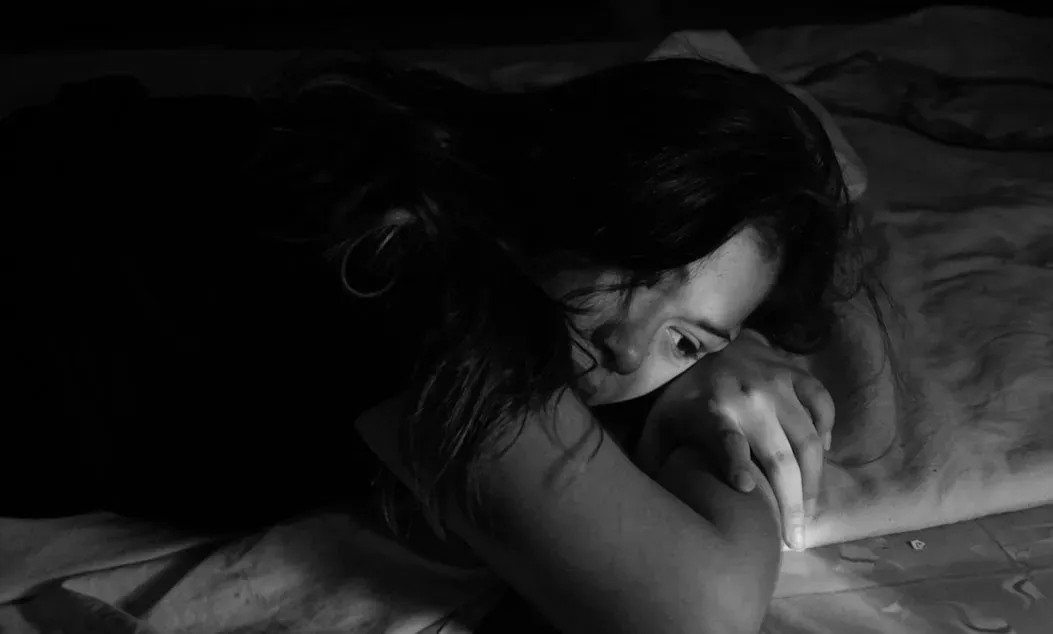
Gaspar Noé’s film runs in reverse chronological order, beginning with its most violent moment and working backward to something almost tender. The reverse timeline is more than just a gimmick – it highlights the destruction and trauma inflicted by abuse, with the film progressing backward over the course of one night in several episodes. The most disturbing of these is a nine-minute sequence filmed in a single shot, considered unwatchable by many viewers.
Noé’s film features only two violent sequences, but they are crafted with such visceral intensity that they leave an indelible mark, forcing you to confront the nausea and dread that should accompany every on-screen depiction of violence or trauma. Irréversible is not entertainment, but it is a serious statement. The reverse structure means you already know the ending when you see the beginning, which transforms the final, peaceful images into something almost unbearably sad.
3. Hereditary (2018)


Ari Aster’s debut feature begins as a grief film and gradually becomes something else entirely. The horror is introduced slowly, through family tension, miniature dioramas, and a performance from Toni Collette that remains one of the most physically committed turns in modern horror. The film earns every scare through character before it earns any through spectacle.
The world of horror cinema contains a special category of films that transcend typical scares to become genuinely traumatizing experiences – movies that leave viewers profoundly disturbed, often combining graphic violence, psychological torment, and taboo subject matter. Hereditary sits firmly in that category. Its discomfort comes not from gore alone but from the feeling that the family never stood a chance, that something was decided long before any of them were born.
4. Funny Games (1997 / 2007)

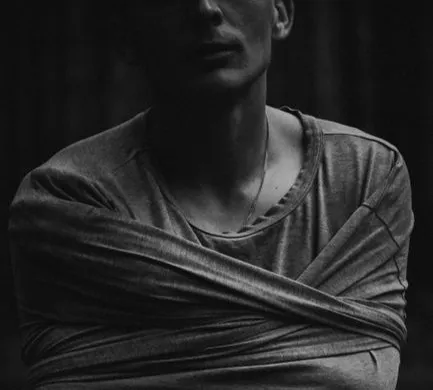
Michael Haneke made this film twice – once in Austrian German, once in English with American stars – because he wanted American audiences to feel the full weight of what he was saying about screen violence. Two young men take a family hostage and proceed to torture them across a long weekend. There is no catharsis, no heroic reversal, and no release. That is the entire point.
Haneke breaks the fourth wall deliberately and often, having one of the killers wink at the camera or rewind the film when the plot momentarily turns against him. It’s an accusation directed at the audience: you chose to watch this. This transgressive appeal isn’t about wanting to do terrible things in real life – rather, it’s about intellectual and emotional curiosity. Horror films ask questions that other genres often avoid: what would you do to survive? Funny Games refuses to answer that question cleanly, which is exactly why it lingers.
Partner offer

5. Salò, or the 120 Days of Sodom (1975)


Pier Paolo Pasolini’s film follows four corrupt Italian fascists who, in the aftermath of Mussolini’s regime during World War II, kidnap a group of young men and women and subject them to four months of mental, sexual, and physical torture, degradation, and sadism. Pasolini is making political points about how absolute power corrupts absolutely – the four men represent the church, the political establishment, the aristocracy, and the legal system – but the sheer relentless suffering is almost beyond belief, and the film was banned in several countries.
Salò is perhaps the clearest example of a film that demands something from its viewer beyond passive reception. It refuses to be enjoyed in any conventional sense. Film scholars and students return to it not for pleasure but because its argument about fascism, power, and the dehumanization of the powerless remains as coherent and disturbing as when it was made. Pasolini was murdered before it was released, which gives the film a particular, unshakeable weight.
6. Antichrist (2009)

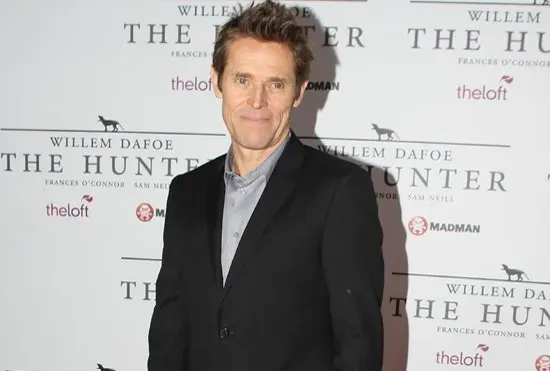
Even by Lars von Trier’s standards, Antichrist is bleak. Despite its biblical title, the film is about all-too-human grief and trauma. Following the death of their son, a woman and her husband retreat to an isolated cabin to heal – and the result is madness and mutilation. Von Trier wrote it while hospitalized for depression, and the film channels that depressive episode directly onto the screen.
There is genuine beauty in the film’s early sequences, shot with a glacial, almost classical elegance. That beauty makes what follows harder to bear, not easier. Von Trier is no stranger to controversy – when he’s not contending with the MPAA, he may be dealing with walkouts during screenings at film festivals. Antichrist has provoked all of that and more, yet scholars and cinephiles return to it because its depiction of grief unraveling into chaos carries a psychological truth that more conventional films won’t touch.
7. Martyrs (2008)

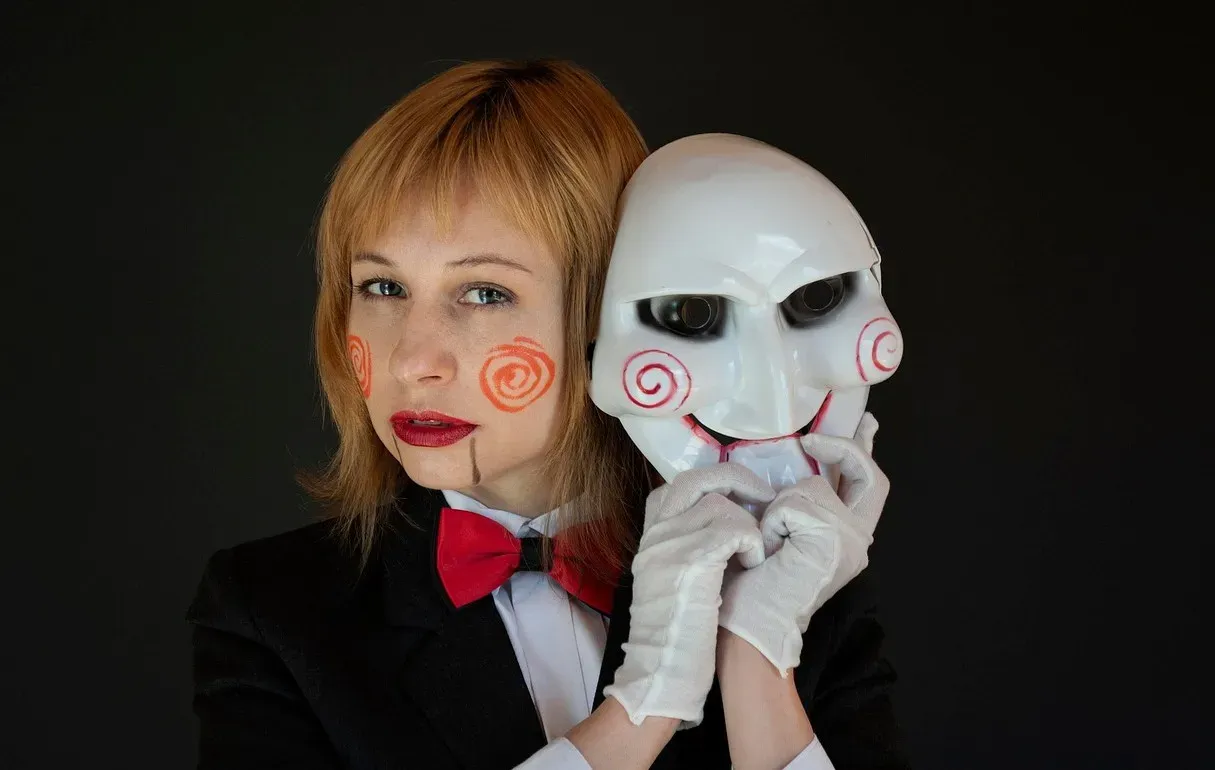
Pascal Laugier’s French horror film belongs to what critics have called the New French Extremity movement. The early 2000s saw the emergence of a particularly brutal wave of French horror films that pushed boundaries with their unflinching depictions of violence and psychological torment. Martyrs is the movement’s most debated entry, beginning as a revenge thriller and shifting midway into something genuinely philosophical about suffering and transcendence.
The influence of Martyrs can be seen in comparatively lighter efforts such as The Hunt and Fresh, in which chaos is orchestrated by the agendas of secret societies. The film’s final act makes an argument – disturbing, possibly nihilistic, possibly profound – about what extreme pain might reveal. Viewers disagree sharply on whether that argument holds up. That disagreement is part of what keeps drawing people back to it.
8. A Serbian Film (2010)

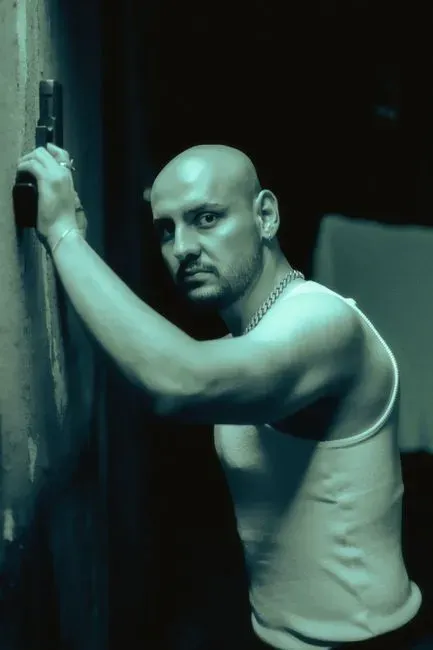
No discussion of extreme cinema can exclude director Srđan Spasojević’s A Serbian Film, which has become synonymous with transgressive cinema. The film follows an aging porn star lured back for one final project, only to become entangled in a world of unspeakable depravity. It contains scenes of such extreme sexual violence that it has been banned in multiple countries.
Even hardened horror fans often cite it as a film they wish they could “unsee.” Spasojević has described it as a metaphor for Serbia’s political and social trauma – a country violated by its own systems of power. Whether or not that framing justifies the content is a question without a clean answer. What’s undeniable is that the film provokes a genuine, visceral reaction, and for a certain kind of viewer, that reaction is itself the reason to watch.
There’s something honest in admitting that these films exist on a spectrum. Some of them, like Hereditary or Requiem for a Dream, have entered mainstream cultural conversation. Others, like Salò or A Serbian Film, remain at the extreme edge of what audiences are willing to engage with. The dividing line between art and provocation is rarely as clear as we’d like it to be.
Research points to horror and disturbing media as a type of “benign masochism” through which people seek pleasure from experiencing frightening scenarios in a safe, imaginative way. By providing a vast space for emotional and cognitive play, frightening entertainment allows us to build and display mastery over situations that would be terrifying in real life. That may be the most honest explanation available: we watch these films because they let us rehearse fear, grief, and moral complexity without the consequences of living through them. The screen holds the darkness steady while we decide how much of it we can take.
Partner offer
Planning a trip to Vegas?
Compare hotel rates and show tickets on VEGAS.com.


