Hollywood likes to pretend its casting decisions are seamless, but the truth is messier. Every so often, a leading lady shows up to work and finds out, through a trade paper or a phone call from her agent, that she no longer has a job. Sometimes the reason trickles out later. Sometimes it never really does, and the industry just moves on as if the swap was always the plan. The stories below span from classic Hollywood musicals to prime time sitcoms and modern blockbuster franchises. What they share is a sudden, often cold, transition from one actress to another, frequently with the studio offering little more than a vague statement to the press.
Judy Garland loses Annie Get Your Gun to Betty Hutton

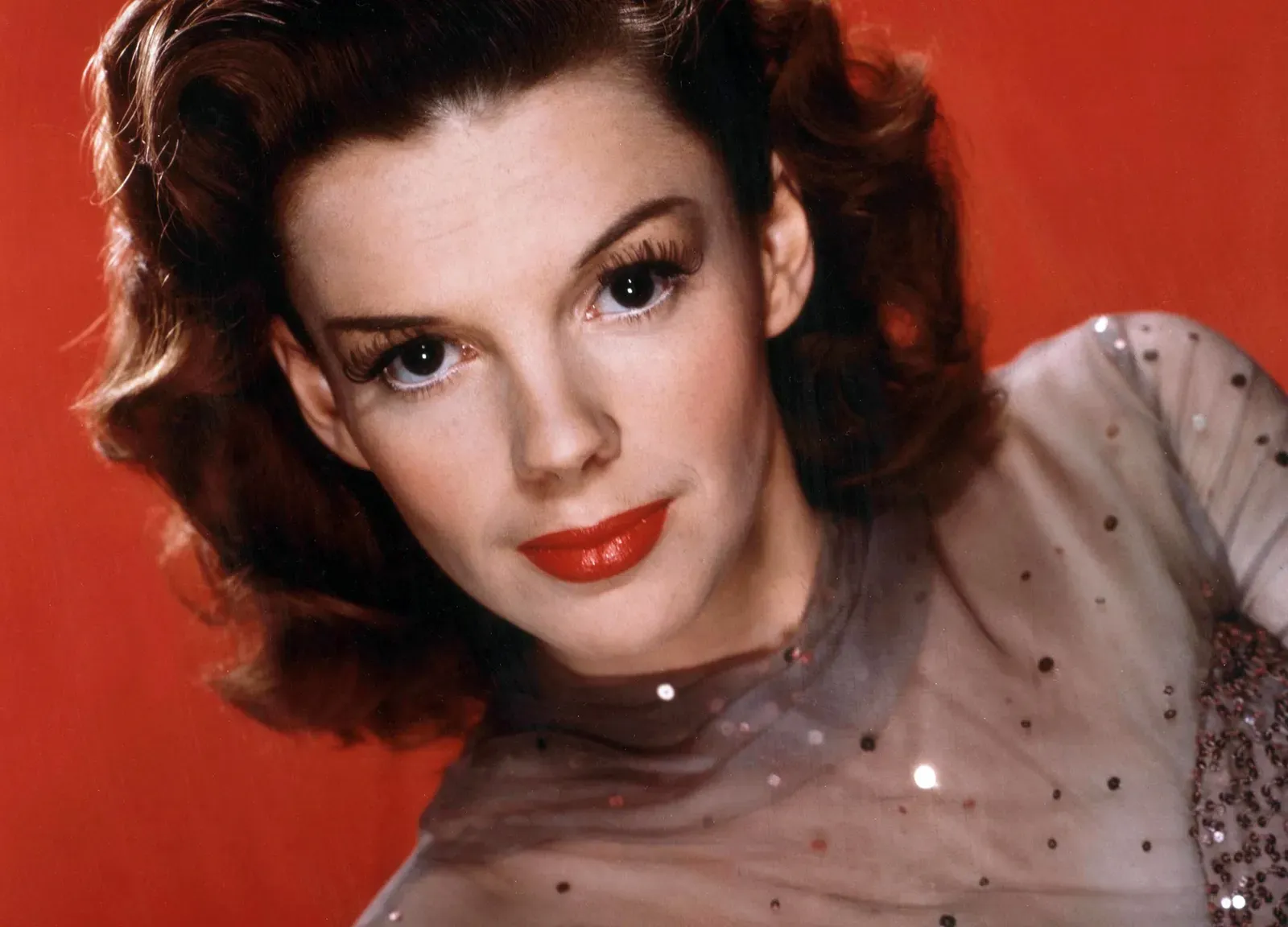
By 1949, Judy Garland was MGM’s biggest musical star, and the studio built its lavish adaptation of Annie Get Your Gun around her. Judy Garland, MGM’s biggest musical comedy star, was originally cast as Annie Oakley, recorded all her songs for the soundtrack and worked for two months under the direction of Busby Berkeley. Her health, though, was deteriorating under the pressure of the studio system, and production stalled as she struggled to show up on set.
After a couple of warnings, MGM finally suspended Garland’s contract in 1949 and she was fired from the picture, and production on Annie Get Your Gun was suspended in May 1949. The studio quietly moved through a list of replacements before landing on Betty Hutton, who was loaned from Paramount. Garland worked on the movie for a month and a half, prerecorded the entire score, and shot two musical numbers before MGM summarily fired her. The footage she completed still exists, a strange footnote to a role she never got to finish.
Marilyn Monroe is dropped from Something’s Got to Give

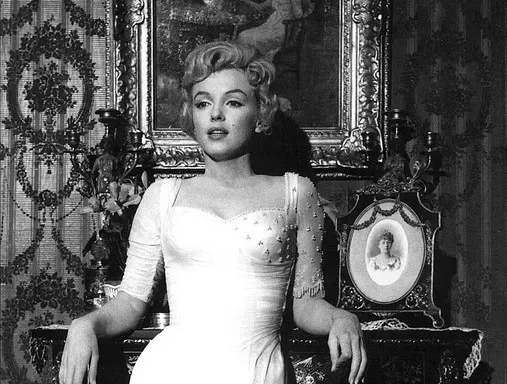
Marilyn Monroe’s final film shoot became one of the messiest firings in studio history. She was again absent for several days, which led Fox to fire her on June 7 and sue her for breach of contract, demanding 750,000 dollars in damages, and Monroe was replaced by Lee Remick. The studio moved fast, fitting Remick into Monroe’s costumes and putting her in front of cameras with director George Cukor within days.
The recasting fell apart almost as quickly as it began. Dean Martin declared, “I have the greatest respect for Miss Lee Remick and her talent and all the other actresses who were considered for the role, but I signed to do the picture with Marilyn Monroe and I will do it with no one else.” Fox eventually caved and brought Monroe back, but she died before the film could be completed, and a year later 20th Century Fox overhauled the entire production, retitled it Move Over, Darling, and cast Doris Day, James Garner, and Polly Bergen instead.
Megan Fox exits Transformers after two films


Megan Fox had co-starred as Mikaela Banes across the first two Transformers movies, but she never returned for the third installment. Fox’s reps claimed she decided to leave, while reports pointed toward the studio and director Michael Bay deciding to move on, and in 2011 Bay said that Steven Spielberg told him to fire her after her comments comparing Bay to Hitler. The official reasoning was never fully spelled out by Paramount.
Whatever the exact chain of events, the replacement happened fast and without much fanfare. She was fired from the Transformers series after the second film, being replaced by Rosie Huntington-Whiteley for the third. The new character, Carly, was written so similarly to Mikaela that longtime fans noticed the overlap almost immediately, which only made Fox’s sudden absence feel stranger.
Suzanne Somers gets pushed out of Three’s Company

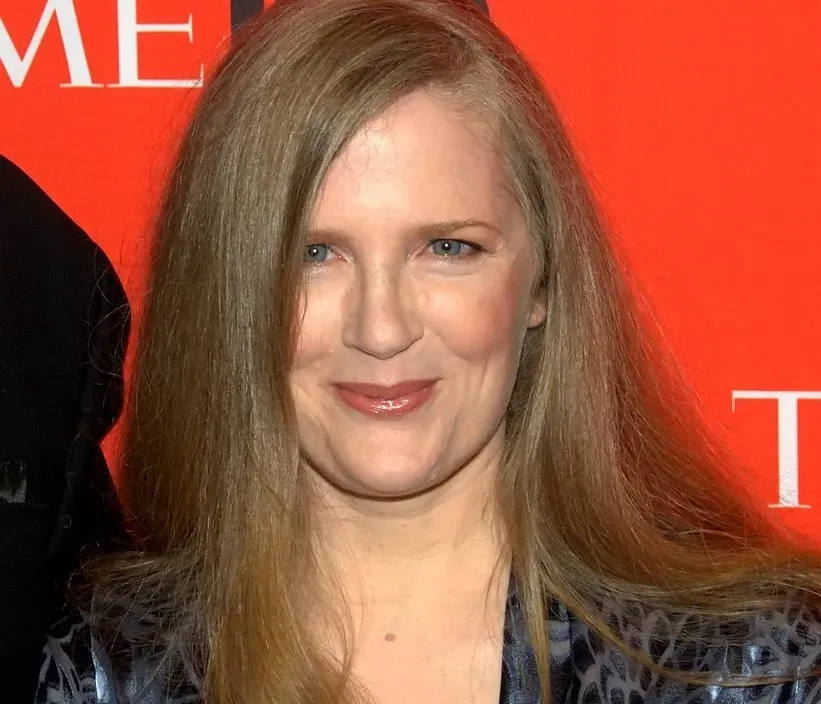
Suzanne Somers turned Chrissy Snow into one of the most recognizable characters on television, but a pay dispute ended her run abruptly. She asked for a pay increase from 30,000 dollars per episode to 150,000, on par with John Ritter, and the network countered with a paltry 5,000 dollar raise instead. Her screen time was slashed to brief phone-call cameos before the show simply moved on without her.
The recasting arrived in the form of a new relative rather than a direct replacement of the same character. Jenilee Harrison was brought into the Three’s Company cast as Chrissy’s cousin, Cindy Snow, to keep the title of the show technically accurate. Harrison lasted only a season and a half before Priscilla Barnes was cast as Terri, a nurse who moved into the apartment and remained through the series finale.
Valerie Harper is written out of her own sitcom

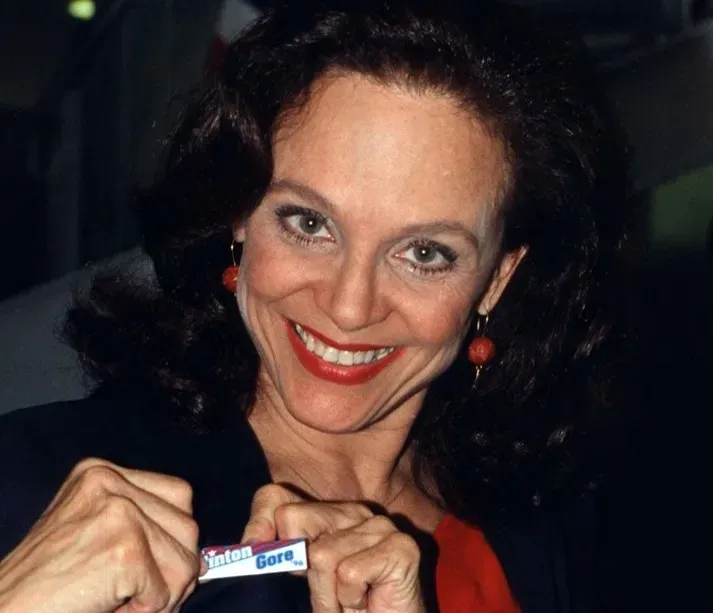
Few firings feel as jarring as an actress losing the show that bears her own character’s name. After a salary dispute involving future ancillary profits, Harper was fired from the show after the first two seasons, and her character was killed off at the start of season three. NBC’s programming chief had already signaled the network’s willingness to move forward without her months earlier.
Sandy Duncan stepped into the vacancy, playing a newly introduced aunt rather than a recast version of Harper’s role. Following the salary dispute with NBC and Lorimar in 1987, Harper was fired from the series at the end of its second season and sued for breach of contract, and the jury found that Lorimar had wrongfully fired her, awarding her 1.4 million dollars plus 12.5 percent of the show’s profits. The show carried on under new titles, first Valerie’s Family, then The Hogan Family, as if the original lead had simply been erased from its own premise.
Delta Burke loses her role on Designing Women

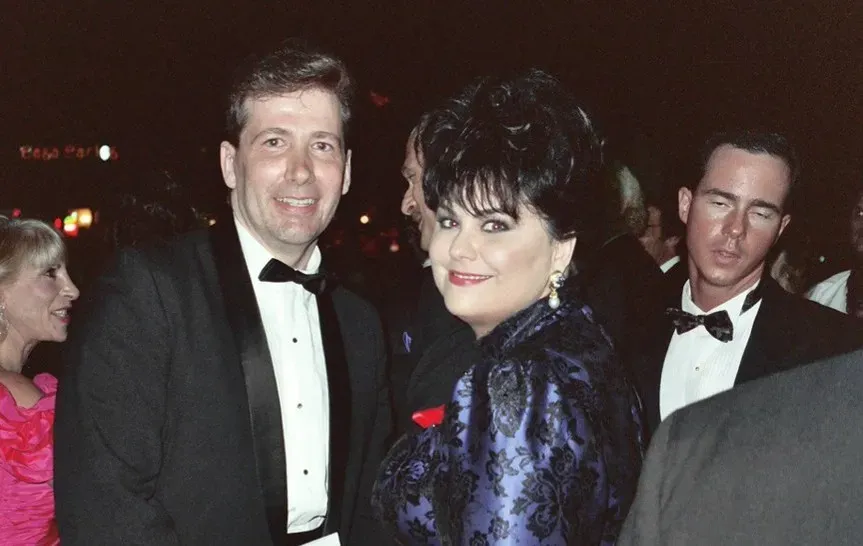
Delta Burke built her career on playing Suzanne Sugarbaker, the pampered former beauty queen at the center of Designing Women. Reports at the time pointed to escalating friction with creator Linda Bloodworth-Thomason over the character’s storylines and Burke’s public struggles with her weight, which tabloids covered relentlessly during the show’s run. By the fifth season, Burke had left the series, and Suzanne’s absence was explained within the show itself as the character moving away.
Rather than recasting Suzanne outright, producers introduced a new Sugarbaker cousin named Allison, played by Julia Duffy, to fill the gap in the ensemble. Audiences noticed the substitution immediately, since Allison occupied much the same role in the group dynamic without ever quite replacing the chemistry Burke had built with her co-stars. The transition remains one of the more talked about cast shakeups from that era of network television.
Shannen Doherty is replaced through a new sister on Charmed

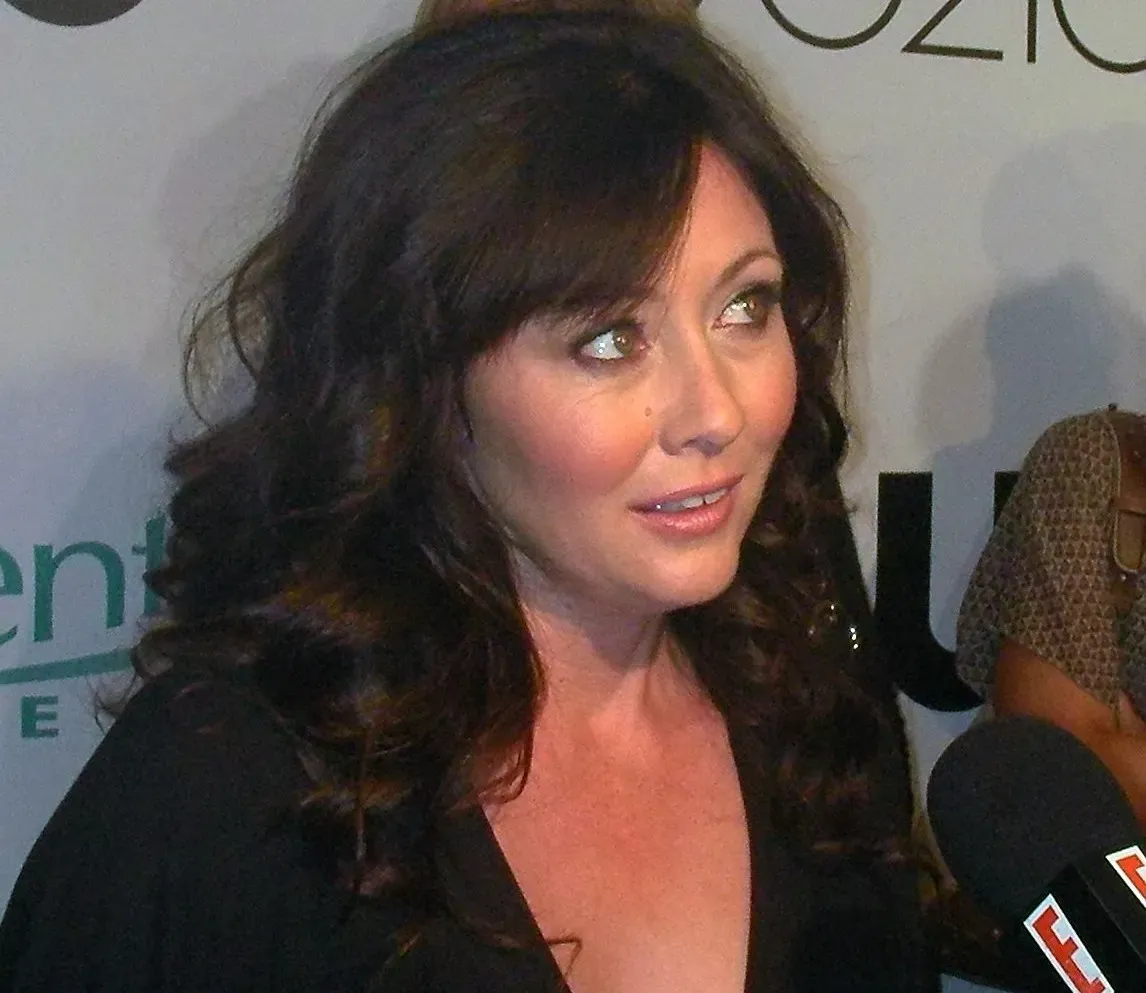
Shannen Doherty spent three seasons as Prue Halliwell, the eldest of the Charmed sisters, before tension with co-star Alyssa Milano reportedly led to her departure from the WB drama. The split played out largely behind closed doors, with the network offering little public detail beyond confirming that Doherty would not be returning for a fourth season. Her character was killed off in the season three finale, a decision that stunned much of the show’s fan base at the time.
Rather than recast Prue, the writers introduced a previously unknown half-sister, Paige Matthews, played by Rose McGowan, who joined the surviving sisters for the remainder of the series. It was an unusual workaround, less a direct swap of actress for actress and more a narrative sidestep that let the show continue with its trio format intact. The move kept Charmed on the air for four more seasons, though longtime viewers never quite stopped comparing McGowan’s Paige to the sister she was brought in to replace.
Looking back at these seven cases, the pattern is fairly consistent. Studios rarely offer full explanations when a leading actress disappears from a production, and the actress herself is often left to piece together the story from press leaks, gossip columns, or years-later interviews. Whether the cause was illness, salary disputes, on-set conflict, or a controversial remark to a magazine, the business has a long history of moving on quickly and leaving the departed star to fill in the blanks on her own.