Ask a room full of music fans to name the best selling album of 1976, and you’ll get answers ranging from Fleetwood Mac to the Eagles. Almost nobody says the correct answer, and that’s strange, because the record actually outsold both of them that year. It topped the charts for weeks, turned its creator into a magazine cover fixture, and then, almost as quickly as it arrived, slipped out of the cultural conversation it once dominated.
A record that outsold almost everyone in 1976

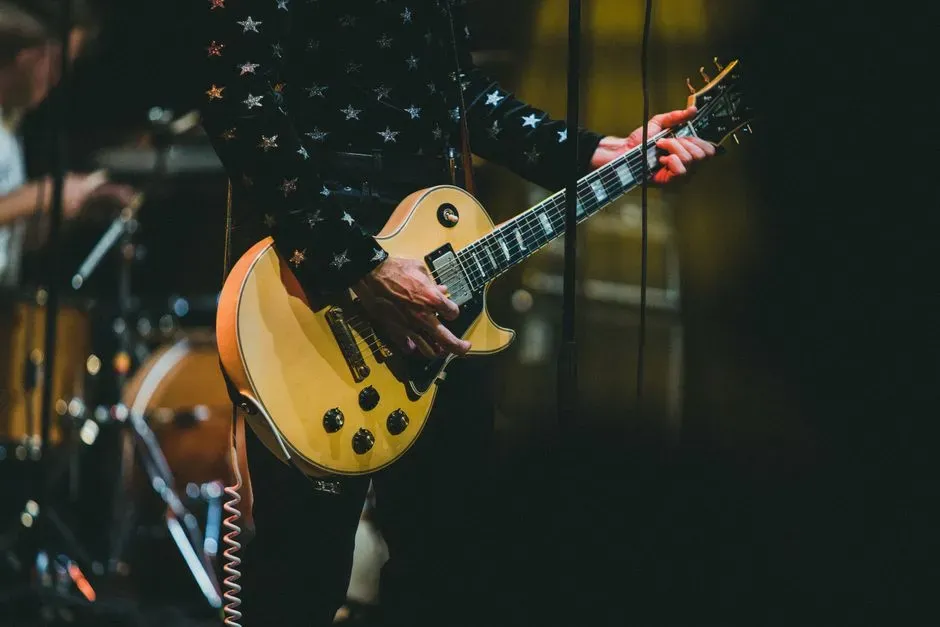
Frampton Comes Alive! was the best-selling album of 1976 and has sold over 8 million copies in the United States. That single statistic alone should have kept the album in heavy rotation in pop culture memory for decades. The commercial impact was staggering, as Frampton Comes Alive became the best-selling album of 1976, surpassing even Fleetwood Mac’s breakthrough self titled album.
Yet ask a casual listener under 40 to name the album today, and most will draw a blank. The double live album stayed on the charts for an astonishing 97 weeks, redefining what a concert recording could achieve commercially and artistically. Somehow, despite numbers that would make modern labels weep with joy, the record has quietly faded from everyday conversation while its songs kept playing on classic rock radio without anyone connecting them back to the album that made them famous.
From four flop albums to a runaway sensation

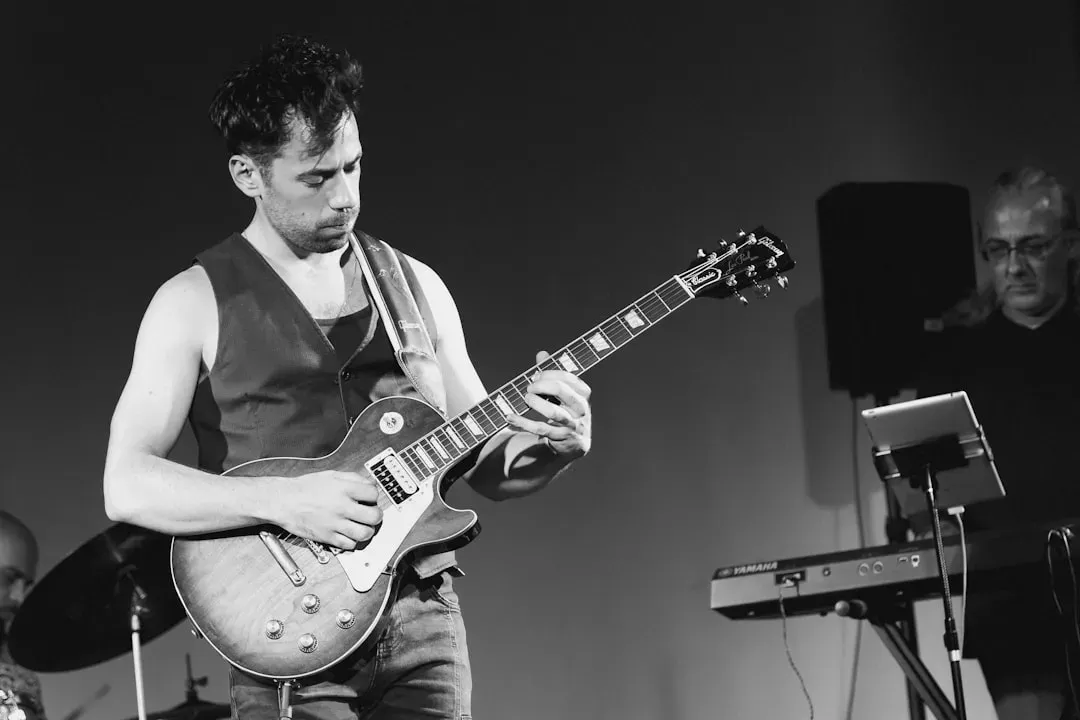
Peter Frampton was not an overnight discovery. Following four studio albums with little success and sales, Frampton Comes Alive! was a breakthrough for Frampton and is one of the best-selling live albums ever. Before this record, he had built a reputation as a talented guitarist with the band Humble Pie, but his solo career had gone nowhere fast.
His previous solo album, his fourth, released in 1975, topped out at number 32 on Billboard’s Top 200 album chart. Before this monumental album, Frampton released four solo albums with little commercial success. Nobody in the industry, including Frampton himself, expected the live record to be the thing that finally broke through.
The Winterland shows that built the album

The bulk of the album came together not in a studio but on stage. The album was recorded between June and November 1975, primarily at the Winterland Ballroom in San Francisco as well as Marin Veterans Memorial Auditorium in San Rafael, California, Long Island Arena in Commack, New York, and a concert on the SUNY Plattsburgh campus in Plattsburgh, New York. Four different shows across four different cities were stitched together into one cohesive live experience.
The technical side mattered too. The Winterland songs were recorded on a 24 track master recorder, while other concerts were captured on a 16 track recorder. Frampton later revealed that the album was almost entirely live, with only tiny studio fixes here and there, which is part of what made it feel so raw and immediate to listeners in 1976.
Talk box, three hit singles, and the sound that defined an era
Three songs carried the album into the mainstream. The album produced three hit singles, Baby I Love Your Way, Do You Feel Like We Do, and Show Me the Way. All three reached the top 10 in Canada and the top 15 on the US Billboard Hot 100, and frequently receive airplay on classic rock radio stations.
One sound in particular became inseparable from Frampton’s identity. The talk box guitar effect became closely associated with Frampton due to its use in the latter two singles. Even people who have never heard of the album have likely heard that wobbly, voice like guitar effect somewhere, whether in a commercial, a movie scene, or a classic rock station’s afternoon playlist.
Framptonmania, magazine covers, and a night at the White House

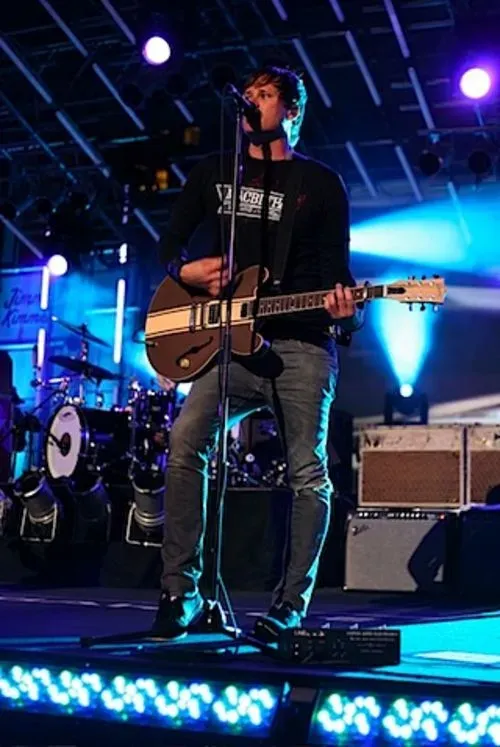
The scale of Frampton’s fame in 1976 is easy to forget now. The Framptonmania that followed saw the guitarist grace magazine covers everywhere, receive his own 7 Eleven Slurpee cup in the summer of 1976, and even earn an invitation to the White House from President Gerald Ford. That is not the kind of detail that fits the image most people carry of a forgotten record.
His image was carefully managed and sometimes controversial among fans who wanted him taken seriously as a musician. He posed shirtless in front of a Francesco Scavullo camera, even on a Rolling Stone cover, and even the Annie Leibovitz lens did not remove the teen idol patina reflected by a winsome look, a perfectly coifed style, and another bare chest. That teen idol packaging helped sell records, but it also complicated how seriously critics took his musicianship for years afterward.
The double album gamble that paid off

The record almost never became the sprawling two disc set fans know today. The live album had been intended to be a single LP disc, but at the suggestion of A&M Records, additional shows were recorded, and the album expanded to two LPs for release. That decision, made mostly for commercial reasons, ended up shaping the entire listening experience.
Partner offer

Pricing was part of the calculation too. The double album was released in the US at a reduced list price of 7.98 dollars, only one dollar more than the standard 6.98 dollars of most single disc albums in 1976. That pricing strategy removed one of the biggest barriers fans usually faced when deciding whether to buy a double album instead of a single disc release.
Why the follow up album could not repeat the magic

Success this large created its own trap. With Frampton Comes Alive emerging as the best selling album of 1976, selling over 8 million copies in the US, and becoming one of the best selling live albums to date, A&M shipped to retail the singer’s follow up, I’m In You. The pressure to match those numbers proved impossible to sustain.
Frampton himself later admitted the timing was a mistake. Frampton, later recalled that period as probably his least favorite, saying the pressure was so great and there was absolutely no need to rush the next record then and there, calling it the biggest mistake. Adding to the commercial collapse was the widely panned 1978 film Sgt Pepper’s Lonely Hearts Club Band, which further damaged his standing with rock critics right as the momentum from the live album was fading.
The RIAA math behind the best selling claim

The exact worldwide sales figure depends on who is counting and how. According to Universal Music Canada, Frampton Comes Alive by Peter Frampton has sold 17,000,000 copies worldwide, selling best in the United States with 8,000,000 copies, the United Kingdom with 100,000 copies, and Canada with 50,000 copies. Other estimates land closer to 11 or 12 million worldwide, since certification systems count units differently across countries.
There is even a technical wrinkle in how American certifications work for double albums. RIAA, which issues platinum awards for one million sales in America, actually counts each disc in a collection as one unit, so 6 times platinum actually reflects 3 million sales of a double album. Frampton’s album eventually reached a higher certification than that example, but the underlying accounting quirk explains why sales claims about double live albums can look inflated at first glance without actually being false.
Grammy Hall of Fame honors and a Rock Hall induction, decades later

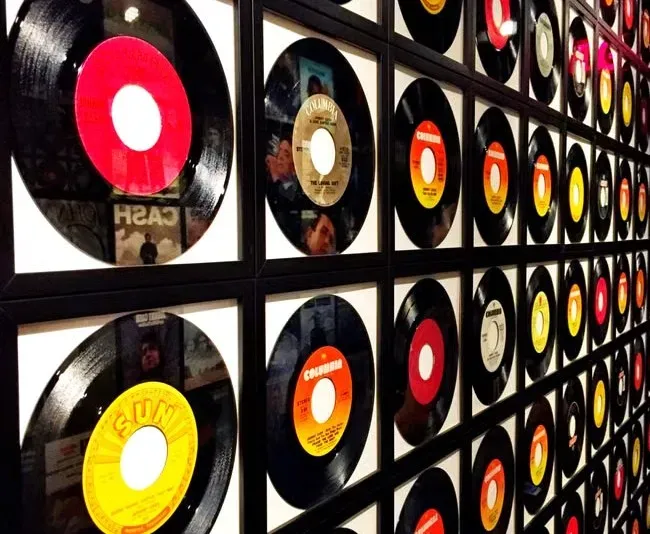
Recognition for the album kept trickling in long after its commercial peak had passed. The album was inducted into the Grammy Hall of Fame in 2020. That honor came 44 years after the record first topped the charts, a reminder that critical respect sometimes arrives on a much slower schedule than sales figures.
The bigger institutional nod came a few years later. Peter Frampton himself was inducted into the Rock and Roll Hall of Fame in 2024, with the album’s success being a key factor in that recognition. It took nearly half a century, but the industry eventually folded the record into its official version of rock history rather than treating it as a curious footnote from the mid seventies.
Fifty years on, a health battle and a quiet farewell

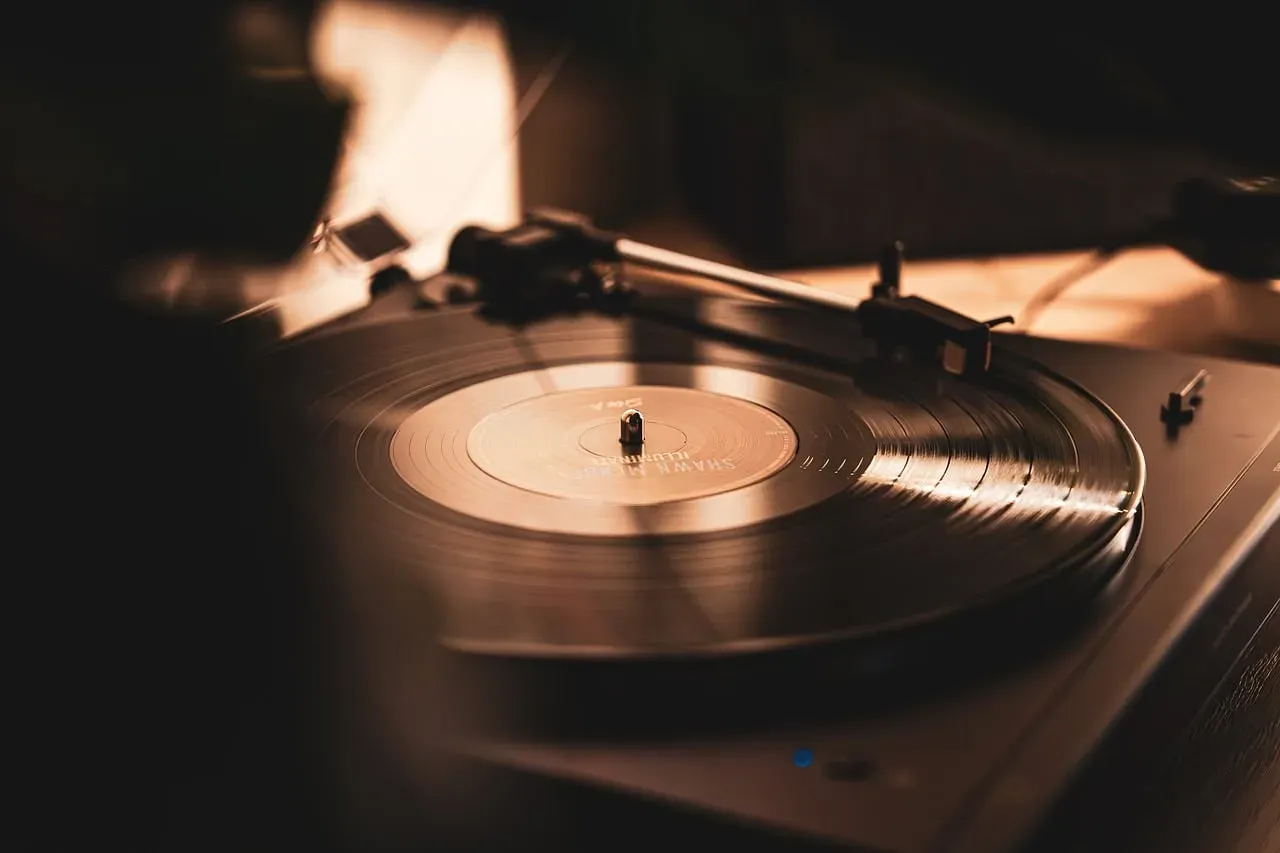
The anniversary landed during a genuinely difficult stretch for Frampton personally. Frampton Comes Alive celebrated its 50th anniversary on January 6, 2026. That milestone arrived years after Frampton first went public with a serious health diagnosis that changed how he approached touring altogether.
Frampton has lived with inclusion body myositis, a progressive muscle disorder, since being diagnosed three and a half years before he first spoke publicly about it, in interviews with Rolling Stone and CBS This Morning. Despite the diagnosis, he has continued performing well past his original farewell tour announcement, and his more recent tour sets have featured classics from his landmark 1976 album, alongside a new studio album that was due out in early 2026 around the time of the anniversary. The record that once made him one of the biggest names in music is still the backbone of his live shows, even if most fans in the audience know the songs far better than they know the album’s name.
The takeaway
Partner offer
Planning a trip to Vegas?
Compare hotel rates and show tickets on VEGAS.com.