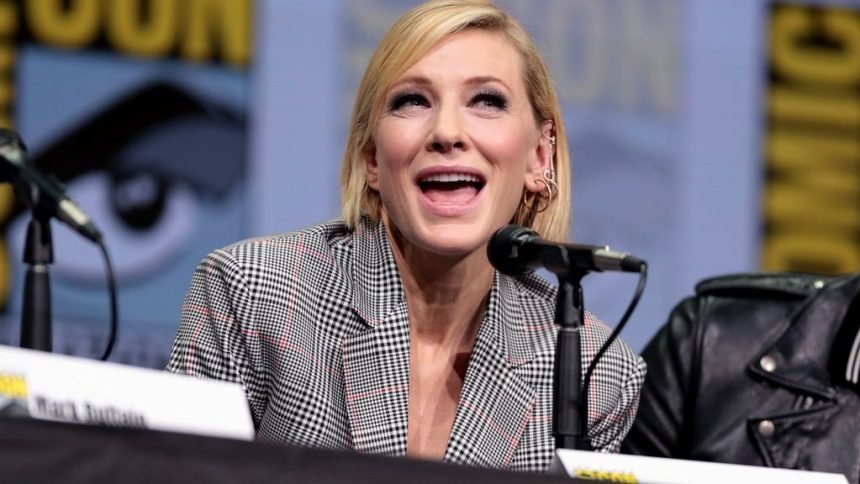
Hollywood has a long and well-documented habit of underutilizing the people it claims to celebrate. Certain actresses arrive with a breadth of skill that genuinely defies category, yet the industry keeps sending the same scripts their way: the loyal best friend, the glamorous ornament, the typecast sitcom star, or the supporting player squeezed into ten minutes of screen time while a lesser performer gets top billing.
The seven women below all share a common experience. Each found herself handed a narrow lane by an industry that often mistakes commercial comfort for artistic vision. What’s remarkable isn’t just that they pushed back, but how clearly their best work stands apart from what they were originally given.
Jennifer Aniston: The Rom-Com Trap That Almost Held Her Forever

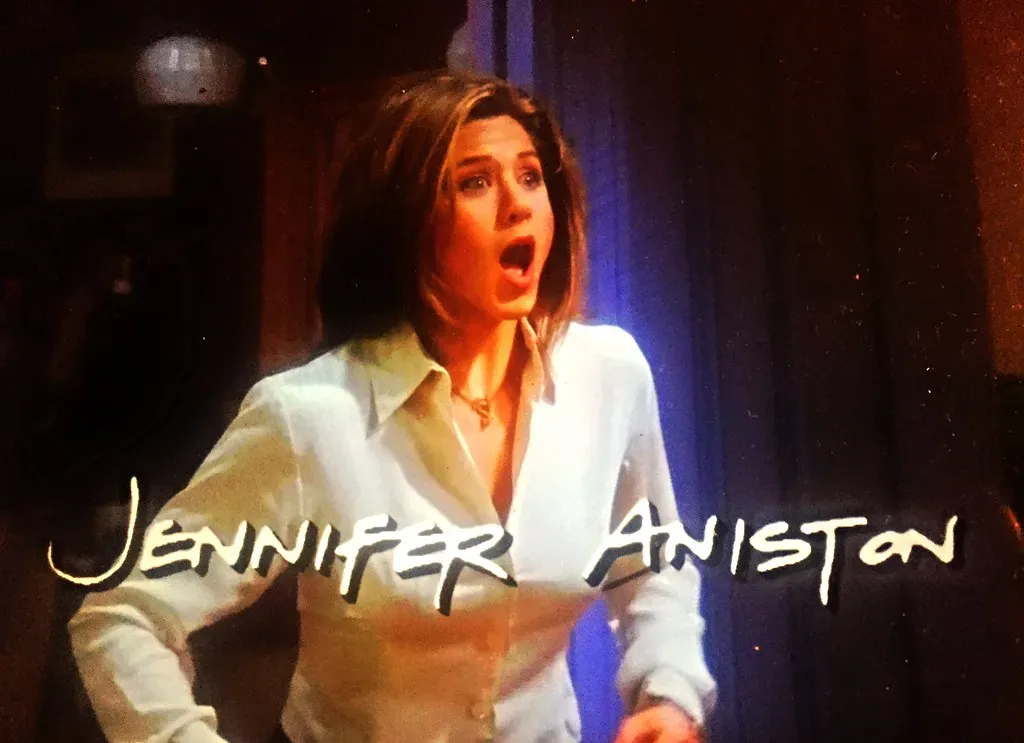
After scoring the role of Rachel Green on one of the most beloved sitcoms in television history, Aniston spent much of her post-Friends career trying to prove to Hollywood that she was far more than just the sum of Friends’ 235 episodes. The offers that came flooding in afterward were almost uniformly light: the sweet romantic lead, the girl next door, the woman waiting for a man to call her back. Because she was typically cast in comedic roles for most of her career, she began to doubt herself, describing her situation as being stuck as “the girl next door, the damsel in distress, the brokenhearted” with nowhere to go.
In her ELLE Women in Hollywood feature, Aniston pointed to two films that marked a genuine shift: The Good Girl and Cake. Since Friends wrapped, she delivered a string of soul-stirring performances in indie hits like The Good Girl, Friends with Money, and Cake, which earned her a Best Actress Golden Globe nomination. With The Morning Show entering its fourth season, and Aniston continuing as both lead star and executive producer, her trajectory looks far removed from the sitcom label she carried in the early 2000s.
Viola Davis: Decades of Supporting Roles Before Hollywood Caught Up

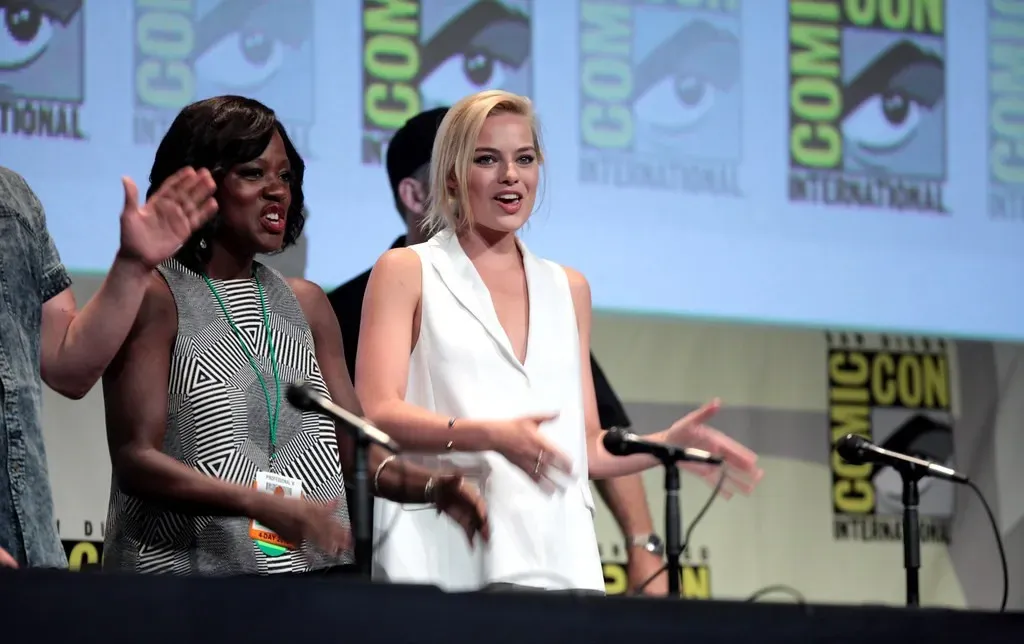
Davis’s trajectory is a masterclass in subversion. She started with minor roles, often uncredited or typecast as “nurse” or “maid,” before bulldozing her way into leading, Oscar-worthy territory. For years, her talent was undeniable to anyone watching closely, yet the roles being offered rarely matched what she was capable of delivering. In 2008, Davis played Mrs. Miller in the film Doubt, and though she had only a few scenes, she remained a highlight of the film, with critic Roger Ebert writing that it “lasts about 10 minutes, but it is the emotional heart and soul” of the picture.
As the first African American to achieve the “Triple Crown of Acting,” an Oscar, Emmy, and Tony Award, Davis has become a beacon of excellence, resilience, and advocacy in the entertainment industry. Davis herself has explained in interviews that she began to reject roles that “dimmed her light,” instead fighting for scripts that reflected her complexity as a woman and an artist. Other standout performances include Widows (2018), Ma Rainey’s Black Bottom (2020), and The Woman King (2022), where she also served as a producer.
Cate Blanchett: A Stage-Level Genius Often Handed Genre Filler

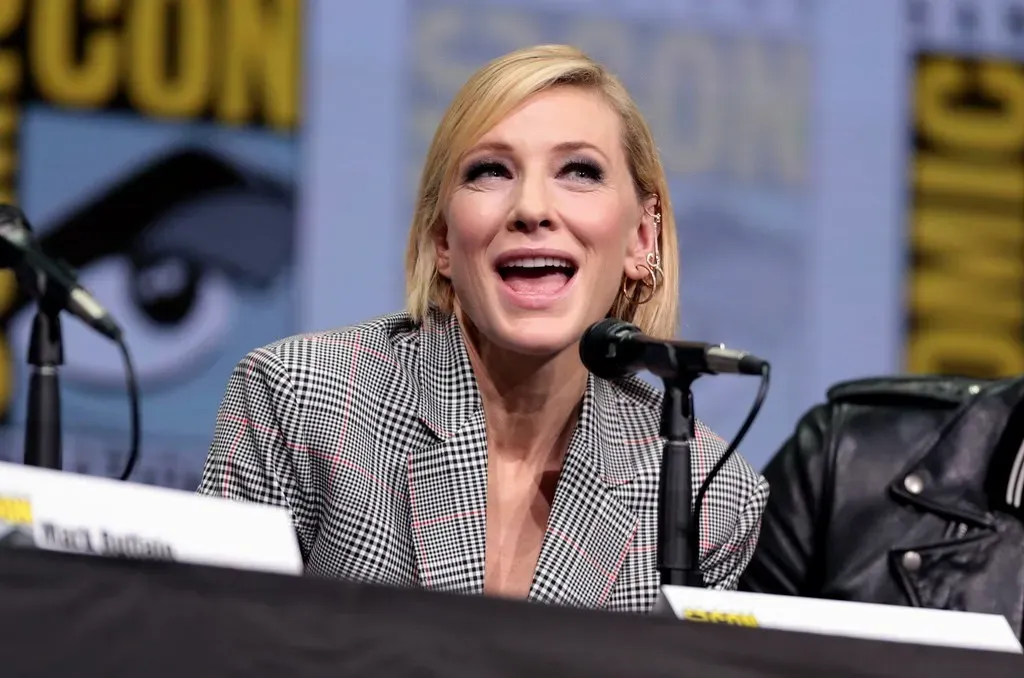
As of 2025, Cate Blanchett continues to be one of the most respected actresses in Hollywood, and her ability to select impactful roles has kept her at the forefront of the industry, ensuring her presence in both indie films and major blockbusters. Yet her journey wasn’t always a smooth progression of great material. Studios repeatedly slotted her into franchise obligations and genre-adjacent parts that sat well below her range. Her turn as the villain Hela in Thor: Ragnarok, however well-received commercially, felt like a significant gear shift from the nuanced dramatic work that defines her reputation.
Blanchett is not only known for her talent but also for her commitment to social issues, often using her platform to advocate for gender equality in film, and by pushing boundaries and challenging herself with difficult characters, she inspires fellow actresses to pursue their passion fearlessly. Her performance in Tár (2022) served as a reminder of what happens when a filmmaker trusts her fully. With each new project, Blanchett solidifies her legacy as a leading figure in film history, captivating audiences with her extraordinary performances.
Natalie Portman: The Star Wars Shadow and the Career Beneath It

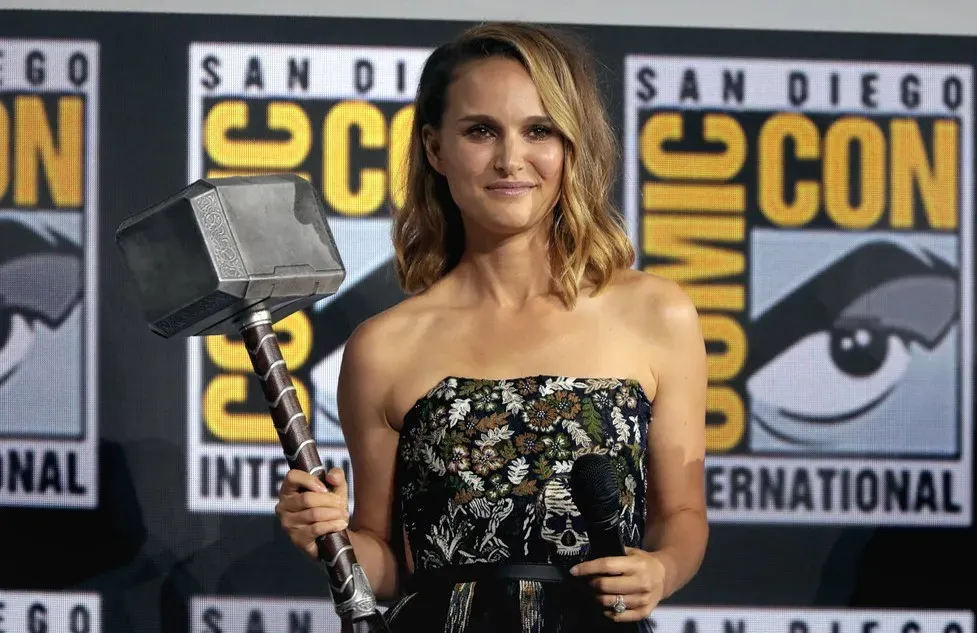
Natalie Portman is an Israeli-American actress who made her film debut in Luc Besson’s action thriller Léon: The Professional, where she played the young protégée of a hitman. That debut was a remarkable arrival, raw and unusually mature for a teenager. Then came the Star Wars prequels, and with them, years of association with one of cinema’s most criticized performances, not because of her fault, but because of underwritten material that gave her little to work with. Her role as Padmé Amidala in the first of the Star Wars prequel trilogy brought her international recognition, but it also anchored her publicly to films that critics widely felt underused every actor involved.
Partner offer

Portman’s real capabilities were always visible in the gaps between franchise commitments. Closer, Black Swan, and Jackie are the clearest evidence. Her Oscar win for Black Swan (2010) confirmed what careful observers already knew: she was operating on a different level than what the bulk of her filmography suggested. The industry’s tendency to cast her as a decorative presence in big-budget productions stood in sharp contrast to the emotional precision she brought to smaller, more demanding work.
Michelle Williams: Quietly One of the Best, Rarely Given the Stage She Deserved

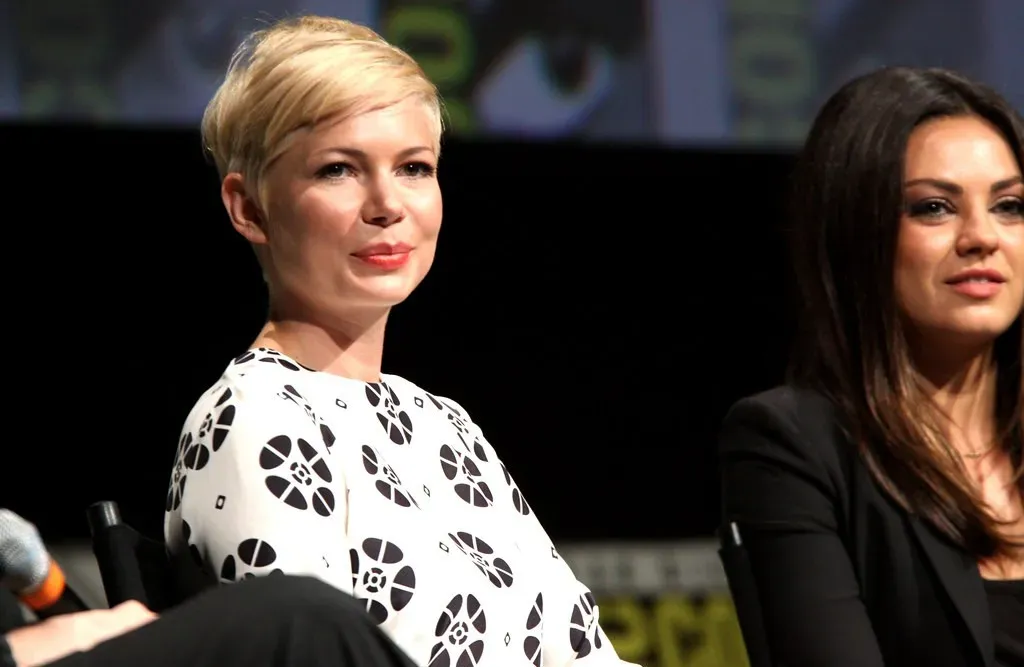
Michelle Williams spent the early part of her career defined by a single television role, Jen Lindley on Dawson’s Creek, a role that was functional but hardly a showcase for the kind of work she would later prove herself capable of. Hollywood then cycled her through supporting parts and modest indie films, rarely centering her until directors like Todd Haynes and Kenneth Lonergan came along. Her supporting nomination for Brokeback Mountain was among the early Oscar nods to recognize her potential, though the industry was slow to build on it consistently.
Her performances in Blue Valentine, My Week with Marilyn, and Manchester by the Sea are studies in restraint and psychological depth. What’s consistently striking is how much she communicates without dialogue. Williams has earned five Academy Award nominations across her career, a figure that reflects both her consistent excellence and the industry’s habit of rewarding her in supporting categories rather than building vehicles around her as a lead.
Rooney Mara: Too Intense for the Roles She Was Sent, Too Precise to Be Ignored

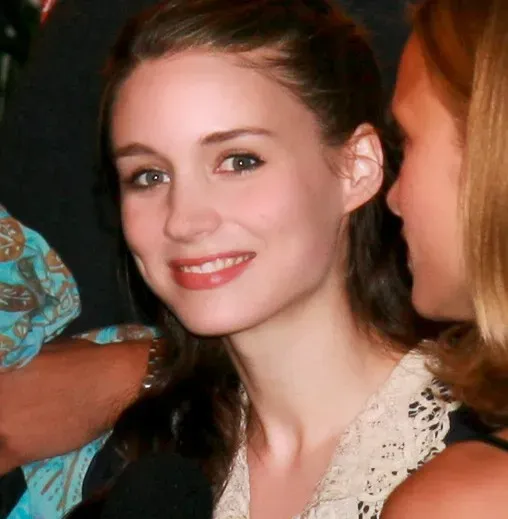
Rooney Mara arrived with enormous promise in The Social Network (2010) and then delivered one of the decade’s most arresting lead performances in David Fincher’s The Girl with the Dragon Tattoo (2011). Hollywood’s response was largely to offer her ethereal, passive parts in prestige ensemble films that placed her in frame without genuinely using her. She appeared in several Terrence Malick films during a period when those productions were known more for their visual poetry than for giving their casts defined dramatic arcs.
Shaped by Todd Haynes’ deft direction, Carol was critically recognized as living up to its groundbreaking source material, and Mara’s performance opposite Cate Blanchett earned her an Academy Award nomination for Best Supporting Actress in 2015. Still, that category designation itself felt like a quiet mislabeling: she was a co-lead in every meaningful sense. Her career suggests someone whose precision and internal focus are extraordinary tools, deployed most fully only when a filmmaker chooses to actually point the camera at her long enough.
Emma Stone: Built for Complexity, Handed Charm Offensives

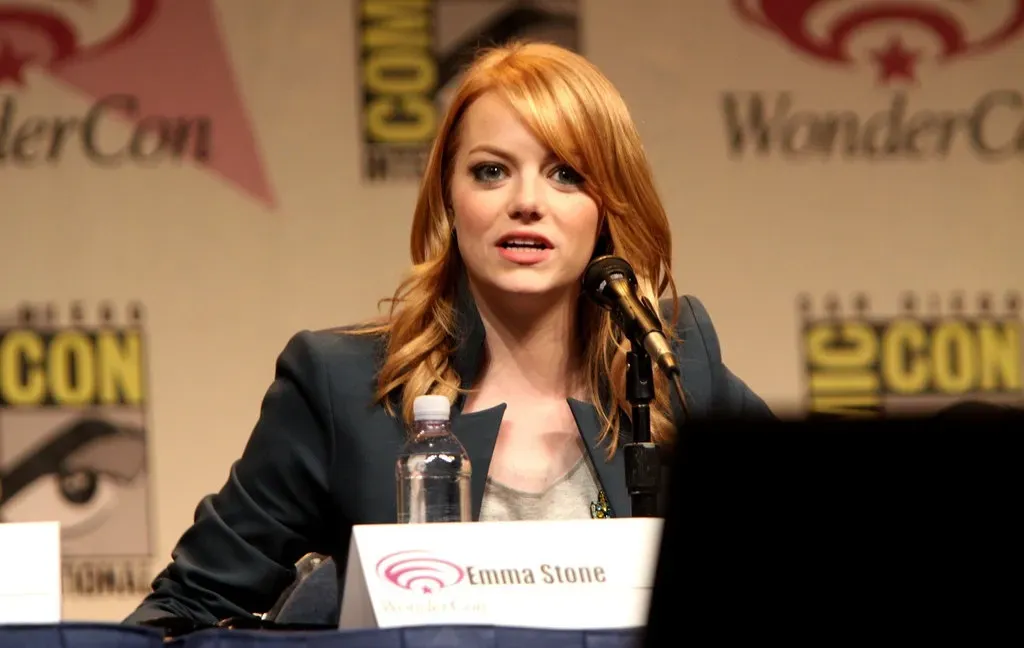
Emma Stone has built a career that exemplifies versatility and charm, and from her breakout role in Easy A to her Academy Award-winning performance in La La Land, her ability to tackle both comedic and dramatic roles showcases her impressive range. The early Hollywood read on Stone was predictable: she was funny, sharp, and watchable, so the industry handed her rom-coms and ensemble comedies where she could brighten scenes without dominating them. Even her early dramatic work, while praised, came packaged alongside franchise obligations in The Amazing Spider-Man series, films that satisfied box-office accountants far more than they challenged her.
Some of her best and most path-breaking film performances include Birdman (2014), La La Land (2016), The Favourite (2018), and Poor Things (2023), and she won the Best Actress Oscar Award in March 2024 for her brilliant performance in Poor Things. In 2025, Stone continues to take on diverse projects that challenge her as an actress, solidifying her status as a top talent in the industry. The arc from the girl who lit up a high school comedy to an actress winning back-to-back Oscars is not what Hollywood’s early casting decisions predicted. It’s what happened when directors like Yorgos Lanthimos decided to take her range seriously.
What connects all seven of these actresses is a gap between what they were given and what they were capable of. Hollywood is a system, and systems tend to repeat patterns that worked before. The more interesting question is whether the industry has genuinely learned from these cases, or whether there are actresses working right now who are being handed the same narrow scripts, waiting for one director to see what’s actually there.
Partner offer
Planning a trip to Vegas?
Compare hotel rates and show tickets on VEGAS.com.