Music history is full of strange timing. An album lands in the wrong era, gets buried by a label’s indifference, or simply sounds too unlike anything around it to find its audience right away. The world moves on, and the record collects dust on shelves or lingers in cut-out bins while lesser work gets the headlines.
What’s remarkable is that some of those records eventually find their way back. Not through revision or nostalgia, but because the music itself turns out to be so good that it refuses to stay quiet. These seven albums all share that story – released, overlooked, and later redeemed by time.
1. Pet Sounds – The Beach Boys (1966)
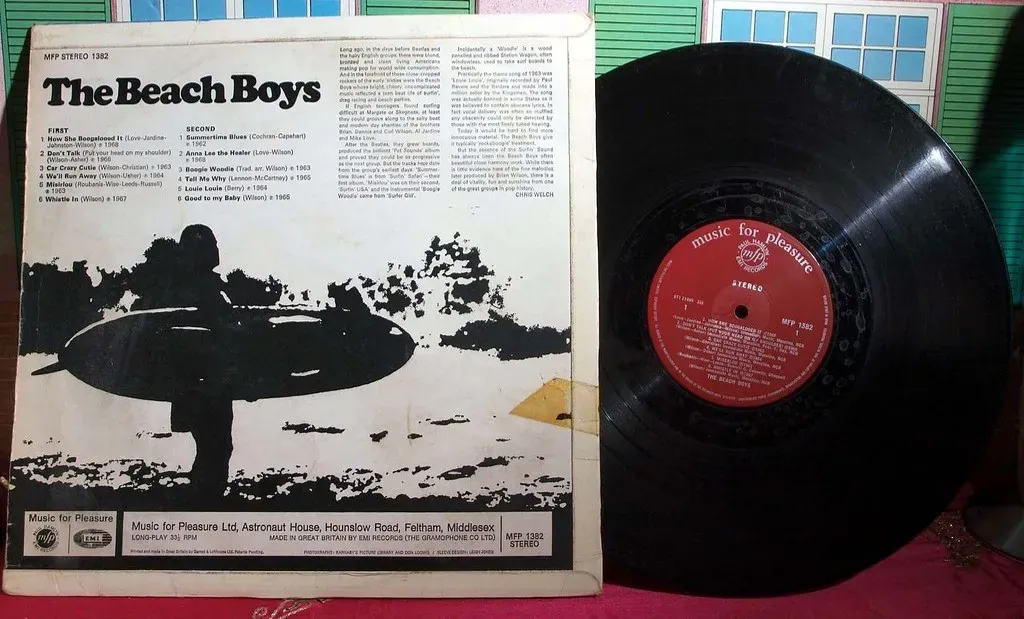
The Beach Boys and Capitol Records initially considered Pet Sounds a commercial disappointment. All but two of the group’s previous eleven LPs had enjoyed higher chart positions, and this one stalled at number ten in the US albums rankings. Critical reactions were mixed – some rock and pop writers were nonplussed by Pet Sounds while others declared it a masterwork.
The album is credited with introducing novel orchestration techniques and structural harmonies, while also revolutionizing music production through its detail and use of the studio as a compositional tool. It elevated recognition of popular music as an art form and albums as cohesive works. Rolling Stone eventually called it the second-greatest album of all time in 2012, and Pitchfork declared the track “God Only Knows” to be the best song of the entire 1960s. Paul McCartney often cited Pet Sounds as his favorite album and declared in 1990 that “no one is educated musically ’til they’ve heard that album.”
2. Shuggie Otis – Inspiration Information (1974)
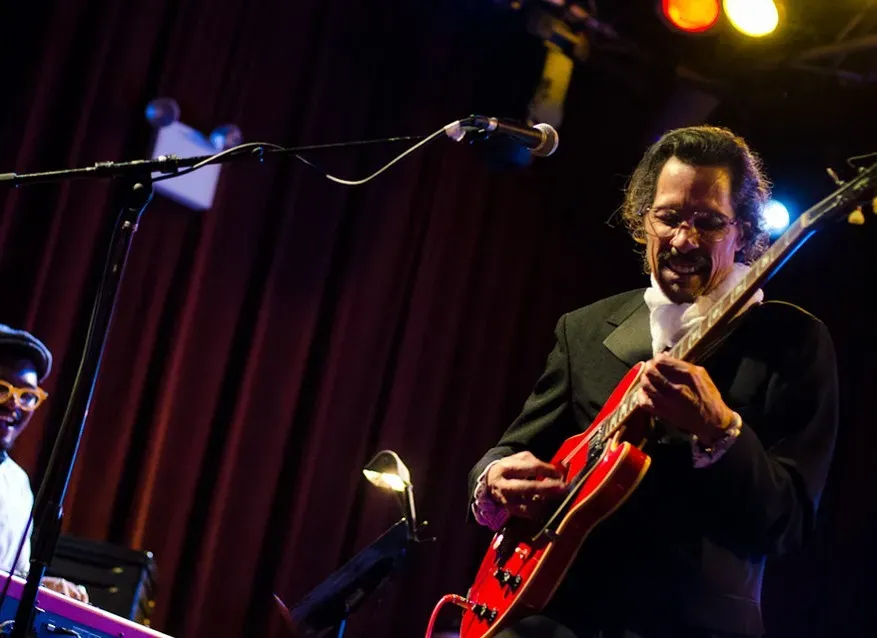
Inspiration Information is the third album by Shuggie Otis, who produced it and performed most of its instrumental parts. Released in 1974 on Epic Records, it reached only number 181 on Billboard’s Top 200 Pop Albums list. The utilization of analog drum machines gave it a newer electric sound that at the time was being used by only a handful of Otis’s contemporaries, notably Sly Stone.
Otis’s record was a visionary blend of psychedelic soul, funk, jazz, and early electronic textures that was years ahead of its time. Released to little fanfare, it later became a cult classic, admired for its dreamy atmospheres and sophisticated grooves. Its seamless fusion of genres prefigured neo-soul and lo-fi pop, influencing artists from Prince to D’Angelo. The album was reissued in 2001 on the label Luaka Bop, finally receiving widespread acclaim.
3. Talk Talk – Spirit of Eden (1988)
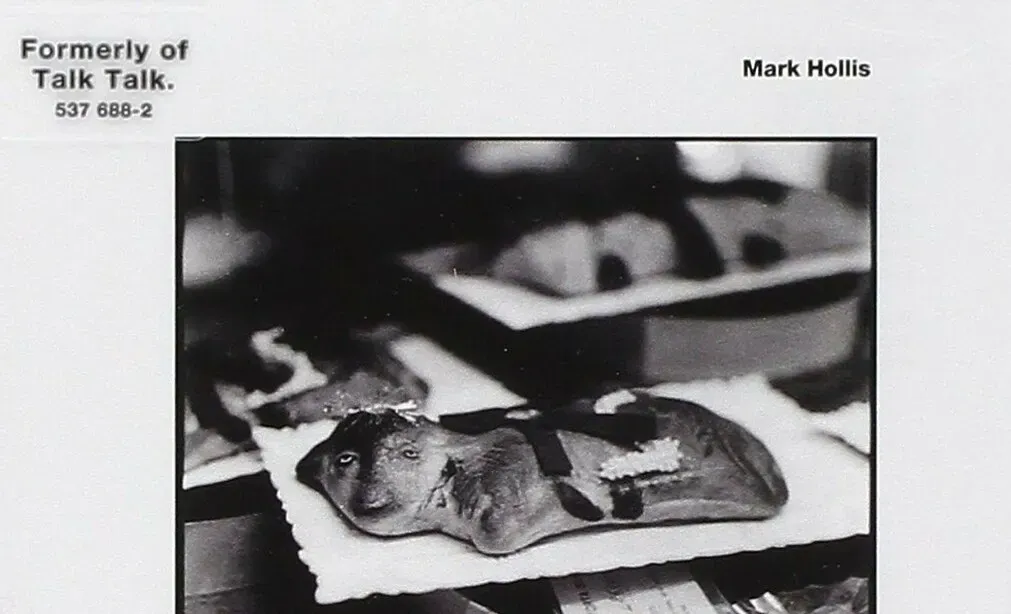
Released in 1988, Spirit of Eden eschews the typical song structure for expansive, organic compositions that evolve like a living organism. Listeners are enveloped in an avant-garde world where jazz, rock, and classical elements intertwine seamlessly. The album’s ambient soundscapes are punctuated by Mark Hollis’s haunting vocals, creating a profound emotional journey.
While initially misunderstood, Spirit of Eden has since been hailed as a pioneering work that laid the groundwork for post-rock. Its influence persists, offering a rich tapestry of sound for discerning ears. With each passing year, it moves further towards all-time classic status, beloved and recognized by almost everyone. Few records have traveled quite so far from confusion to canonical reverence.
4. The Zombies – Odessey and Oracle (1968)
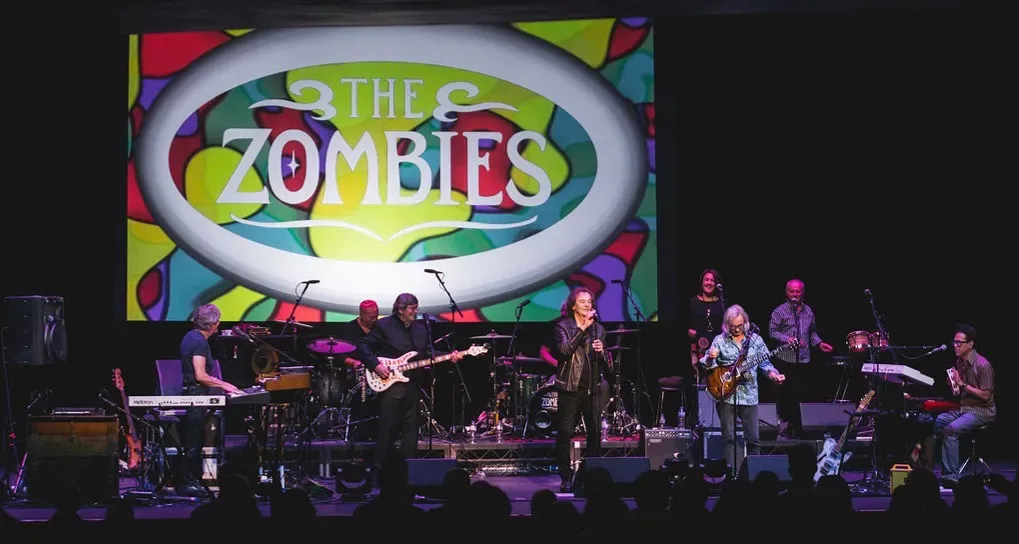
The Zombies recorded Odessey and Oracle in 1967 at Abbey Road, using time left over between Beatles sessions, and poured everything they had into it. The band had split before its release, and so the album fell into semi-obscurity. The undeniable quality of the music was such, however, that word-of-mouth interest built over the years as younger listeners discovered a record that could be compared favorably with the best of its era.
It’s now rightly regarded as a stone-cold classic, and whilst The Zombies reformed several times over the years, their later efforts all pale in comparison to this stunning achievement. The album’s centrepiece, “Time of the Season,” wasn’t even released as a single until after the band had dissolved, yet it eventually became one of the most recognizable songs of the entire decade. That’s a particularly absurd kind of belated recognition.
5. Gene Clark – No Other (1974)
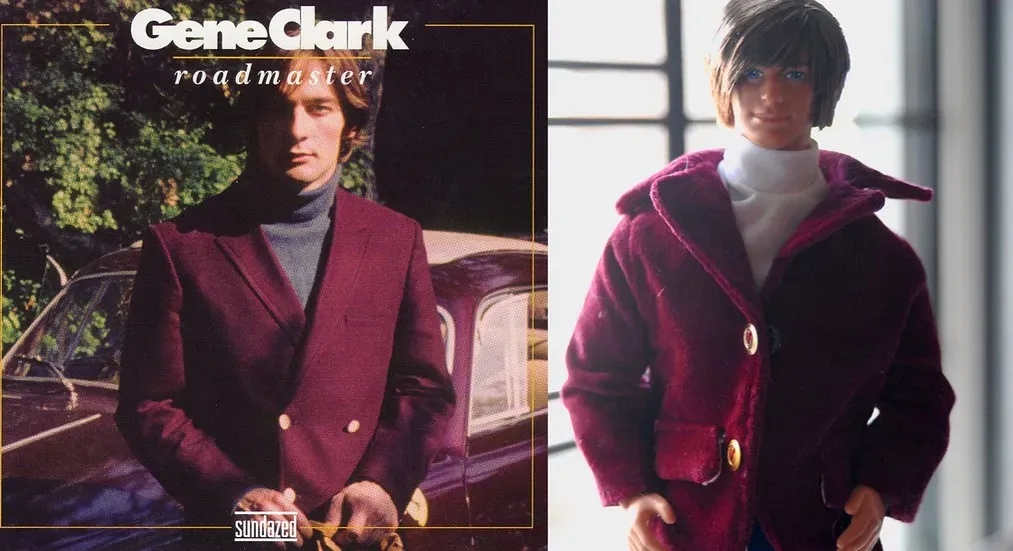
Gene Clark’s No Other stands as a quintessential example of cosmic country, blending folk, rock, and psychedelic textures into a sprawling, atmospheric masterpiece. Released in 1974, the album was initially overlooked but has since been celebrated for its rich, cinematic soundscapes and deeply emotional songwriting. Clark’s poetic lyrics and lush arrangements create a mystical, otherworldly vibe that captures the era’s experimental spirit, making No Other one of the 1970s’ great sleeper classics.
The record was famously expensive to make, and Asylum Records was reportedly dismayed by the results. It sold poorly on release and disappeared quickly. Decades later, reissues brought it back into focus, and listeners who discovered it fresh were stunned by how fully realized it was. It now carries the quiet dignity of a record that simply arrived too early for its audience.
6. Linda Perhacs – Parallelograms (1970)

Linda Perhacs was a dental hygienist in Topanga Canyon who wrote songs in her spare time. Her debut Parallelograms is a haunting, kaleidoscopic gem of psychedelic folk, blending celestial harmonies, field recordings, and spiritual introspection. Initially overlooked, it vanished into obscurity until a 1990s reissue sparked renewed admiration from new generations of listeners and artists. Its rediscovery confirmed Perhacs as a visionary voice whose delicate, nature-infused sound world felt decades ahead of its time.
Perhacs had no professional music career before or immediately after the album, and the record simply ceased to exist in any practical sense for years. What makes the story stranger is how fully formed the music sounds in hindsight – nothing about it suggests amateur work. By the time she finally returned to recording in 2014, a whole generation of musicians had already absorbed her influence without knowing where it came from.
7. Paul McCartney – Ram (1971)
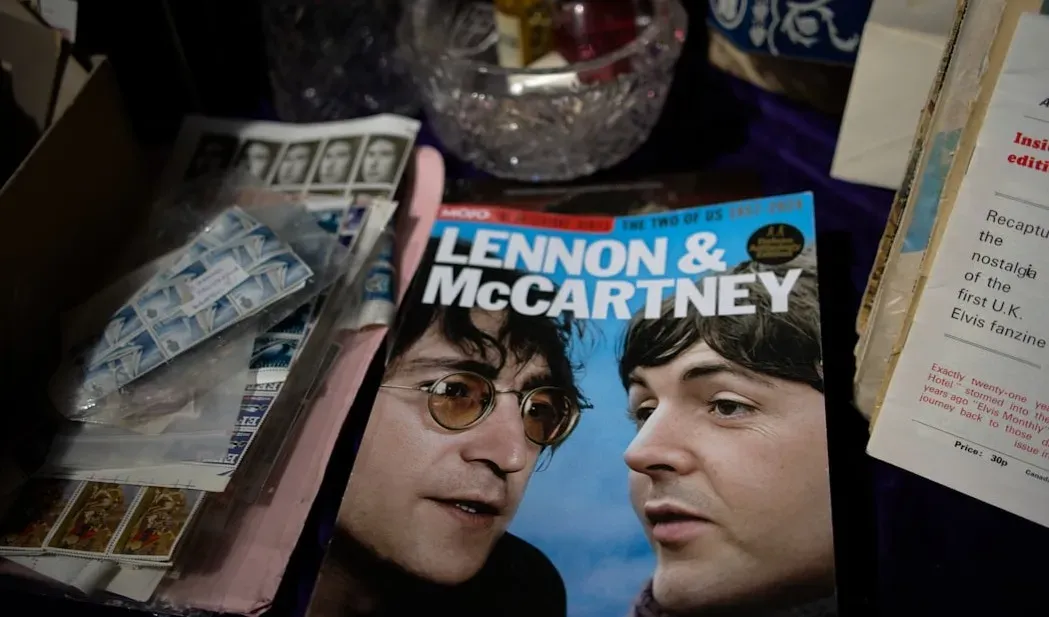
Critics were harsh on Ram, calling it lightweight and self-indulgent, especially in the shadow of The Beatles’ breakup. Years later, it’s seen as playful, inventive, and emotionally rich. Its home-grown charm and melodic strength have made it a favorite among fans and musicians alike. Ram by Paul and Linda McCartney was initially panned by critics, but has gone on to be one of Paul’s most highly acclaimed releases.
The timing was merciless. Released just a year after The Beatles dissolved, every note McCartney played was filtered through bitterness and expectation. Critics looked for the next Lennon-McCartney record and found something deliberately small and pastoral instead. It took a long time for listeners to stop comparing it to what it wasn’t and simply hear what it was – a warm, eccentric, genuinely brilliant pop album that now sounds more inventive than many of the works that overshadowed it at the time.
What these seven records share isn’t tragedy, exactly. It’s more like a delay. The audience wasn’t missing when these albums were made – it just hadn’t arrived yet. There’s something quietly reassuring in that, a reminder that good work tends to outlast the noise surrounding it, even if it takes a few decades to prove the point.