There’s something quietly brutal about the world of late-night television. Audiences form deep habits around a specific host’s voice, rhythm, and personality. When that person disappears, the loyal crowd often disappears with them. It doesn’t matter how big the replacement’s name is or how much the network spends on promotion.
History is full of these moments: a beloved host exits, a new face takes the chair, and the numbers fall off a cliff and simply never come back. Some of these stories are messy, others are quietly sad, but together they reveal just how fragile that nightly connection between a host and an audience really is.
1. Conan O’Brien – Pushed Out of The Tonight Show by Jay Leno’s Return
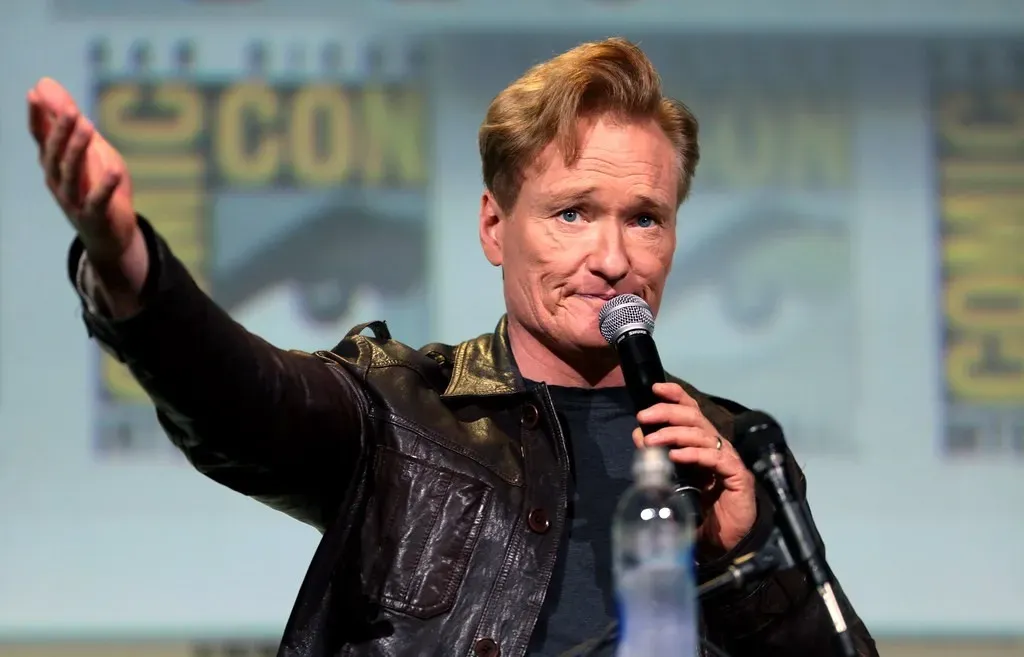
The debut episode of The Tonight Show with Conan O’Brien generated 9.2 million viewers overall and a 3.8 rating in adults 18–49. It was a genuinely promising start. Conan had spent years building a devoted fan base on Late Night and arrived at NBC’s flagship program with real momentum. Then the machinery started working against him.
By November 2009, two months after the premiere of The Jay Leno Show, ratings for The Tonight Show were down “roughly two million viewers a night year-to-year” from when Leno hosted the program. O’Brien and his staff were disappointed and furious when NBC proposed bumping the show to 12:05 a.m., and O’Brien’s public refusal to participate in what he called the “destruction” of The Tonight Show led to a settlement and widespread public demonstrations in his support. O’Brien lost the job to Jay Leno after just seven months and fewer than 150 episodes. He eventually landed on TBS, but the viewership decline in his final season at TBS was steep: “Conan” sunk roughly a third in total viewers and over a third in the key demo.
2. Jimmy Fallon – Inherited Tonight Show Greatness, Slowly Burned It Down
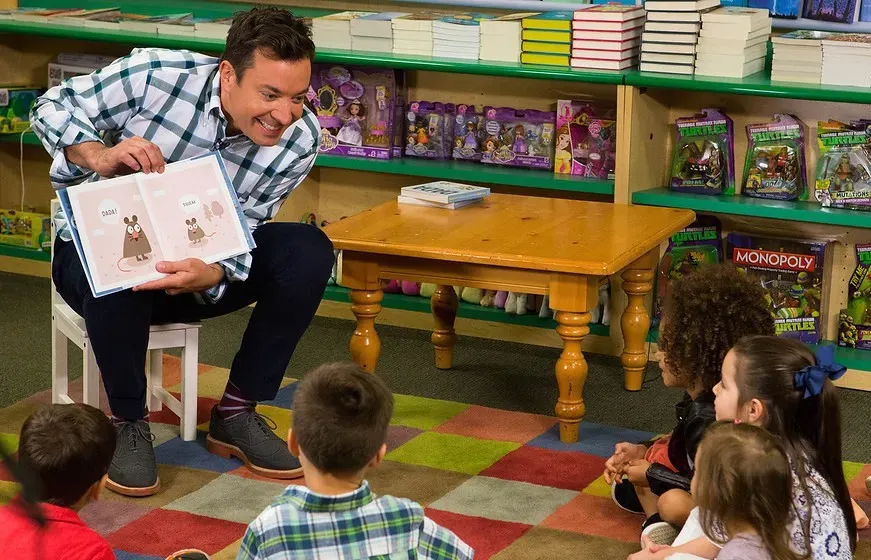
Leno left The Tonight Show for good on February 6, 2014, and on February 17, was succeeded by Late Night host Jimmy Fallon, at which time the series returned to New York for the first time since 1972. Fallon opened to massive initial numbers on the strength of Leno’s farewell attention. The goodwill, however, faded faster than expected.
Johnny Carson and Jay Leno lorded over The Tonight Show for decades, keeping it the most-watched late-night show in the modern era. Leno’s dominance over competitor David Letterman proved the most impressive given the latter’s unique brand. That dominance ended after Fallon took over the show in 2014. By 2025, Fallon’s Tonight Show was averaging just 1.19 million viewers, trailing far behind CBS’s Late Show and ABC’s Jimmy Kimmel Live. The show also cut down its programming from five nights to four, another sign of the once-mighty show’s slippage.
3. Byron Allen – Replaced Stephen Colbert and Faced an Immediate Collapse
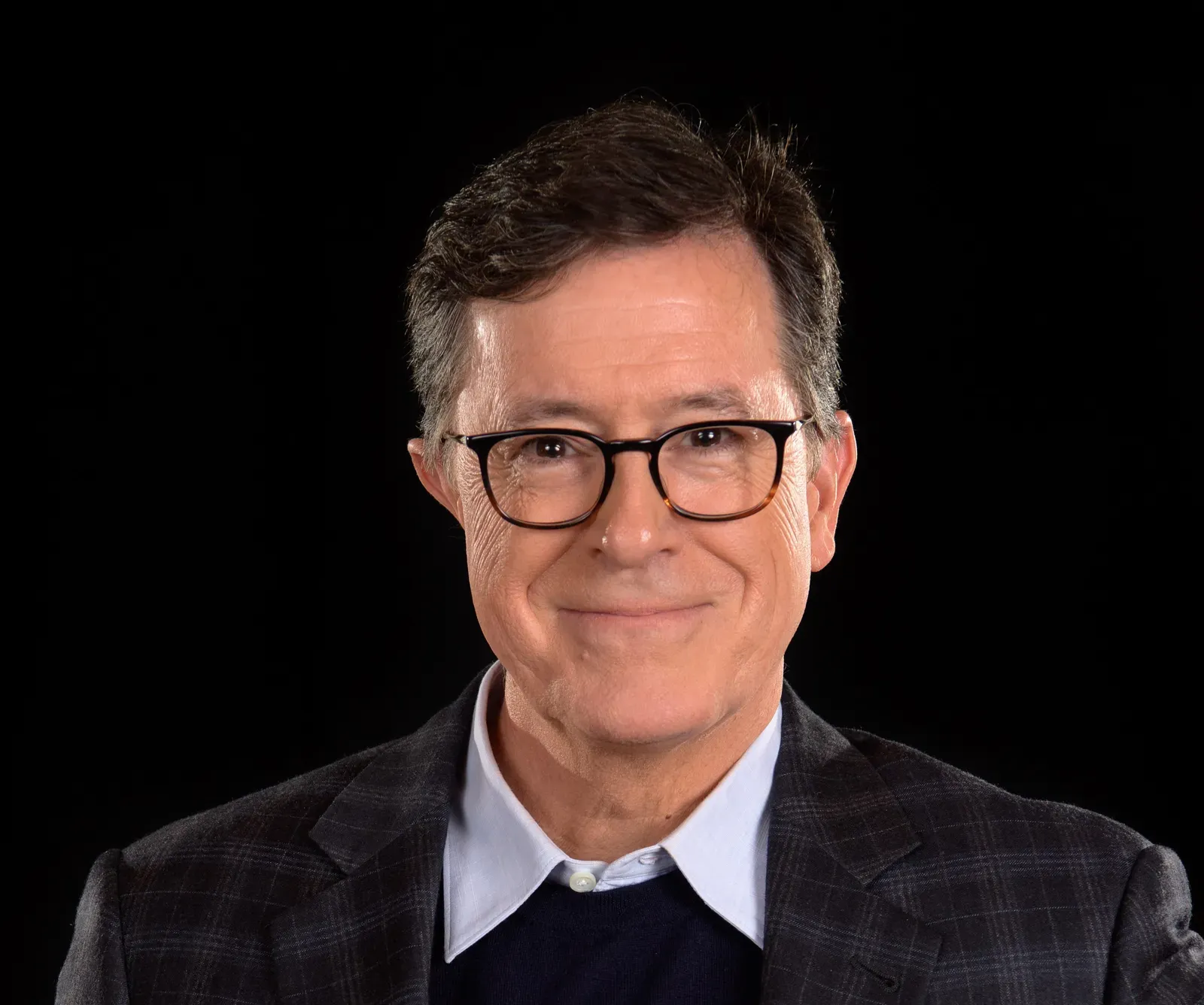
CBS announced in July 2025 that The Late Show with Stephen Colbert would end in May 2026, and that the Late Show franchise would be retired permanently after a 33-year run. Colbert had built the show into a genuine ratings powerhouse over his decade-long run. The Late Show became the highest-rated American late-night talk show and held that ranking for nine consecutive seasons, marking the longest such streak in franchise history.
The first episode of Byron Allen’s Comics Unleashed to premiere at Colbert’s previous 11:35 p.m. time slot drew just 995,000 viewers, according to initial Nielsen data. By comparison, Colbert’s series finale attracted more than 6.7 million viewers via the same metric, meaning CBS saw an 85 percent downturn in viewership just one day after Colbert’s show went dark for good. Comics Unleashed also failed to match any of its late-night peers, with Jimmy Kimmel and Jimmy Fallon each earning more than 1.5 million viewers on the same night. The audience hadn’t changed the channel. They had simply switched off.
4. Jon Stewart’s First Departure – Craig Kilborn’s Audience Was Gone Before He Was
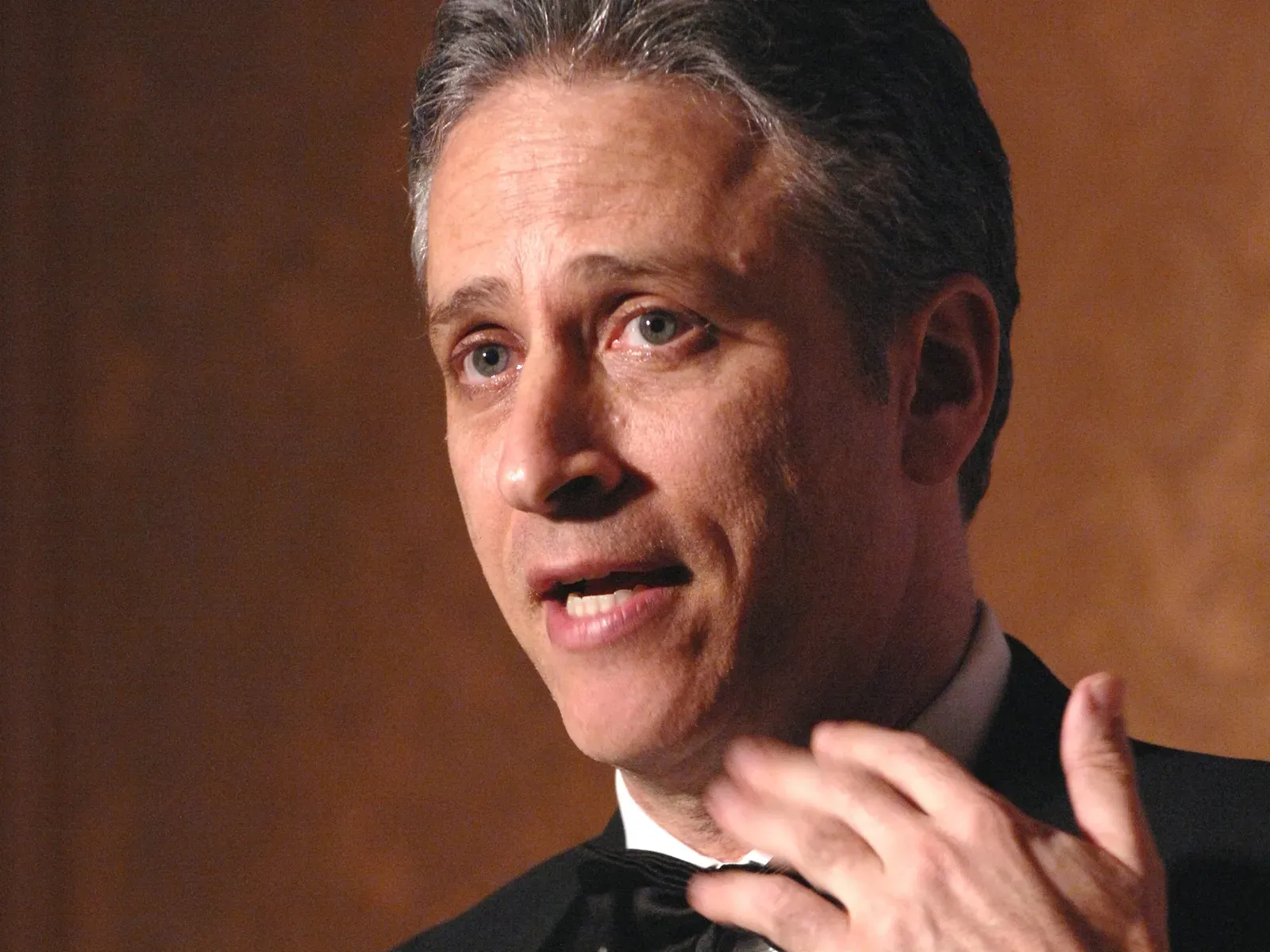
In the 2000s, Jon Stewart emerged as a bona fide television personality with his ascension to host of The Daily Show on Comedy Central, taking over from Craig Kilborn in 1999. Kilborn had built a loyal early audience for The Daily Show with an irreverent ESPN-anchor energy, and he later moved to CBS’s Late Late Show. But his departure from The Daily Show effectively handed Stewart a platform that would eventually overshadow everything Kilborn had built.
Stewart began hosting the Comedy Central show in 1999, taking over from Craig Kilborn. His first tenure, which ran through 2015, shifted the show away from the superficialities of pop culture and into the meat of genuine political and news media issues. Tom Snyder’s Late Late Show wasn’t exactly ratings dynamite, and CBS hired Craig Kilborn away from Comedy Central, where he was hosting The Daily Show. Kilborn stepped away from the Late Late Show in 2004 and largely faded from network television, a quiet ending for someone who had genuinely defined a format in its early days.
5. Chevy Chase – Replaced Nobody, But Lost an Audience He Never Actually Had
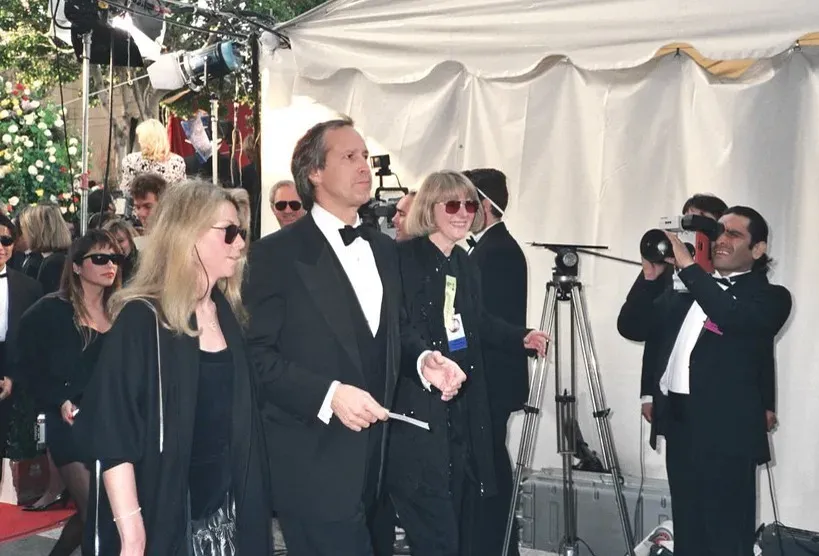
In 1993, Fox produced its first talk show in five years with everyone’s dream host. Chevy Chase was one of the hottest comedians of his generation. Most anticipated that his talk show would be a hit, but no one expected a disaster. Chase arrived at his own show essentially replacing the concept of a credible Fox late-night offering, and the gamble blew up almost immediately.
The talk show was widely panned by critics and suffered lower ratings than competitors like Late Show with David Letterman, so it was cancelled after just six weeks. Chase was visibly anxious and struggled for material, outshined by his unruly audience. With an uncontrollable production, uncomfortable guests, and plummeting ratings, The Chevy Chase Show ended after a mere five weeks. Chase himself credits the humiliating project as contributing to his downfall as a leading man. The Chevy Chase Show is now considered one of the worst talk shows ever produced, and perhaps the biggest bomb in late-night history.
6. David Letterman – Won the Chair, Then Lost the Ratings War for Good
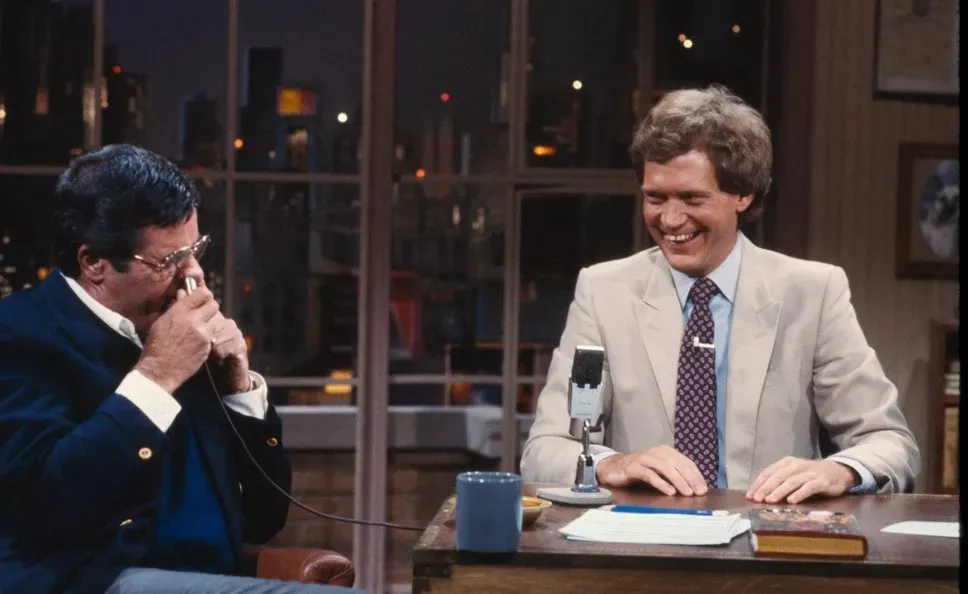
Though at one point Letterman would have been the favorite to replace Carson, and though Carson himself seemed to favor Letterman, the network had its eye on Leno when the time rolled around. Letterman ended up leaving NBC for CBS, setting off a long-term rivalry between the two hosts. In his CBS years, Letterman was initially competitive with Leno. Then a single Hugh Grant interview in 1995 changed the entire balance of power.
Competing in the late-night wars with not only Leno but also Chevy Chase, Arsenio Hall, and Ted Koppel, Letterman consistently won over all of his competition until the summer of 1995, when Leno had guest Hugh Grant on his show. The ratings were tremendous, and Leno consistently beat Letterman ever since. According to TV by the Numbers, in February 2013, Letterman’s Late Show averaged about 3.1 million viewers per show for the 2012–2013 season, and a year later average viewership was down to 2.8 million. Late Show also had the oldest audience among the various late-night talk shows. He retired in May 2015, having never regained the top position he held for those first few years at CBS.
Late-night television has always been a loyalty business. Viewers don’t just watch a time slot. They follow a personality. When that personality disappears, the trust built over years vanishes with surprisingly little ceremony, and no amount of network strategy or promotional spending has ever reliably changed that equation.