


Every genre has that one record everyone swore was untouchable the week it came out, only to watch the praise curdle into embarrassment a decade later. Critics gush, magazines hand out perfect scores, fans buy it in the millions, and then time does what time does. The album gets picked apart, the flaws that were once called “ambition” start looking like self-indulgence, and eventually even the people who wrote the five-star reviews start hedging their bets. This isn’t really a list of bad albums. It’s a list of albums that briefly wore the crown of “masterpiece” and then had it quietly taken away, sometimes by the same critics, sometimes by the artists themselves. Here are seven records that fell from that particular grace.
1. Oasis – Be Here Now (1997)

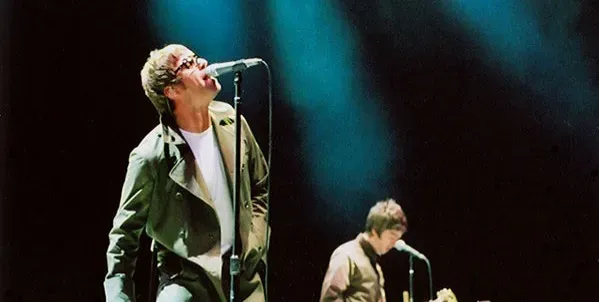
Few albums in rock history had a harder landing than this one. The initial reviews for this album were actually overwhelmingly positive, with critics desperate to avoid their mistake with Morning Glory by praising this album to hell and back. Q Magazine even gave it a full five stars on release, treating it as the natural next step for the biggest band in Britain.
The reversal came fast and hasn’t really stopped since. Pitchfork later sized up the record as “bloated and indulgent,” and even Q Magazine failed to stand behind their own five star review nineteen years later. Q’s own retrospective verdict was blunt, concluding that “So colossally did Be Here Now fall short of expectations that it killed Britpop and ushered in an era of more ambitious, less overblown music.” These days the album mostly survives as a cautionary tale about cocaine budgets and unchecked ego, not a lost classic waiting for reappraisal.
2. Yes – Tales from Topographic Oceans (1973)


This one is a strange case because the split verdict started on day one. It was one of the most ambitious albums of the band’s career and of the decade, and it was both critically praised and panned at the time of its release. Some listeners treated the four side-long suites based on Hindu scripture as a genuine spiritual and musical breakthrough.
Most retrospective writing has landed firmly on the “panned” side of that split. Prog fan sites now routinely describe it as the genre’s excess made audible, noting that though roundly trashed by critics, it managed to become a huge hit anyway, and it represents Yes at their most indulgent and pretentious. Even sympathetic reviewers today tend to admit that the result is a jumbled mess of brilliant ideas that fails to mesh the way their last few albums did. It’s telling that even devoted prog historians now file it alongside Emerson, Lake & Palmer’s most bloated work as a textbook example of a genre eating itself.
3. Guns N’ Roses – Use Your Illusion I & II (1991)

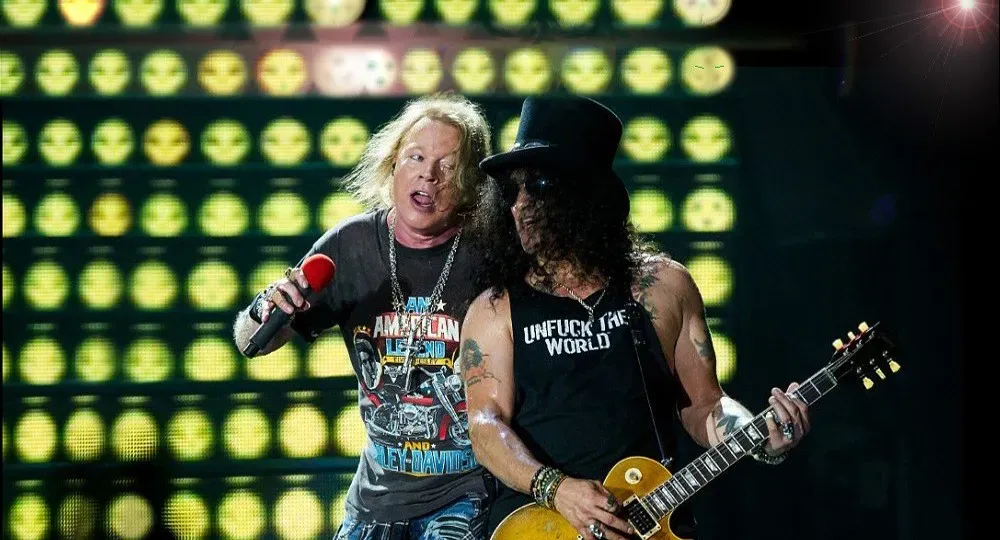
Released simultaneously as two separate seventy-five-minute albums, this was treated at the time as proof that Guns N’ Roses had grown from snarling street punks into serious rock artists. The scale alone was the selling point, with Slash reportedly comparing the sprawling, thirty-song project to the Beatles’ White Album, even if he admitted it was “maybe not as good,” calling it “thirty-five of the most self-indulgent Guns N’ Roses songs.”
That self-awareness turned out to be prophetic. Writers looking back on the records now generally agree that where Appetite was born from lived experience, Use Your Illusion I and II were bloated and petty, made by certifiable rock stars enthralled with their own fame and fortune. Even outlets that still enjoy the records concede that they have been heavily criticized from the day of release to the present, even if some of those criticisms have aged into strengths. Nobody seriously argues anymore that these are tighter or better records than Appetite for Destruction.
4. The Clash – Sandinista! (1980)

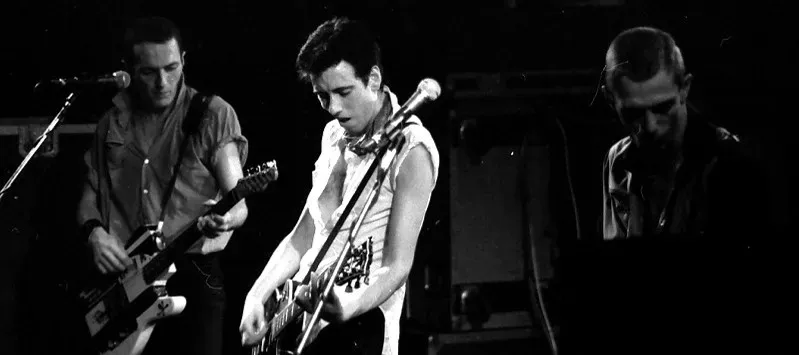
When The Clash followed up the widely loved London Calling with a triple album stuffed with dub, gospel, jazz, and children’s choir experiments, plenty of critics initially framed it as an act of restless genius. The band insisted on selling it at a single-album price, which only added to the sense that this was a generous, sprawling artistic statement rather than a commercial one. For a brief window, that ambition was treated as proof the band could do anything.
Partner offer

Decades on, that generosity of spirit is rarely matched by generosity of listening time. The consensus among most rock historians now is that Sandinista! is a fascinating idea stretched across roughly two and a half hours of material that would have made a genuinely great single album, but instead buries its best songs under filler, sketches, and half-finished experiments. It’s respected as a document of a band refusing to repeat itself, but almost nobody claims anymore that all three discs deserve equal attention.
5. Eminem – Relapse (2009)


Coming after Eminem’s near-fatal overdose and years of silence, Relapse was received on release as a triumphant comeback, a return to the horror-tinged Slim Shady persona that made him famous in the first place. NPR’s Robert Christgau was one of the few dissenting voices at the time, but the general mood around the album’s release leaned toward relief and celebration that Eminem was back at all.
The album’s reputation has slid considerably since then, and notably, Eminem himself has been among the harshest critics of his own work here. Retrospective writing on his catalog now regularly treats Relapse as a transitional stumble rather than a comeback classic, pointing to its heavy reliance on exaggerated accents and horrorcore shock value as symptoms of an artist not yet fully recovered. Even fans who still enjoy individual tracks tend to rank it well below the albums that came before and after it in his discography.
6. Kanye West – The Life of Pablo (2016)


At release, The Life of Pablo was treated by much of the music press as a bold, unfinished-on-purpose statement, a “living album” that Kanye kept editing even after it hit streaming services. Tracks like the gospel-inflected opener drew comparisons to his most celebrated work, and the sheer unpredictability of the rollout was framed as part of its genius. For a moment, critics seemed willing to forgive its messiness as a feature rather than a flaw.
That patience has largely evaporated. Even at the time, not everyone was convinced, with critic Bob Ezrin writing a widely discussed review arguing that West’s “greatest achievements have been in the form of excessive behavior, egomaniacal tantrums and tasteless grandstanding.” Looking back, most assessments now treat the album as a talented artist’s least cohesive statement, a collection of strong individual moments that never really resolves into a finished record.
7. U2 – Songs of Innocence (2014)


U2 and Apple made headlines by pushing this album directly into half a billion iTunes libraries for free, and the initial coverage leaned heavily into treating it as a bold reinvention for a band trying to stay culturally relevant. Early reviews were respectful, some even enthusiastic, framing songs about Bono’s childhood in Dublin as a return to emotional songwriting after a run of more polished, arena-ready records.
The backlash arrived almost as quickly as the album itself did. Listeners resented having music forced onto their devices without consent, and that irritation bled directly into how the songs themselves were judged, with much of the record now remembered less for its content than for the delivery method that made people angry before they’d even pressed play. Today it’s rarely mentioned in serious conversations about U2’s best work, and even loyal fans tend to describe it as a well-intentioned misstep rather than the comeback it was initially sold as.
Partner offer
Planning a trip to Vegas?
Compare hotel rates and show tickets on VEGAS.com.


