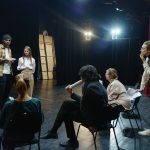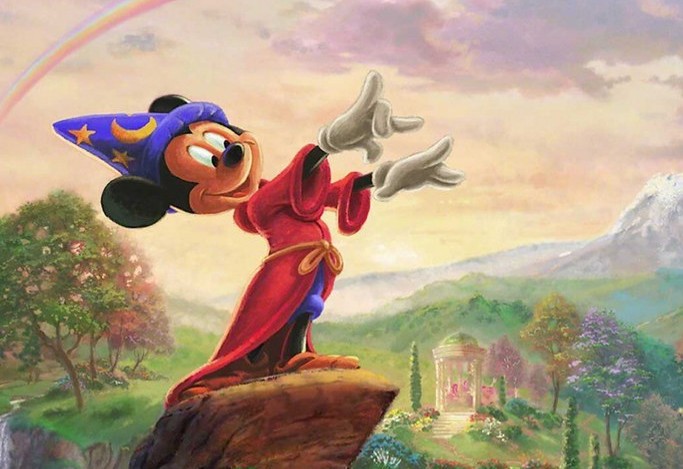
Animation looks effortless on screen, but a lot of the naturalism in classic and modern films comes from a much less glamorous source: actors performing scenes in front of a camera so animators could study how bodies actually move. Some studios turned this into an open secret, others treated it as a closely guarded production tool. Either way, the practice has shaped some of the most memorable character animation ever put to film, from fairy tale princesses to a certain wall crawling teenager.
1. Snow White and the Seven Dwarfs (1937)

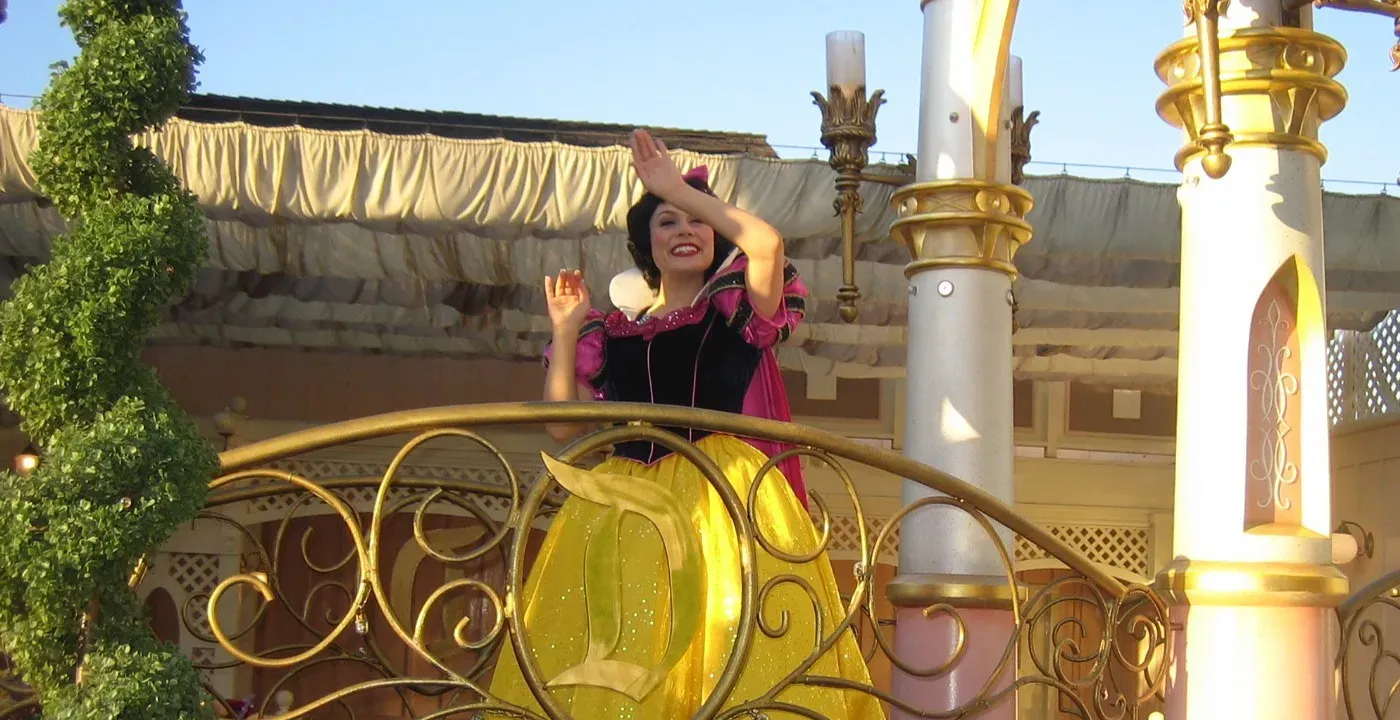
Walt Disney’s first feature length film leaned heavily on live performers to make its human characters believable, since the “rubber hose” cartoon style of the era simply could not sell realistic movement. Dancer Marge Belcher, later known as Marge Champion, performed some scenes as Snow White in full costume and with makeshift props as well as some of the animators standing in for the dwarfs.
The studio did rotoscope some of the key frames of Snow White and the Prince, tracing directly over the filmed footage. Walt Disney did not care for the final results feeling it made the characters look stiff and unnatural, so animators were pushed to treat the footage as a study aid rather than a template to copy frame by frame.
2. Fantasia (1940)
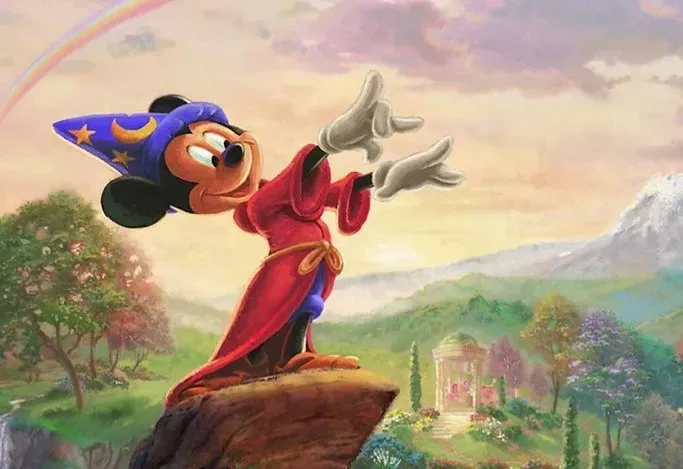
For the “Night on Bald Mountain” segment, Disney needed a demon so imposing it would carry an entire wordless sequence. The studio brought in horror icon Bela Lugosi, best known as Dracula, to pose as Chernabog the massive, all-powerful demon who appears as a villain in the segment.
The footage did not quite deliver what animator Bill Tytla was after. Later Bill Tytla who animated the character, upset that Lugosi failed to follow his directions, also used film footage of animator Wilfred Jackson doing some of the actions. It is a good reminder that reference footage was always meant to be raw material, not a finished performance to trace.
3. Cinderella (1950)

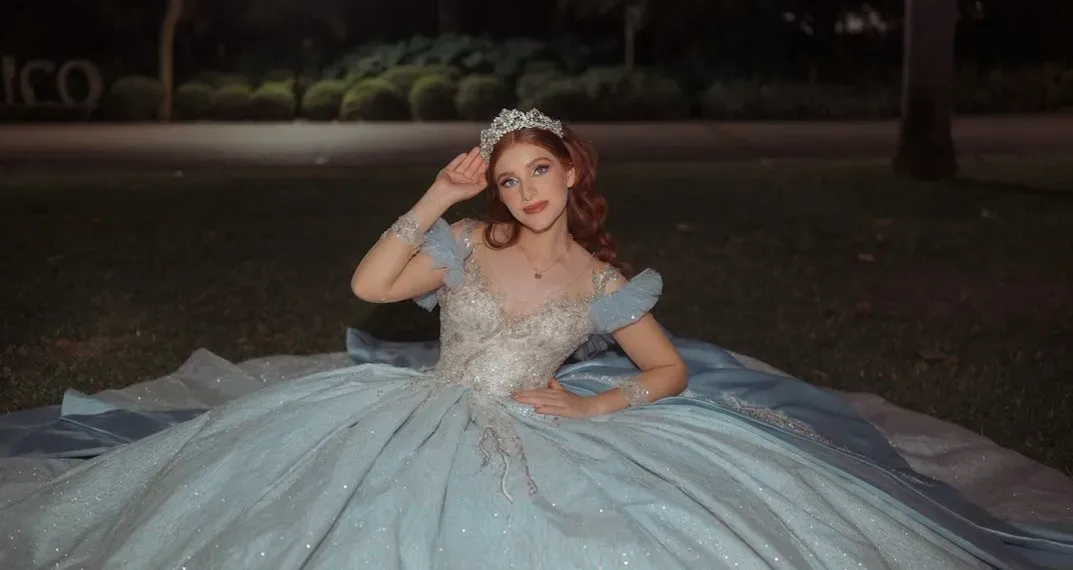
By the time Disney reached its early 1950s features, filming live actors for reference had become standard studio practice rather than an experiment. Actress Helene Stanley performed scenes as Cinderella in costume, giving animators a physical basis for the character’s posture, gestures, and the way her ballgown moved during the transformation and ballroom sequences.
This approach carried over into other Disney princesses of the period, since the studio found that filmed reference produced more consistent, lifelike results than animators working purely from imagination. It also meant that certain actresses became closely associated with specific characters, even though audiences never saw their faces on screen.
4. Sleeping Beauty (1959)

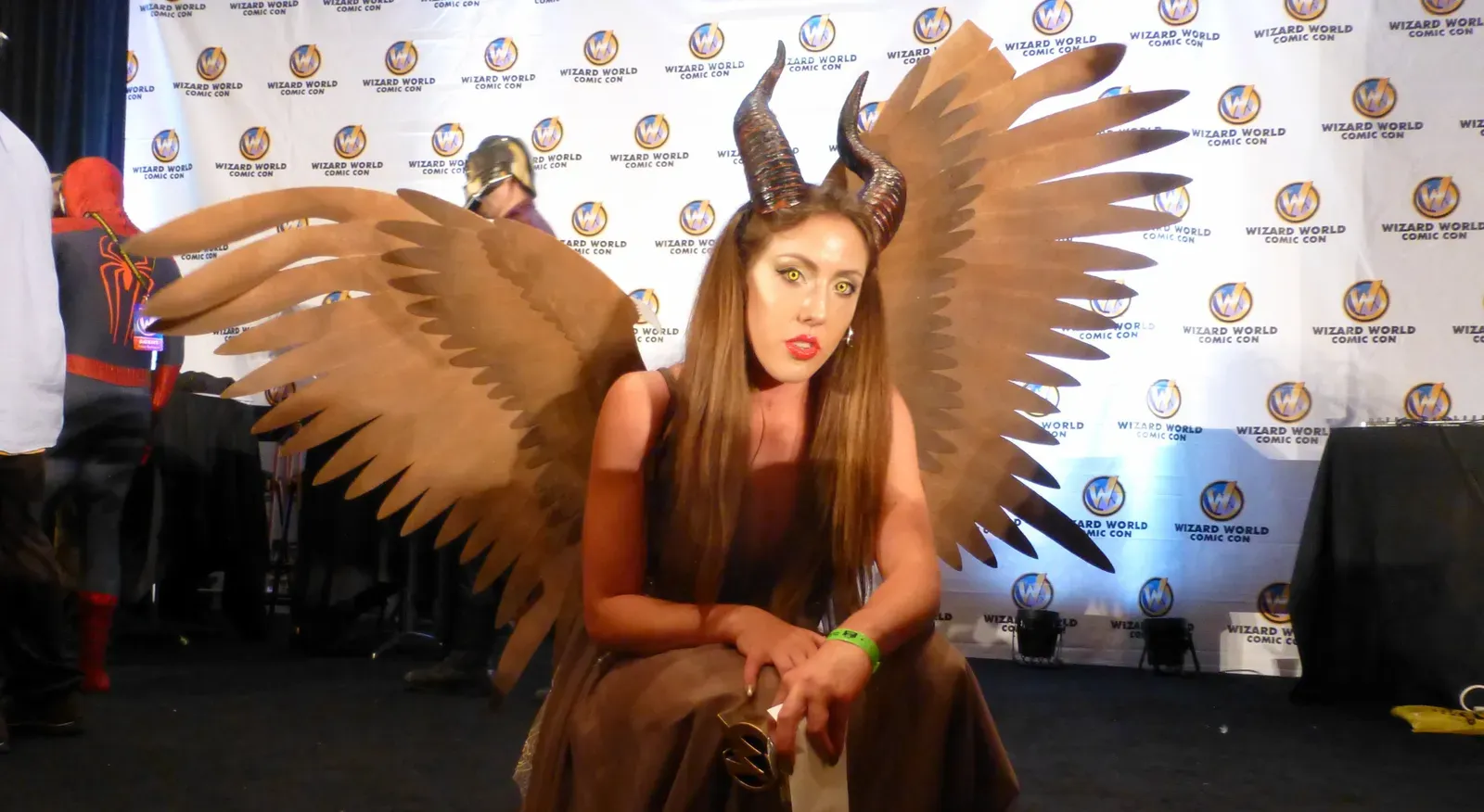
Sleeping Beauty pushed Disney’s reference process further, partly because the film’s more angular, tapestry inspired art style demanded precise, controlled movement. Actress Eleanor Audley, who also voiced the role, was filmed in full costume for reference especially her expressive face while playing Maleficent.
Other performers filled smaller but memorable roles in the reference footage as well. Franklin Pangborn, a familiar character actor from the 1930s onward, did reference footage for the tippling servant and musician in Sleeping Beauty, and though the character is mute, his face carries a bit of a Pangborn caricature.
5. 101 Dalmatians (1961)

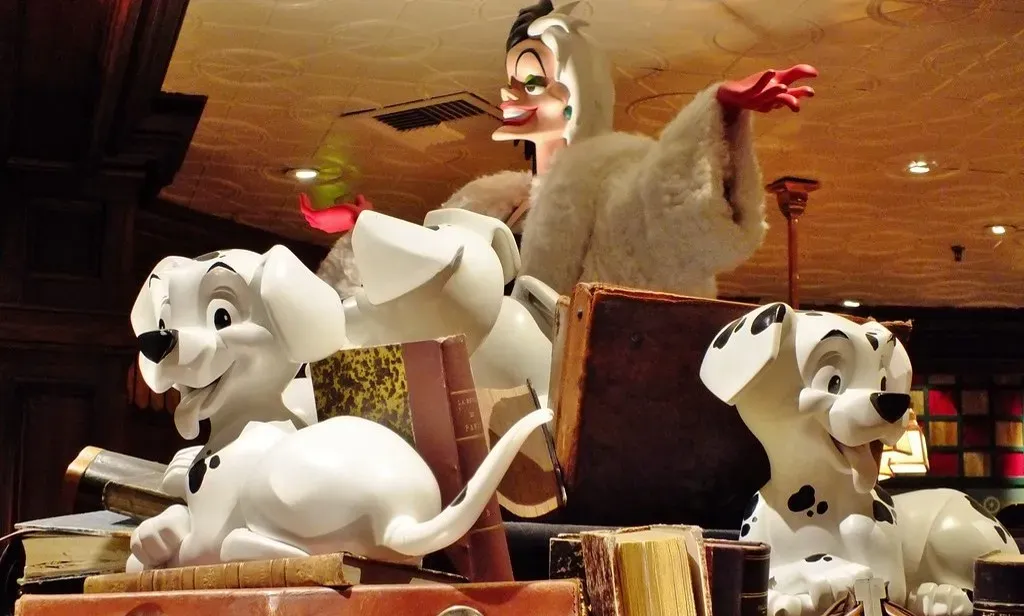
Some of Disney’s most beloved human characters owe their personalities partly to live performers most viewers never think about. Animator Andreas Deja has pointed to Cruella de Vil along with Roger and Anita Radcliffe as favorite Disney characters who were successfully based on live action.
What made 101 Dalmatians distinct was how the animators handled the footage rather than simply copying it. As one veteran animator put it, the goal was interpretation over imitation, since a good animator will mess with the timing and proportions of the photostats to keep the drawings feeling alive rather than stiff.
6. The Lord of the Rings (1978)

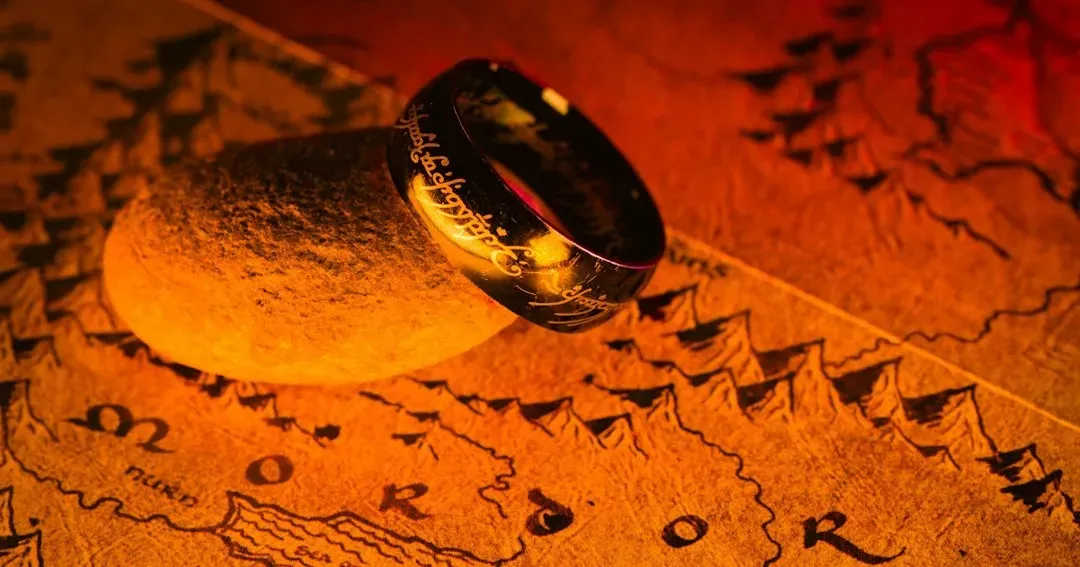
Ralph Bakshi’s adaptation of Tolkien’s trilogy took a far more literal approach than Disney ever did, essentially building the film around filmed performance. Much of the film used live-action footage which was then rotoscoped to produce an animated look, which saved production costs and arguably gave the animated characters a more realistic look.
The production actually traveled abroad to shoot its reference material properly. For the live-action portion of the production, Bakshi and his cast and crew arrived in Spain where the rotoscope models acted out their parts in costume, and for the film’s battle sequences specifically, Bakshi used live-action footage of actors costumed as orcs, Nazgul, and human characters and then rotoscoped it to fit in with the animation. Reception was mixed at the time, but the technique gave the Nazgul and other creatures an unsettling quality that hand drawn animation alone might not have achieved.
7. Spider-Man: Into the Spider-Verse and Across the Spider-Verse (2018, 2023)

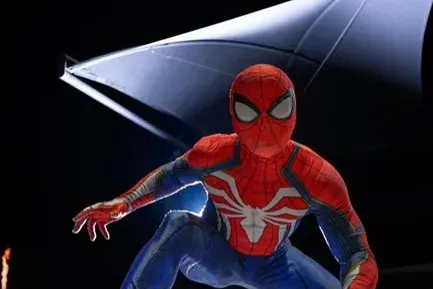
Sony’s Spider-Verse films took the idea of live-action reference in a new direction, blending traditional animator observation techniques with an outright collision of animated and filmed worlds. The production team at Sony Pictures Imageworks studied real human movement extensively to nail the comic book inspired staccato animation style, a process so meticulous that it took around a year for two animators to create 10 seconds of footage that reflected the producers’ vision.
Across the Spider-Verse pushed this concept even further by weaving in actual live-action clips rather than just using them as animator reference. The scene functions as the first live-action moment in the animated movie, teasing more live-action surprises to come, incorporating footage of Tobey Maguire and Andrew Garfield’s earlier Spider-Man performances directly into the finished film. It is a modern twist on an old technique, using live footage not just to guide the drawing hand but to physically share the screen with it.
Live-action reference has never been about cutting corners. From Marge Champion twirling in a makeshift costume for Walt Disney’s animators to Sony’s teams studying real bodies in motion decades later, the goal has always stayed the same: give hand-drawn or digitally animated characters a believable sense of weight, timing, and presence. The tools have changed enormously, but the underlying instinct, that animation gets better when it stays connected to real human movement, has barely aged at all.