There’s a strange kind of discipline required for a job that might never actually happen. Every night, in theaters across Broadway and beyond, performers put on makeup, review blocking, and warm up their voices for a role they may watch someone else play for months, or even years, without ever setting foot onstage in it themselves. It’s a peculiar form of professionalism, one built entirely around a hypothetical. Yet understudies, standbys, and swings are not simply waiting around. They’ve developed specific habits, mental frameworks, and physical routines that keep them performance ready, sometimes literally within minutes, for a moment that may or may not ever arrive.
They memorize lines long before they’re needed

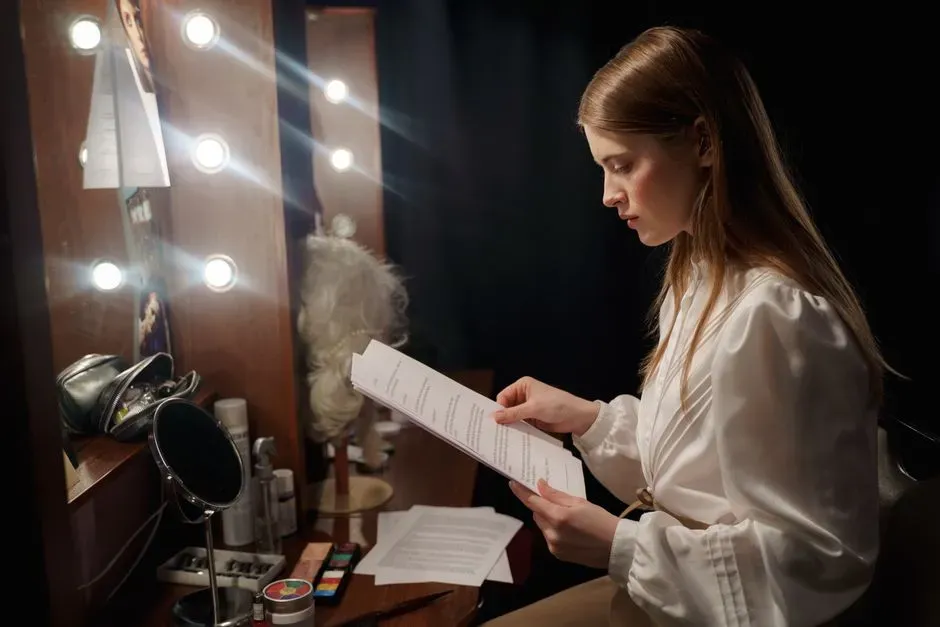
The first and most obvious task for any understudy is total command of the script. This isn’t casual familiarity, it’s the kind of memorization that has to survive stress, adrenaline, and zero warning. One Broadway performer described running lines every day for the first month of a show, making sets of index cards for each character and studying them while walking around the city.
That intensity doesn’t stay constant forever. Once she felt more comfortable, she moved to running lines every other day, then eventually just once a week. The goal is to keep the material fresh enough that it can surface instantly, even after weeks of not touching it in performance.
They attend put-in rehearsals whenever the schedule allows

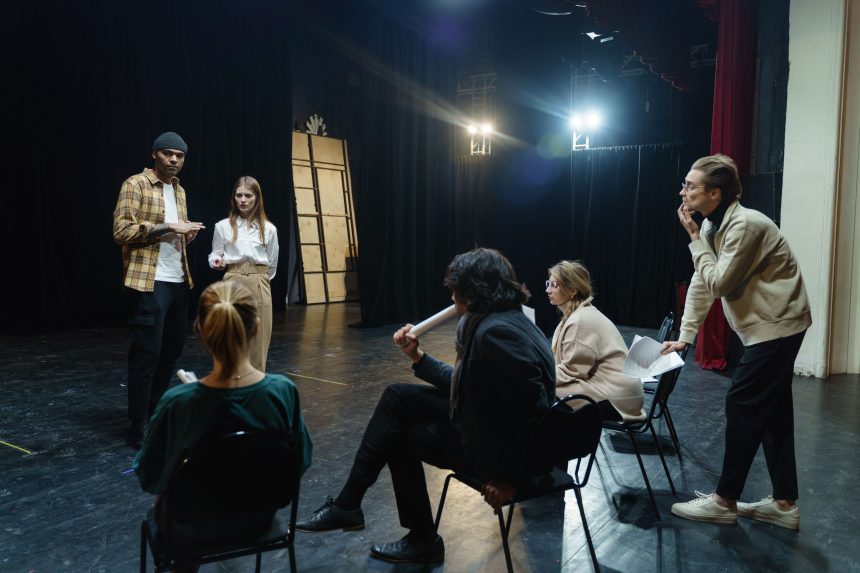
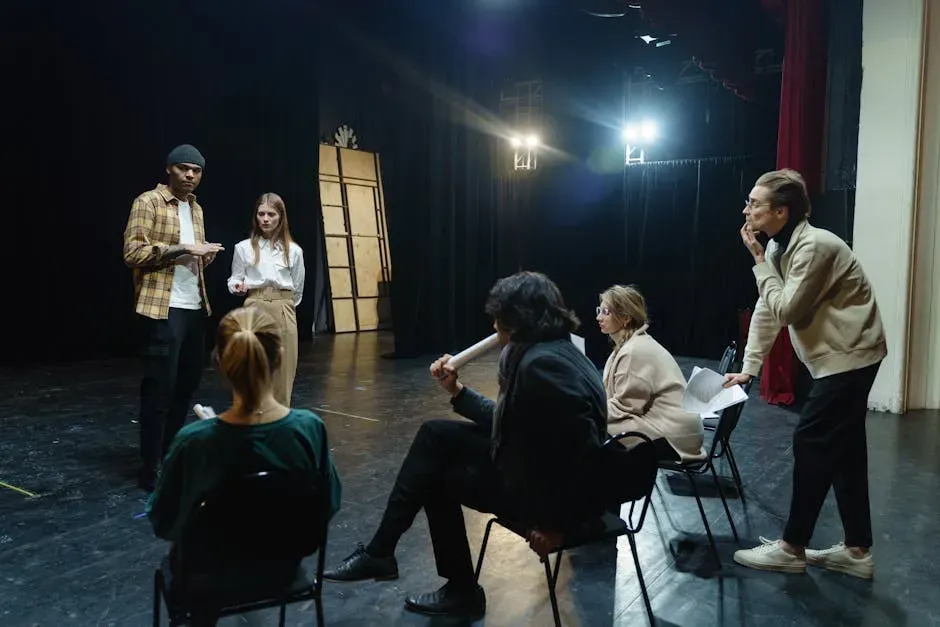
Understudies don’t just study alone. Productions schedule dedicated sessions specifically for covers to practice the roles they’re responsible for. Actors filling in for main characters typically get the opportunity to rehearse twice a week, working with each other while stage managers read off-book to cover other parts.
These sessions matter because theater is physical as much as verbal. Once a production is up and running, swings, understudies, and standbys have put-in rehearsals, usually with an associate on the creative team, so they can learn a track. Without that repetition, blocking and choreography can slip out of muscle memory fast.
They build personal reference systems for fast recall

Because a single swing might be responsible for a dozen different tracks in one production, generic memorization isn’t enough. Performers often create their own organizational tools to keep everything separated in their heads. One Broadway swing kept tiny notebooks for each character she covered, something like twelve tracks, grabbing the specific notebook for whichever character she needed to go on for.
This kind of system isn’t a luxury, it’s survival. When a call comes with almost no notice, there’s no time to mentally sort through overlapping choreography or dialogue from several different roles at once. A dedicated notebook or card system turns chaos into something searchable.
They rehearse physical habits that have nothing to do with lines


Sometimes preparation goes well beyond memorization and into oddly specific physical practice. One understudy preparing to cover a drag performer role not only memorized lines and staging but also researched relevant online communities and, during off hours, practiced walking in high heels by descending four flights of stairs from his dressing room.
He described the practice simply, admitting he’d go down every once in a while and just walk around in the heels. Wearing a costume convincingly, moving in unfamiliar footwear, or matching a specific physicality can require its own rehearsal separate from the script entirely.
They stay physically and vocally warmed up, just in case
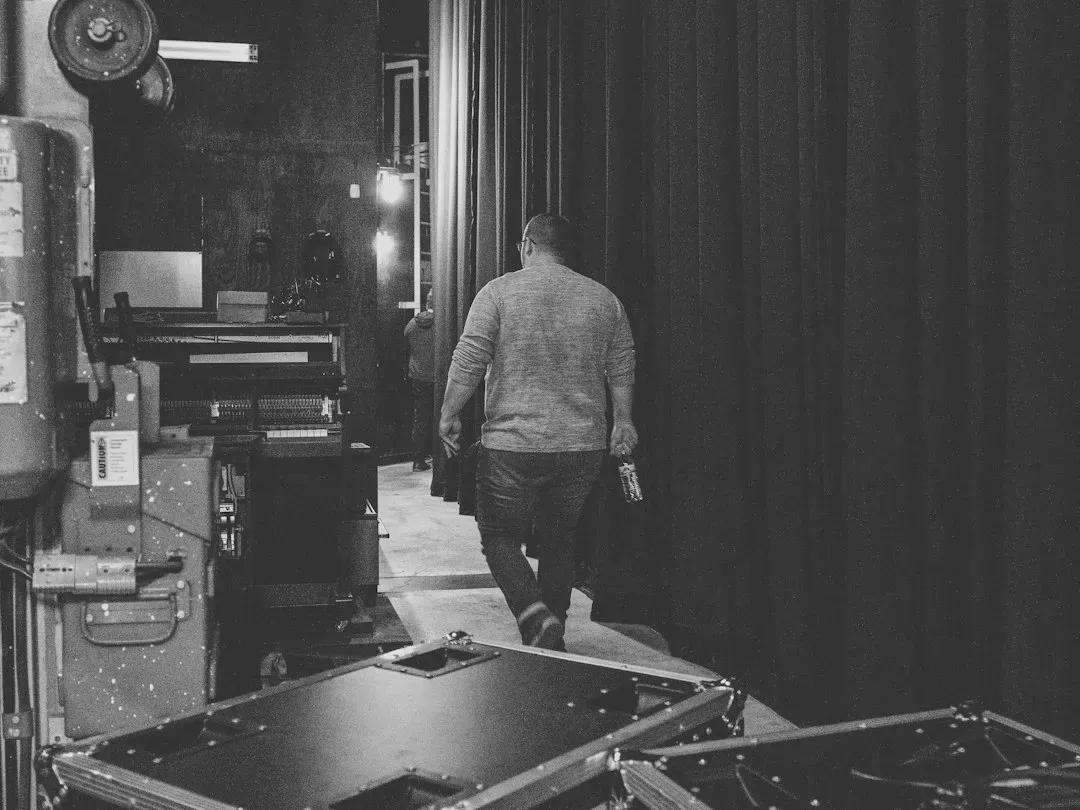
Some covers don’t get the luxury of advance notice. Standbys in particular are held to strict readiness standards throughout every single performance. A standby has to be backstage at all times, warmed up, made up, and costume-ready so that the show can move on smoothly if the original actor cannot perform their role.
That means vocal warmups, stretching, and even partial costuming can happen on nights when the odds of actually performing are low. These performers are required to stay within the vicinity of the theater during every show and remain able to step into the role at a phone call’s notice. The waiting itself becomes a kind of performance discipline.
They accept that first-time performances often happen live
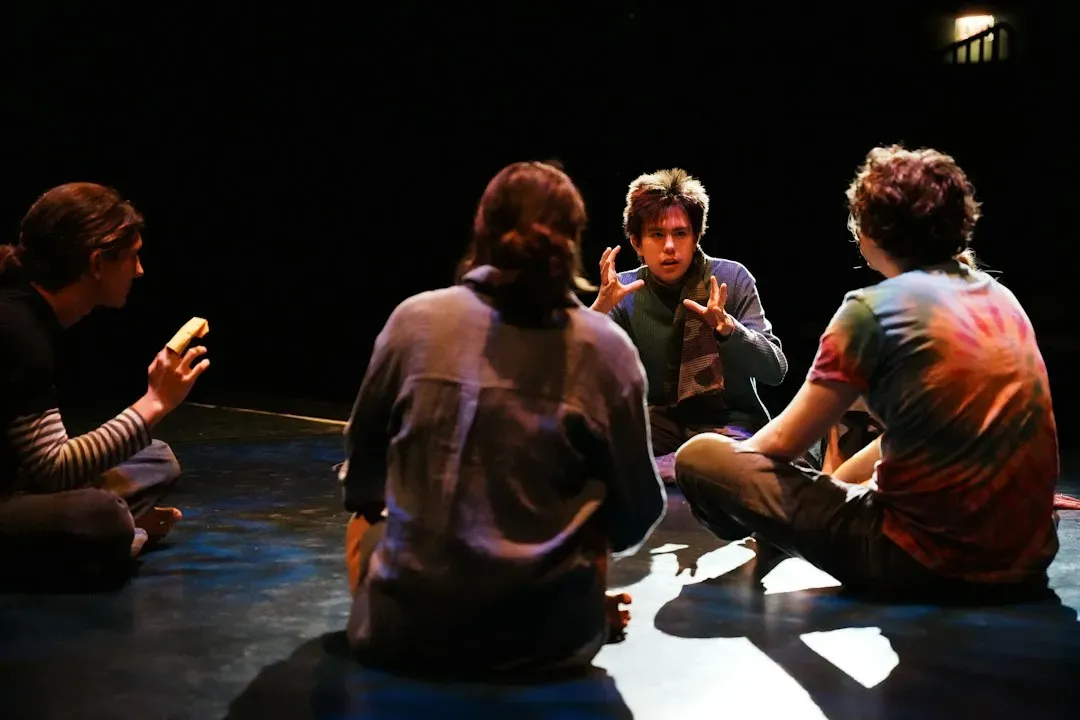
One of the more unusual truths about understudy life is that dress rehearsal in the traditional sense sometimes never happens. It’s not uncommon for an understudy’s first full-out performance in a track they cover to be the actual time they go on for a real audience.
This reality forces performers to prepare mentally for imperfection under pressure. During rehearsals before performances begin, as well as during previews, understudies often aren’t rehearsed at all, which is part of why performances are sometimes canceled during previews if a principal can’t go on. Readiness, in other words, sometimes has to be built without ever getting a full technical run.
They train for the emotional side of sudden notice


Being called to perform can happen with almost no warning, and performers have to manage the psychological jolt of that moment as much as the technical demands. One performer recalled getting an hour and a half notice before going on, and nearly going on in the first ten minutes of a show on another occasion because a cast member fell ill.
Sometimes the timeline compresses even further. One performer had to go on close to the end of a matinee after the star fell and fractured a rib, and recalled being made ready in just seven minutes. Staying calm enough to perform well under that kind of compressed timeline is its own trained skill, separate from knowing the material itself.
They avoid treating the role as a personal spotlight moment
There’s a particular mindset that experienced understudies try to cultivate, and it’s less about ambition than about service to the production. One Broadway understudy warned against approaching the opportunity as a personal moment to shine, noting that treating a go-on as a big break moment is generally frowned upon by the rest of the company, for good reason.
This isn’t false modesty. A show depends on covers slipping into a role without drawing attention to the transition itself, matching the tone and shape of a production that audiences already expect. Understudies who prepare well tend to prepare in service of continuity, not personal showcase.
They understand the different demands of their specific job title
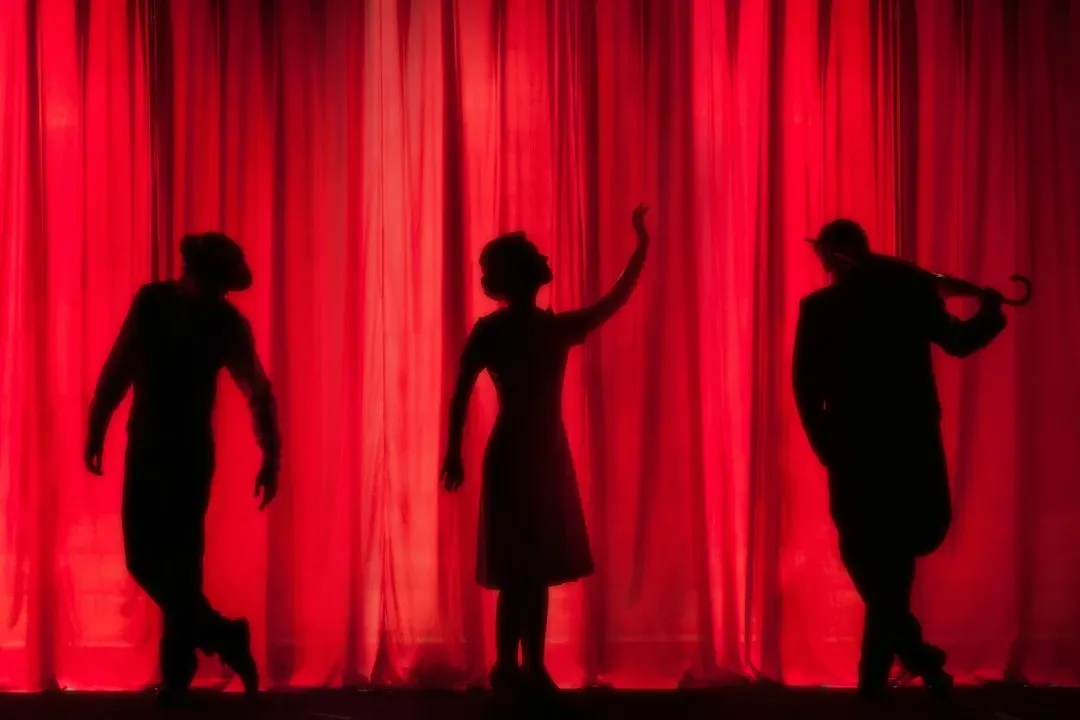
Not every cover is preparing for the same kind of call. Swings, understudies, and standbys each face distinct readiness requirements, and knowing which category applies shapes how a performer trains. In major productions, performers hired as swings must learn multiple tracks of choreography and lines and be ready to jump in at any point, wearing at least two hats by swinging between two parts in the same show.
Some swings cover anywhere from four to eight or nine ensemble tracks in a single show. That range of responsibility means a swing’s preparation routine looks fundamentally different from an understudy who is responsible for just one alternate role.
They keep training even after months or years without going on


Perhaps the hardest part of understudy work is sustaining sharpness over long stretches with no performance at all. Because Broadway shows run eight times a week, the expectation of readiness never really lifts, regardless of how rarely it’s called upon. Given that Broadway shows run eight times a week, it is considered essential that a cover be able to perform no matter what.
Some performers spend years in this position before ever getting their moment, and a few use it as a stepping stone toward a lead role entirely. One well known example involved a performer hired as an understudy for a lead role who was promoted to the full-time part during the rehearsal process, then went on to win a Tony Award for the performance. That kind of outcome is rare, but it’s part of why so many performers treat the preparation seriously, even when the odds of ever stepping onstage in that specific role remain uncertain.
The Quiet Discipline Behind the Curtain

What emerges from all this is a portrait of readiness as a daily practice rather than a single achievement. Understudies build systems, routines, and mental habits that hold up under pressure precisely because they can’t predict when that pressure will arrive. It’s preparation without a guaranteed payoff, sustained purely by professional commitment to a production that depends on them anyway.
The next time a cast list includes an understudy’s name in small print, it’s worth remembering the quiet work behind it. Somewhere backstage, that performer has likely rehearsed the role dozens of times, in notebooks, in stairwells, in late-night line runs, all in service of a moment that might never come, and that readiness itself is the job.