We tend to treat the last page of a novel as settled. Once a book is printed, the ending feels like it was always going to be that way. In practice, plenty of writers kept tinkering, and sometimes readers, editors, or the passing of years pushed them to do it.
The seven cases below range from Victorian serials to a modern novel rewritten two decades on. In some, the author made the change willingly. In others, the pressure came from outside. Each one shows that a finished ending can still be moved.
Charles Dickens and the Hopeful Walk in Great Expectations
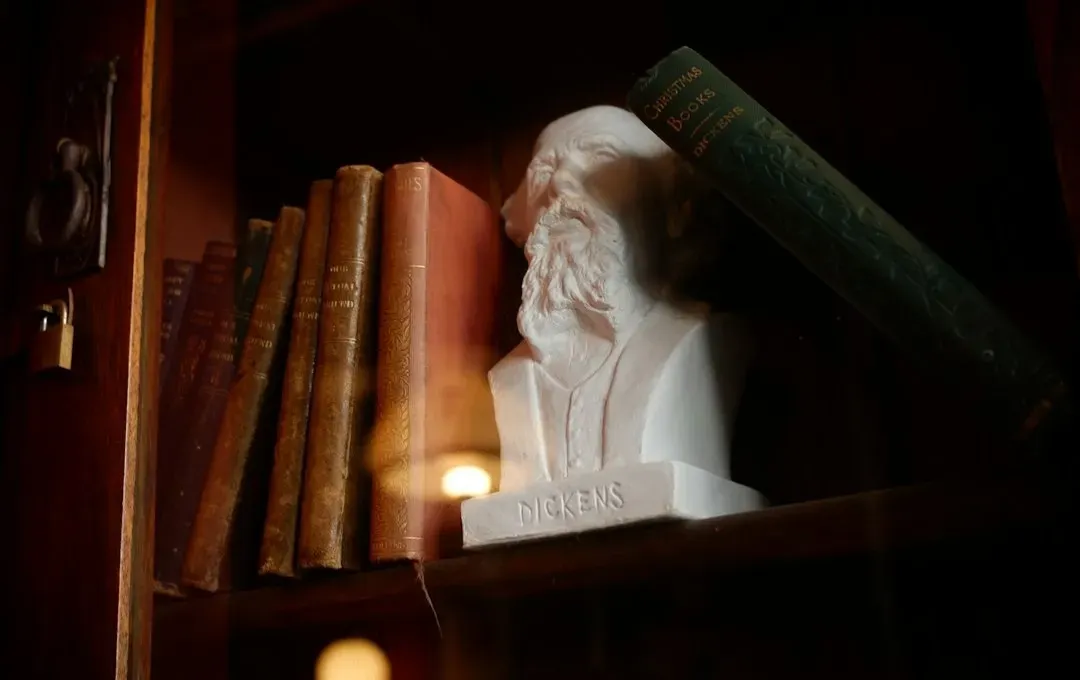
Dickens first wrote a bleak finish for Pip and Estella. In that version they part ways for good, and Pip is left resigned to a lonely life. After a conversation with a friend, the novelist Edward Bulwer Lytton, who argued for a more optimistic outcome, Dickens changed his mind.
The timing is a little slippery, so it’s worth being careful. One account says the ending was changed shortly before the novel’s single volume publication. The original, tragic ending is reprinted as an appendix in several modern editions. Readers who want to compare the two versions can still do it today.
George Eliot Trims the Close of Middlemarch
The last pages of Middlemarch are among the most quoted in English fiction. The final lines about Dorothea and the hidden lives of ordinary people feel almost carved in stone. Yet that wasn’t how the book first ended.
Mental Floss reports that the first version of the ending was significantly longer and contained a number of details not found in the text we read today. The same piece asks why Eliot edited it after publication, and it brings the critic Richard Holt Hutton into the discussion. What survives is a tighter close, and the one most readers know.
Henry James Closes the Door on Caspar Goodwood
The Portrait of a Lady first appeared as a book in 1881. James revised it twenty-five years later for what he called the New York Edition of his works. Most of the changes were stylistic, but the ending got special attention.
According to a Penn State introduction to the novel, James revised the ending for the New York Edition to leave no doubt about Goodwood’s defeated prospects. Some readers had apparently taken the earlier version as leaving a door open. Readers on a Goodreads thread still disagree about which text feels clearer, which says something about how much one paragraph can shift an ending.
Partner offer
Carlo Collodi Brings Pinocchio Back From the Gallows
Pinocchio began as a newspaper serial in Italy in the early 1880s. Collodi’s first run of chapters ended grimly, with the puppet hanged from a tree for his misdeeds. As far as the story went, that was the end.
Readers and his editor wanted more, and Collodi picked the tale back up. He revived the puppet and carried the story on to the version that became the full book. It’s one of the rare cases where the ending was reversed while the story was still unfolding in public.
Agatha Christie Rescues Two Survivors for the Stage
In the 1939 novel And Then There Were None, nobody gets off the island. When Christie adapted it for the theater, she knew the ending would have to be changed because all of the characters die in the book. Her stage solution was to make two characters innocent, so they could survive and be reunited.
The Agatha Christie website explains that because the play was performed during World War II, she thought the original ending would have been far too bleak. The play opened in 1943. Later, in 2005, screenwriter Kevin Elyot wrote a new version restoring the novel’s original ending. The play is now available with both endings.
Anthony Burgess and the Missing Chapter 21
Burgess built A Clockwork Orange in three parts of seven chapters each. He said the total of 21 chapters was a deliberate nod to the age of 21 as a milestone in human maturity. Yet the 21st chapter was left out of editions published in the United States before 1986.
In that final chapter, Alex sees the error of his ways and resolves to turn his life around. At the American publisher’s insistence, Burgess let editors cut it, so the tale would end on a darker note. He later admitted he had given in a little too weakly, and the full text finally reached American shelves in 1986. Stanley Kubrick’s film was based on the shorter American edition.
Karen Hall Rewrites Dark Debts Two Decades Later

Not every revised ending belongs to a classic. Novelist Karen Hall went back to her book Dark Debts long after its first release. Twenty years later, she republished a very revised version that eliminates some characters, adds others, and completely changes the ending.
B&N Reads notes a curious detail about the process. The more emotionally resonant sections were left untouched, because two decades on she could no longer reconnect with those emotions and didn’t trust herself to revise them properly. It’s a rare, candid look at why an author might rewrite the ending of a book yet leave its heart alone.
Partner offer
Planning a trip to Vegas?
Compare hotel rates and show tickets on VEGAS.com.