Hollywood has always borrowed from bookshelves. Some adaptations barely resemble their source, while others turned a paperback into a cultural landmark twice over. The nine below were all published as novels first, and each one reshaped how its story reached a mass audience.
The list runs from 1930s epics to a space saga still producing sequels in 2026. Each entry shows a different way a book can change on its way to the screen.
Jaws (1974 novel, 1975 film)
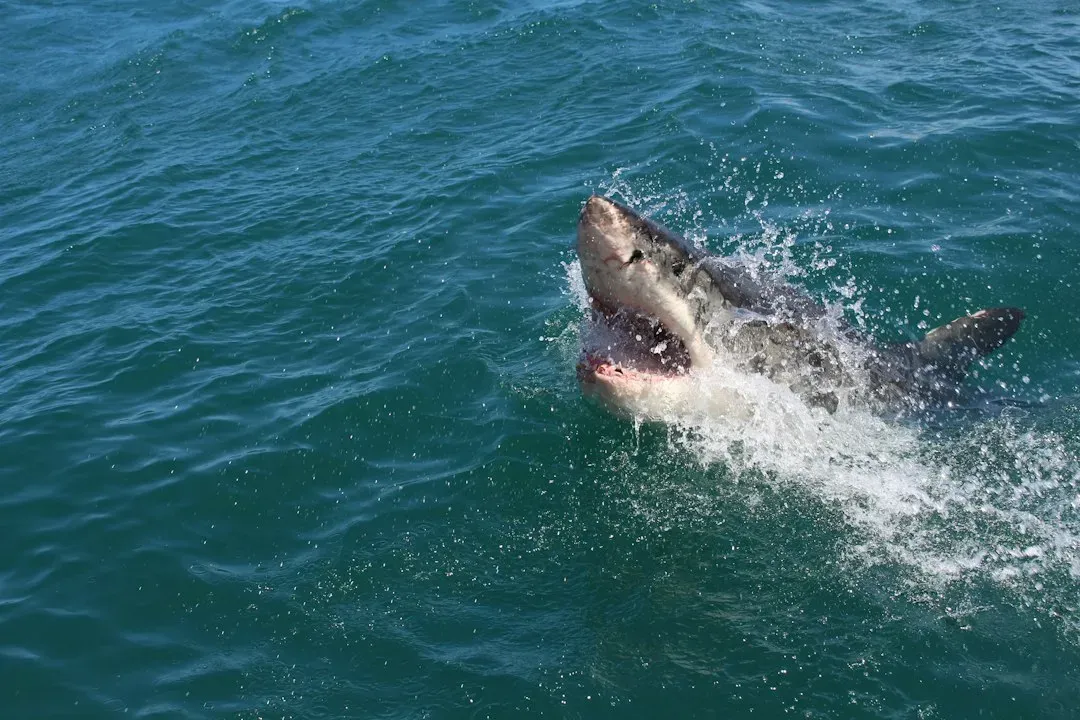
Peter Benchley’s novel about a great white shark terrorizing the fictional resort town of Amity came out in 1974. Steven Spielberg’s film followed in the summer of 1975. It’s widely credited as the first modern summer blockbuster, and it changed how studios planned big releases.
The film trimmed the book considerably. It dropped a subplot about an affair involving the police chief’s wife. It also spared the marine biologist Hooper, who dies in the novel. Benchley worked on the early screenplay drafts, though other writers reshaped the final script.
The Godfather (1969 novel, 1972 film)
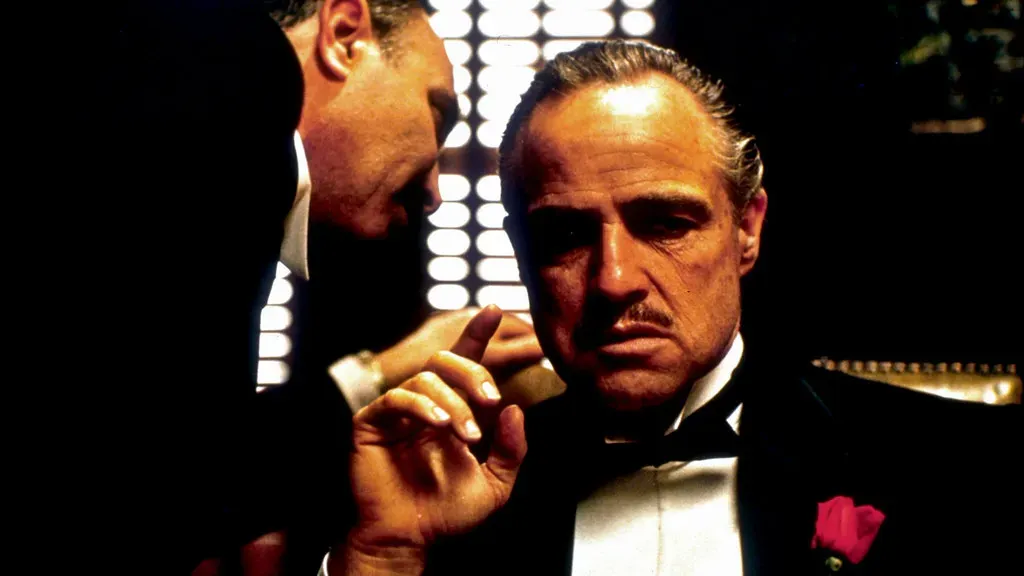
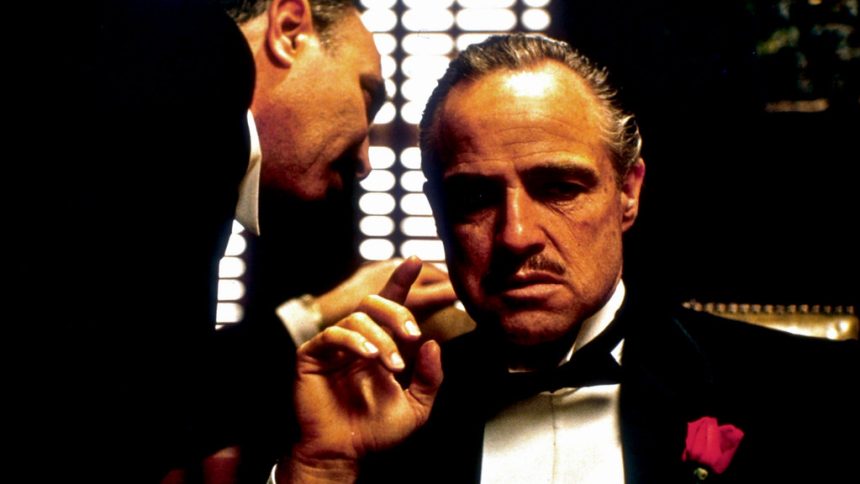
Mario Puzo published his crime saga about the Corleone family in 1969, and it became a huge bestseller. Francis Ford Coppola directed the 1972 adaptation. Puzo co-wrote the screenplay with him, and the pair won the Academy Award for adapted screenplay.
The film also won Best Picture, and Marlon Brando won Best Actor for playing Vito Corleone. Brando famously declined the award. Two sequels followed, and the second one also won Best Picture.
The Silence of the Lambs (1988 novel, 1991 film)
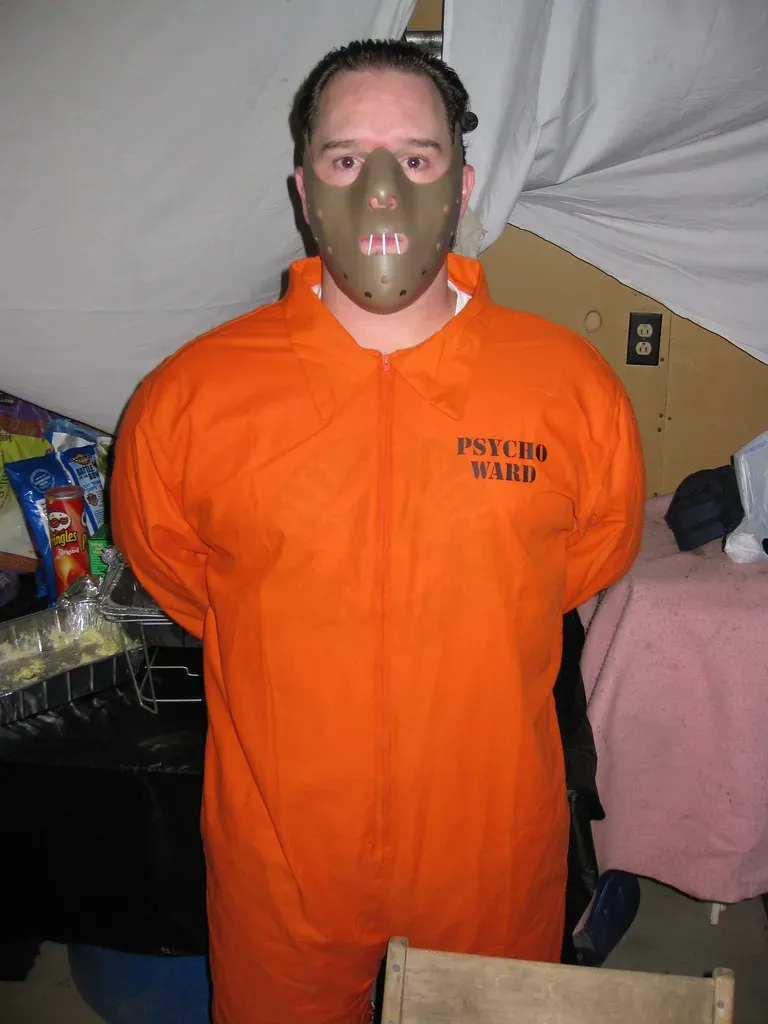
Thomas Harris’s novel introduced FBI trainee Clarice Starling to the imprisoned psychiatrist Hannibal Lecter. It was the second Lecter book, following Red Dragon. Jonathan Demme directed the film adaptation, released in 1991.
The movie swept the top five Academy Awards: picture, director, actor, actress and adapted screenplay. Only two earlier films had managed that, It Happened One Night and One Flew Over the Cuckoo’s Nest. Ted Tally wrote the adapted screenplay.
One Flew Over the Cuckoo’s Nest (1962 novel, 1975 film)
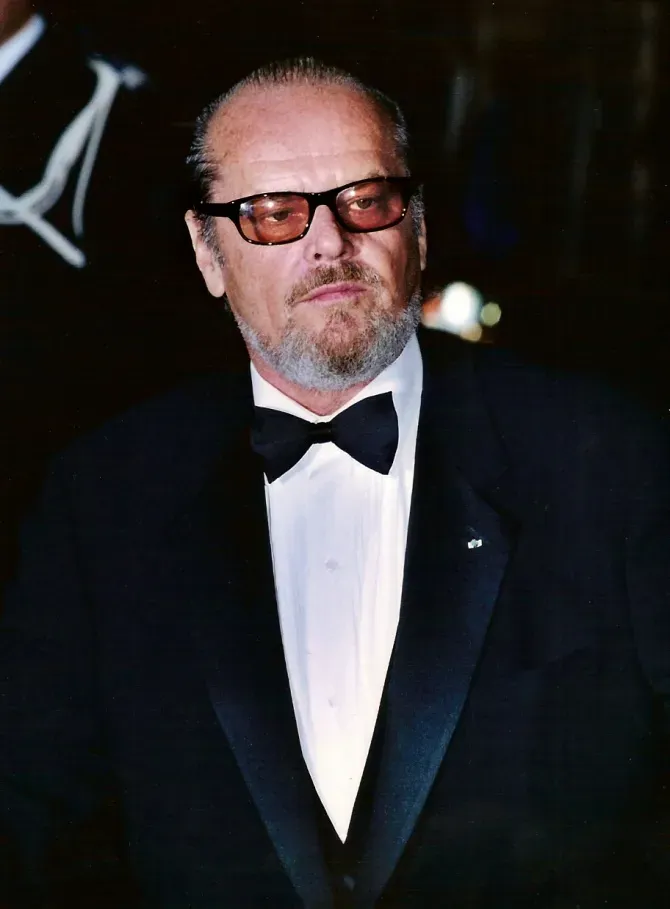
Ken Kesey’s novel is set in an Oregon psychiatric ward and narrated by a patient known as Chief Bromden. Miloš Forman directed the 1975 film, with Jack Nicholson as the rebellious Randle McMurphy and Louise Fletcher as Nurse Ratched. Both actors won Oscars for their roles.
The adaptation moved away from the Chief’s point of view, which was central to the book. Kesey was unhappy with that change and distanced himself from the production. The film still joined the small group that won all five major Academy Awards.
Partner offer
The Shining (1977 novel, 1980 film)
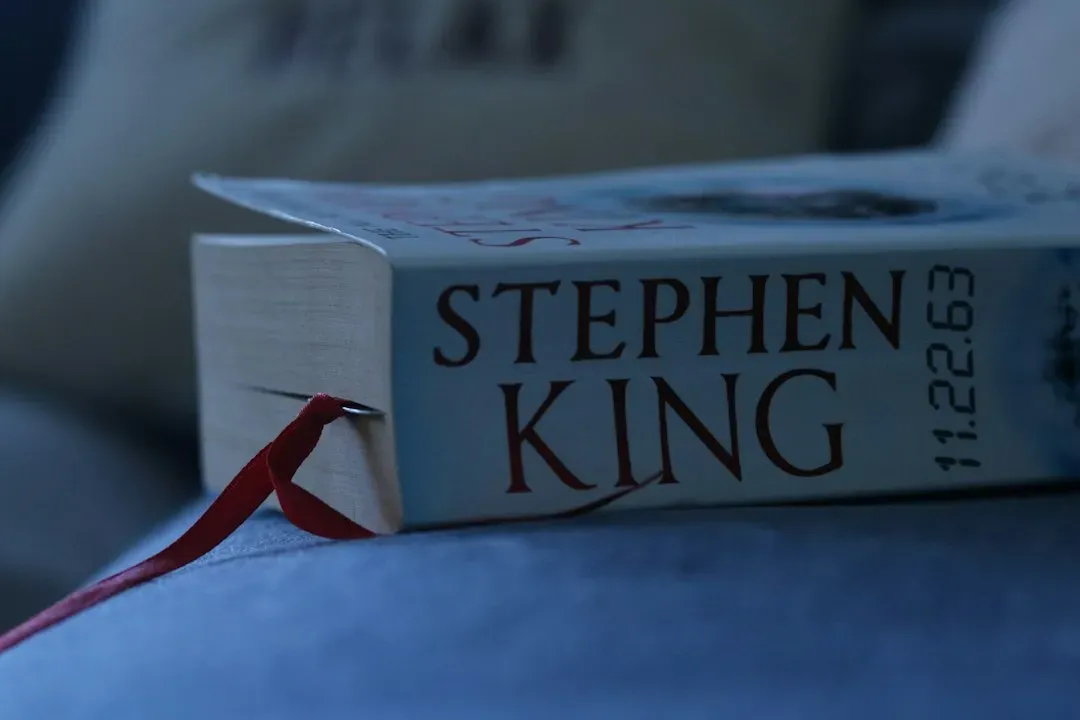
Stephen King’s novel follows a struggling writer who becomes the winter caretaker of an isolated Colorado hotel. King has said a stay at the Stanley Hotel in Estes Park helped inspire it. Stanley Kubrick released his film version in 1980.
King has long criticized Kubrick’s take, mainly for how it handles the father’s descent into madness. The film has nonetheless built a huge reputation over the decades. In 2019, Mike Flanagan’s Doctor Sleep adapted King’s 2013 sequel novel while nodding to Kubrick’s imagery.
Psycho (1959 novel, 1960 film)
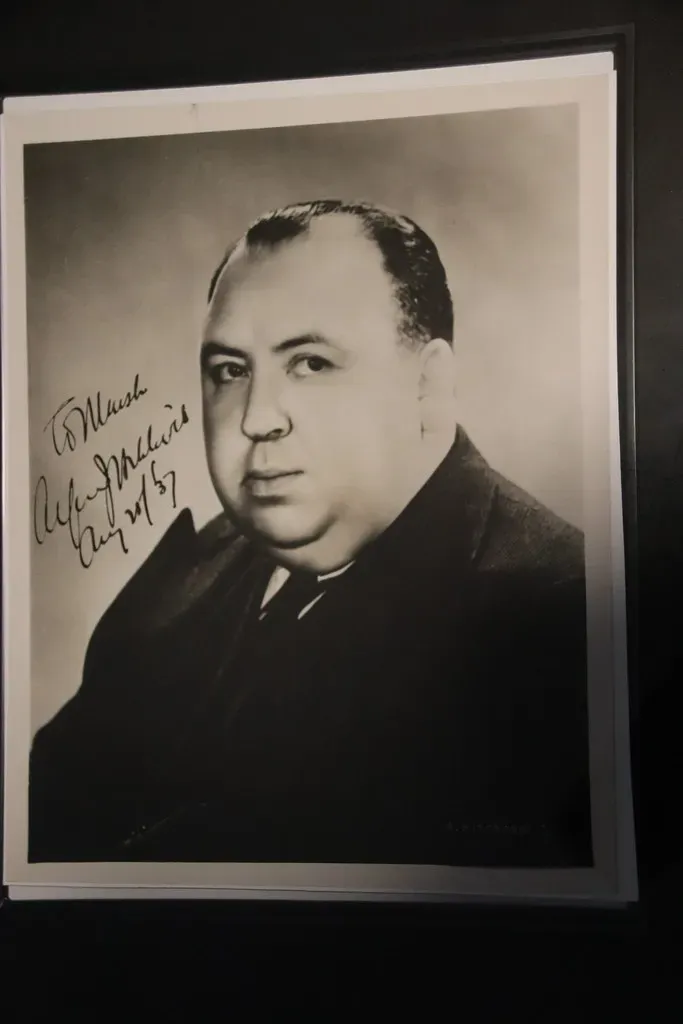
Robert Bloch’s short, grim novel about the motel keeper Norman Bates appeared in 1959. Alfred Hitchcock turned it into a film the following year, working from a screenplay by Joseph Stefano. Anthony Perkins played Bates, and Janet Leigh played Marion Crane.
The shower scene became one of the best known sequences in film history. Leigh received an Oscar nomination for supporting actress. Hitchcock’s film eventually overshadowed the novel it came from, though Bloch’s book remains in print.
Gone with the Wind (1936 novel, 1939 film)
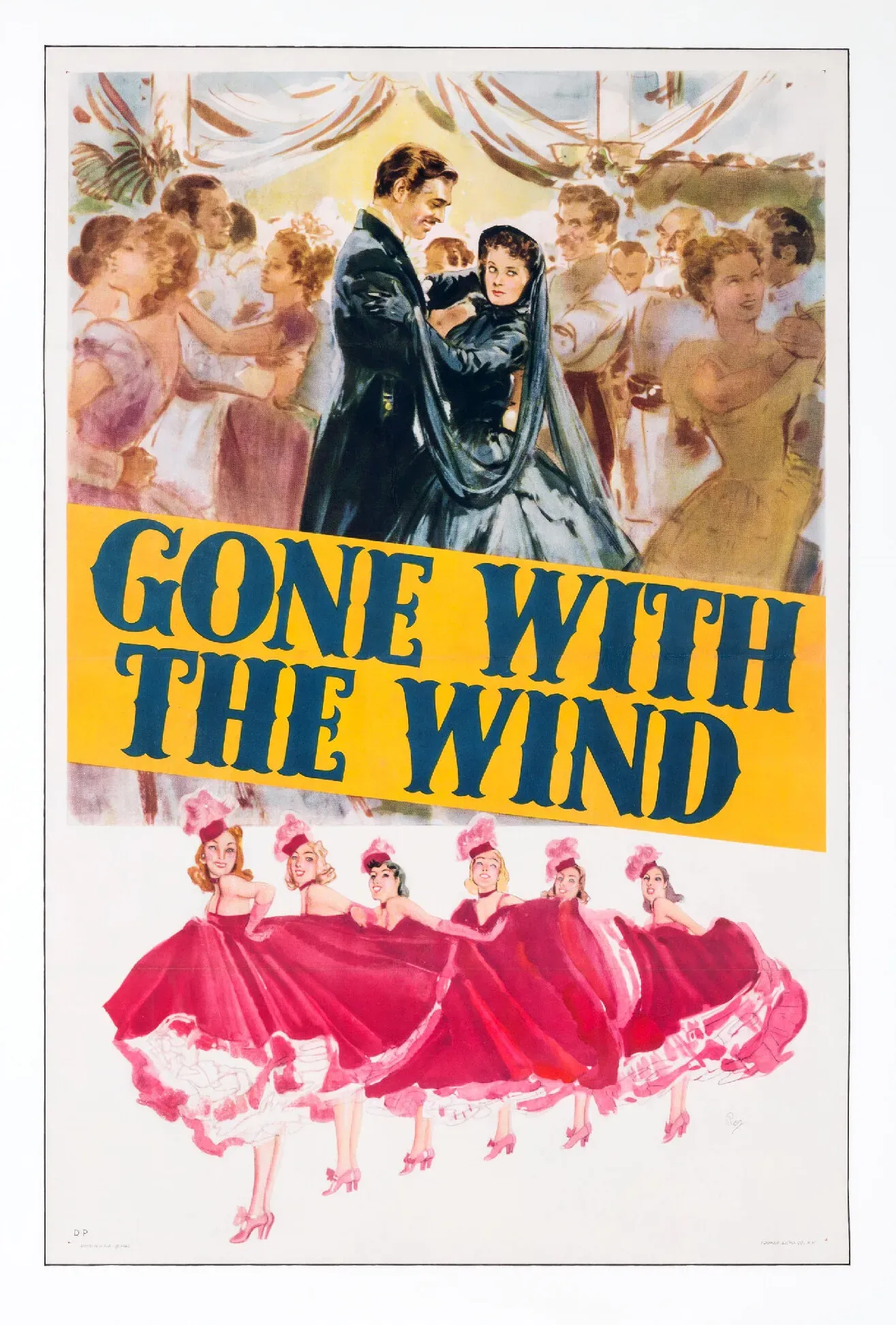
Margaret Mitchell’s Civil War epic was published in 1936 and won the Pulitzer Prize for fiction the next year. David O. Selznick produced the 1939 film, and Victor Fleming received the director’s credit. It won eight competitive Academy Awards, a record at the time.
Hattie McDaniel won best supporting actress for playing Mammy, becoming the first Black performer to win an Oscar. The story’s romanticized view of the Old South has drawn sustained criticism. In 2020, HBO Max temporarily pulled the film to add historical context before restoring it.
Fight Club (1996 novel, 1999 film)
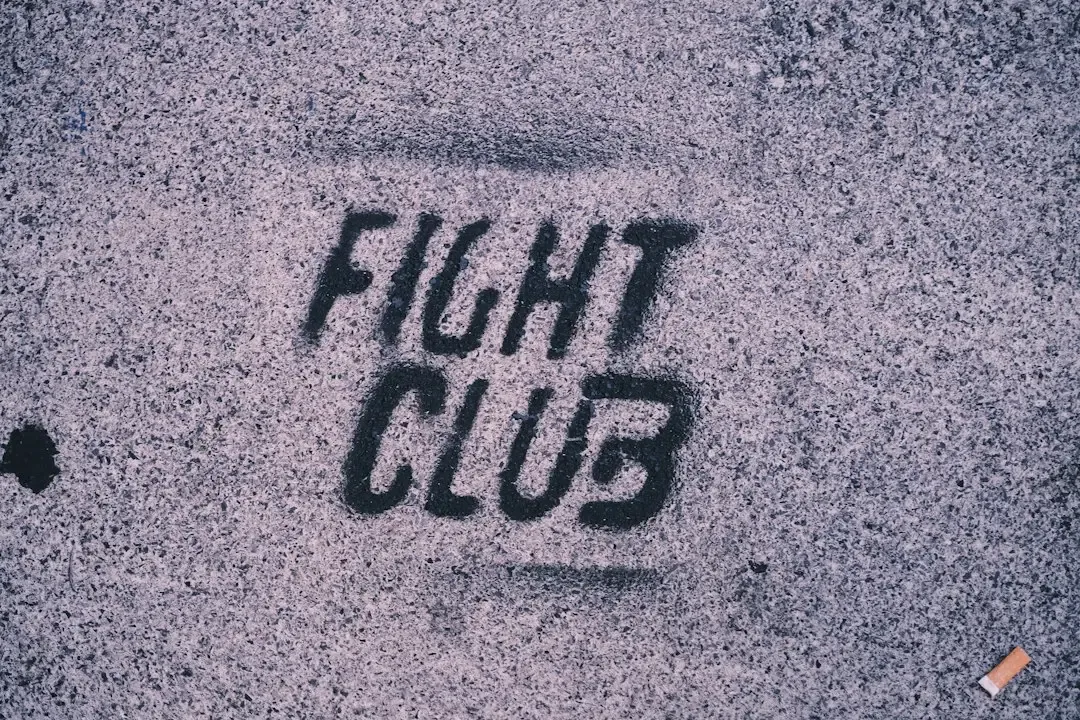
Chuck Palahniuk’s debut novel, Fight Club, was published in 1996 by a small press tradition of dark satire. David Fincher directed the 1999 film, starring Edward Norton and Brad Pitt. The adaptation kept the novel’s twist but changed some of its ending.
The film had a mixed reception and underperformed at the box office on release. Home video turned it into a cult favorite over the following years. It’s now one of the more frequently discussed novel to film adaptations of its era.
Dune (1965 novel, 2021 and 2024 films)

Frank Herbert’s Dune, published in 1965, long had a reputation as nearly impossible to film. David Lynch tried in 1984, and the result was a commercial disappointment. Denis Villeneuve split the story across two films, Dune in 2021 and Dune: Part Two in March 2024.
Part Two grossed more than seven hundred million dollars worldwide, which made the adaptation a clear success. A third film based on Herbert’s sequel, Dune Messiah, was slated for December 2026. The series shows that a book can wait decades for the right adaptation.
Partner offer
Planning a trip to Vegas?
Compare hotel rates and show tickets on VEGAS.com.