It’s strange to think that some of the most beloved novels in the English language were once dismissed, mocked, or simply ignored by the critics of their day. Literary history is full of these reversals, books that struggled to find an audience or a sympathetic reviewer, only to be rediscovered decades later and canonized as essential reading. The gap between initial reception and lasting reputation says as much about the limits of contemporary taste as it does about the books themselves.
What follows are seven novels that critics either panned, misunderstood, or simply shrugged off when they first appeared. Each one eventually climbed to classic status, proving that timing, cultural mood, and even the identity of an author can shape a book’s fate just as much as the writing inside it.
1. Moby-Dick by Herman Melville

When Herman Melville published Moby-Dick in 1851, he already had five books behind him, and critics were not kind to his ambitious new one. To many literary critics, Moby-Dick was simply an adventure tale, not even a particularly sensational one at that, and certainly not a work of fine literature. British reviewers were especially harsh, with one critic in the London John Bull calling it “an ill-compounded mixture of romance and matter-of-fact” where “the idea of a connected and collected story has obviously visited and abandoned its writer again and again.”
The commercial fallout was just as brutal as the critical one. At the time of Melville’s death, the book had sold only a third of what his first novel, Typee, had done, but it has since become a heralded classic with many other authors spouting praise, including William Faulkner who wrote he wished he had written it. Interestingly, not everyone hated it at the time. Research into American reviews shows the picture was more mixed than the popular myth suggests, with roughly two thirds of contemporary notices actually being positive, though the harsh minority is what stuck in cultural memory. Today Moby-Dick sits near the top of nearly every list of the greatest American novels ever written.
2. The Great Gatsby by F. Scott Fitzgerald
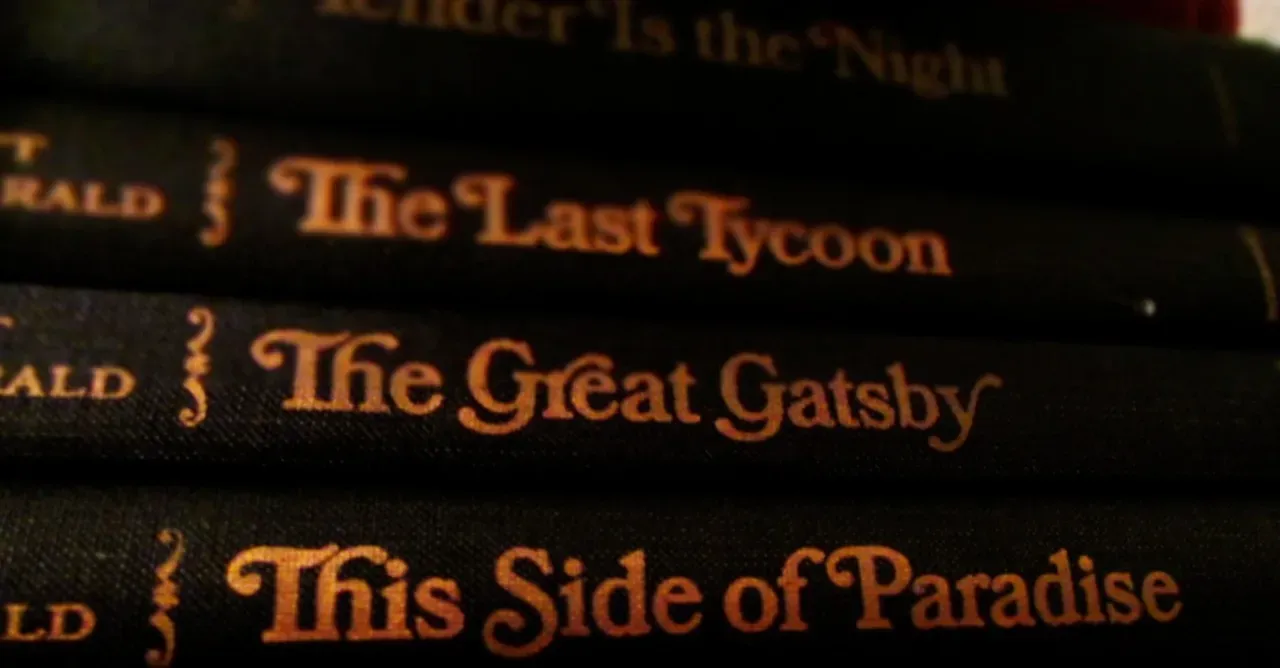
It’s almost hard to believe now, given that The Great Gatsby is assigned in classrooms across the country every year, but the novel landed with a thud in 1925. The initial reviews of Gatsby were mixed, with some critics perceiving the brilliance of Fitzgerald’s prose while others considered the new novel “obviously unimportant,” “artificial,” “negligible,” and “far inferior” to Fitzgerald’s earlier work. One New York World headline bluntly declared “F. Scott Fitzgerald’s latest a dud.”
Even people close to Fitzgerald weren’t fully won over. Edith Wharton, a friend and fellow novelist, wrote him a letter suggesting the book needed more backstory on its title character to land its emotional punch. Commercially, the book flopped too. The Great Gatsby was not a commercial success upon its initial publication in 1925, receiving mixed reviews with its first printing selling slowly. It took a surprising second act, a wave of free copies distributed to American soldiers during World War II, to turn Gatsby into the fixture of American literature it is today.
3. Wuthering Heights by Emily Brontë
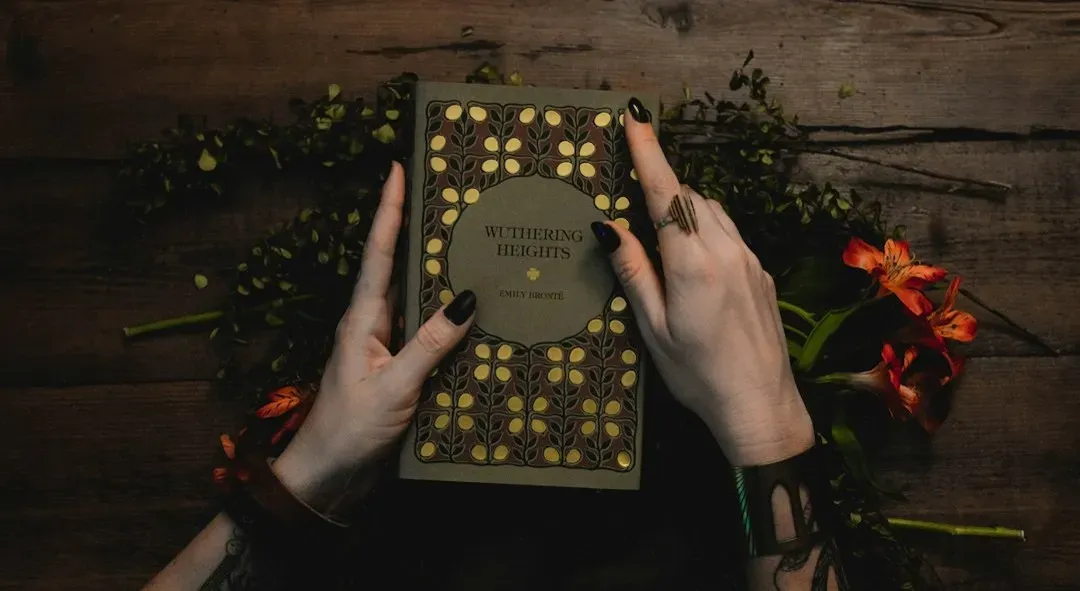
Emily Brontë published Wuthering Heights in 1847 under the male pseudonym Ellis Bell, and the novel’s raw, violent depiction of obsessive love scandalized Victorian sensibilities almost immediately. Critics found it violent and immoral, and readers struggled to reconcile its raw emotional force with Victorian sensibilities. One reviewer went so far as to call it “a compound of vulgar depravity and unnatural horrors.”
Things got worse, not better, once readers learned the author was a woman. The violence of the novel had certainly not been accepted previously, but once Emily’s true identity was revealed, reviewers became even more harsh in their treatment of the novel and its author. Brontë died just a year after publication, never seeing her novel gain the reputation it enjoys now as one of the greatest love stories, and one of the darkest psychological studies, in English literature.
4. Leaves of Grass by Walt Whitman
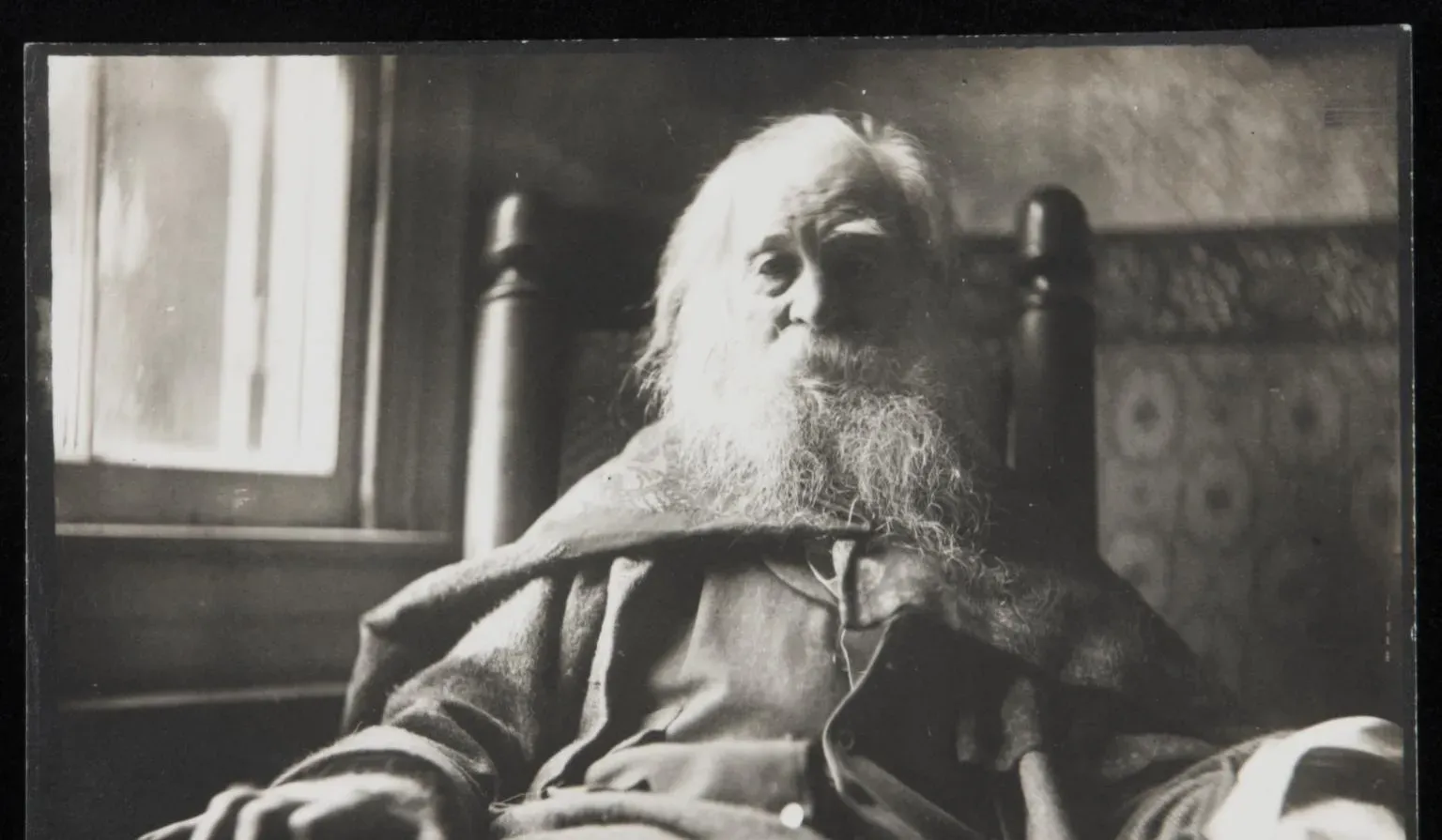
Walt Whitman self-published Leaves of Grass in 1855, and the book’s free verse, unconventional structure, and frank celebration of the body struck most contemporary critics as formless and even indecent. Many reviewers of the era dismissed the collection as unpolished rambling rather than serious poetry, and its unusual style baffled readers accustomed to traditional meter and rhyme. Some critics went further, branding Whitman’s frank treatment of sexuality and the human body as scandalous for its time.
Partner offer
Whitman kept revising and expanding the collection for the rest of his life, publishing new editions well into the 1890s, partly in response to the muted reception of the original. It took the passage of decades, along with the rise of modernist poetry that embraced exactly the kind of free-flowing verse Whitman pioneered, for Leaves of Grass to be recognized as a foundational text of American poetry. Today Whitman is routinely called the father of free verse, a title that would have surprised his earliest critics.
5. Catch-22 by Joseph Heller
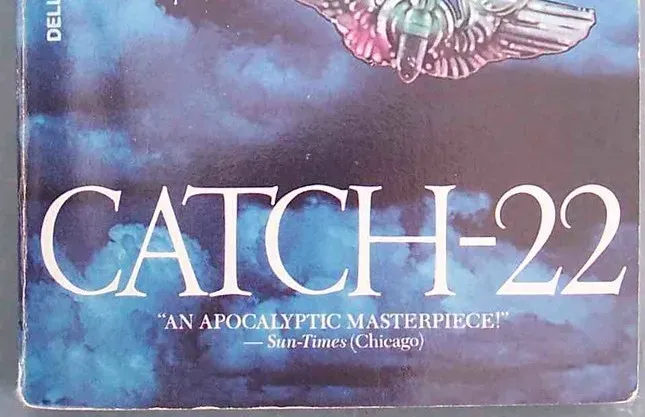
Joseph Heller’s satirical war novel arrived in 1961 to a genuinely split critical reaction. Even the positive reviews came with heavy caveats, as in the New York Times, where critic Orville Prescott called it “a dazzling performance that will probably outrage nearly as many readers as it delights.” Other outlets were far less generous.
The New Yorker’s review, written by jazz and book critic Whitney Balliett, was particularly cutting, declaring that the novel “doesn’t even seem to have been written; instead it gives the impression of having been shouted onto paper.” Meanwhile the New York Times Book Review argued the novel “gasps for want of craft and sensibility” and was “no novel” at all. Despite this rocky start, Catch-22 found its audience during the Vietnam era, when its absurdist take on military bureaucracy suddenly felt less like a stylistic gimmick and more like a piercing truth. It has since sold tens of millions of copies and given the English language its title phrase as permanent shorthand for a no-win situation.
6. Their Eyes Were Watching God by Zora Neale Hurston
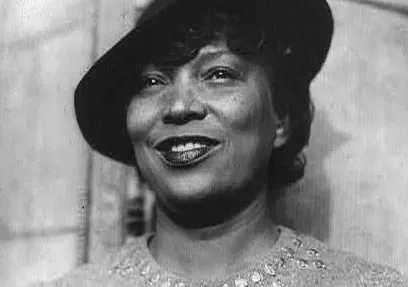
Zora Neale Hurston’s 1937 novel about a Black woman’s journey toward self-discovery in the rural South received a lukewarm and sometimes openly hostile reception from contemporary critics, including some of her own peers in the Harlem Renaissance. Richard Wright, one of the most influential Black writers of the era, criticized the novel for what he saw as a lack of social or political weight, arguing it failed to engage seriously with the harsh realities facing Black Americans at the time.
The novel fell out of print for decades and was largely forgotten until the 1970s, when writer Alice Walker and other scholars of the emerging Black feminist literary movement rediscovered it and championed its portrayal of Black womanhood, love, and independence. Walker’s efforts, including locating and marking Hurston’s unmarked grave, helped spark a full critical reassessment. Their Eyes Were Watching God is now taught widely in American schools and universities and is often cited as one of the most important American novels of the twentieth century.
7. The Sound and the Fury by William Faulkner

William Faulkner’s 1929 novel, with its fractured chronology and four wildly different narrative voices, confused far more readers than it impressed when it first appeared. Sales were modest at best, and many contemporary reviewers found the book’s stream-of-consciousness structure, particularly the opening section narrated by a character with an intellectual disability, more frustrating than rewarding. It would take years before Faulkner’s experimental technique was widely understood, let alone appreciated.
Faulkner’s fortunes shifted dramatically in the following decades, helped along by critic Malcolm Cowley’s influential 1946 anthology The Portable Faulkner, which reintroduced his work to a new generation of readers and scholars. Faulkner went on to win the Nobel Prize in Literature in 1949, and The Sound and the Fury is now considered one of the most technically daring and influential American novels ever written, a staple of literature courses that once left ordinary readers cold.
What ties these seven books together isn’t just bad timing or misunderstood genius, though both played a role. It’s a reminder that critical consensus is a snapshot of a particular moment, shaped by the social norms, literary fashions, and personal biases of the people writing the reviews. Readers, tastes, and cultures change, and sometimes it takes a war, a social movement, or simply the passage of enough time for a book to find the audience it was always meant to have. The next time a beloved novel gets trashed by critics on release, it might be worth remembering that some of the greatest books ever written started out exactly the same way.
Partner offer
Planning a trip to Vegas?
Compare hotel rates and show tickets on VEGAS.com.