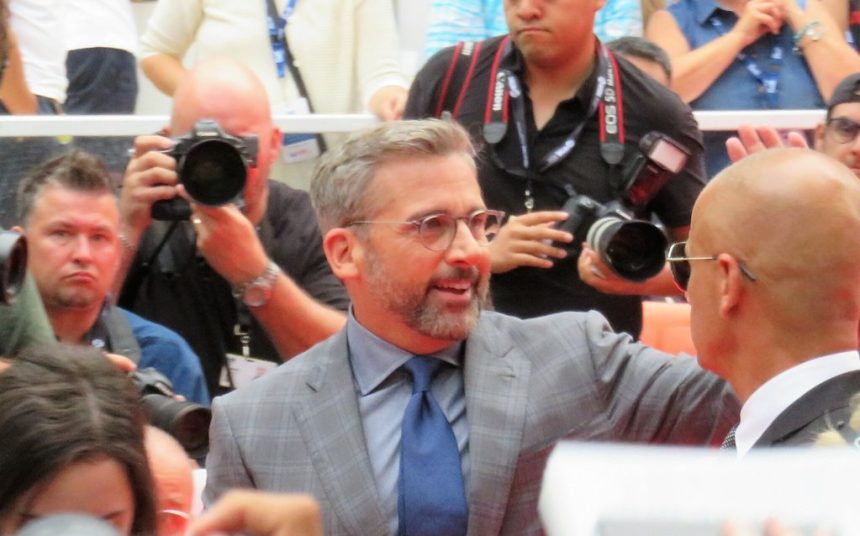
Most series sign off with a hug, a toast, or a long look around an empty set. A smaller group does something stranger. Someone on screen turns, looks at the camera, and acknowledges that we’ve been there the whole time.
It’s a risky way to say goodbye, because it can pull viewers out of the story right when they’re most invested. Done well, it feels like the show finally tells us what it thought of us. Here are ten endings where that happened, from comedies and dramas to cartoons, with details checked against published coverage.
Fleabag

The finale of the second season gives the series its most famous farewell. Fleabag tells the Priest she loves him, he finally says it back, and then she gets up and looks at the camera one last time. The moment has a long afterlife because the show’s whole premise was her private conversation with us.
Critics read it as a release rather than a gag. One reviewer wrote that she relied on viewers to hear her inner conflicts all series, and she finally shrugs us off for good with a smile and a final glance. Another outlet described it as Fleabag leaving the camera behind because she no longer needs the shelter it represents.
Moonlighting
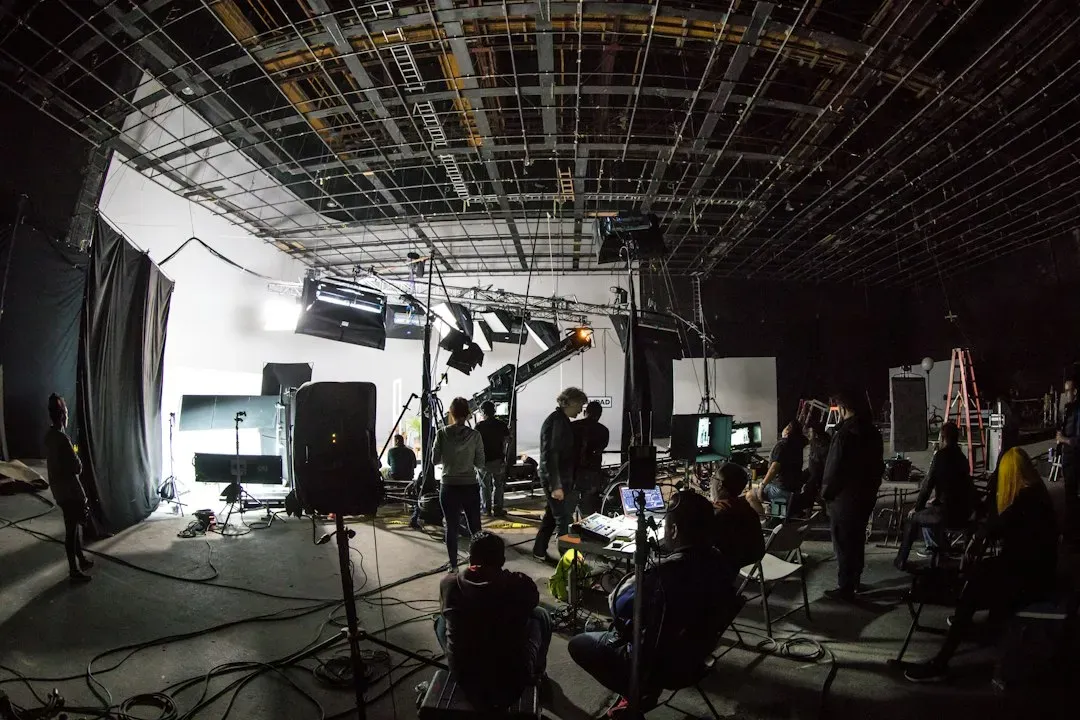
This one is a classic of the genre, and it came from a show already known for winking at the audience. In the final episode, the characters discover that Moonlighting has actually been cancelled. The fiction and the real network decision collapse into the same event.
The staging makes the point visually. Staff take down the set while the main characters confront the producer. It’s a goodbye that lets the audience watch the studio come apart in real time.
Two and a Half Men
The sitcom wrapped up after twelve seasons with a double length episode titled “Of Course He’s Dead.” The ending steps outside the story completely. The camera pulls back to reveal the series’ set with creator Chuck Lorre sitting in the director’s chair.
Lorre then speaks to viewers directly. He turns toward the audience and says “Winning!” just seconds before a second grand piano falls on him. The episode drew about thirteen and a half million viewers, the show’s largest audience since April 2013. Critics were split, though, with some calling it anticlimactic while praising the self referential comedy.
You
The Netflix thriller spent five seasons inside the head of Joe Goldberg, a charming narrator who happens to be a killer. Its finale turns that intimacy into an accusation. Joe breaks the fourth wall and tells the audience that maybe the problem is you.
That line answers a critique the show had faced for years. The final season addresses the complaint that it romanticizes a serial killer by forcing viewers who may have fallen for Joe to see him through his victims’ eyes. It lands as a deliberate last word instead of a throwaway aside.
Malcolm in the Middle: Life’s Still Unfair

Malcolm talking to us was always part of the original show. Malcolm regularly made asides to the camera to comment on his family’s failures. The revival used that habit for its closing beat.
The four episode Hulu run was released in its entirety on April 10, 2026. In the last scene, Malcolm and Leah discover they can both communicate with the audience, each unaware the other could do it. They spoke to the camera at the same time, caught each other in the act, and the series cut to black.
Dexter: Resurrection
This is a season finale rather than a full series ending, but it’s worth including for how deliberate the moment was. Episode ten of the first season closes with Dexter turning toward the lens. He looks through the camera at viewers and tells them he is going to be what we want him to be.
It’s unusual for this franchise. Though the Dexter shows have included winks and nods at the camera, this was the first time Dexter directly speaks to viewers. Screen Rant ties the moment to the show’s commentary on true crime culture.
The Office
The Office has an odd relationship with the fourth wall, since the characters know a documentary crew is filming them. The finale leans on that setup. Each of the main characters gives a last talking head to the camera.
Technically the cast addresses the in story crew, not us. Even so, the effect is the same for viewers at home. Talking heads were a key identifying element, and ending with them made sense because the documentary had deeply affected everyone.
House of Cards

Frank Underwood made direct address a trademark of the Netflix drama. Some of his dialogue is delivered straight to the audience, a technique that breaks the fourth wall. After Kevin Spacey’s exit, that duty moved to Claire.
The final episode brings it back one more time. According to one recap, the episode ends with Claire staring directly at the camera. The same source argues that these breaks implicate the audience in the Underwoods’ machinations.
Total DramaRama
The Canadian cartoon is a spinoff of the Total Drama franchise, and it never took its own fiction too seriously. According to TV Tropes, the show breaks the fourth wall on several occasions, but the final episode takes it further, with characters mentioning their favorite episodes and one character’s limited screen time.
That source is a fan maintained wiki, so it’s worth treating as a summary rather than a definitive record. Still, it matches the show’s tone, where acknowledging the audience was part of the joke from the start.
Code Lyoko

The French animated series ended with an episode called “Echoes.” The final stretch is a round of goodbyes. TV Tropes describes the last image this way: the camera pans out over the Lyoko Warriors, minus Jeremie, standing on Lyoko and staring at the camera.
The detail that makes it curious is that, according to the same entry, the supercomputer had been turned off in that episode and they never went to Lyoko. The final shot is therefore a kind of curtain call aimed directly at the audience. As with the previous entry, the source is a fan wiki.