The map of global film production is being redrawn, and it’s happening faster than most people realize. Traditional powerhouses like Los Angeles are still dominant by name, but the reality on the ground tells a more complicated story. Productions are hunting for the best combination of tax savings, infrastructure, and fresh visual geography, and that search is taking them to some surprising places.
From a rust-belt city in New Jersey to the baroque avenues of Budapest, a new generation of filming cities is building real production ecosystems rather than simply waiting for cameras to arrive. These aren’t overnight phenomena; most have been laying their groundwork quietly for years, and the results are now hard to ignore.
Newark, New Jersey: The Garden State’s Industrial-Scale Bet
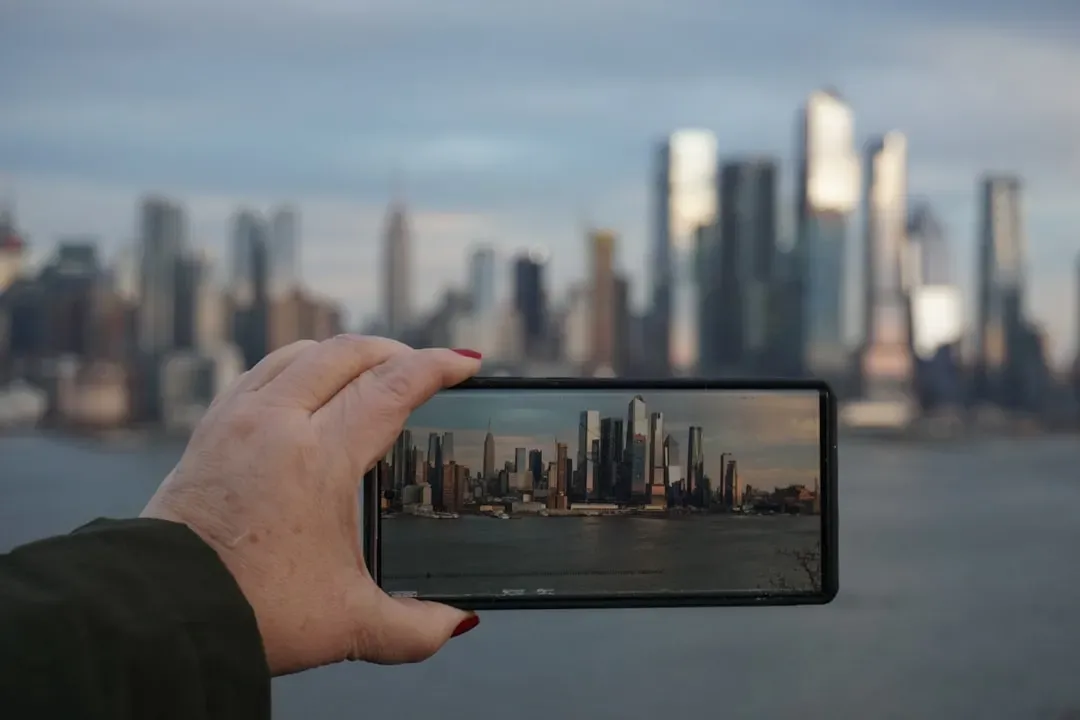
When the New Jersey Film and Digital Media Tax Credit Program was enacted at the end of 2018, Hollywood took notice. Newark has since emerged as the anchor of that momentum. In 2022, Newark announced that Lionsgate would develop a studio in the city’s South Ward, a facility expected to bring about 600 new jobs to the area. Construction began in 2024, and the city’s transformation into a genuine production hub has only accelerated since.
In February 2024, Netflix received key approval to move forward on a production complex in Fort Monmouth, a former army base, with plans to include 12 soundstages totaling nearly 500,000 square feet, along with production and office buildings, a cafeteria, retail shops, and a hotel. Netflix has since broken ground on that new production facility, and New Jersey extended its film incentive program through 2049, increasing allowable tax credits as well. The scale of investment being poured into Newark and the surrounding area is, by any measure, extraordinary.
Hoboken and Jersey City, New Jersey: Hollywood’s Manhattan Stand-In
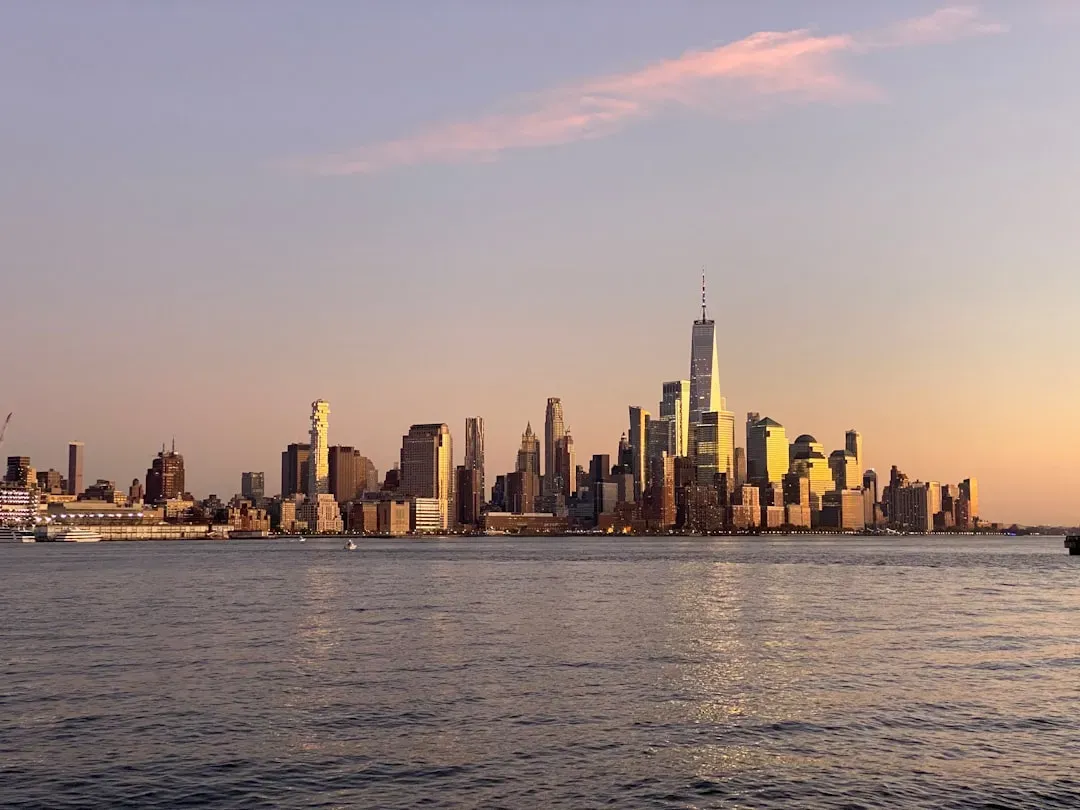
Productions initially began to rely on New Jersey as a substitute for New York City’s five boroughs, as Hoboken and Jersey City’s brownstones made for ideal stand-ins for Manhattan and Brooklyn, but today the state’s diverse range of landscapes and locations continues to attract productions of all sizes. The trick worked remarkably well. Almost the entirety of the 2024 musical biopic “A Complete Unknown” was filmed in New Jersey over the course of a 60-day shoot, with 20 cities and towns across 10 counties substituting for New York, California, Texas, Georgia, and Rhode Island, and scenes set in Greenwich Village being shot in Hoboken.
In August and September of 2024, New Jersey had more production activity than Los Angeles, New York, Atlanta, Louisiana, Texas, and New Mexico. That is a striking statistic and one that barely made headlines outside of trade publications. The state boasts a dynamic film incentive program and competitive credits, with resources that include a variety of locations, a large experienced workforce, an expanding infrastructure including Netflix’s state-of-the-art facility in Monmouth, and of course, the incentives themselves.
Albuquerque, New Mexico: The Southwest’s Quietly Dominant Hub
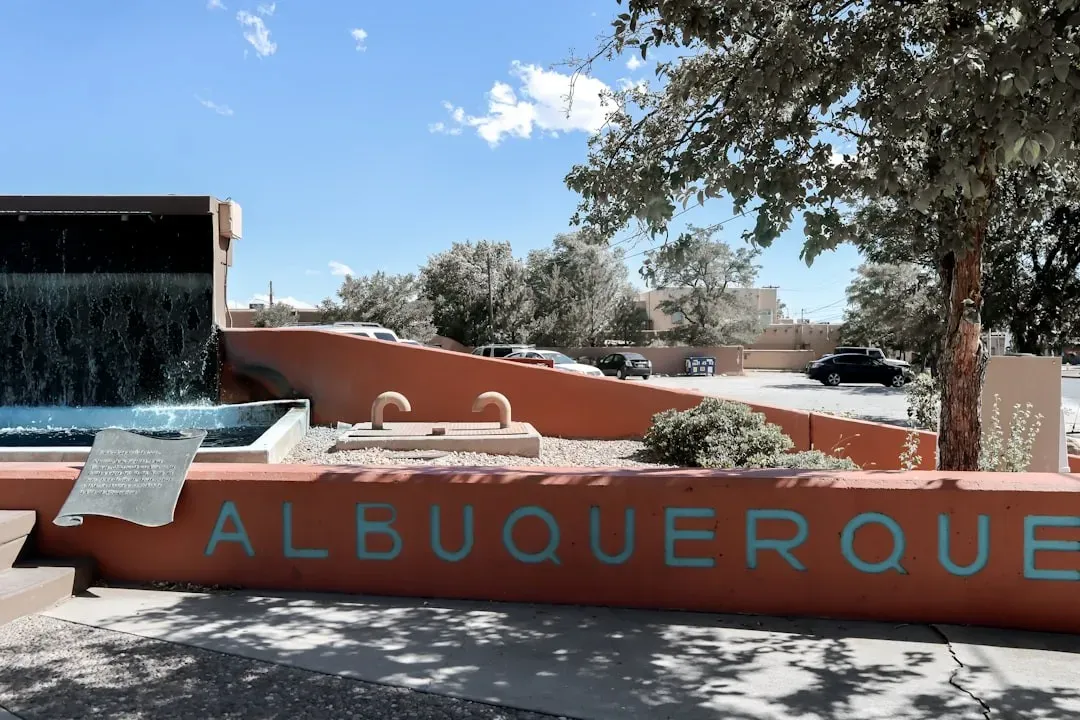
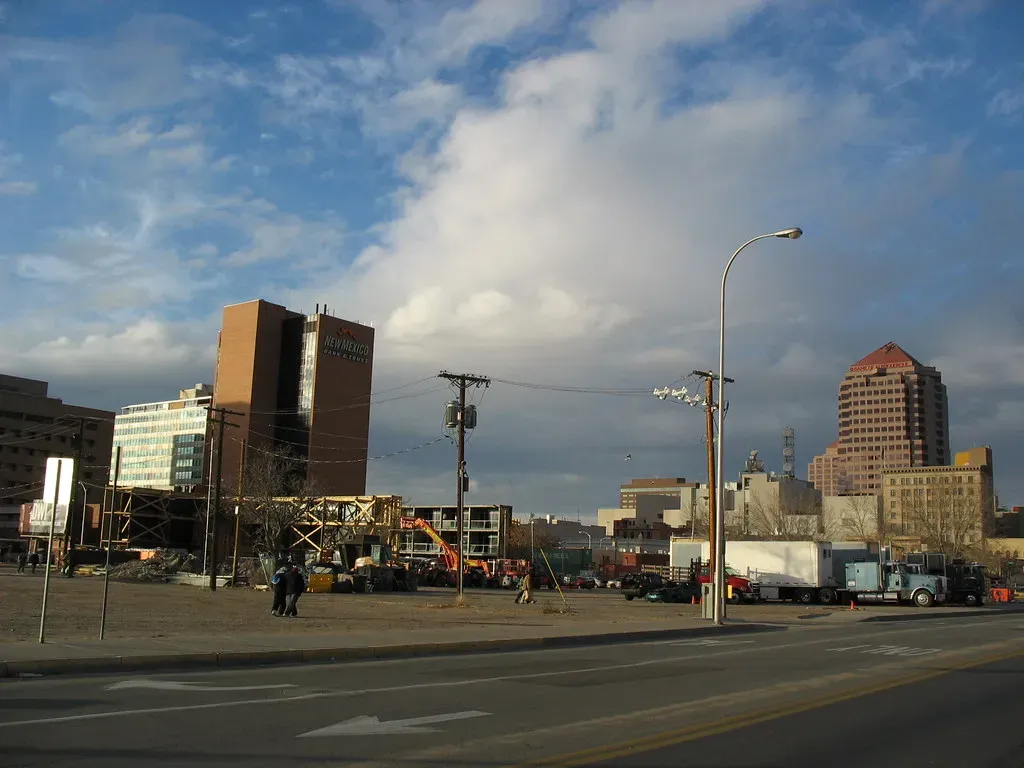
Albuquerque has been recognized by MovieMaker Magazine as a top city for filmmakers, citing its thriving production scene, top-tier crews, and supportive infrastructure. It didn’t happen by accident. The state’s success as a production hub is largely attributed to its robust film incentive program, offering a refundable tax credit of up to 40% for qualifying in-state expenditures, a financial advantage coupled with an increasingly experienced local crew base that makes New Mexico a hard location to pass up.
Recent productions in New Mexico include the 2025 film “Opus” starring Ayo Edebiri and John Malkovich, the fourth season of “The Cleaning Lady,” and the first seasons of both “Ransom Canyon” and “Duster.” In 2022, Cinelease purchased and rebranded a local studio as Cinelease Studios Albuquerque, pouring money into its renovation with their most recent construction phase ending in 2024. The city now carries a crew culture and production infrastructure that rivals markets with decades more history.
Partner offer
Dallas, Texas: New Soundstages and a Rising Ambition
South Side Studios in Dallas reopened with three new soundstages ranging from 10,000 to 20,000 square feet, alongside additional production space. That physical infrastructure matters enormously, because without it, interest from producers remains theoretical. The Texas Moving Image Industry Incentive Program remains one of the most stable cash-grant programs in the United States, and unlike tax credits that require a secondary market for liquidation, Texas issues direct cash grants, ensuring that liquidity returns to the production’s balance sheet shortly after the final audit.
For projects with a qualified spend of $1.5 million or more, the base incentive sits at 25%, and this tiered approach allows the state to attract both high-budget episodic content and feature-length indie projects, with smaller slates qualifying for rebates depending on the spend bracket. When demand for facilities and labor is higher than traditional production hubs like Georgia, California, and New York can meet, studios and producers are prompted to seek out fresh filming locations, and Dallas is increasingly ready for that call.
Budapest, Hungary: Europe’s Most Formidable Rival to LA
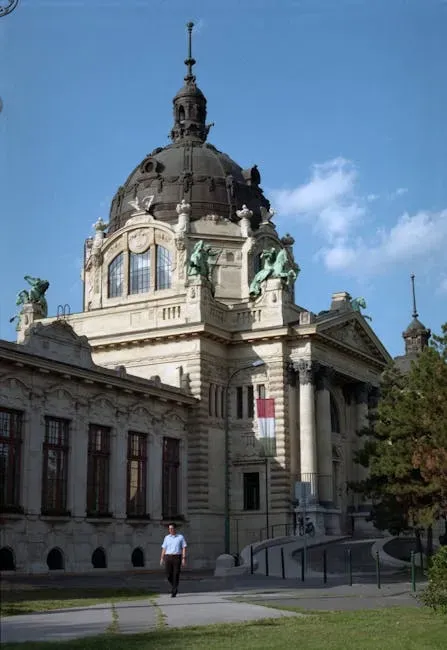
Thanks to a 30% cash rebate and a deep bench of world-class crew, productions like Blade Runner 2049, Dune, The Martian, Terminator: Dark Fate, Shadow and Bone, and Moon Knight have made Origo Studios and Korda Studios household names in production offices. The city’s appeal is both visual and financial. The formula is competitive incentives, significantly lower labor and construction costs, fast permitting, and modern soundstages, with Origo alone offering 9 soundstages, each up to 4,000 square meters, with European-scale backlots.
Recent Budapest productions include Denis Villeneuve’s Dune: Part Two and Brady Corbet’s The Brutalist, the critically acclaimed film starring Adrien Brody which won Best Cinematography, Best Score, and Best Actor at the 2025 Academy Awards. The second-largest production hub in Europe after London, Hungary recently extended its 30% tax incentive for another six years and has attracted roughly $910 million in direct annual production spending, a fourfold increase over the last five years. Budapest is no longer an emerging market; it’s an established one that keeps growing.
Prague, Czech Republic: Architecture as a Production Asset
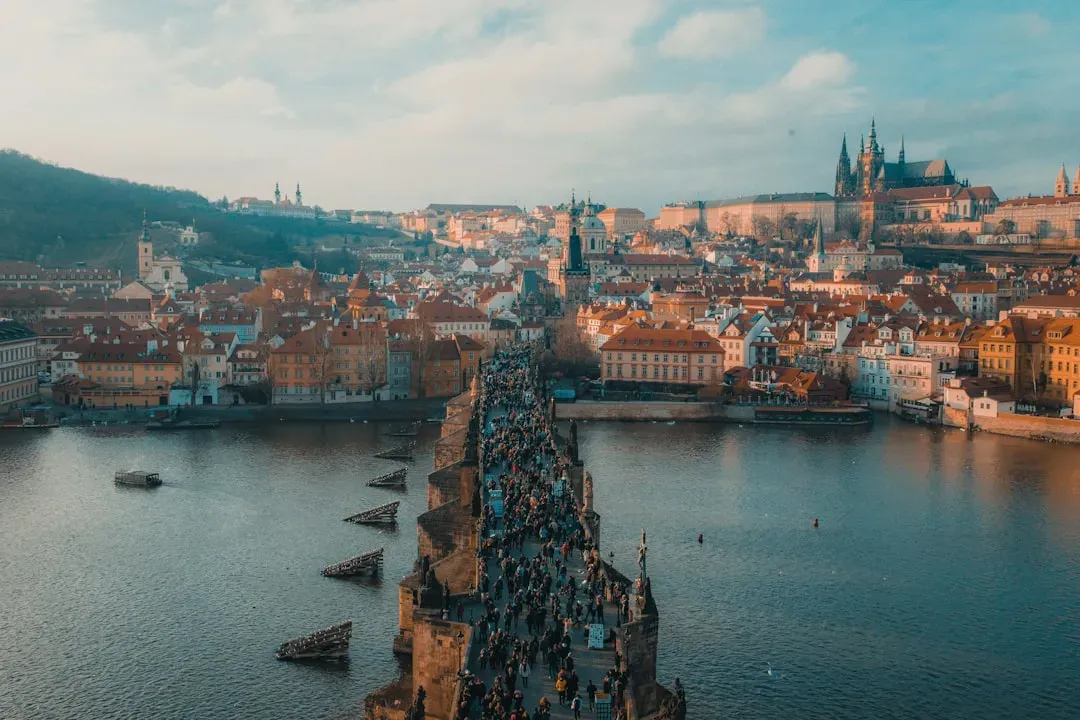
As runaway production left Los Angeles, the historic architecture of Prague became one of cinema’s most valued backdrops for major franchises and prestige television. The city offers something money can’t easily replicate: an intact, layered built environment that can credibly double for centuries of European history. Prague is quickly becoming a top choice for filmmakers thanks to increased incentives now up to 25% for live-action projects and a 35% credit for digital production and animation, and the maximum incentive has tripled to $19 million per project, making it one of the most filmmaker-friendly destinations.
Vancouver is a stand-in for countless generic U.S. locations, New Mexico serves as the American Southwest, and Prague becomes “historic Europe”, a shorthand that the industry has fully internalized. The Czech Republic now offers 35% for digital and animation projects, with maximum incentives tripled to $19 million per project. Combined with a city that genuinely looks like nowhere else on earth, Prague’s position in the production landscape looks stable for years to come.
Toronto, Canada: The Executives’ Undisputed First Choice
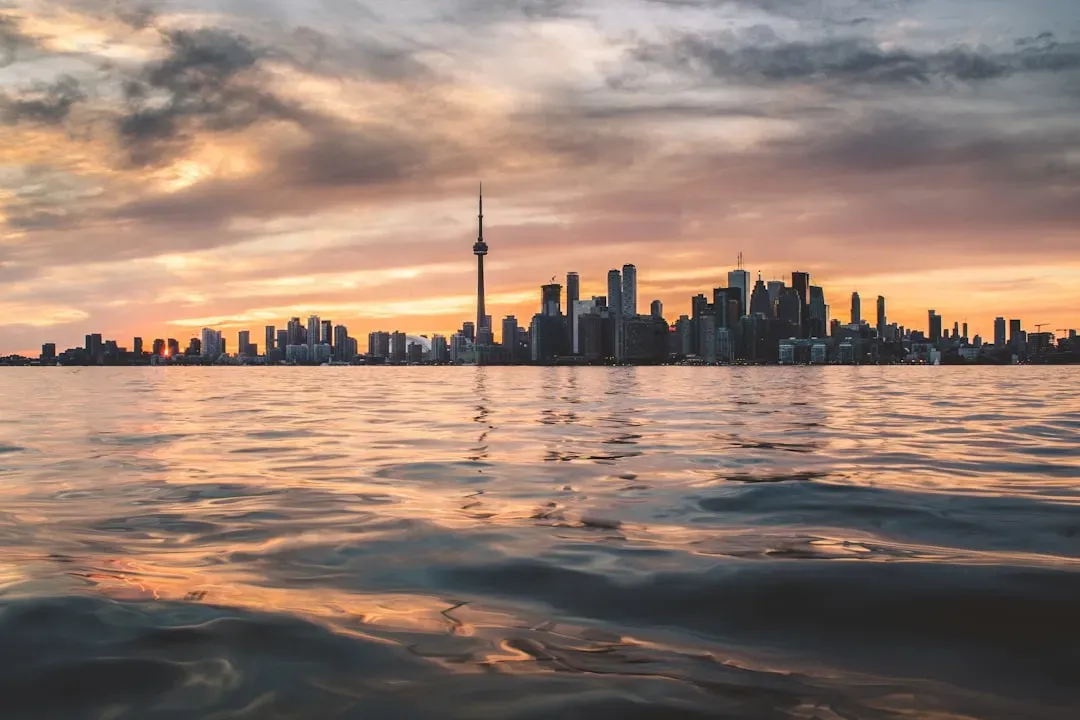
When industry executives were surveyed about their preferred filming locations for 2025-2026, no location in the U.S. made the top five slots. Instead, Toronto, the United Kingdom, Vancouver, Central Europe, and Australia led the pack, while California came in sixth, Georgia seventh, New Jersey eighth, and New York ninth. Toronto topping that list is no accident. The city combines a mature production ecosystem, a versatile urban landscape, and Canadian federal and provincial incentives that make the math work for productions at virtually every budget level.
In 2024, U.S. production spend on major titles hit $14.54 billion, but that was down roughly a quarter from 2022, while the UK, Canada, and Australia continued to close the gap. Toronto benefits directly from that shift. New Mexico is an increasingly popular choice among filmmakers due to its diverse geography and generous incentives, but Toronto’s urban versatility, deep talent pool, and proximity to the U.S. market give it a fundamentally different kind of appeal. It can double convincingly for American cities while offering substantially better economics, a combination that keeps it at the top of every executive’s shortlist. The geography of filmmaking has genuinely changed. Cities that once watched productions from a distance are now central to how stories get made, and the infrastructure being built today in Newark, Dallas, Albuquerque, and across Europe suggests that shift is durable rather than temporary.
Partner offer
Planning a trip to Vegas?
Compare hotel rates and show tickets on VEGAS.com.