Movie soundtracks have quietly shaped pop music history in ways that often get overlooked. A song written for a single scene, sometimes under deadline pressure, sometimes after another track fell through, can end up outliving the film itself. What’s striking is how many of these songs almost didn’t happen at all, rejected by one artist, resisted by a director, or nearly swapped out at the last minute. The stories behind these tracks reveal just how much chance and persistence went into songs that now feel inevitable. Here are ten hit songs that started life as movie assignments, and the surprising paths they took to becoming standards.
1. Eye of the Tiger by Survivor
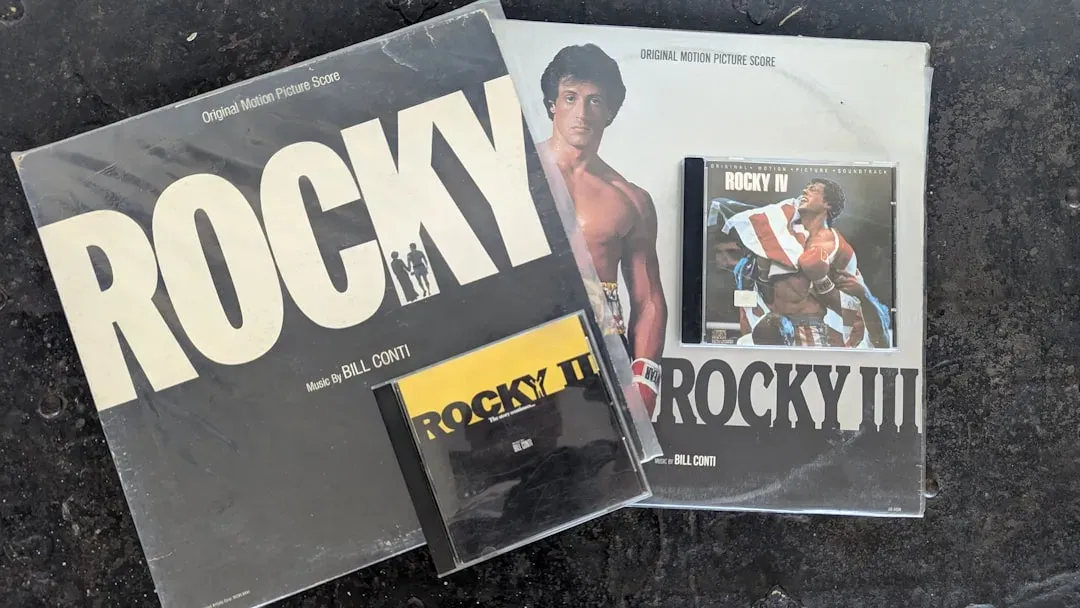
Sylvester Stallone originally wanted to use Queen’s “Another One Bites the Dust” for a pivotal training montage in Rocky III, and that track was even cut into an early version of the film as a placeholder. Stallone enlisted Survivor after Queen denied him permission to use their song. He gave the band a simple brief, describing the kind of raw, youthful energy he wanted for the scene, and left the rest to them.
Survivor guitarists Frankie Sullivan and Jim Peterik built the song’s rhythm around the punches thrown on screen. Survivor derived lyrics and title from dialogue in the film, and conceived a riff with chord changes to match the punches in the boxing scenes. The gamble paid off in a big way, as “Eye of the Tiger” reached number one on the charts of many countries, and in the US it was number one on the Billboard Hot 100 chart for six weeks, spent fifteen consecutive weeks in the top 10, and was the second-bestselling single of 1982.
2. Don’t You (Forget About Me) by Simple Minds

This one has an unusually crowded backstory. “Don’t You (Forget About Me)” was written by Steve Schiff and Keith Forsey for the film The Breakfast Club, inspired by a scene in which an introvert and a school bully bond while no one else is watching. Before it reached Simple Minds, the song was shopped around and turned down repeatedly, including by Billy Idol, Bryan Ferry, and Cy Curnin of The Fixx.
Simple Minds themselves weren’t thrilled about recording someone else’s song at first. It was turned down by the Fixx, Bryan Ferry, and Billy Idol before landing back in the lap of the band Simple Minds, who had initially rejected the idea of recording it, because they wanted to do only their own material. It had been written by Keith Forsey and Steve Schiff with a film in mind. Once released, it became a career-defining single, and it became a breakout hit for Simple Minds, an iconic song and a 1980s anthem, becoming the band’s biggest hit in North America, reaching No. 1 in both the United States and Canada.
3. Take My Breath Away by Berlin
Written specifically for Top Gun’s love story between Maverick and Charlie, “Take My Breath Away” came from composer Giorgio Moroder and lyricist Tom Whitlock, the same pairing behind the film’s other big track, “Danger Zone.” The song needed to work as both a romantic ballad and a piece of the film’s broader synth-driven sound, which was a tricky balance to strike in the mid-1980s. Berlin, an art-rock band not previously known for movie ballads, ended up delivering exactly that tone.
The result became one of the most recognizable love themes of its decade, topping the Billboard Hot 100 and later winning the Golden Globe for Best Original Song. It has since been used in countless film and television moments outside of Top Gun itself, a sign of how completely it detached from its original context. Few songs from that era have aged into such a reliable shorthand for slow-motion romance.
4. Glory of Love by Peter Cetera
Peter Cetera, fresh off leaving Chicago, was tapped to write and perform a theme for The Karate Kid Part II, the 1986 sequel that sent Daniel LaRusso to Okinawa. The song needed to carry emotional weight for the film’s climactic reconciliation and training moments without feeling like a retread of the original film’s music. Cetera co-wrote it with Diane Nini and David Foster, aiming for something that could stand on its own outside the theater.
It worked better than most studio songs of its kind, climbing to number one on the Billboard Hot 100 and earning an Oscar nomination for Best Original Song. The song’s soaring chorus became a wedding and prom staple almost immediately, detached from its origins as a sequel’s closing theme. Decades later, it remains one of the more enduring examples of a franchise tie-in song outliving the franchise’s own cultural relevance.
5. Say You, Say Me by Lionel Richie
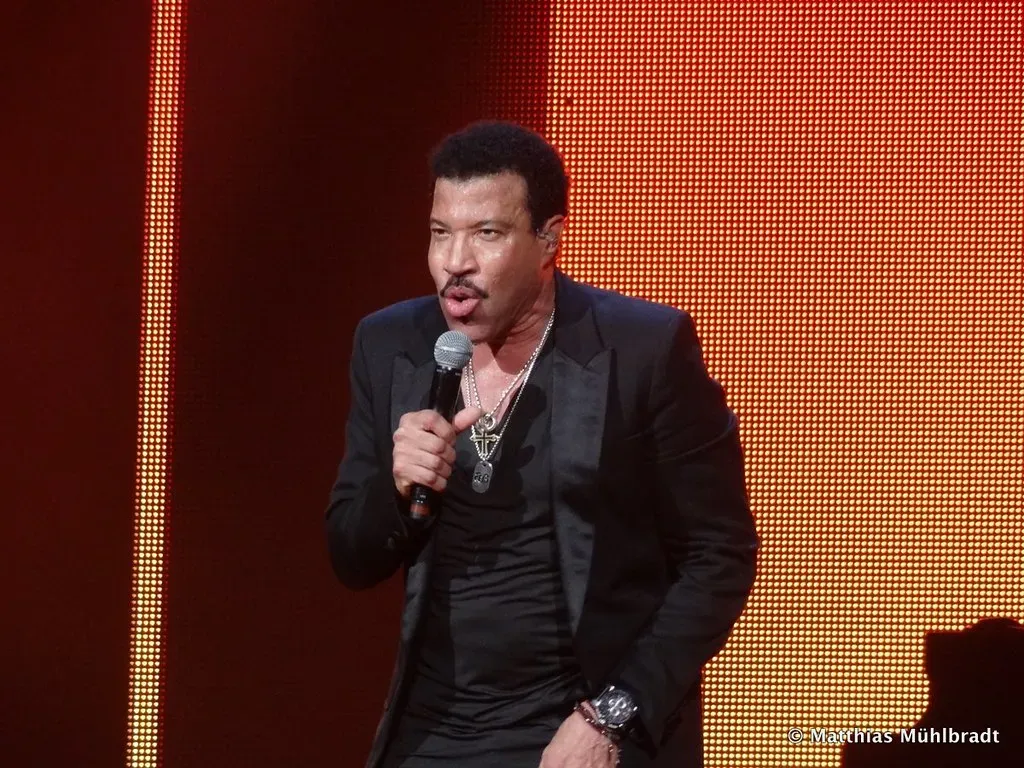
Lionel Richie wrote “Say You, Say Me” for the 1985 Cold War drama White Nights, a film about a Soviet dancer defecting to the West. The studio wanted a song that could bridge the film’s themes of connection and separation without being tied too literally to the plot, giving Richie some creative room. He reportedly wrote it quickly, and the simplicity of the finished track became part of its appeal.
The song spent two weeks at number one on the Billboard Hot 100 and won the Academy Award for Best Original Song, one of the rare movie-commissioned tracks to sweep both commercial and awards success. It also helped White Nights find an audience it might not have reached on the strength of its plot alone. Richie has performed it for decades since, largely stripped of any explicit connection to the film that inspired it.
Partner offer
6. (I’ve Had) The Time of My Life by Bill Medley and Jennifer Warnes
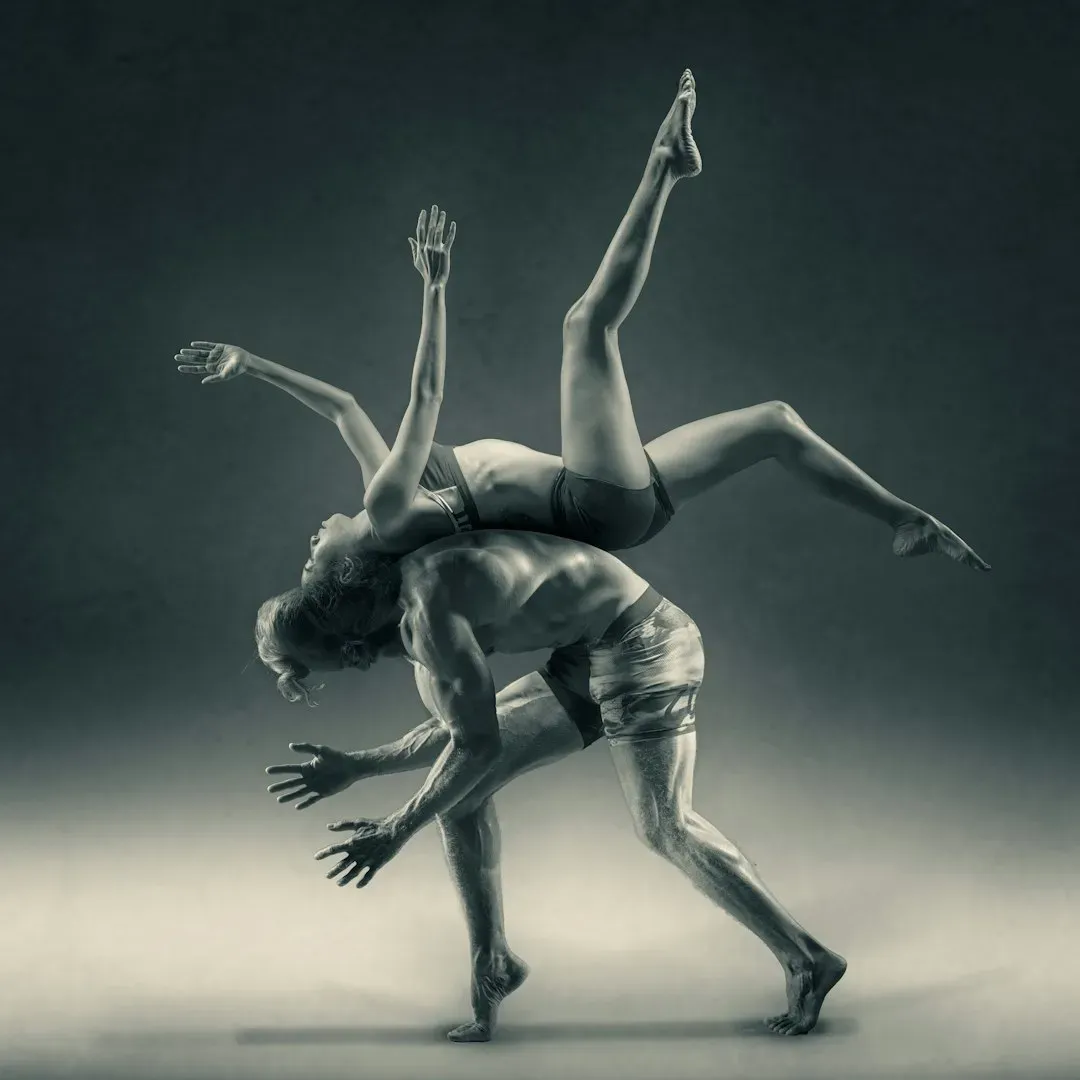
Dirty Dancing’s producers needed a song for the film’s now-iconic final dance sequence, and they turned to songwriters Franke Previte, John DeNicola, and Donald Markowitz. The track was recorded as a duet between Bill Medley, of the Righteous Brothers, and Jennifer Warnes, who had already had success with movie duets from An Officer and a Gentleman. Reportedly, the song came together relatively late in the production process, with the choreography for the final lift built partly around its rhythm.
It went on to win both the Academy Award and the Golden Globe for Best Original Song, and it topped the Billboard Hot 100 in the fall of 1987. The song’s popularity helped push the Dirty Dancing soundtrack to multi-platinum status, an outcome few involved expected from what was originally a modestly budgeted film. Almost forty years later, the song and that final scene remain inseparable in pop culture memory.
7. My Heart Will Go On by Céline Dion
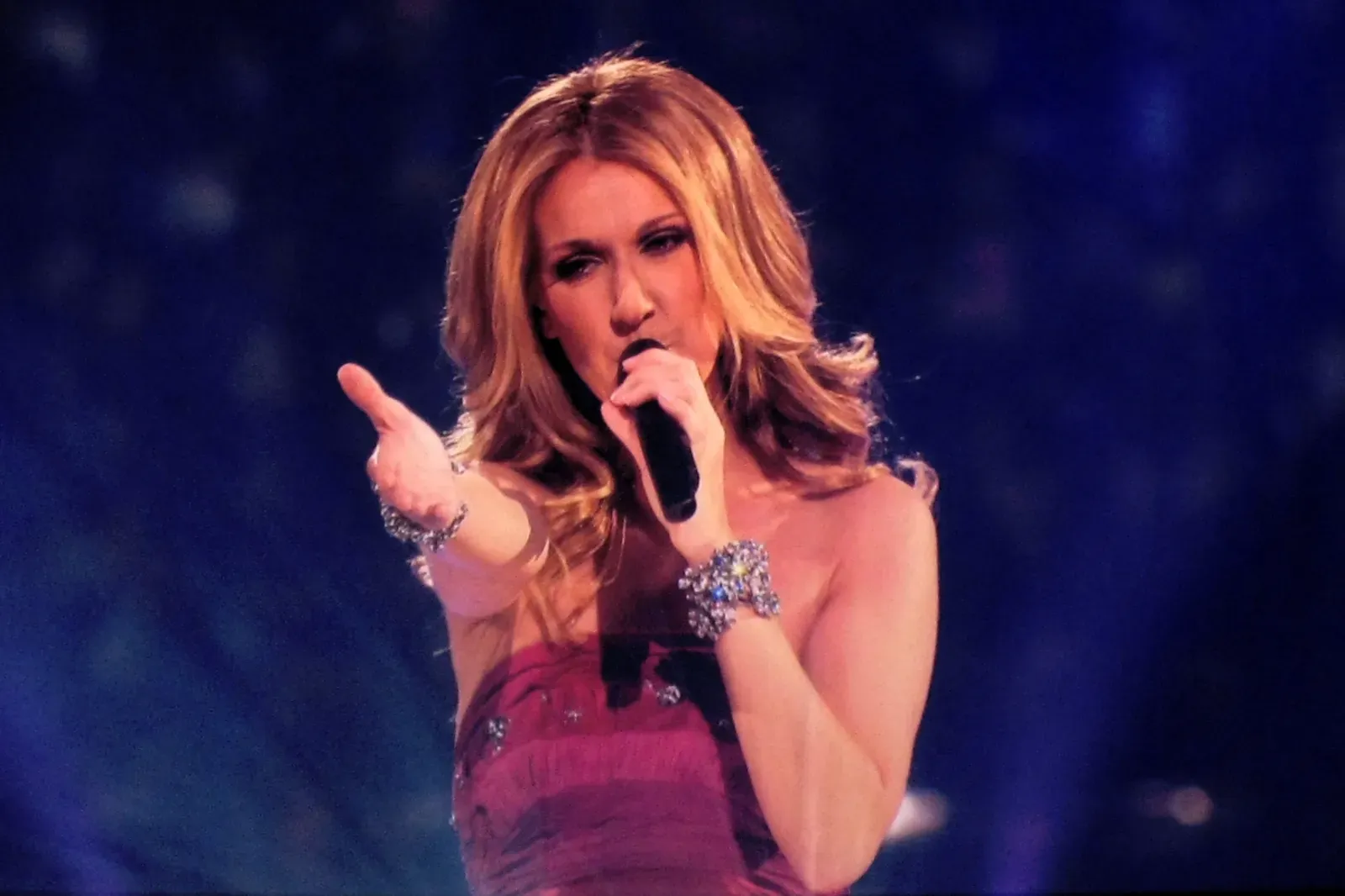
James Cameron initially resisted the idea of an end-credits pop song for Titanic altogether, wanting the film to stand on its own without what he saw as a commercial add-on. The song created friction between director James Cameron and composer James Horner, with Cameron initially not wanting a song in the movie at all. Composer James Horner pushed forward regardless, working with lyricist Will Jennings and recording a demo with Céline Dion in secret.
Dion herself wasn’t especially enthusiastic either, having already scored a movie hit with “Beauty and the Beast” and worrying about repeating herself. She explained that she didn’t want to sing because the director didn’t want a song in the movie, but James Horner asked her to give it a try, and after one take everyone in the studio was crying, so they built the orchestra around her voice and Cameron eventually agreed to include it. The song went on to top charts worldwide and became one of the best-selling singles in history, proving Horner’s instinct right.
8. How Do I Live by LeAnn Rimes and Trisha Yearwood
Diane Warren wrote “How Do I Live” specifically for the 1997 action film Con Air, and she initially intended it for a fifteen-year-old LeAnn Rimes, fresh off her Grammy-winning single “Blue.” The song was originally intended for release as a single for the 1997 action blockbuster Con Air soundtrack, and Warren wrote the song for Rimes to sing. The film’s producers ultimately felt her version leaned too pop for the movie’s tone and asked for changes, which Rimes declined to make.
Producers then brought in Trisha Yearwood to record a more traditional country version for the film itself, while Rimes’ original recording was released as a separate single around the same time. Both versions were released on May 27, 1997. Rimes’ take became the bigger commercial phenomenon, setting a chart longevity record, while Yearwood’s version, the one that actually appeared in Con Air, won her a Grammy for Best Female Country Vocal Performance.
9. Ghostbusters by Ray Parker Jr.
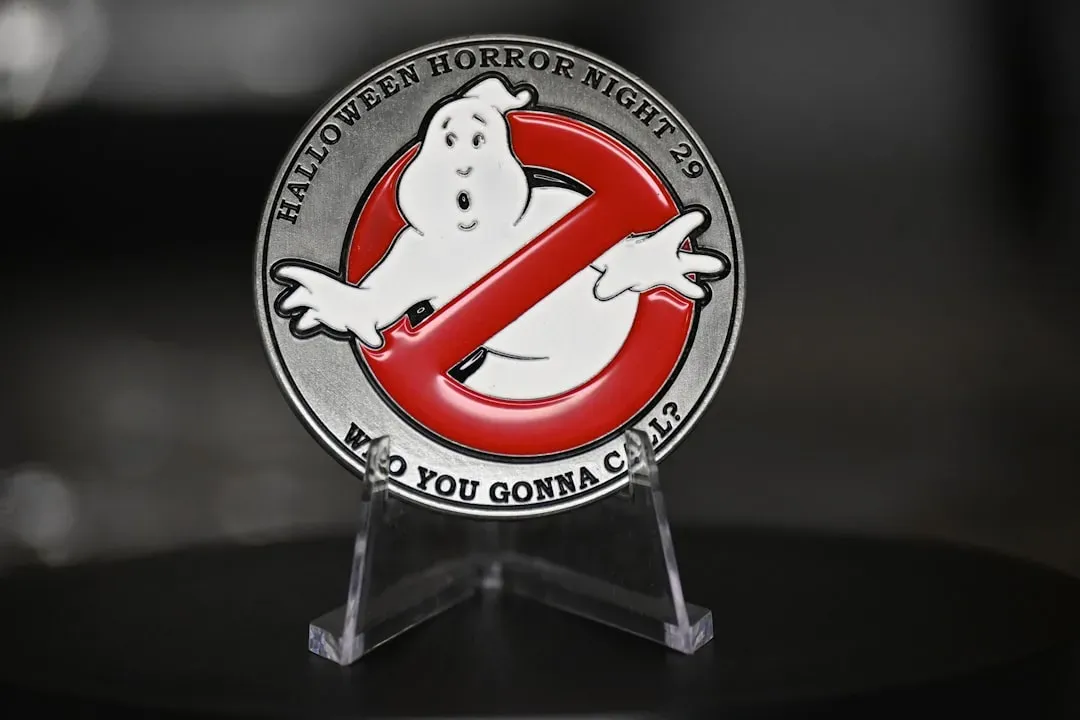
Ray Parker Jr. was brought in on a tight deadline to write a theme song for the 1984 comedy Ghostbusters, reportedly after seeing an early cut of the film and being asked for something catchy and memorable enough to match its poster imagery. He wrote the track quickly, built around a simple, almost novelty-style hook and the film’s title repeated as a chant. The approach was unusual for a mainstream single at the time, closer to a jingle than a typical pop song.
It became a massive hit anyway, reaching number one on the Billboard Hot 100 and earning an Academy Award nomination for Best Original Song. The song’s simplicity turned out to be exactly what made it stick, and it remains one of the most recognizable movie themes ever written, still played at sporting events and Halloween gatherings decades later. Few songs written this fast have had such a long cultural shelf life.
10. I Don’t Want to Miss a Thing by Aerosmith
Diane Warren, already responsible for several movie hits by this point, wrote “I Don’t Want to Miss a Thing” for the 1998 disaster film Armageddon, reportedly with Aerosmith in mind from the start partly because Liv Tyler, Steven Tyler’s daughter, starred in the film. The ballad marked a departure from Aerosmith’s usual hard rock sound, leaning into a full orchestral arrangement more typical of adult contemporary radio. Some longtime fans were surprised by the shift, but the band leaned into it fully for the recording.
The song became Aerosmith’s only number one single on the Billboard Hot 100, a notable milestone for a band that had already been recording for nearly three decades. It also earned an Academy Award nomination for Best Original Song and remains one of the most-played power ballads on classic rock and adult contemporary radio today. For a band built on guitar riffs, it’s a somewhat unlikely legacy hit, but an enduring one nonetheless.
What ties all ten of these songs together is timing and a fair amount of luck. Some were written under pressure to fill a specific scene, others survived multiple rejections before landing with the right performer, and a couple nearly didn’t make it into their films at all. Yet each one managed to step outside the movie that created it and become something people still recognize instantly, decades on, often with only a loose memory of the film that started it all.Partner offer
Planning a trip to Vegas?
Compare hotel rates and show tickets on VEGAS.com.