Writers often write letters without imagining that strangers will read them. A note to a brother, a reply to an anxious young admirer, or a long late night confession to a lover can end up on a library shelf decades later.
The seven collections below were all published after their authors had died. Some were assembled quickly by grieving relatives. Others took scholars years of patient archive work.
Vincent van Gogh’s Letters to His Brother Theo
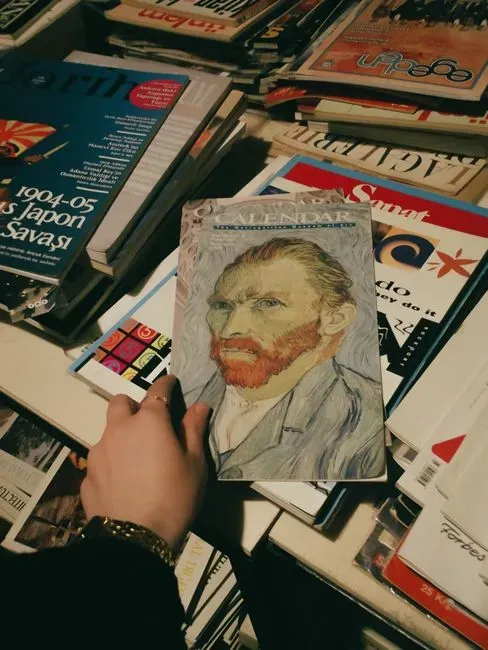
Van Gogh died in 1890, and his brother Theo died only months later. Theo’s widow, Johanna van Gogh Bonger, inherited the letters and worked to bring them out. A Dutch edition of the letters to Theo appeared in 1914.
The book changed how people read the paintings. It showed an artist who wrote carefully about color, money, doubt and work. In 2009 the Van Gogh Museum published a fully revised scholarly edition, which gathered more than nine hundred letters.
Rilke’s Letters to a Young Poet
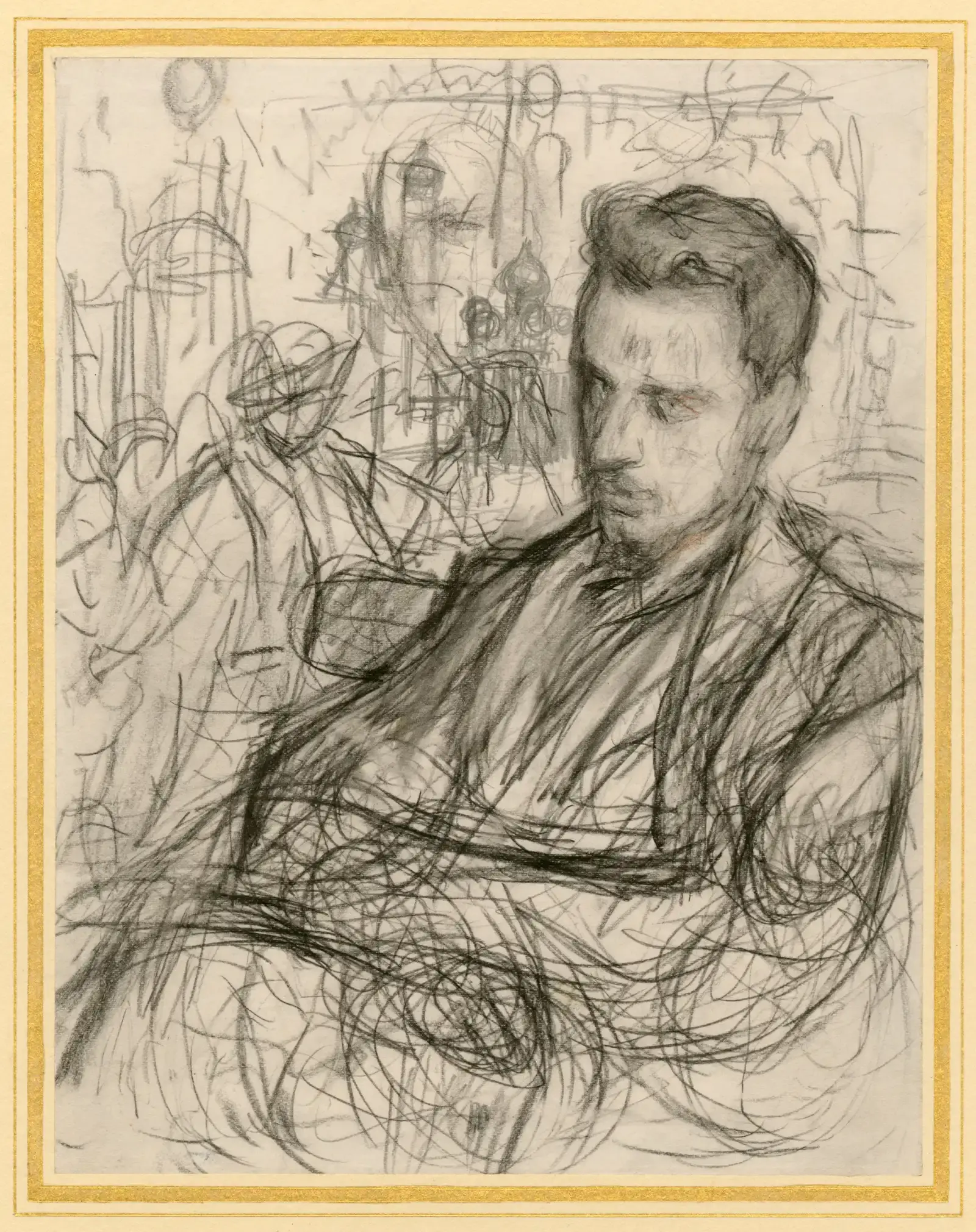
Rainer Maria Rilke died in 1926. Three years later, in 1929, a small book appeared containing ten letters he had written to a young would be poet named Franz Xaver Kappus. The letters date from roughly 1903 to 1908.
Kappus was a military academy student who had sent Rilke some verses and asked for his opinion. Rilke’s replies focus on solitude, patience and the habit of looking inward. The book has stayed in print for close to a century and is still a common gift for beginning writers.
Emily Dickinson’s Letters

Dickinson died in 1886, leaving behind a famously private life and a drawer of poems. Mabel Loomis Todd, who helped bring the poems into print, also edited a two volume selection of the letters, published in 1894. It was an early attempt to show the person behind the verse.
The edition was shaped by the tastes of its time, so Todd trimmed and arranged the material. A more complete scholarly edition by Thomas H. Johnson followed in 1958. Readers now often turn to that later work for a fuller picture of Dickinson’s correspondence.
Partner offer
The Letters of J.R.R. Tolkien
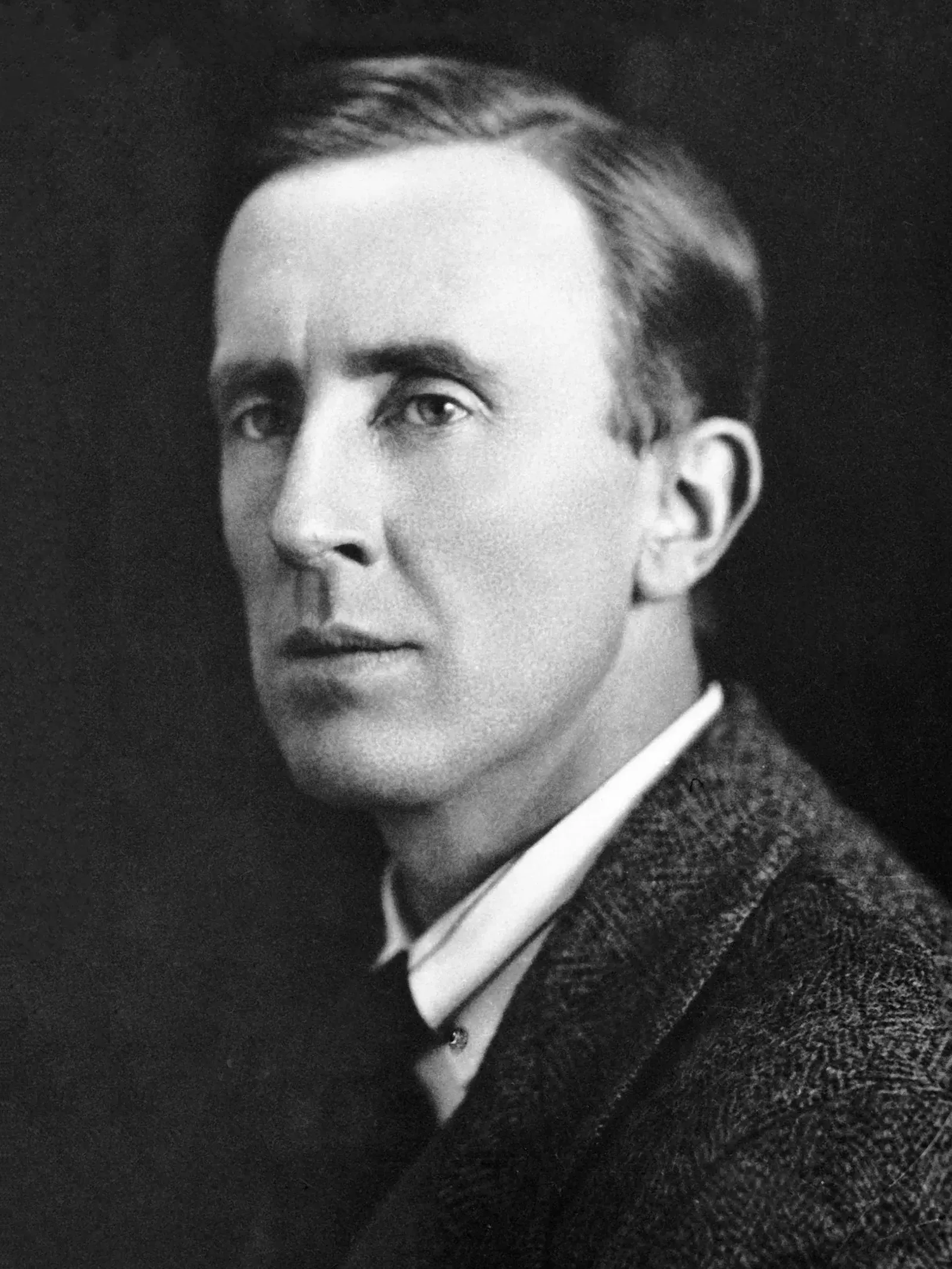
Tolkien died in 1973. His selected letters came out in 1981, edited by Humphrey Carpenter with help from Christopher Tolkien, the author’s son and literary executor. The volume gathered letters to publishers, fans, friends and family.
The collection is valued for the way Tolkien explains his own invented world. He discusses languages, myth and the meaning of his stories in his own words. It remains a go to reference for readers who want to understand how Middle earth took shape.
Kafka’s Letters to Milena
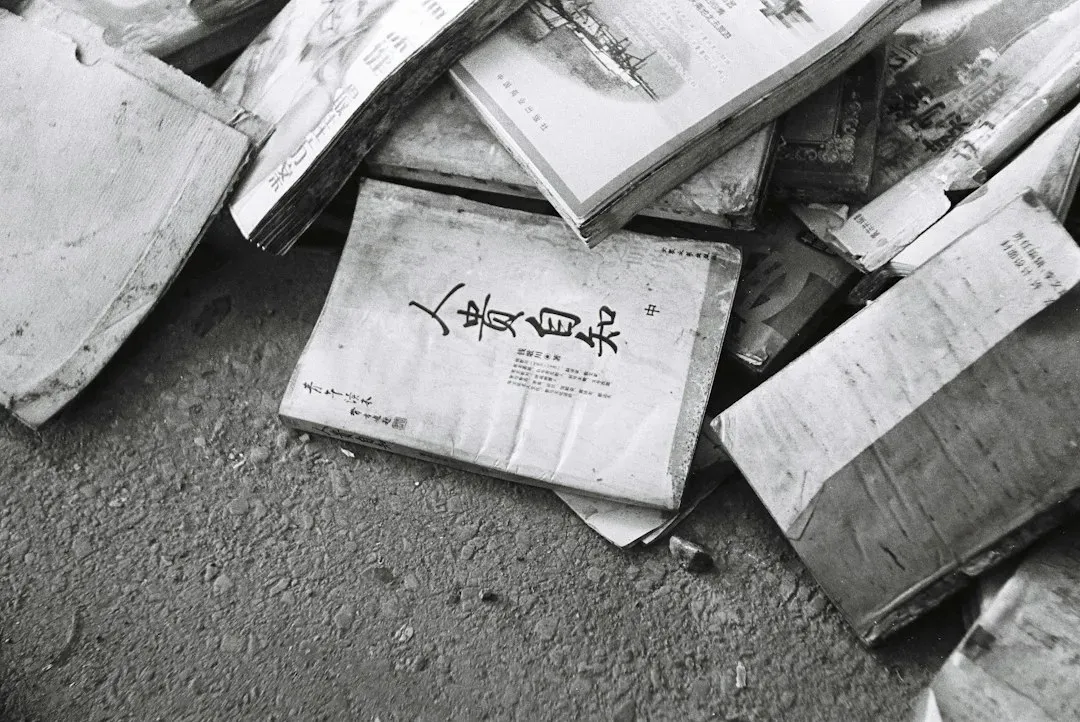
Franz Kafka died in 1924. His letters to Milena Jesenská, a Czech journalist and translator, were published in German in 1952, and an English translation followed the next year. They come from the early 1920s, near the end of his short life.
The letters are intense, anxious and often startlingly direct. They show a side of Kafka that his fiction only hints at. Jesenská herself died in 1944 in the Ravensbrück concentration camp, which gives the book an added weight for modern readers.
The Letters of Samuel Beckett
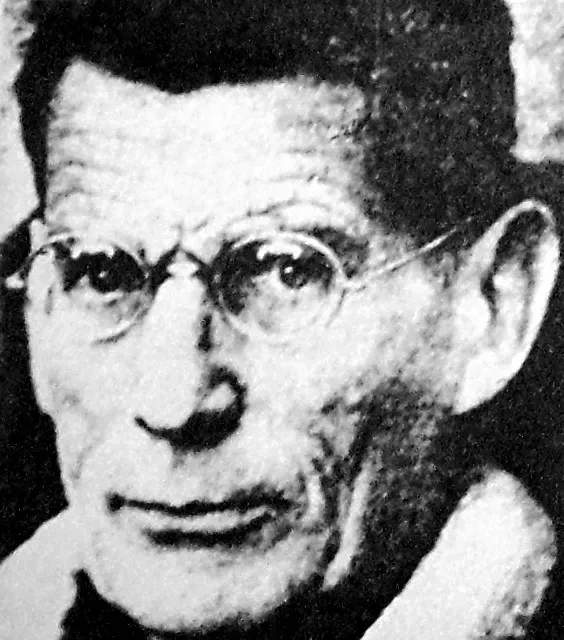
Beckett died in 1989 and was known as a guarded man. Cambridge University Press nonetheless published his letters in four volumes, with the first appearing in 2009 and the fourth in 2016. The project was led by Martha Dow Fehsenfeld and Lois More Overbeck, working with other editors.
The first volume covers his early years, from 1929 to 1940. Because Beckett had wished to limit publication, the editors chose only letters that bear on his work. The result is a focused record of a writer’s development rather than a full diary of his life.
The Letters of Sylvia Plath
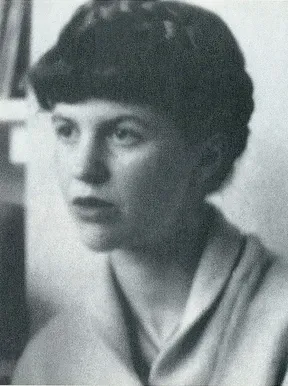
Plath died in 1963. Her letters were published in two volumes, the first in 2017 and the second in 2018, edited by Peter K. Steinberg and Karen V. Kukil. Together they run to well over a thousand pages.
The first volume follows her from childhood through her student years, ending in 1956. The second covers her marriage to Ted Hughes, her motherhood and her final productive period. For many readers the letters balance the image of Plath that grew up around her death, showing her as a funny, ambitious and hardworking correspondent.
Partner offer
Planning a trip to Vegas?
Compare hotel rates and show tickets on VEGAS.com.