Some places carry a single date the way other cities carry a nickname. A fire, a quake, a storm, or a single terrible morning becomes the dividing line between “before” and “after,” and everything that follows gets measured against it. What happens next says as much about a community as the disaster itself did.
The seven places below were each shaped by a moment that could have ended them. Instead, through slow construction, hard政治 decisions, and often decades of patience, they rebuilt into something recognizable, if never quite the same as before.
1. San Francisco after the 1906 earthquake and fire
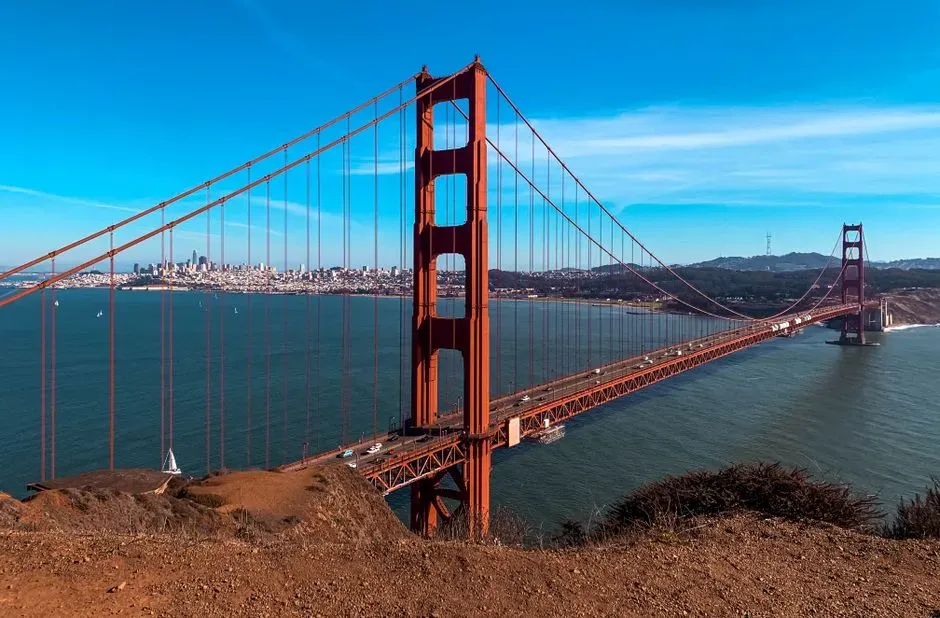
The magnitude 7.9 earthquake that struck San Francisco on April 18, 1906, ruptured gas lines and water mains across the city, and the fires that followed burned for four days, destroying roughly 28,000 buildings and leaving a large share of the population homeless. City leaders and business owners moved with unusual speed, partly out of fear that insurers and investors would abandon the region if reconstruction stalled. Within three years, most of the downtown core had been rebuilt, often using the same street grid but with stricter fire codes and new steel-frame construction techniques borrowed from Chicago’s own recovery decades earlier.
What makes San Francisco’s rebuild notable is how quickly commerce returned even as housing lagged behind. The 1915 Panama-Pacific International Exposition, held less than a decade after the disaster, was staged partly to show the world the city had recovered, and it drew nearly nineteen million visitors. Neighborhoods like the Fillmore and the Mission absorbed displaced residents and became lasting cultural centers in their own right, a legacy that outlived the disaster that created it.
2. Chicago after the Great Fire of 1871
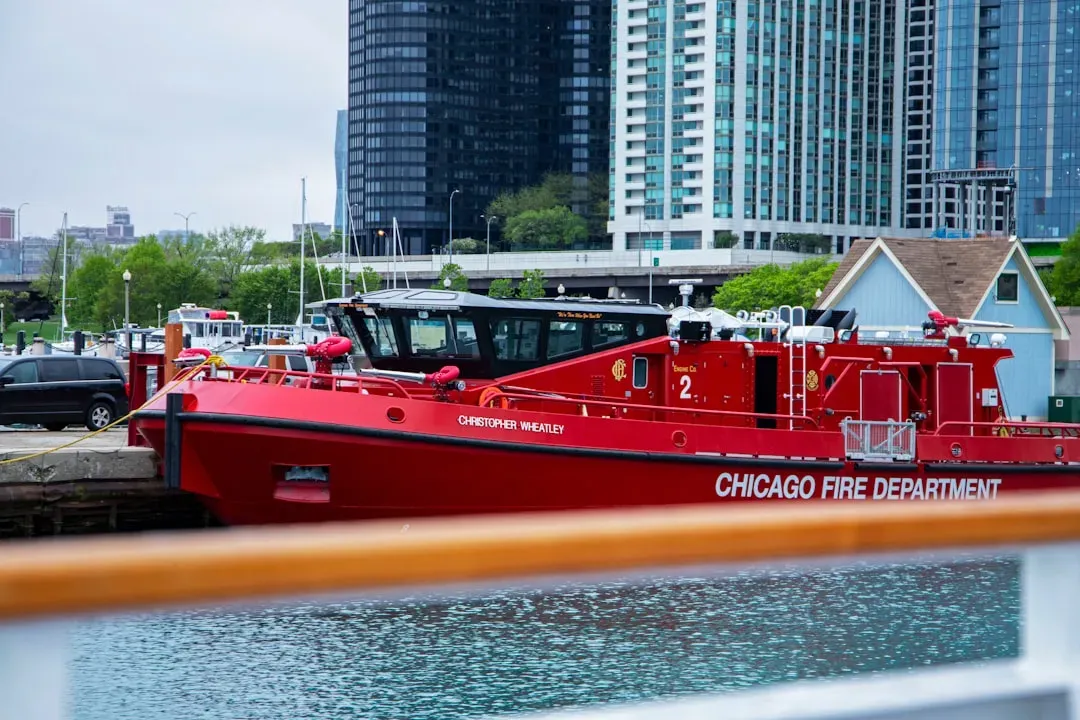
The fire that started in a barn on DeKoven Street in October 1871 burned through roughly three and a half square miles of the city, destroying an estimated 17,000 buildings and leaving about 100,000 people without shelter. Wooden construction, drought conditions, and a city built largely of timber turned a small blaze into one of the most destructive urban fires in American history. Yet within a year, new building ordinances required fireproof materials in the central business district, and construction crews were already raising the first iron-framed structures that would eventually define the Chicago School of architecture.
The rebuild attracted architects and engineers from across the country, drawn by the sheer scale of the opportunity. Louis Sullivan and Daniel Burnham, among others, used the cleared land to experiment with skyscraper design, effectively inventing a new building type in the process. By the time Chicago hosted the World’s Columbian Exposition in 1893, barely two decades after the fire, it had transformed from a disaster zone into one of the most architecturally influential cities on the planet.
3. Hiroshima after the 1945 atomic bombing
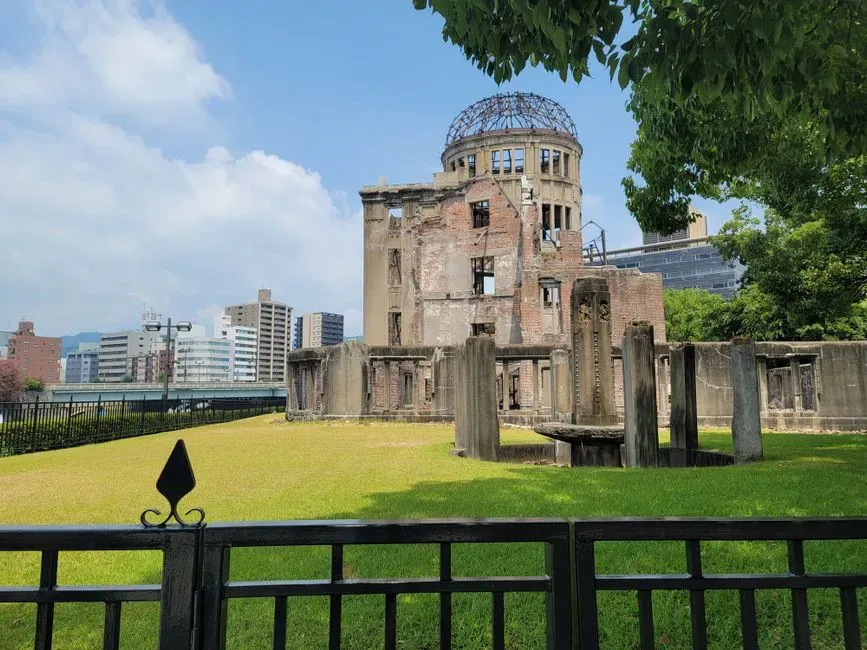
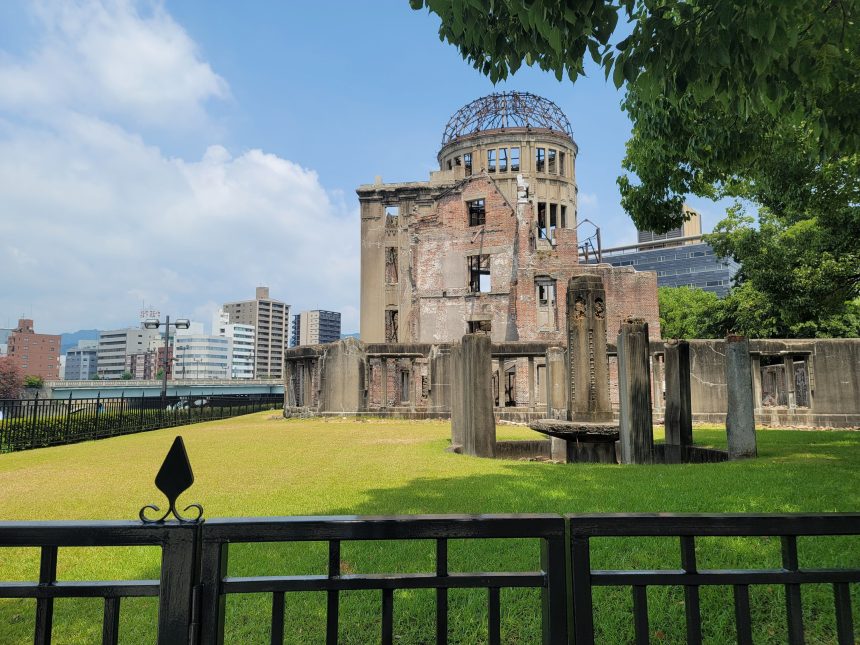
The atomic bomb dropped on Hiroshima on August 6, 1945, killed tens of thousands of people instantly and left the city center almost entirely flattened, with radiation effects that continued killing residents for years afterward. Early assessments questioned whether the land itself would remain habitable, given fears about long-term contamination. Reconstruction began cautiously, guided by a 1949 law that designated Hiroshima a “peace memorial city,” which shaped rebuilding around both practical housing needs and a deliberate commitment to commemoration.
The Peace Memorial Park and the preserved ruins of the Genbaku Dome became the emotional center of the new city, a decision made even as officials debated tearing down damaged structures. Population figures climbed steadily through the 1950s and 1960s as industry returned, and Hiroshima grew into a city of more than a million people, known today as much for its manufacturing and shipping as for the history embedded in its center. The rebuild there was never just about replacing buildings; it involved deciding what to preserve as a warning and what to let go.
Partner offer
4. Galveston, Texas after the 1900 hurricane
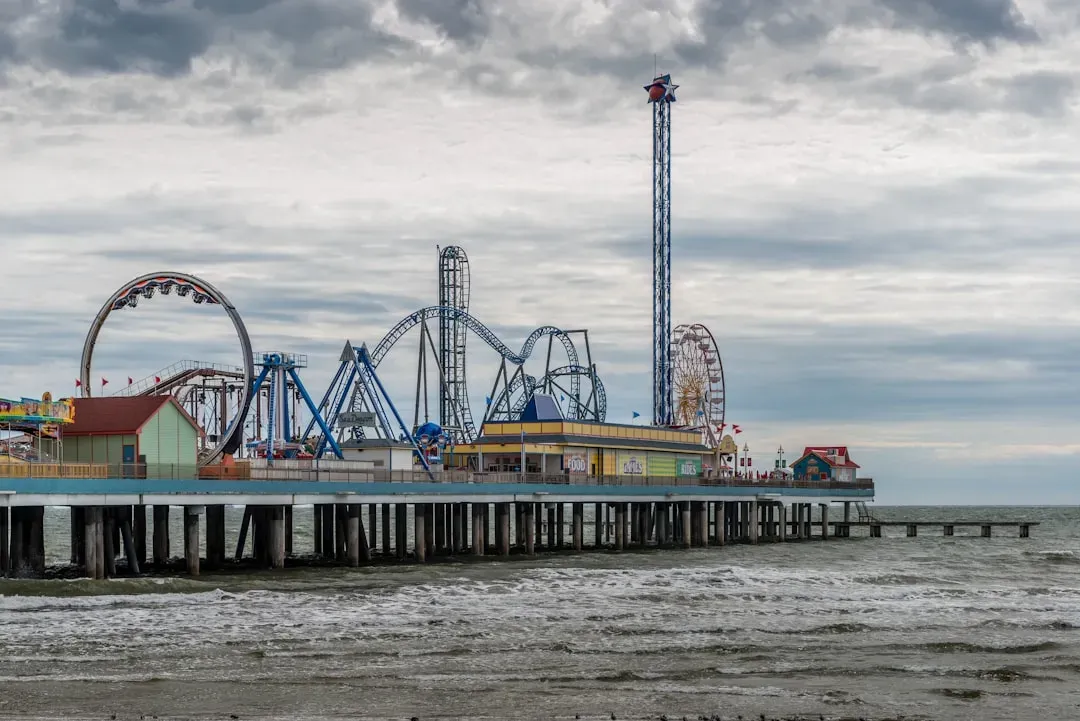
The hurricane that struck Galveston Island on September 8, 1900, remains the deadliest natural disaster in U.S. history, with death toll estimates commonly ranging from 6,000 to as many as 12,000 people out of a population of roughly 38,000. The storm surge overwhelmed an island that sat barely nine feet above sea level at its highest point, wiping out entire neighborhoods. In response, city engineers undertook one of the most ambitious municipal engineering projects of the era: raising the grade of the city itself, in some areas by more than eight feet, using dredged sand pumped in from the Gulf.
Alongside the grade-raising, workers built a seawall along the Gulf-facing shoreline that still protects the island today. The project took years and drained enormous municipal resources, but it also shifted economic power in Texas, as shipping and business activity that once concentrated in Galveston increasingly moved to Houston, which built its own ship channel around the same period. Galveston survived, but the disaster permanently altered its trajectory within the region.
5. Christchurch, New Zealand after the 2011 earthquake
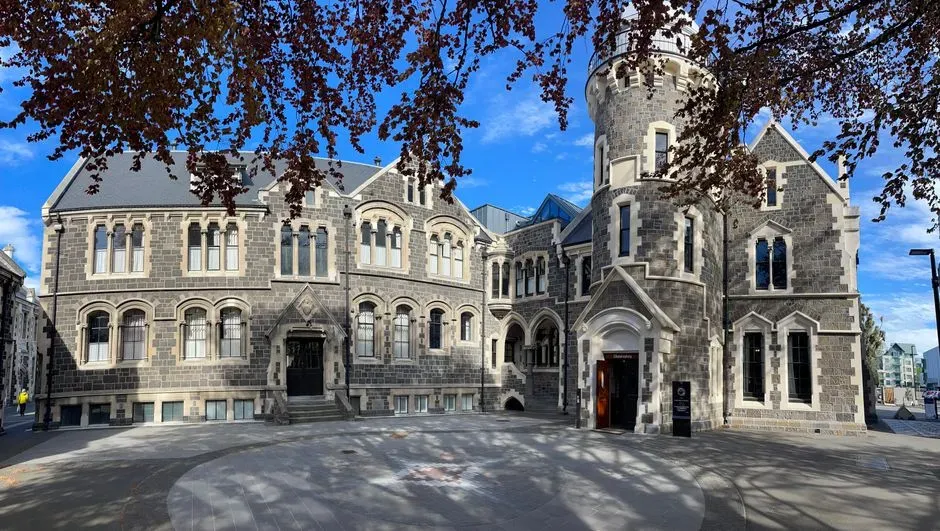
The magnitude 6.3 earthquake that struck Christchurch on February 22, 2011, killed 185 lives lost, 164 seriously injured, and caused catastrophic damage across the central city, following an earlier significant quake in September 2010. Roughly 8,000 homes were designated “red zoned” and thousands more required major repairs, prompting the New Zealand government to establish a dedicated recovery authority and infrastructure rebuild team to coordinate work across the city. More than a decade later, major anchor projects are only now reaching completion.
Among the most visible signs of progress, One New Zealand Stadium at Te Kaha is on track to open in April 2026, a multi-use arena with a construction budget of $683 million. The rebuild of Christ Church Cathedral, meanwhile, has taken far longer than initially expected. With construction work commencing again in 2026, the Cathedral could be open by the end of 2030, underscoring just how long some symbolic parts of a city’s recovery can take even as the practical infrastructure around them returns to normal.
6. Joplin, Missouri after the 2011 tornado
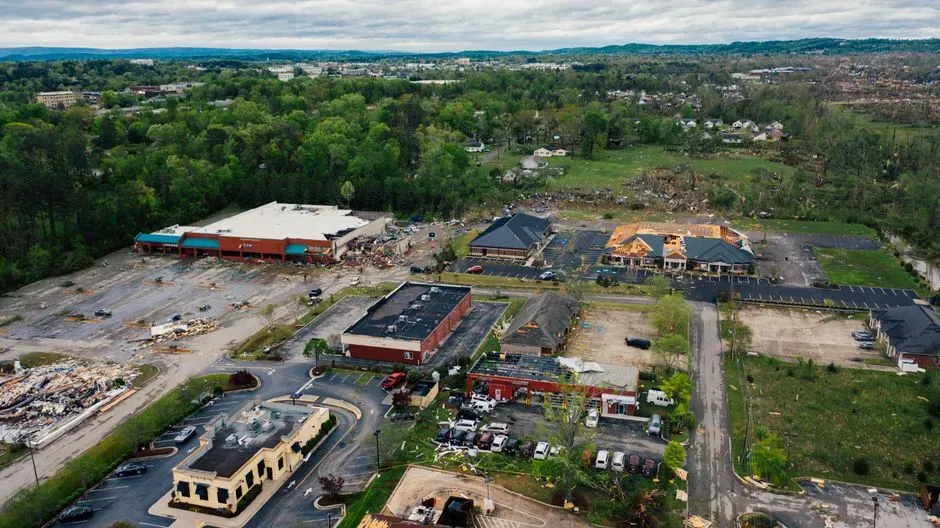
On May 22, 2011, an EF5 tornado tore a path roughly six miles long and up to a mile wide through Joplin, killing 158 people and destroying or damaging thousands of homes, businesses, schools, and a hospital in a matter of minutes. It remains one of the deadliest single tornadoes in modern U.S. history. The scale of destruction forced the city to rebuild core infrastructure almost from scratch, including a new hospital and several schools that had been leveled.
Joplin’s recovery became a case study in disaster planning partly because of how quickly volunteers and donated materials arrived, and partly because local officials used the rebuild as an opportunity to redesign vulnerable areas rather than simply replace what had been lost. New building codes emphasized reinforced safe rooms and storm-resistant construction. Within a few years, most of the destroyed commercial corridor along Range Line Road had been rebuilt, and the city’s population, which had dipped immediately after the storm, gradually returned to pre-tornado levels.
7. Lahaina, Hawaii after the 2023 wildfire
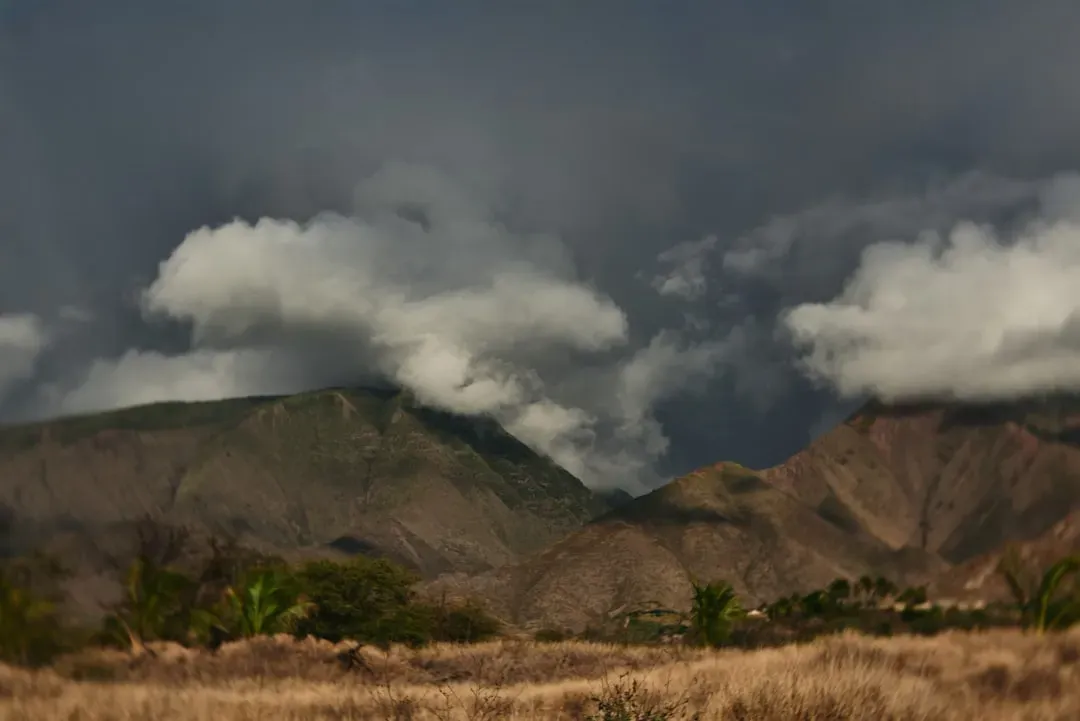
The wildfire that swept through Lahaina on August 8, 2023, remains one of the deadliest in modern U.S. history. The wildfire disaster killed 102 people, burned more than 2,200 structures and displaced thousands of residents. Three years on, recovery has been steady but slow, shaped by the scale of what was lost and the complexity of rebuilding a historic waterfront town.
By mid-2026, data from Maui County shows 315 homes are under construction, 577 residential units have been rebuilt or newly constructed and 667 residential building permits have been issued, with hundreds more still moving through approval. More than $1.6 billion in federal disaster recovery funding has been secured, with over $903 million committed to housing. Front Street itself, the town’s iconic waterfront corridor, reopened to traffic Saturday for the first time since the Aug. 8, 2023, wildfire gutted much of the historic town, though some residents interviewed believe the community remains at least 15 years away from fully recovering.
Partner offer
Planning a trip to Vegas?
Compare hotel rates and show tickets on VEGAS.com.