Hollywood has always loved a second chance. Revisit an old story, freshen it up, attach a new cast, and hope audiences come back for the ride. Sometimes it works. Most of the time, though, the results land somewhere between disappointing and genuinely baffling. The remakes in this list weren’t just unnecessary. They actively stripped away the things that made their originals worth watching. Each one carries a different kind of failure: miscast leads, wrong tone, wrong timing, wrong creative instincts entirely. One entry at the end, though, is the exception that proves the rule – a remake that had every reason to fail and somehow didn’t.
1. Ben-Hur (2016): A Three-Hour Epic Compressed into Forgettable Noise

The 2016 Ben-Hur is, technically, a remake of a remake. The first Ben-Hur was a mediocre 1925 silent film, then it was reinterpreted as one of the greatest films of the 20th century. The 2016 version ran in the opposite critical direction to William Wyler’s 1959 masterpiece, becoming one of the worst films of the 21st century. Wyler’s 1959 original truly earns its title as one of the best biblical epics of all time. At almost three and a half hours long, it’s a commitment, but one that rewards viewers with amazing storytelling, incredible practical sets, and historical costuming.
Directed by Timur Bekmambetov, the 2016 Ben-Hur follows Judah Ben-Hur, a Jewish prince in ancient Rome who is betrayed by his adoptive brother Messala and sentenced to a life of slavery. After surviving years of hardship, Judah returns to seek revenge. The problem wasn’t the story – it was everything surrounding it. None of the actors live up to their roles, and it’s difficult to believe that any of them truly embody their characters. Like many remakes of its ilk, this Ben-Hur fails to capture the spirit and has no reason for existing.
2. Ghost in the Shell (2017): Visually Gorgeous, Culturally Tone-Deaf

In this remake of the 1995 anime classic, Major Motoko Kusanagi, played by Scarlett Johansson, must come to terms with her own humanity upon discovering a conspiracy at a robotics corporation. The film is a bland, uninspired take on lively, inspired source material, and therein lies the core problem. The original is philosophical, slow-paced, and often talky – the 2017 film is a hyperactive, shallow action film.
Costing Paramount roughly $110 million to make, the live-action remake earned only $19 million at the domestic box office during its opening weekend. A YouGov poll conducted that year found that roughly three in five potential viewers were aware of the whitewashing controversy, with about one in four saying it made them less likely to see the film. The narrative, blending elements from the manga, the 1995 anime, and Stand Alone Complex, also felt incoherent to many, failing to satisfy purists or engage new viewers. The film ended up as a cautionary tale about what happens when a studio mistakes spectacle for soul.
3. The Wicker Man (2006): Nicolas Cage and the Bees
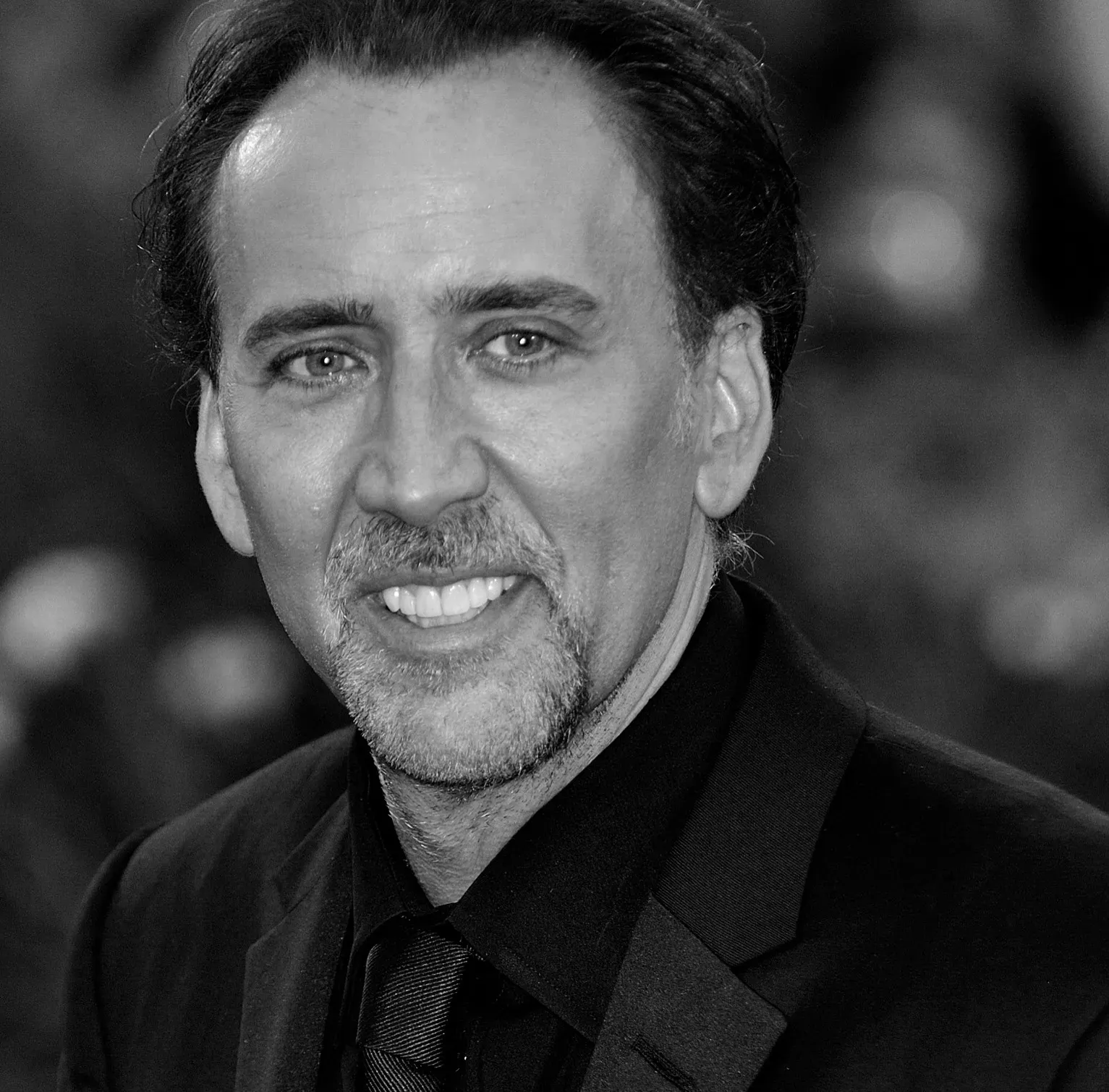
The 2006 remake of Robin Hardy’s 1973 British film might be one of the biggest flag bearers of how to butcher a classic. The original film, a seminal work of atmospheric folk horror, was converted into a radical, bee-harvesting matriarchy that baffled audiences. Even before release, the original film’s director and star, Robin Hardy and Christopher Lee, had already derided the idea of a remake. While the original Wicker Man was a slow-burning psychological horror masterpiece, the 2006 version was just a regular horror film filled with jump scares and awkward dialogue.
Nicolas Cage’s over-the-top performance turned what should have been a tense thriller into absurdity, spawning internet memes that outlived the film by years. Cage himself has expressed that the film was indeed absurd. Though the film has become somewhat of a cult classic for entirely the wrong reasons, it was a box office flop, earning only $38 million. The original’s dread came from restraint. The remake had none.
4. Psycho (1998): A Shot-for-Shot Exercise in Missing the Point
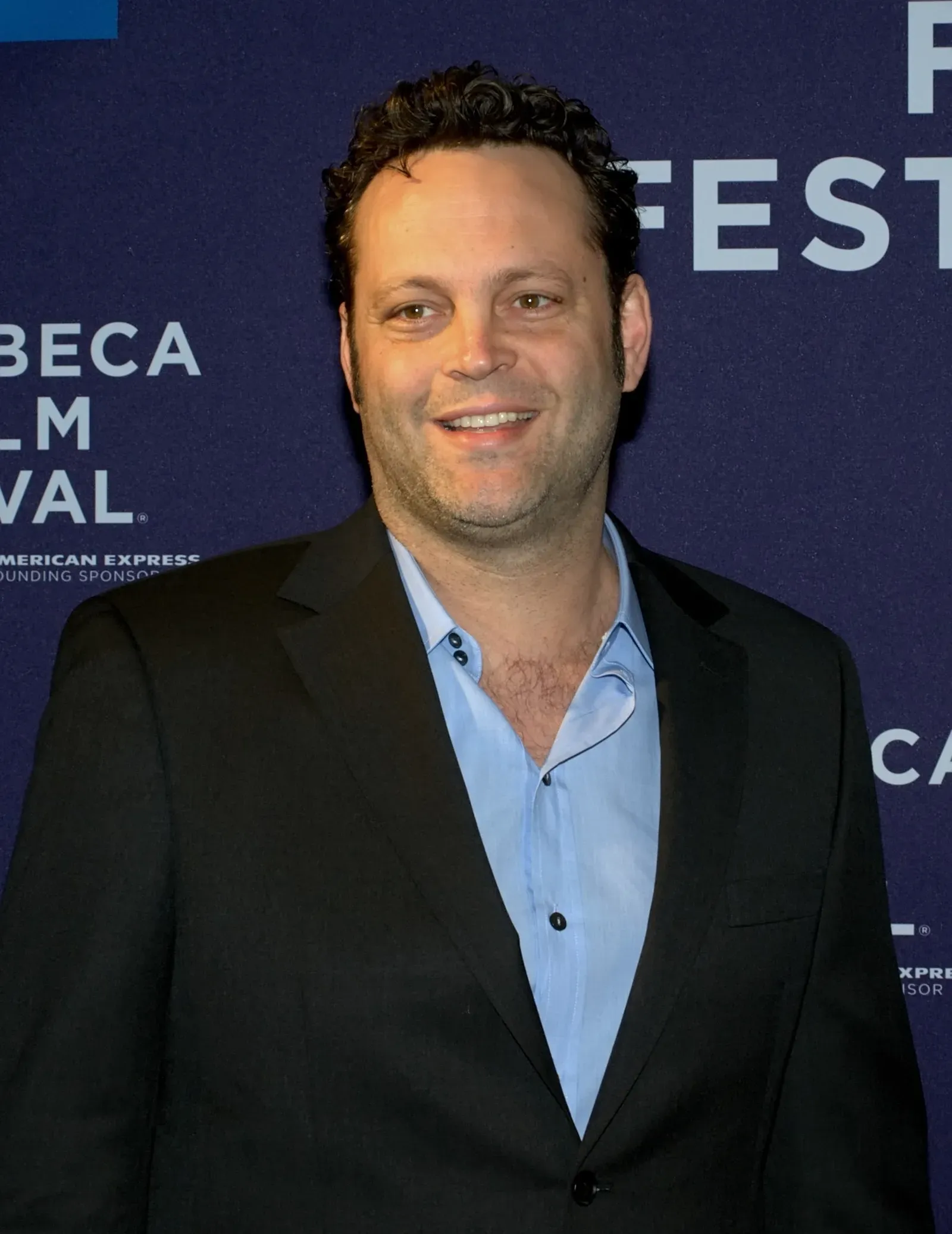
In Gus Van Sant’s shot-for-shot remake of the 1960 Alfred Hitchcock classic, Vince Vaughn plays Norman Bates, proprietor of the Bates Motel and serial murderer. The film landed with a complete thud, being panned for simply being the original film but worse. While Van Sant’s talent and stature in cinema have caused the film to see a re-evaluation over the years, it is, even in the best-case scenario, an oddball.
The remake does almost nothing new, instead choosing to follow the original film beat for beat, merely amping up the violence and sexuality slightly. It may be an interesting art piece, but it is also fundamentally a remake that nobody wanted or needed. One common reaction from audiences was that it wasn’t so much a remake as a colorized, scene-for-scene rewatch, leaving many wondering why it was ever greenlit. There’s a difference between homage and imitation, and this film never figured out which one it was attempting.
Partner offer
5. Point Break (2015): When Bigger Really Is Worse
The original Point Break, directed by Kathryn Bigelow, is beloved for its thrilling action driven by the chemistry between Keanu Reeves and Patrick Swayze. The 2015 remake, however, turned the film into a bland action flick, replacing emotional stakes with generic CGI-heavy stunts. The performances were not as impactful as the Reeves-Swayze duo, and critics dismissed it as another unnecessary remake.
Remaking Point Break is widely considered a fundamental mistake, and an eleven percent Rotten Tomatoes score reflects that. Critics at the time noted that the 2015 version completely misunderstood the charm of the original, scaling the intimate story into a global extreme-sports spectacle. The remake’s action sequences are technically impressive, but the film lacks the surprisingly tender heart of the original. It replaced character with choreography and hoped nobody would notice.
6. Flatliners (2017): When a Remake Flatlines Before It Begins

The original Flatliners wasn’t exactly a masterpiece, but it had a unique concept, a terrifying setting, and a strong cast including Julia Roberts, Kevin Bacon, and Kiefer Sutherland, making it a cult film. The 2017 remake failed to bring anything new to the table. Instead, it delivered a watered-down, forgettable thriller that neither improved upon nor justified revisiting the story.
The film was met with poor reviews, earning a dismal four percent on Rotten Tomatoes. Audiences simply weren’t interested in a pointless remake, and the movie flatlined at the box office, with the original clearly besting it. The story itself offered fertile ground for a modern reworking – medical ethics, survivor guilt, the psychology of near-death. None of that potential was tapped. The 2017 version arrived, blinked, and vanished.
The One That Actually Worked: The Departed (2006)
Before Martin Scorsese released The Departed, there was Infernal Affairs, co-directed by Andrew Lau and Alan Mak. The 2002 Hong Kong action thriller tells of an undercover police officer who infiltrates a Triad gang, while a different officer operates as a spy for the Triad. In January 2003, Warner Bros. producer Brad Grey and actor Brad Pitt bought the rights to remake the film from Media Asia for just over a million dollars. Soon, the film began filling with industry talent, starting with Martin Scorsese in the director’s chair, followed by a cast including Leonardo DiCaprio, Matt Damon, Mark Wahlberg, Jack Nicholson, and Martin Sheen.
The Departed shares almost the exact same plot as Infernal Affairs, though in style the two films couldn’t be more different. Infernal Affairs is part melodrama and part stylized action flick, largely a film about fate. Scorsese does away with the flashy style of the original, grounding the story in a more gritty reality and spending time analyzing the bravado and social impact of the gang itself. His characters are products of their social environment, shaped by neighborhood and circumstance.
The Departed was the movie that won Martin Scorsese his first Best Director Oscar when it was released in 2006. Both films are worth watching, but Scorsese’s character work elevates the story to an entirely new level, supported by powerhouse performances from Leonardo DiCaprio, Jack Nicholson, Matt Damon, and Mark Wahlberg. It remains one of the rare examples in cinema history of a remake that understood exactly what made the original compelling, then found its own language to say the same thing.
The gap between these six failures and this one success tells you almost everything about why remakes go wrong. The bad ones chase the surface of the original. They copy scenes, match the plot beats, maybe upgrade the effects. The Departed didn’t try to be Infernal Affairs. It tried to be a great movie, and it was. That distinction, simple as it sounds, is apparently the hardest thing in Hollywood to get right.
Partner offer
Planning a trip to Vegas?
Compare hotel rates and show tickets on VEGAS.com.