Most concerts end with a ringing in the ears and a sore back. A few end up in history books for much darker reasons. Crowd crushes, fires, violence and plain bad planning have turned some of the best known live events into cautionary tales.
The seven shows below are widely documented, and each one changed how promoters, venues and authorities think about safety. The details come from long established reporting and official inquiries, so they hold up well even years later.
Altamont Free Concert, 1969
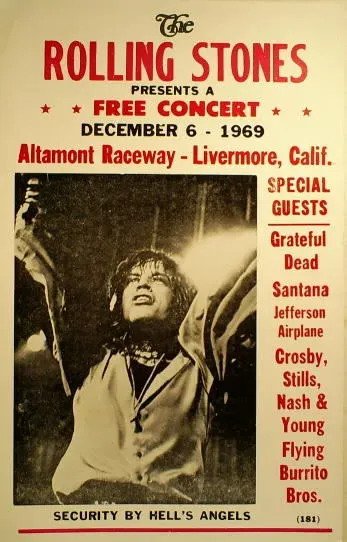
The Altamont Speedway Free Festival took place in Northern California on December 6, 1969, and it featured the Rolling Stones, Santana, Jefferson Airplane and others. The Hells Angels were used as informal security, and tension built through the day as the crowd grew large and rowdy. Several people were hurt in fights near the stage.
During the Stones’ set, a young man named Meredith Hunter was stabbed and killed near the stage. Three other deaths were reported at the event, from a hit and run and a drowning. Altamont is often described as the moment the optimism of the 1960s counterculture cracked.
The Who Concert at Riverfront Coliseum, 1979
On December 3, 1979, The Who played at Riverfront Coliseum in Cincinnati, Ohio. Seating was unreserved, known as festival seating, so thousands of fans pressed toward the doors as they waited outside in the cold. When the doors finally opened, the crowd surged forward.
Eleven people died from compressive asphyxia. Cincinnati later banned festival seating at such events, and the ban stayed in place for years before being lifted. The tragedy pushed many other cities to review how they handled general admission crowds.
Roskilde Festival, 2000
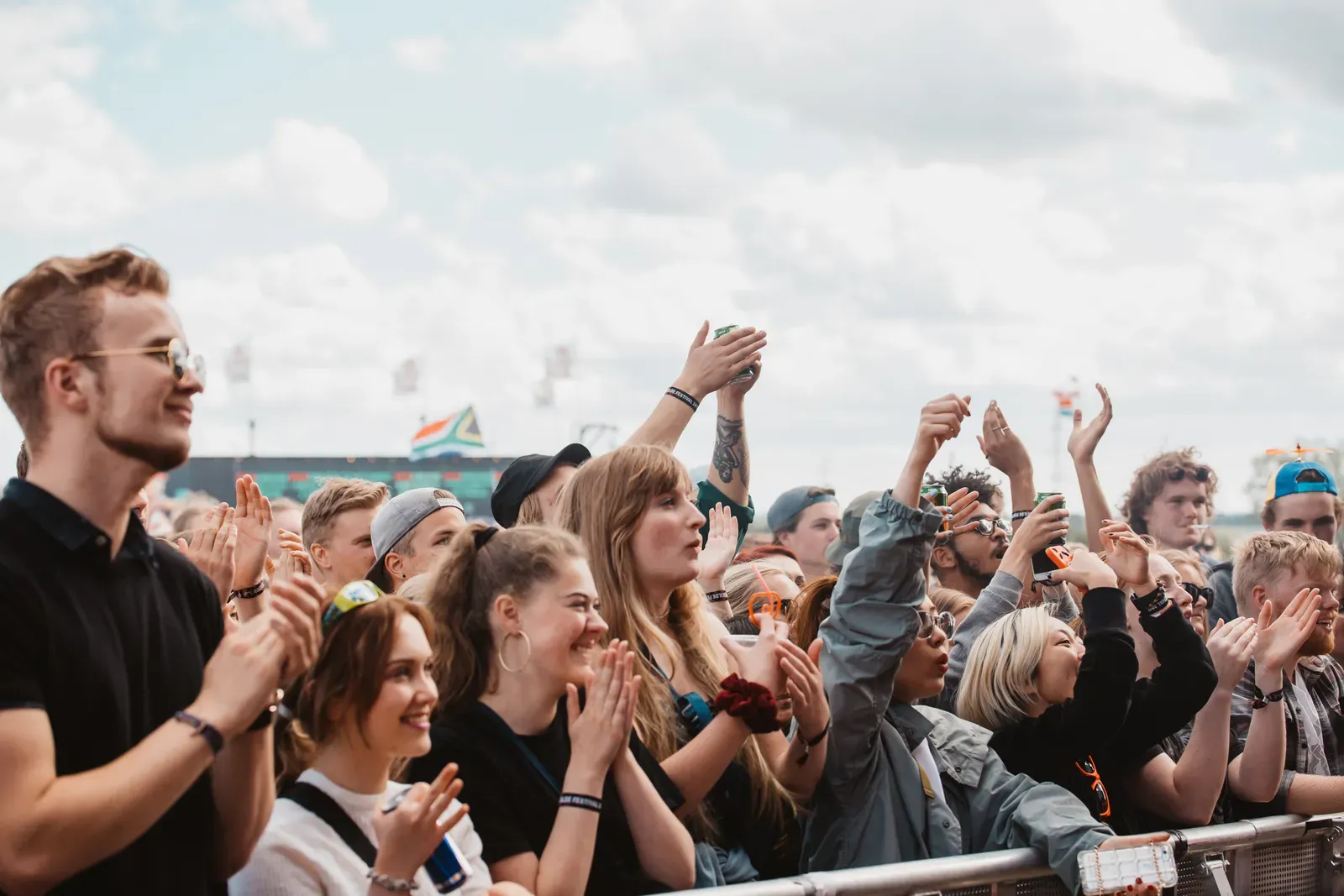
On June 30, 2000, the Roskilde Festival in Denmark was hit by a disaster during a Pearl Jam performance. Rain had made the ground muddy, and many fans were packed tightly in front of the stage. As people pushed forward, some fell and were trapped beneath the crowd.
Nine young men died. Pearl Jam and the festival organizers faced intense grief and scrutiny, and the band even considered quitting for a time. Roskilde later overhauled its crowd management practices, and the festival continues to run today.
The Station Nightclub Fire, 2003
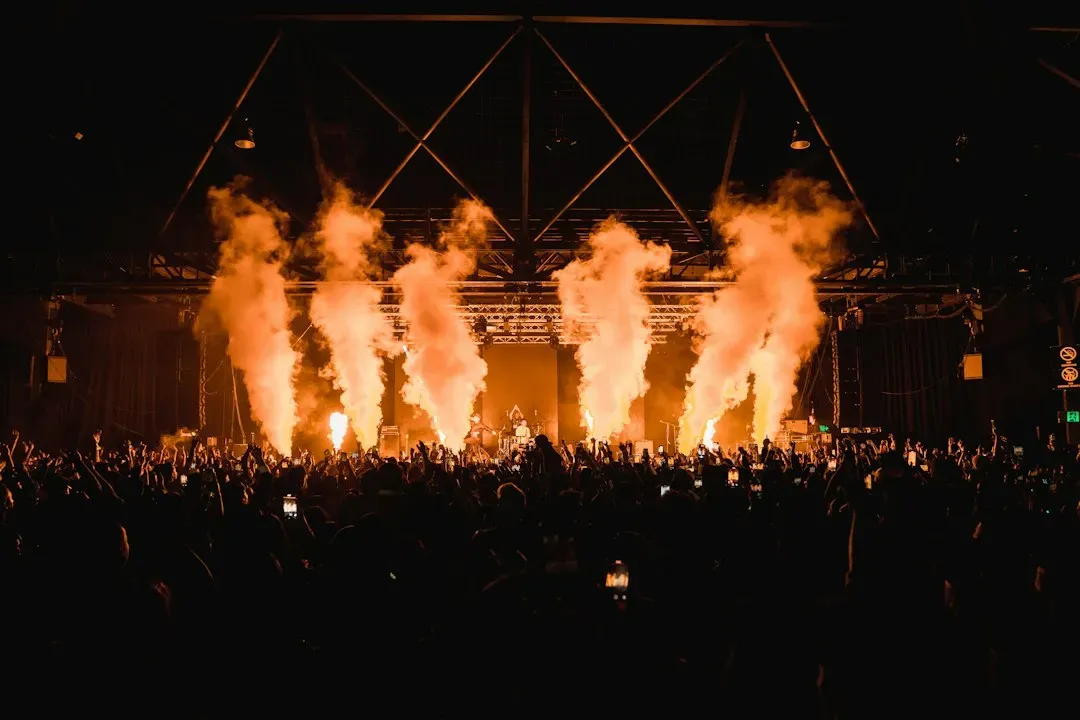
On February 20, 2003, the band Great White played at The Station nightclub in West Warwick, Rhode Island. The group’s tour manager set off pyrotechnics at the start of the show, and the sparks ignited flammable soundproofing foam on the walls. Flames spread across the room within moments.
One hundred people died and many more were injured. The band’s tour manager and the club’s owners faced criminal charges, and the fire led to tougher fire codes across the United States. It remains one of the deadliest nightclub fires in American history.
Woodstock ’99
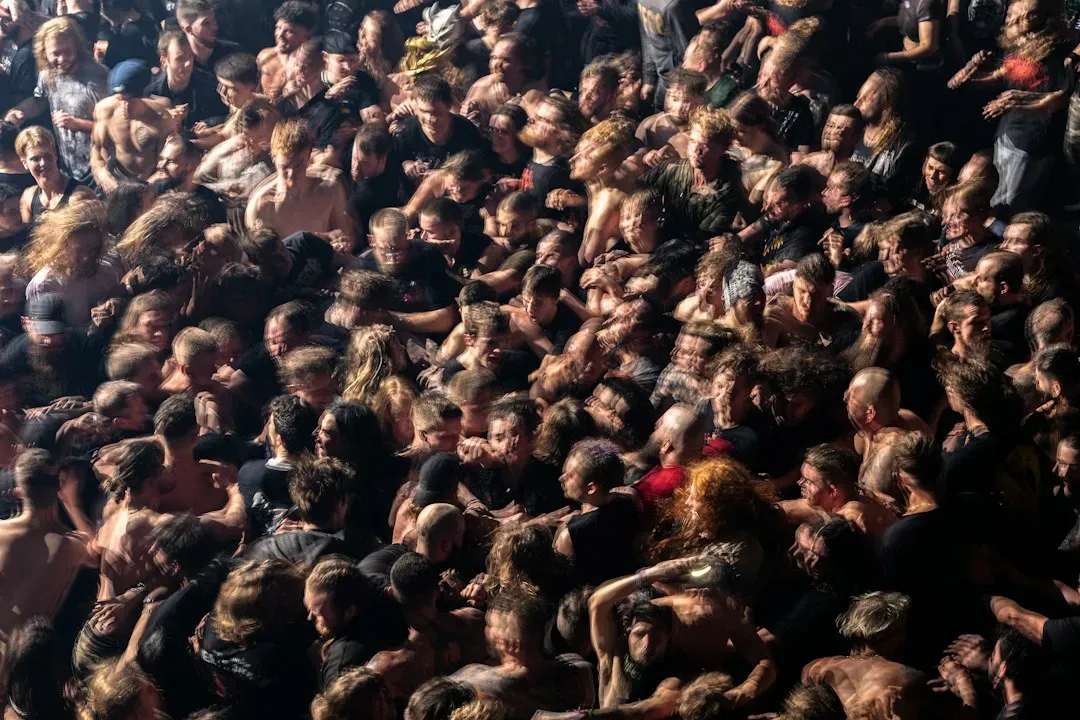
Woodstock ’99 was held in Rome, New York, in late July 1999, on a former Air Force base with vast stretches of hot asphalt. Water was expensive, temperatures soared, and conditions deteriorated across the weekend. Frustration among attendees built steadily.
On the final night, fires broke out during the Red Hot Chili Peppers’ set, and the crowd turned destructive, with reports of vandalism, looting and sexual assaults. The event is remembered as a stark contrast to the original 1969 festival. It has since been revisited in documentaries that examined the planning failures.
Astroworld Festival, 2021
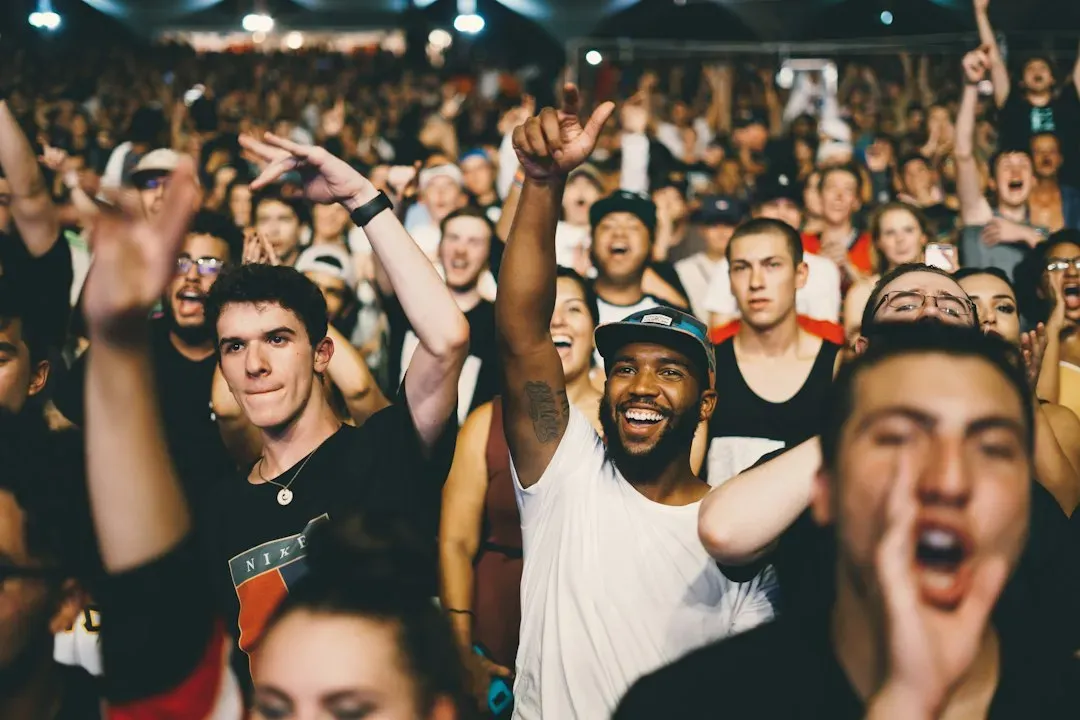
On November 5, 2021, a crowd surge occurred during Travis Scott’s set at the Astroworld Festival in Houston, Texas. About fifty thousand people attended, and many were packed tightly near the stage. Ten people died, ranging in age from nine to twenty seven.
Hundreds more were injured, and the aftermath brought a wave of lawsuits against the performer, the promoter Live Nation and others. A Harris County grand jury declined to indict Scott in 2022. The event also sparked fresh debate about crowd density and emergency stops at large festivals.
Route 91 Harvest Festival, 2017
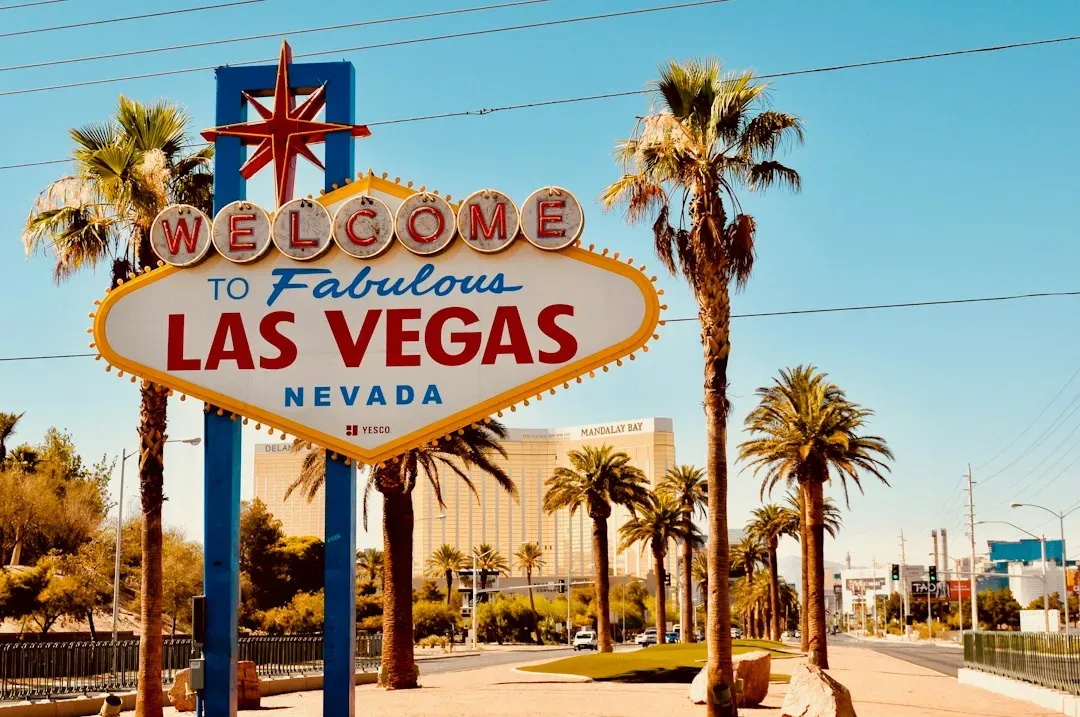
On October 1, 2017, a gunman opened fire from a Las Vegas hotel on the crowd at the Route 91 Harvest country music festival. Jason Aldean was performing when the shooting began, and thousands of people scrambled for cover in the open venue. It remains the deadliest mass shooting by a single gunman in modern United States history.
Fifty eight people died at the scene, and hundreds more were wounded. Venues and security teams afterward reconsidered bag checks, nearby building surveillance and emergency planning for outdoor events. The anniversary is still marked each year in Las Vegas.