Walk through an American mall on a Saturday in 1993 and you’d have heard a mix of sounds. Pretzel stands hissed, arcade machines chirped, and a speaker somewhere played whatever was on the radio that month. Shopping was often the least important part of the trip.
Plenty of the stores that anchored those hallways have since vanished, and a few have hung on in smaller form. Here are eight that tend to bring the memories back quickly.
Sam Goody
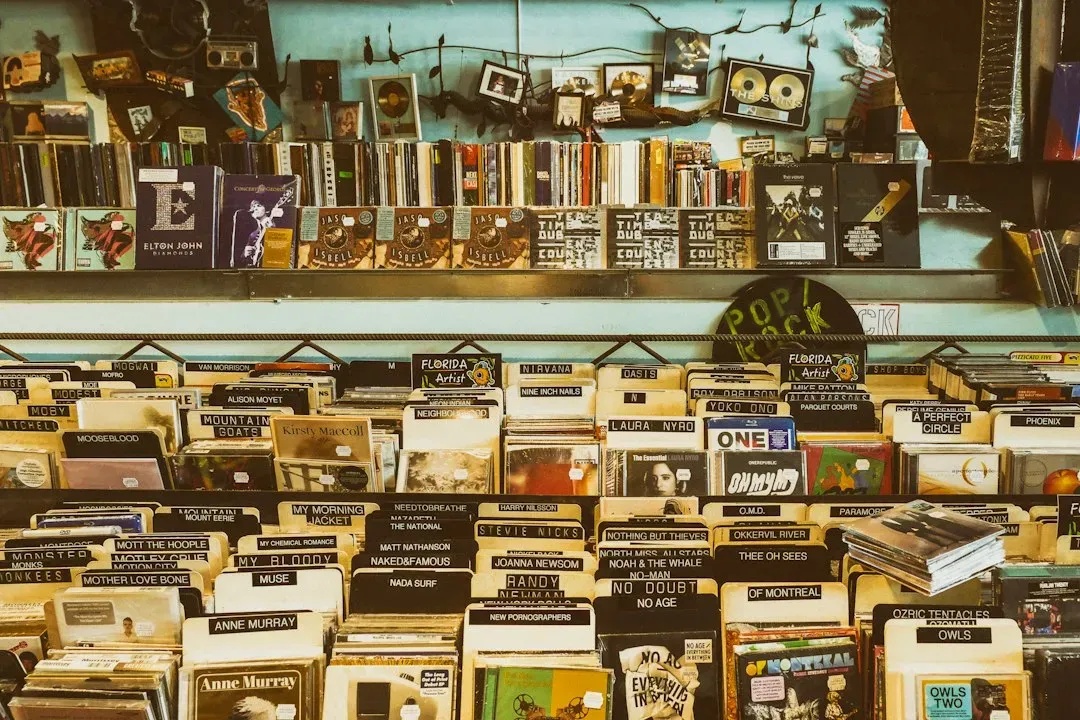
Before streaming, buying music meant flipping through plastic bins of cassettes and CDs. Sam Goody was one of the best known places to do it, with roots in New York City in the early 1950s. Many shoppers knew it as the mall spot where you could hold a new album before anyone else in your class.
The chain became part of Musicland Group, which later ended up under Best Buy ownership. Musicland went through bankruptcy in 2006, and the stores soon disappeared. Tower Records and other music sellers faded in the same stretch.
Waldenbooks
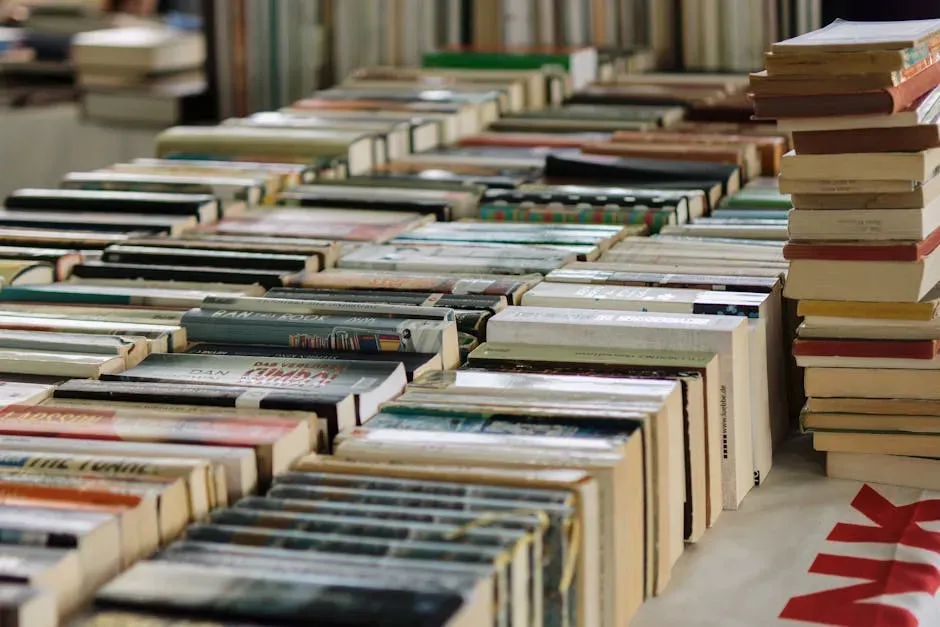
Waldenbooks was the small, easy bookstore tucked between a shoe shop and a card store. The company began in 1933 as a lending library in Stamford, Connecticut, then grew into a major mall presence. For many kids, it was where series paperbacks and school reading lists first met pocket money.
It eventually became part of Borders Group. When Borders liquidated in 2011, the remaining Waldenbooks locations closed with it. Its shelves are gone, though plenty of people still remember the smell of fresh paper near the entrance.
Kay Bee Toys
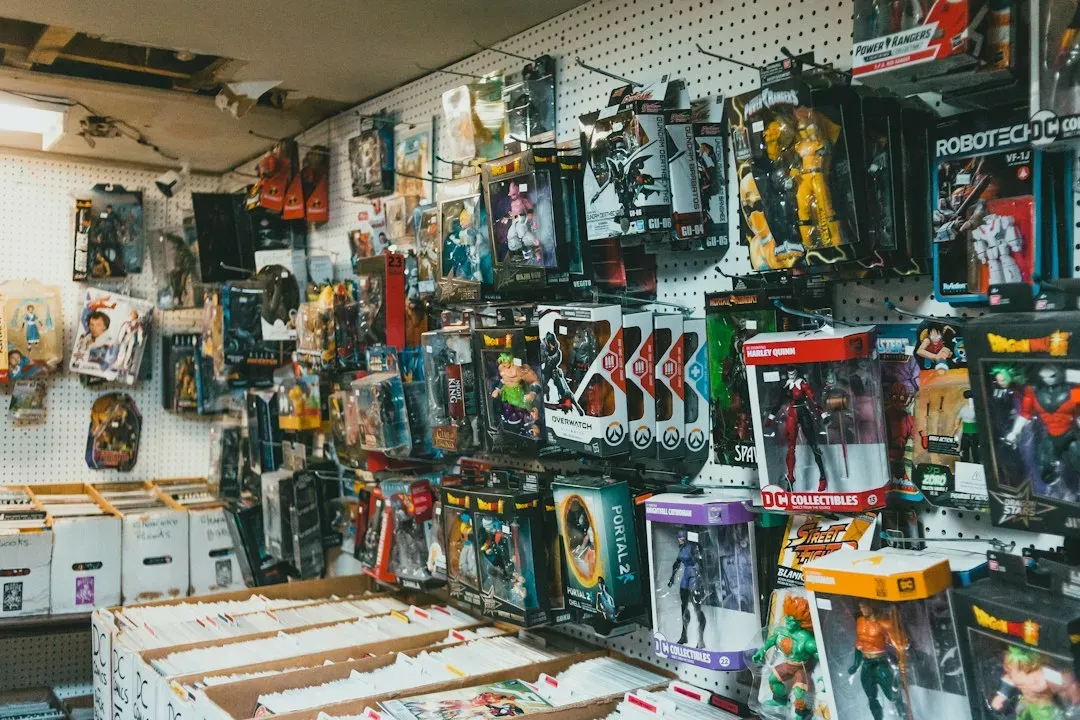
Kay Bee Toys was the place to be when a birthday was coming or a holiday list needed filling. Aisles were packed with action figures, board games, and the toy of the season. It was a regular stop for families who wanted something cheaper than a big department store.
The chain was later renamed KB Toys. It filed for bankruptcy in 2004 and again in 2008, and the business wound down in 2009. Many malls lost a major draw for children at that point.
Babbage’s
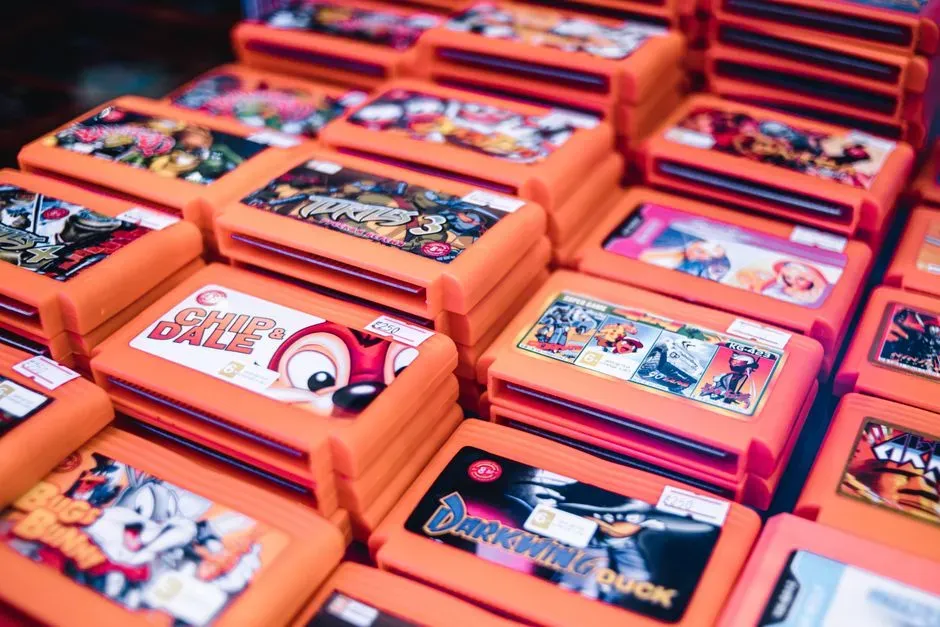
Babbage’s was a software and video game store founded in Dallas in 1983. It sold computer programs and console games to an audience that was still small but growing fast. Walking in felt a bit like entering a clubhouse, with shelves of boxed games and employees who actually played them.
The brand was eventually folded into the company now known as GameStop. Today many people buy games digitally, so the old routine of studying boxes and trading with store staff feels like a different era. Collectors still talk about those shelves fondly.
Partner offer
Gadzooks
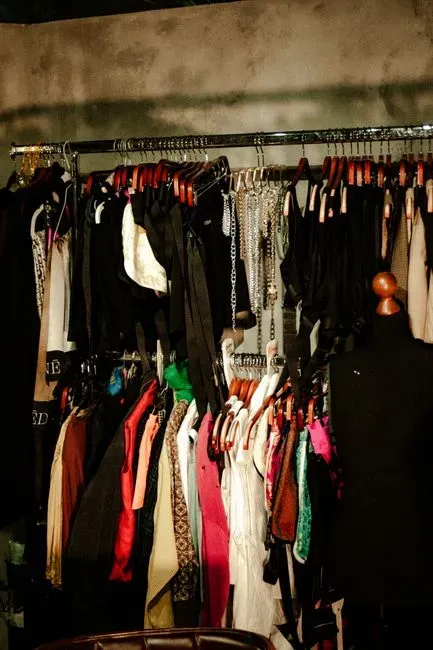
Gadzooks was a teen clothing chain that started in Texas in 1983 and spread to malls across the country. It leaned into casual, trend driven styles, and it was a regular stop for back to school shopping in the 1990s. Walls of jeans, graphic tees, and accessories made it feel busy and a little loud.
The company filed for bankruptcy in 2004, and the stores did not last much longer. Teen fashion shifted toward other brands and eventually toward online shopping. Anyone who wore the clothes can usually picture the store layout without effort.
Sharper Image
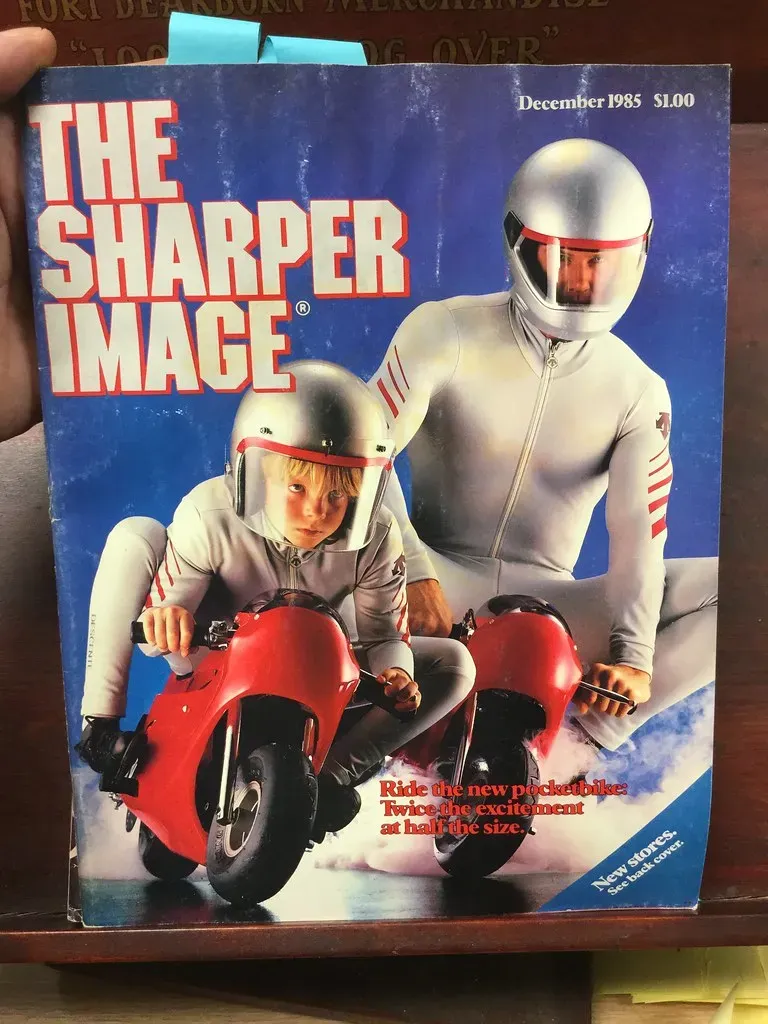
Sharper Image sold gadgets that looked like the future, from massage chairs to electronic organizers. Richard Thalheimer founded it in San Francisco in 1977, and it became a popular browsing destination in malls. Even if you couldn’t afford anything, you could still stand there testing the products.
The company filed for bankruptcy in 2008, and its stores closed. The Sharper Image name has lived on through licensing, mainly on products sold elsewhere. As a mall destination, though, it belongs to the past.
Spencer’s Gifts
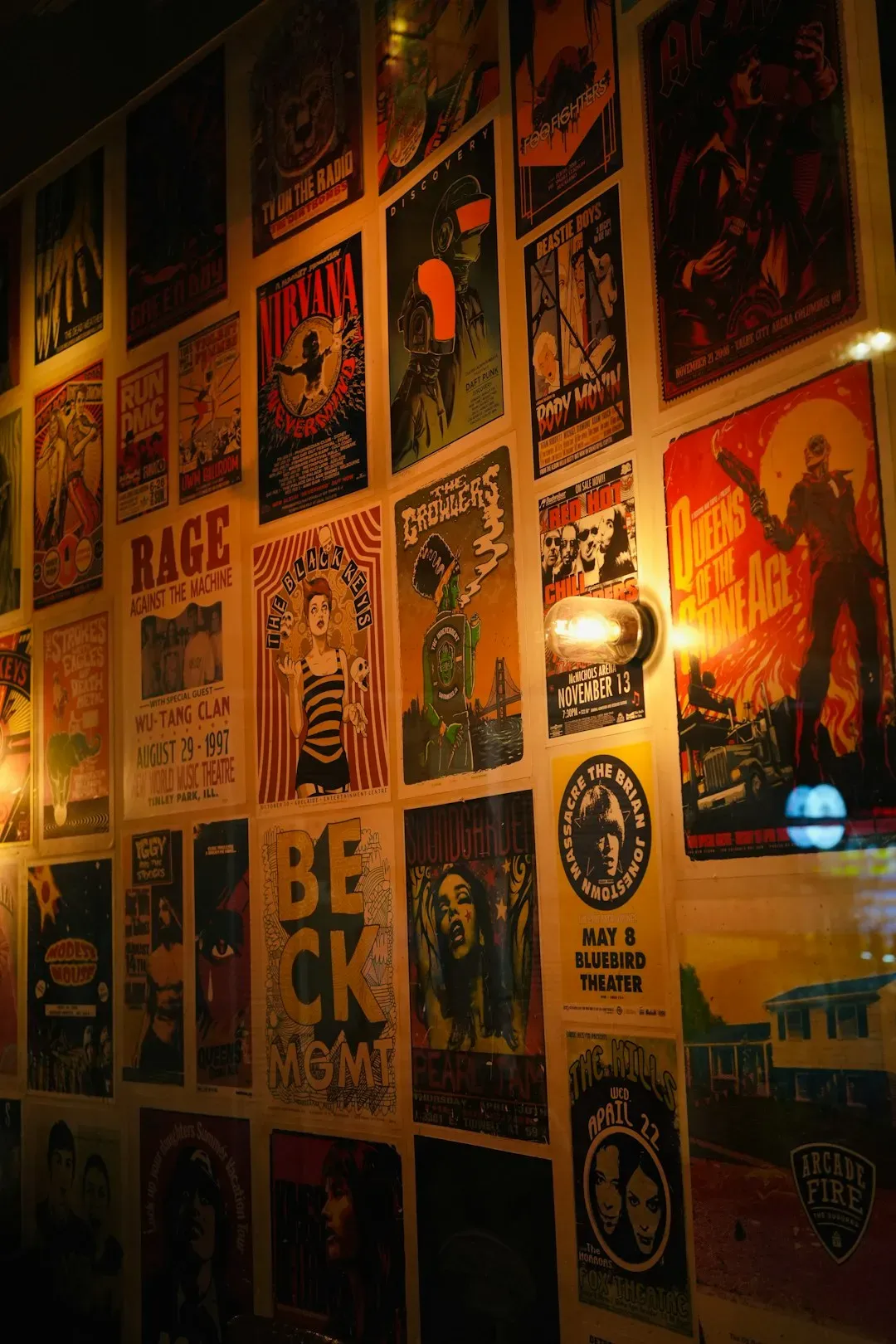
Spencer’s Gifts was the store you were either curious about or nervous to enter. It sold novelty items, posters, lava lamps, and gag gifts, many of which pushed the line for younger shoppers. The company dates back to 1947, when it began in Atlantic City, New Jersey.
Unlike many names on this list, Spencer’s has not disappeared completely. It still operates stores, though its footprint is smaller than it was during its peak mall years. For a lot of people, the black light posters still define the place.
Orange Julius
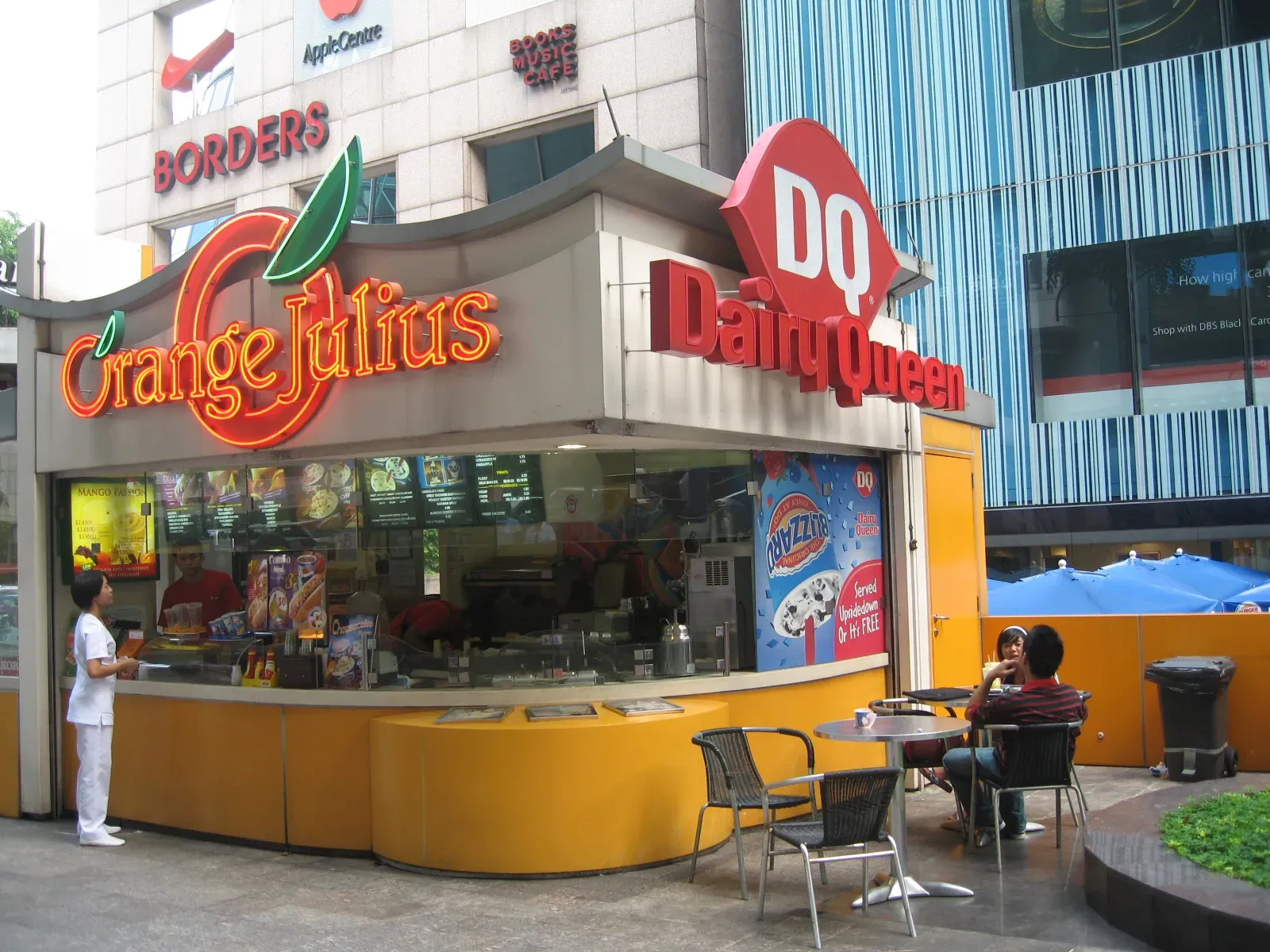
The food court had its own icons, and Orange Julius was one of the most recognizable. The drink dates back to 1926, when Julius Freed started selling it in Los Angeles. A frothy orange beverage in a tall cup became a mall ritual for many families.
Dairy Queen’s parent company acquired the brand in the late 1980s, and it now often appears as a counter inside other restaurants. That means you can still find it, but rarely as its own standalone mall storefront. The taste, at least, is closer to what you remember than most things on this list.
The Mall Memory Check
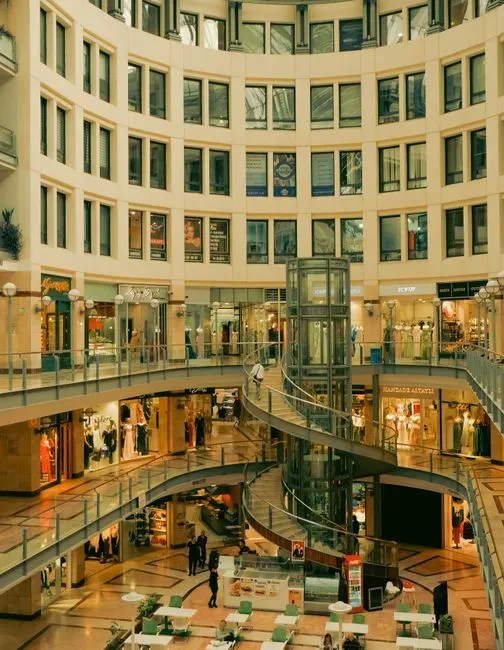
If you recognized several of these names without help, you likely spent real time in a mall before the internet took over shopping. Some of these businesses closed through bankruptcy, while others changed shape or survived in smaller form.
Each one marks a different corner of that era: music, books, toys, games, clothes, gadgets, novelty gifts, and snacks. Together they sketch a version of the mall that many people still remember clearly.
Partner offer
Planning a trip to Vegas?
Compare hotel rates and show tickets on VEGAS.com.