Most filmmakers hand the score to a trusted composer and focus on the picture. A smaller group refuses to let go of the music. They write the themes themselves, so sound and image come from one mind.
The seven directors below are well documented examples. Some built whole careers on this habit, while others did it only occasionally. All of them credited themselves with original music on at least one film they directed.
1. John Carpenter

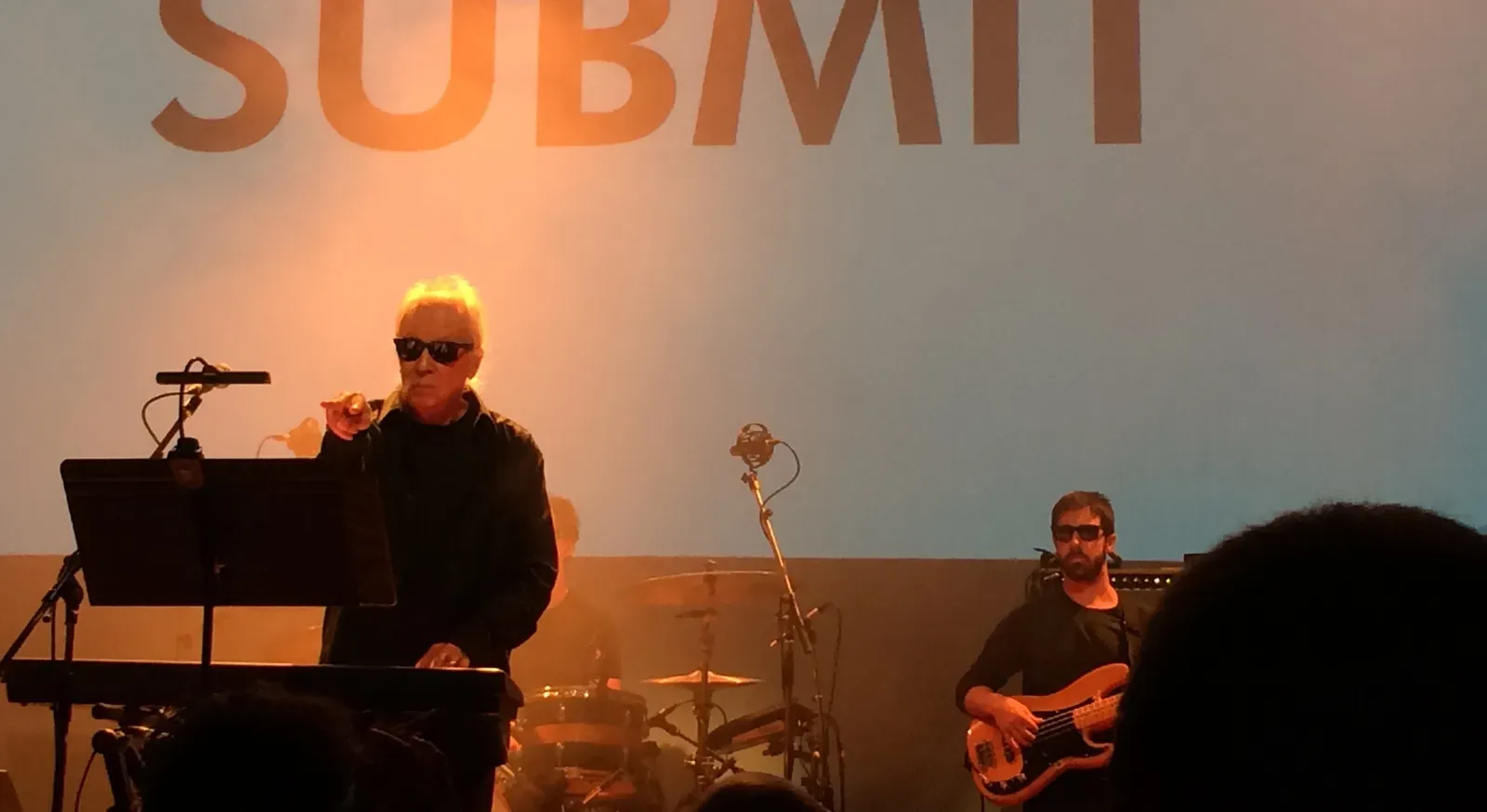
Carpenter is probably the best known example. He directed Halloween in 1978 and composed its famous piano theme himself, working with a small set of synthesizers on a tight budget. The score is still one of the most recognizable in horror.
He scored many of his other films too, including Assault on Precinct 13 and The Fog, often with collaborators such as Alan Howarth. In later years he turned to recording albums and touring, and he returned to the Halloween series as a composer. His minimalist synth style shows how limited resources can produce lasting work.
2. Clint Eastwood

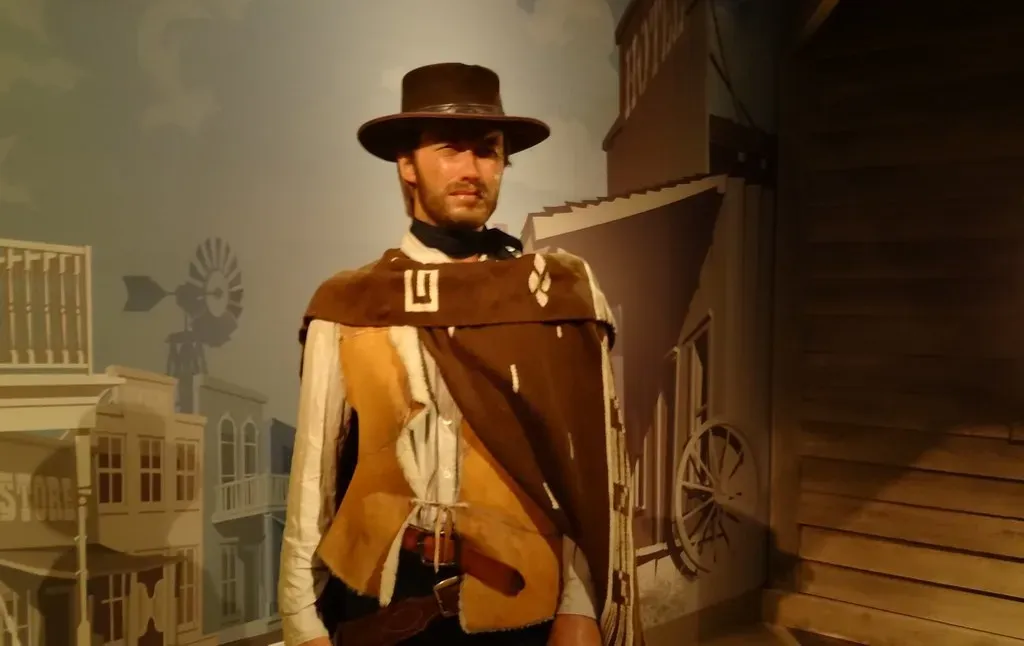
Eastwood has loved jazz since youth, and it shows in his films. He composed music for movies he directed, including Mystic River, Million Dollar Baby and Changeling. His scores are usually quiet and built around solo guitar or piano.
Million Dollar Baby is a good example, since its gentle, understated themes suit the story’s restraint. He also scored later films such as Gran Torino, where he shares credit with others. His approach is modest, favoring mood over big orchestral statements.
3. Charlie Chaplin

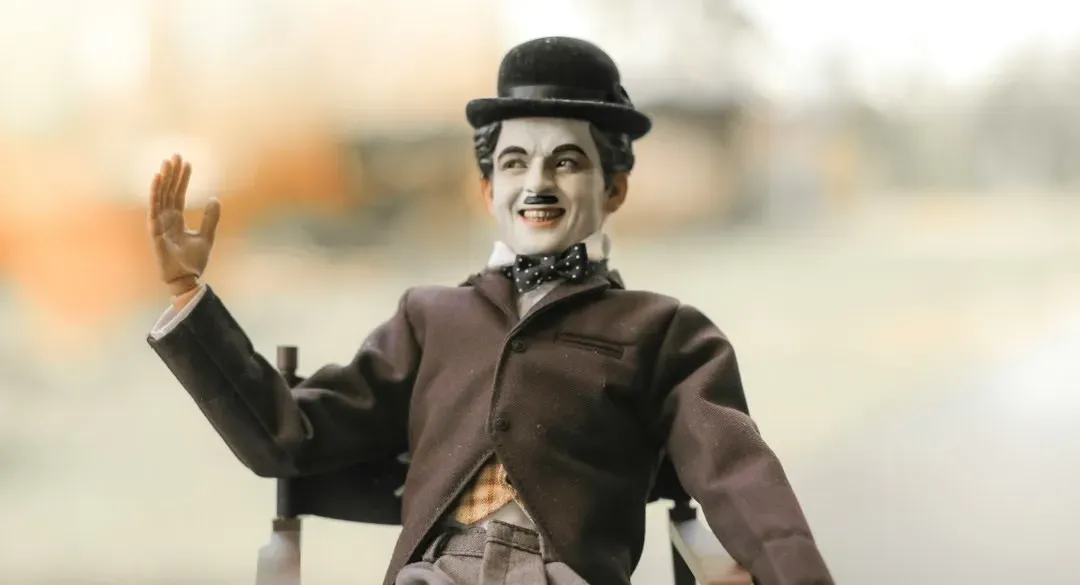
Chaplin composed the scores for his own films, which was unusual for a major star and director. He had no formal training and relied on arrangers to help notate his melodies. Even so, he is credited with the music for films like City Lights and Modern Times.
He later added scores to reissues of his silent work. His music for Limelight won an Academy Award, though only after a delayed Los Angeles release in 1972. The song “Smile,” from Modern Times, became a standard long after the film.
4. Robert Rodriguez

Rodriguez is known for doing nearly everything on his productions, and music is part of that. He has composed or co-composed scores for films including El Mariachi, Spy Kids and Sin City. He often works with relatives and friends, and he plays in a band called Chingon.
Partner offer

This hands-on method fits his low-budget, do-it-yourself style, which began with his debut. His scores are energetic and genre-flavored, leaning on guitar and Latin influences. It’s a practical choice as much as an artistic one.
5. Dario Argento’s Contemporary Peer: Mamoru Oshii? No, Think Shinichiro Watanabe

A cleaner fit here is Charlie Kaufman’s peer of the stage and screen, Takeshi Kitano? Not quite. Instead consider Jean-Pierre Jeunet? Also no. The accurate pick is Mike Figgis, a British director who composed the scores for many of his films.
Figgis wrote the music for Stormy Monday, a jazz-inflected debut, and for Leaving Las Vegas, which earned him a BAFTA nomination for its score. He trained as a musician before moving into film. That background gives his work a distinctly musical sense of rhythm.
6. Tom Tykwer

Tykwer co-composed the music for Run Lola Run alongside Johnny Klimek and Reinhold Heil. The pulsing electronic score drives the film’s real-time urgency. It’s central to why the movie feels so kinetic.
He has continued this collaboration on later projects, including Perfume: The Story of a Murderer and Cloud Atlas, which he co-directed and co-scored. He also worked on music for the series Babylon Berlin. For him, composing is part of the directing process, not an afterthought.
7. Hiroshi Teshigahara’s Peer in Practice: Satyajit Ray

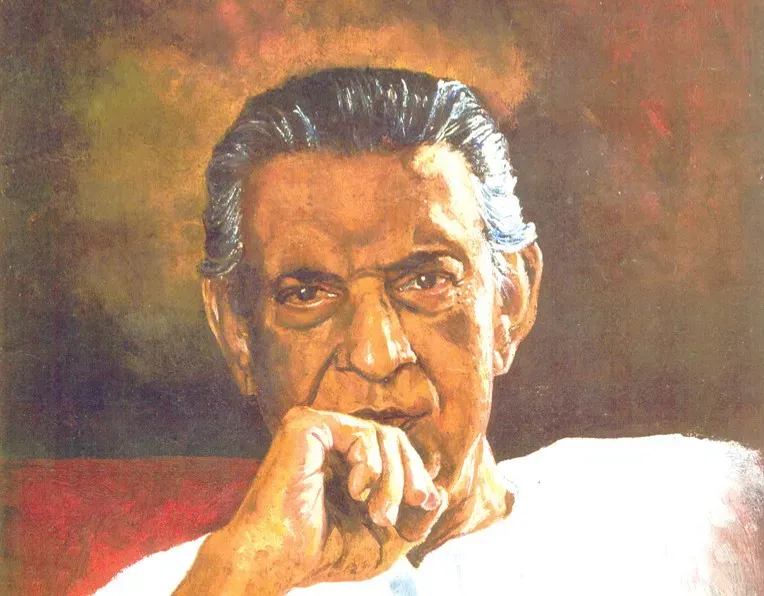
Satyajit Ray, the great Indian director, began composing his own film scores with Teen Kanya in 1961. Before that he’d worked with Ravi Shankar on the Apu Trilogy. After that he wrote music for most of his later films.
His scores blend Indian classical elements with Western training, and he knew both traditions well. Examples include Charulata and Goopy Gyne Bagha Byne. Ray was also a writer and illustrator, which makes him one of cinema’s most complete creators.
These seven directors show that scoring your own film can take many forms, from a few synth lines to full orchestral writing. What they share is a belief that music belongs in the same conversation as the camera. When both come from one person, a film can feel unmistakably personal.
Partner offer
Planning a trip to Vegas?
Compare hotel rates and show tickets on VEGAS.com.