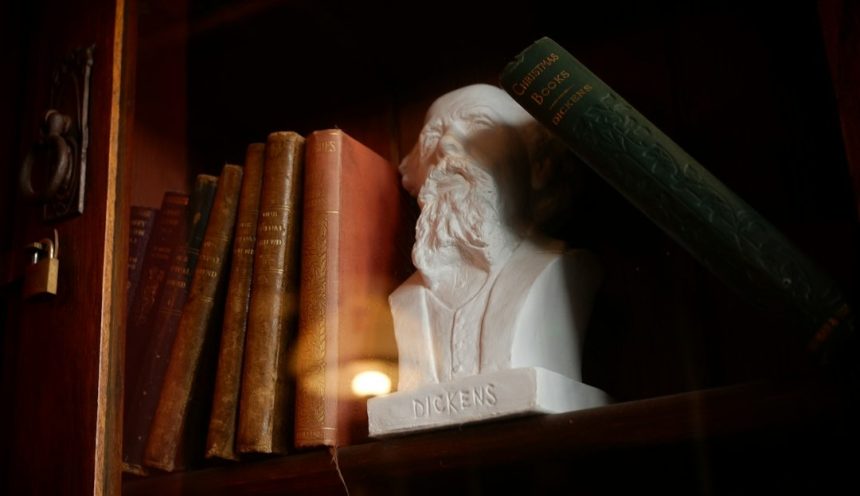
Before paperbacks and streaming, many of the best-loved novels reached readers one chapter at a time. Magazines and periodicals offered writers a steady audience and a steady paycheck, and they gave readers a reason to come back every week or month.
The format shaped the books themselves. Cliffhangers, cast-heavy plots and reader feedback were part of the process. Here are nine classics whose first appearance was in serial form, each one a good reminder of how much the delivery method can influence a story.
1. The Pickwick Papers by Charles Dickens

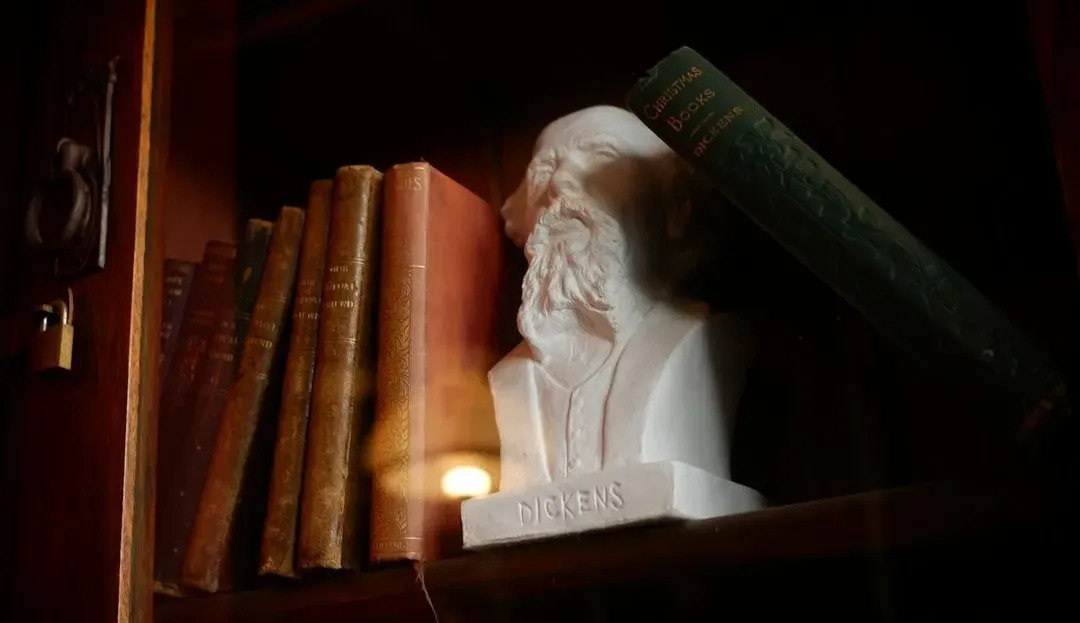
Dickens’s first novel appeared in monthly parts between 1836 and 1837. Each part was sold as a separate shilling-priced pamphlet, not as a magazine, though it belongs to the same serial culture. It began as a loose set of comic sketches about the Pickwick Club.
The story found its energy when Sam Weller, Mr. Pickwick’s cockney servant, arrived. Sales climbed, and the book made Dickens a household name. It helped establish serial publication as his preferred method for much of his career.
2. Oliver Twist by Charles Dickens

Oliver Twist ran in the monthly magazine Bentley’s Miscellany, starting in 1837 and finishing in 1839. Dickens edited the magazine himself during that time. The tale of an orphan in the workhouse and the London underworld came out in installments before appearing as a three-volume book.
Serial readers waited month to month to learn what happened to Oliver, Fagin and Nancy. The story also carried a sharp critique of poor-law institutions. That blend of suspense and social comment suited a periodical audience well.
3. Vanity Fair by William Makepeace Thackeray


Thackeray’s satire of English society was published in monthly parts from 1847 to 1848. Its subtitle, A Novel Without a Hero, signaled its refusal to offer simple heroes. Becky Sharp’s rise and Amelia Sedley’s struggles unfolded over many months.
Thackeray illustrated the parts himself, which was a notable feature. The format gave him room for a sprawling cast and wry narration. It became one of the defining Victorian novels.
4. Jane Eyre? No: Wuthering Heights Era Alternatives, Starting with Madame Bovary by Gustave Flaubert

Flaubert’s Madame Bovary first appeared in the Revue de Paris in 1856. It was then prosecuted in France for offending public morals, and Flaubert was acquitted in 1857. The case brought the novel enormous attention before its book release.
The serial run was edited by the magazine, which cut some passages. Flaubert objected to those changes. The book version restored his intended text and became a landmark of literary realism.
5. Great Expectations by Charles Dickens

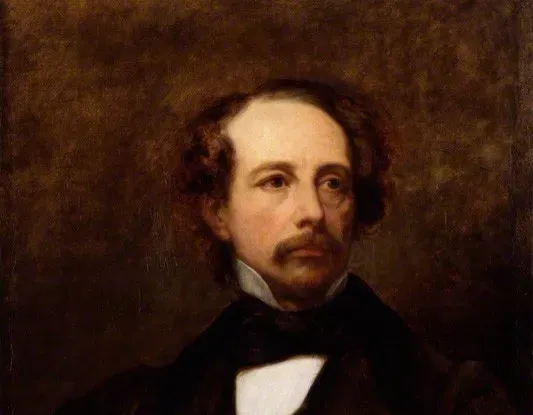
Dickens serialized Great Expectations weekly in his own magazine, All the Year Round, from December 1860 to August 1861. The weekly pace demanded tight, compact chapters. Pip’s story of ambition, shame and misplaced loyalty suited that rhythm.
Partner offer

The ending is famous for having been revised. Dickens changed the original, bleaker conclusion after advice from his friend Edward Bulwer-Lytton. Both endings are still discussed today.
6. Crime and Punishment by Fyodor Dostoevsky

This novel was serialized in the Russian Messenger in 1866. Dostoevsky was in financial trouble and wrote under pressure. Raskolnikov’s murder, guilt and slow moral collapse reached readers in monthly portions.
The psychological intensity gained from that structure, since each installment built on his unraveling mind. The book later appeared as a single volume. It remains one of the most influential novels in world literature.
7. Tess of the d’Urbervilles by Thomas Hardy


Hardy’s novel was serialized in the illustrated paper The Graphic in 1891. Editors asked for changes to suit a family readership, so Hardy altered or removed some material, including scenes involving Tess’s seduction. He restored the fuller version for the book edition.
The episode shows how magazine editors could constrain authors. Hardy later spoke of such compromises with some irritation. The restored text is the one most readers know now.
8. The Adventures of Huckleberry Finn? Better Known: The Portrait of a Lady by Henry James


James’s The Portrait of a Lady was serialized in Macmillan’s Magazine and The Atlantic Monthly, with the run starting in late 1880 and ending in late 1881. Both a British and an American periodical carried it at the same time. The novel follows Isabel Archer, a young American heiress in Europe.
James revised the text later for his New York Edition. The serial and book versions differ in places. It stands as a prime example of a refined psychological novel emerging from a magazine format.
9. Anna Karenina by Leo Tolstoy


Tolstoy’s novel appeared in installments in the Russian Messenger between 1875 and 1877. It was published in parts as he continued writing. The final part ran into a dispute with the editor over Tolstoy’s views on the Russo-Turkish conflict, and it was published separately.
The novel weaves Anna’s doomed affair with Levin’s search for meaning. Serial publication made it a national talking point. It is regularly named among the greatest novels ever written.
Serialization was never just a delivery system. It set deadlines, shaped plots, invited editors into the process and kept readers talking in between. Many of these books are still read today, and part of what makes them lively is the habit of leaving the audience eager for the next chapter.
Partner offer
Planning a trip to Vegas?
Compare hotel rates and show tickets on VEGAS.com.