History books love a clean story. A brilliant general. A daring charge. A turning point nobody saw coming. But peel back the heroics and you often find something far more elemental at work – something that no army, no matter how powerful, has ever managed to control. The weather.
From frozen rivers to blinding fog, from torrential rain to impenetrable cloud cover, the sky above the battlefield has quietly shaped the fate of empires, nations, and millions of lives. Sometimes the difference between victory and defeat came down to a single storm, a wrong wind, or mud too deep to march through.
What follows might just change the way you think about military history forever. Let’s dive in.
1. The Battle of Agincourt (1415): Mud That Changed a Kingdom

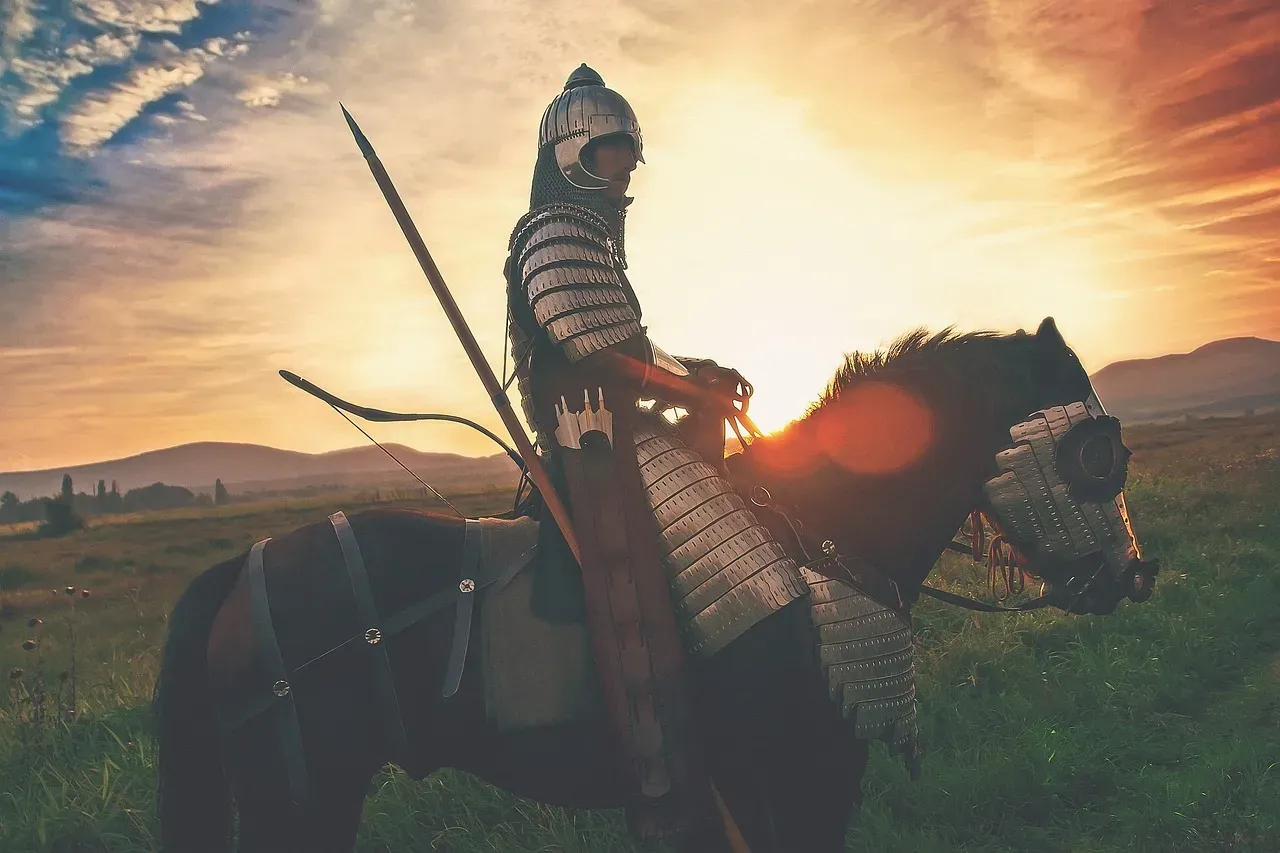
The Battle of Agincourt, fought on October 25, 1415, is a classic example of how weather can completely flip a battle upside down. English forces of King Henry V faced a much larger French army, making an English victory seem pretty unlikely. Honestly, on paper the English had no business winning this one.
In the days leading up to the fight, nonstop rain turned the fields of Agincourt in northern France into a muddy, swampy mess. This soggy battlefield quickly leveled the playing field by wiping out the numerical and cavalry advantages the French had. Historians estimate Henry V’s army had about 6,000 to 9,000 soldiers, mostly lightly-armored English longbowmen, backed up by around 1,000 to 1,500 knights and foot soldiers – opposite them stood a daunting French army numbering between 12,000 and 36,000.
The clay soil of Picardy retains water at the surface when cultivated, and the overnight rain had turned the top layer into a deep, adhesive paste in which the articulated steel shoes of plate armour found no grip. Every step required an extraction as well as a forward movement. Think of wearing 60 pounds of steel while trying to jog through wet cement. That was the reality for French knights.
The deep, soft mud particularly favoured the English force because, once knocked to the ground, the heavily armoured French knights had a hard time getting back up to fight in the melee. Some knights, encumbered by their armour, actually drowned in their helmets. In the end, the muddy conditions completely canceled out the French numerical advantage. The English suffered only a few hundred casualties, while the French lost thousands, including many nobles.
2. The Battle of Waterloo (1815): Rain That Ended an Empire
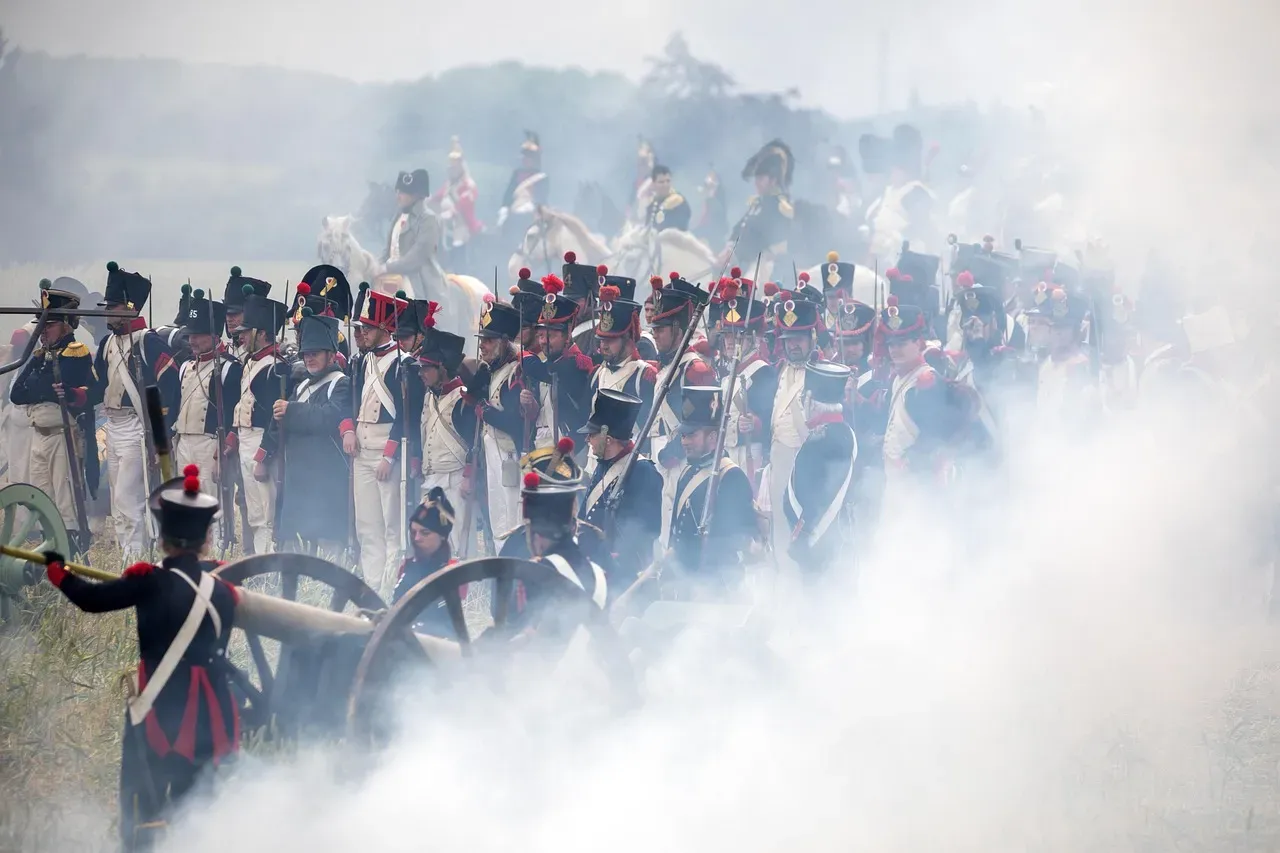
The area around Waterloo experienced heavy rains on June 17 and the morning of the 18th. Few people realize just how much this rainstorm shaped the final chapter of Napoleon Bonaparte’s career. Due to the conditions created by the heavy rains of the night before, Napoleon was forced to delay his attack on Wellington’s forces. The rain had a devastating effect on his army – it led to copious amounts of mud covering the battlefield, which not only made cannons difficult to maneuver, but had scattered French forces, reduced cannon effectiveness, and sapped troops’ morale.
Guns in wet weather misfired around one of every five to six attempts, as opposed to the one of nine that was typical of guns at the time. That’s a striking difference in battlefield reliability. Wellington was happy to see Napoleon delay his attack, as every minute of delay meant that Prussian help would be more likely to arrive from Wavre in time to make a difference. The attack ultimately began at around 11 o’clock, far beyond Napoleon’s initial plan to begin his assault at first light.
The heavy rains of the night before the battle served to delay its commencement, as Napoleon wanted to wait for the ground to dry up before beginning his offensives. This had enormous consequences on the battle’s outcome, as the delay allowed time for Prussian forces to come to Wellington’s aid. Some historians believe that, had Napoleon been able to begin the attack earlier on the 18th, the battle would have ended in a French victory. It is hard to say for sure, but even the Bulletin of the American Meteorological Society has published scholarly analysis reaching that same conclusion.
3. D-Day, Normandy (1944): A Weather Window That Saved the World

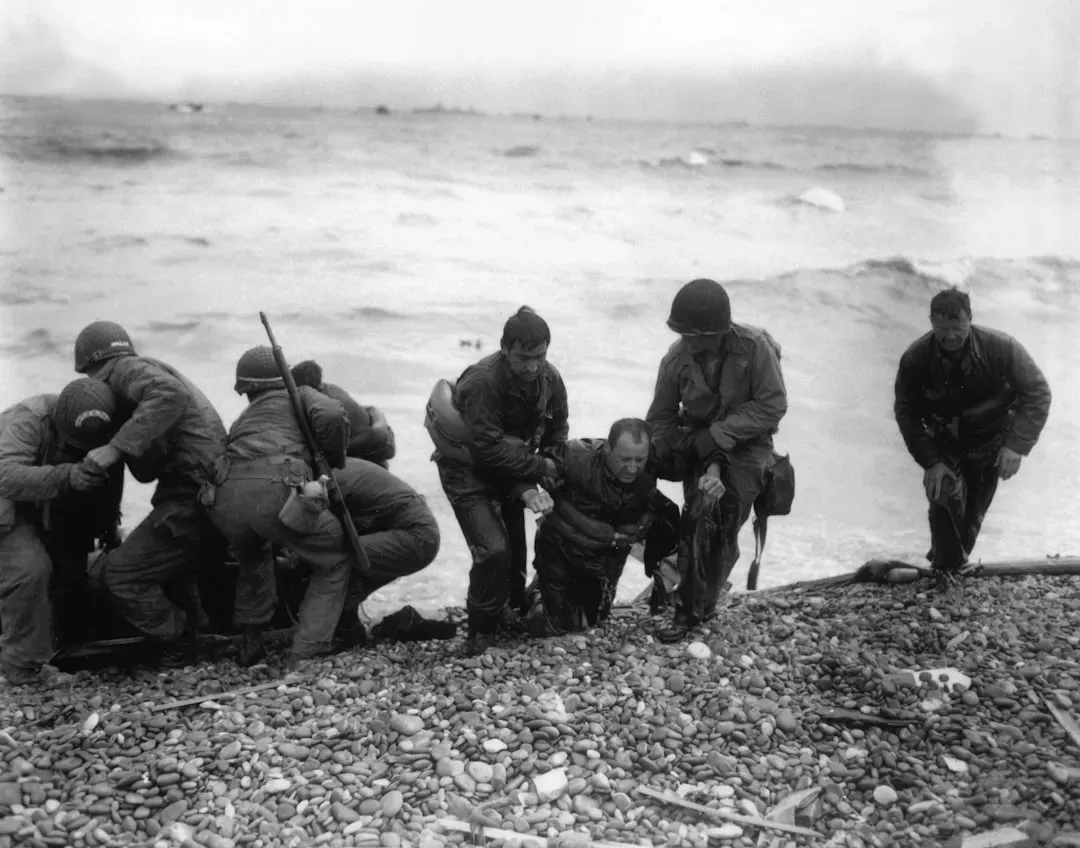
This one is arguably the most consequential weather story in all of military history. Weather forecasting was fairly rudimentary in 1944. There were no satellites, telecommunications, or supercomputers. Yet the fate of the entire Allied invasion of Nazi-occupied Europe rested almost entirely on a meteorologist’s educated guess.
For the invasion to have any chance of success, the conditions had to be right – a full moon, low tide, little cloud cover, light winds, and low seas. In June 1944, a full moon and low tide coincided on the 5th, 6th, and 7th. In the days leading up to D-Day, chief meteorologist Group Captain James Stagg and his team forecast that weather conditions would worsen, and on 4 June Eisenhower postponed the invasion by 24 hours. The decision to postpone was a difficult one, as any delay made it increasingly difficult to keep the operation a secret.
German meteorologists had failed to predict the break in the weather that prompted the Allied decision, because they simply did not have sufficient data. Due to high winds and heavy overcast on 5 June, German naval patrols were canceled and the Luftwaffe was grounded. Field Marshal Erwin Rommel thought an invasion so unlikely in the bad weather that he returned to Germany for his wife’s birthday.
If Eisenhower had postponed D-Day, the next suitable period would have been June 17 to 19. Exactly in this period a wind force 7 came up totally unexpectedly in the Channel, and a lot of artificial harbours in the American sector were lost. An invasion in that period would have ended in disaster. The weather didn’t just help D-Day succeed. It may have saved it from catastrophe entirely.
4. Napoleon’s Invasion of Russia (1812): General Winter Strikes Again

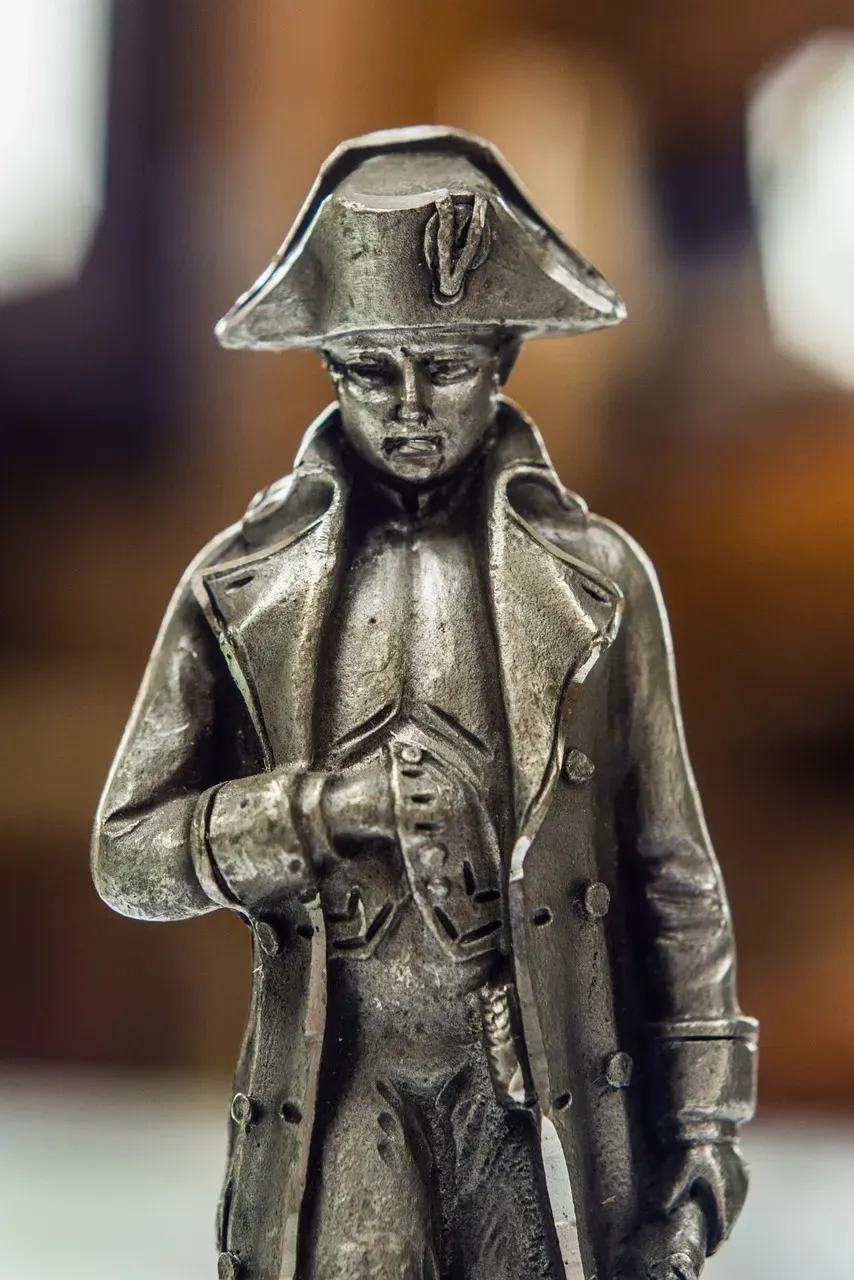
Napoleon’s Grande Armée of 610,000 men invaded Russia, heading through territory of today’s Belarus towards Moscow, in the beginning of summer on 24 June 1812. Napoleon had promised his advisors the campaign would be over before the Russian winter arrived. Let’s be real – he was catastrophically wrong. Advisors warned Napoleon that Russia would meet his Grande Armée with hostile terrain and inhospitable weather. Napoleon assured them that the invasion would be complete before the Russian winter took hold. He was wrong.
While retreating, the terrible Russian winter began to take its toll on Napoleon’s troops. A swift Russian attack at the Battle of Vyazma disrupted the retreat as soon as it started. The first sub-zero temperatures hit in mid-November and the Russians took advantage during the Battle of Krasnoi. What had been one of the most powerful armies ever assembled began to disintegrate in the cold.
Napoleon’s army was ultimately reduced to 100,000. That means more than five hundred thousand soldiers were lost – most of them not to combat, but to the brutal Russian winter. At the Berezina in late November 1812, the weather turned treacherous in a way that ruined every obvious option. A thaw broke up the ice so the river would not hold an army, yet it also turned the approaches into mud and slush, so men, horses, and wagons bogged down as they tried to reach the crossing points. It was a catastrophe written in frost and mud.
5. The Battle of the Bulge (1944): Fog as a German Weapon

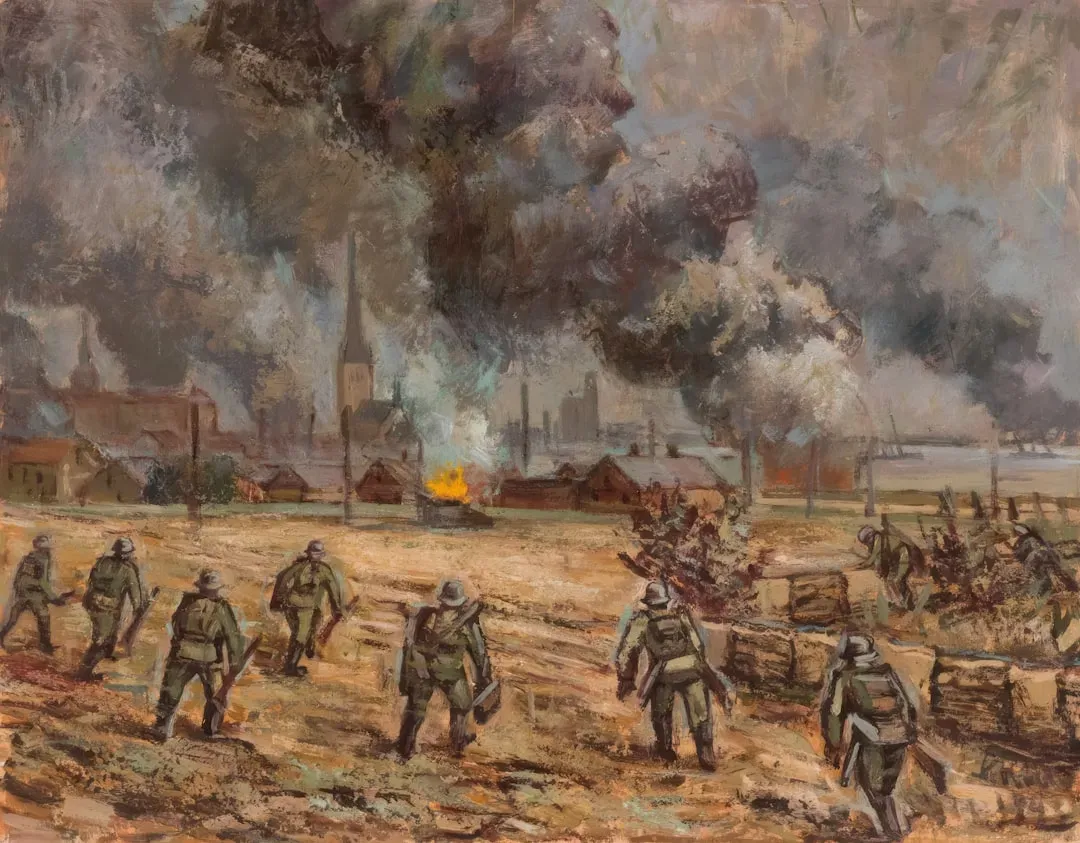
The Germans achieved a total surprise attack on the morning of 16 December 1944, due to a combination of Allied overconfidence, preoccupation with Allied offensive plans elsewhere, and poor aerial reconnaissance due to bad weather. Here’s the thing – the Germans had specifically timed their last great offensive in the west to coincide with terrible weather. That was no accident.
In the opening days of the Battle of the Bulge, low clouds, fog, and winter storms shut down much of the Allied tactical air advantage that usually punished German movement in daylight. That weather cover let German columns push through the Ardennes with far less immediate interference from fighter-bombers, buying time for the offensive to build momentum. Without air support, the Allies were fighting with one arm tied behind their back.
Part of the Germans’ initial success can be attributed to the heavy overcast that blanketed the Ardennes region, grounding the Allies’ potent air forces. When reconnaissance missions slackened and US fighter-bombers stayed on the ground, Hitler’s forces took advantage. What would later become known as the Battle of the Bulge turned quickly in favor of the Allies when the skies cleared and reinforcements appeared, allowing US and British aviators to again bestride the battlefield. Eisenhower famously requested clear skies – and when they finally came, the tide turned almost immediately.
6. The Battle of Long Island (1776): Fog That Saved a Revolution

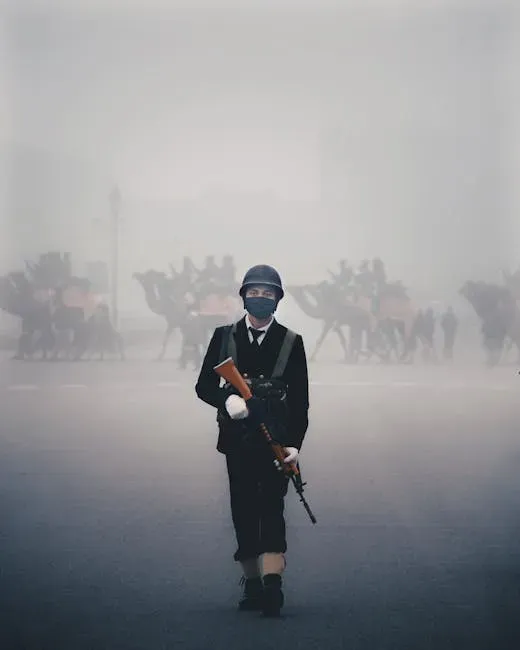
Sometimes weather doesn’t decide a battle by making one side lose – it decides it by allowing one side to escape. The Battle of Long Island, sometimes referred to as the Battle of Brooklyn, saw the British corner Washington and his 9,000 troops in Brooklyn Heights with their backs to the East River. The colonial troops needed to cross the East River into Manhattan without being detected. It seemed practically impossible.
A dense fog had taken hold over the river. The fog allowed Washington and all 9,000 troops to escape into Manhattan without any casualties. When the sun rose, the British moved in, stunned to find that the Continental Army had vanished. The midnight escape in Brooklyn Heights preserved the perilous American war effort. Without that fog, the entire Continental Army might have been captured that morning.
Perhaps no conflict exhibited how important the weather was more than the Revolutionary War. On numerous occasions, the weather would affect the outcome of battles and campaigns of the war. It is almost impossible to overstate just how close the American Revolution came to collapsing – and how a patch of morning fog kept it alive long enough to succeed.
7. The Atomic Bomb and Nagasaki (1945): Clouds That Redirected History

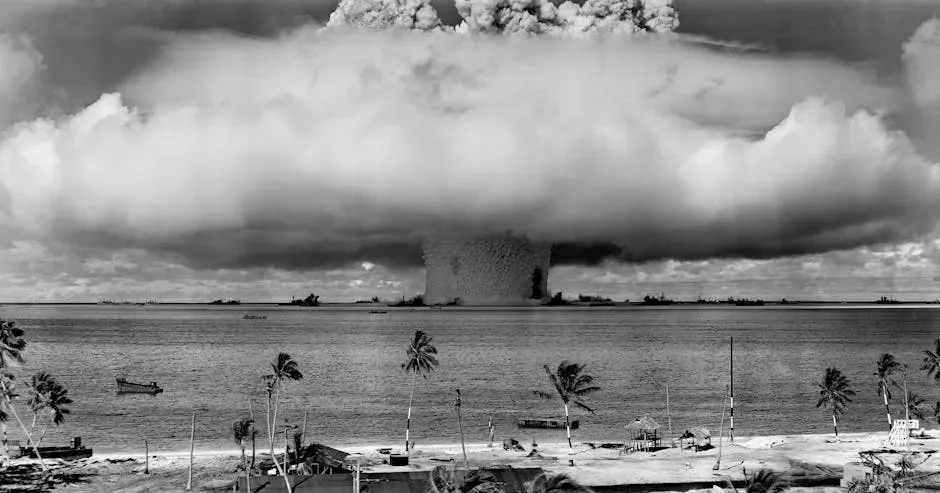
This one never gets enough attention. Most people know about the bombing of Hiroshima and Nagasaki, but very few know that the second bomb was originally destined for an entirely different city. Three days after Hiroshima, Special Mission 16 lifted off from Tinian Island, with Kokura, Japan, as the target for a second bomb. Major Charles W. Sweeney piloted the delivery aircraft “Bockscar” with its payload, “Fat Man.” Sweeney had explicit orders to drop the bomb visually and not by radar for this mission.
Visibility was low over Kokura as the aircraft circled above, trying to get a visual of the target. Overcast weather conditions and smoke from nearby firebombings obscured visibility. Bockscar circled Kokura for 50 minutes, which was long enough for anti-aircraft fire to begin and for the American aircraft to use a substantial amount of fuel. Sweeney decided to abandon Kokura and move toward the secondary target: Nagasaki.
Following the atomic bombing of Hiroshima, another B-29 was headed to Japan with a second bomb on August 9, 1945. The weather over the primary target was poor, obscured by clouds as well as the smoke from previous American attacks. As a result, the B-29 lugging the atomic bomb nicknamed “Fat Man” left the city of Kokura undisturbed and motored southwest. At 11:02 local time, that second bomb detonated 1,650 feet above the city of Nagasaki. The people of Kokura were spared by clouds. The people of Nagasaki were not. A single weather formation altered the fate of two entire cities in a matter of minutes.
Conclusion: The Sky Above Decides More Than We Think

It’s a humbling thought. Armies of hundreds of thousands, generals with decades of experience, empires backed by seemingly limitless resources – all of them, at critical moments, at the mercy of rain, fog, snow, or cloud cover. Whether it was snowstorms, fog, rain, or unbearable heat, weather entirely out of the control of any army played an enormous role in warfare. The fates of people, nations, and empires often changed as the result of the weather.
Mud can turn a tidy advance into a stalled crush on a narrow lane, and smoke or mist can hide the one movement that matters until it is already happening. Bad flying weather can take an air force off the board for a day, and a single wind shift can turn fire into a weapon that spreads faster than anyone can control. Even the best armies still have to move on the ground they are given and fight inside the visibility and temperature they wake up to.
The next time you look up at a grey sky and grumble about the forecast, remember this – somewhere in history, a cloud just like that one changed the world. Which of these battles surprised you the most? Drop your thoughts in the comments.