


Hollywood loves a good origin story, but the real one is often messier than the finished film lets on. Behind nearly every iconic performance sits a stack of contracts, phone calls, and last minute reversals that could have sent the role somewhere else entirely. Some actors said no on purpose. Others were forced out by scheduling conflicts they never saw coming. What follows are seven documented cases where a now legendary role almost belonged to someone else, backed by the actors’ own accounts and reporting from entertainment outlets over the years.
Tom Selleck almost became Indiana Jones

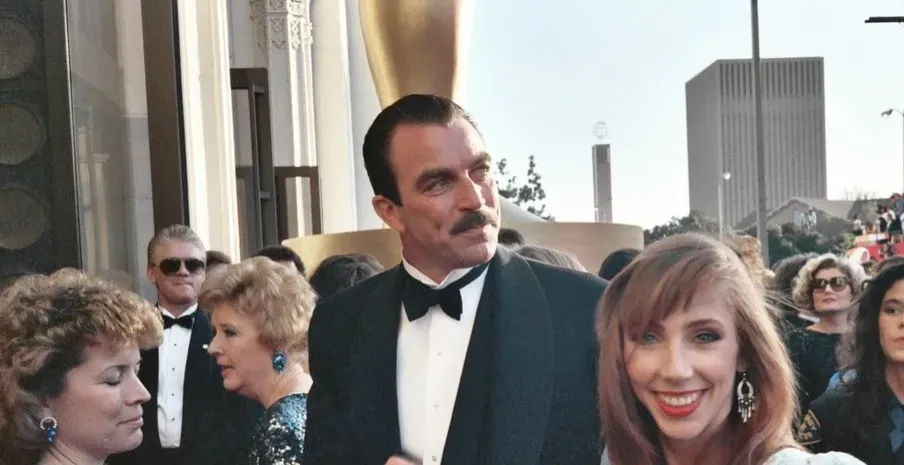
Before Harrison Ford ever cracked a whip on screen, Steven Spielberg and George Lucas wanted Tom Selleck for the part. While promoting his memoir in 2024, Tom Selleck revealed that he was initially approached to play Indy in Raiders of the Lost Ark in 1981, but he had already started working on Magnum, P.I., which made the negotiations complicated. The timing could not have been worse for Selleck, who had just committed himself to a television pilot that was about to define his career in a different direction.
Selleck genuinely wanted the part, and so did the filmmakers. Spielberg and Lucas kept the offer open, telling him they would work it out so he could do both, but CBS refused to release him from his obligations to Magnum, P.I. Ford stepped in and, according to Selleck, was later grateful for how things unfolded, a sentiment that feels fair given how the Indiana Jones franchise turned out.
Will Smith turned down Neo in The Matrix

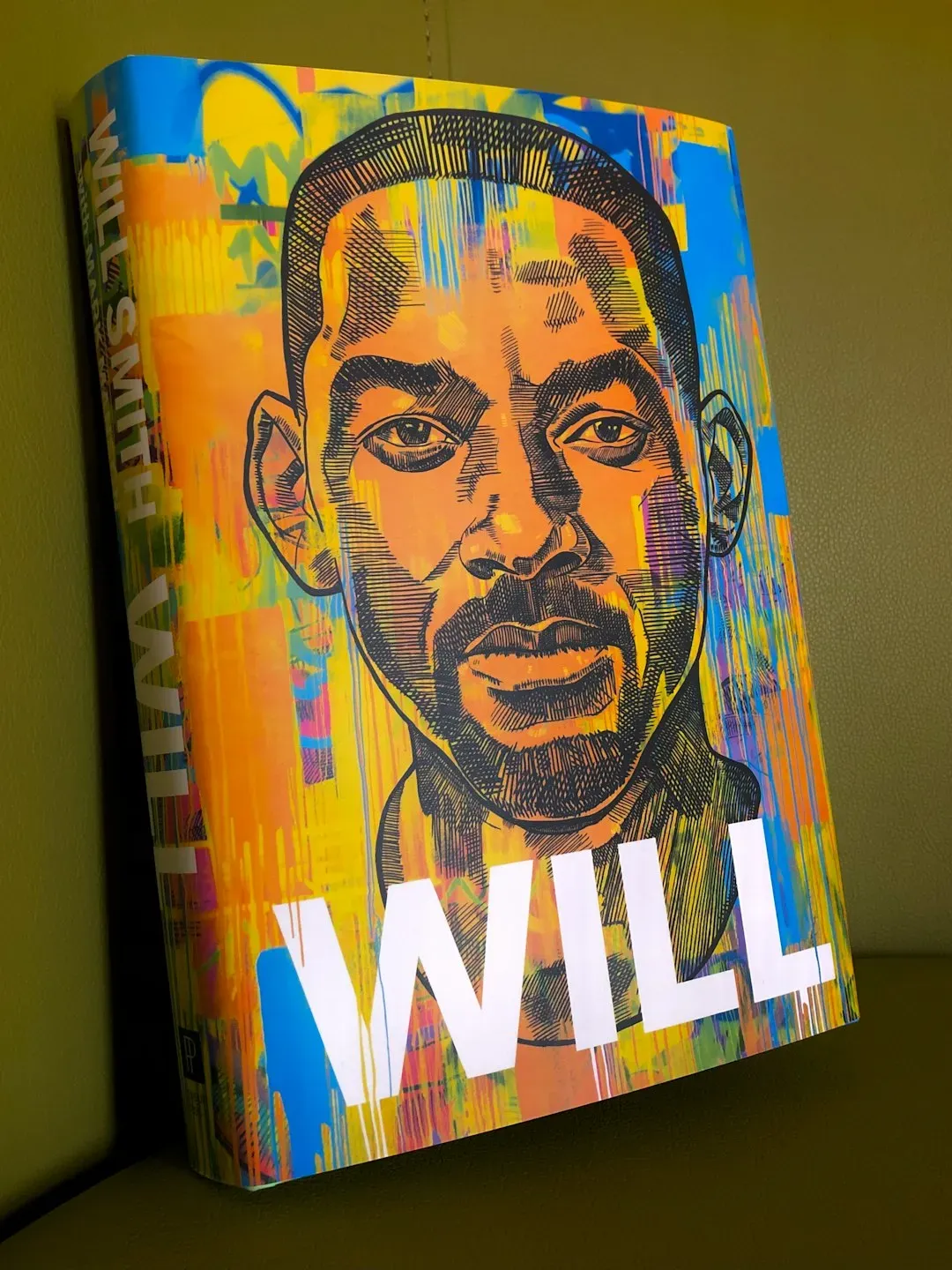
By the late 1990s, Will Smith was one of the biggest action stars in the world, fresh off Independence Day and Men in Black. When the Wachowskis pitched him The Matrix, he was not convinced. Lily and Lana Wachowski offered the role of Neo to Smith, but he was unsure about their pitch and decided to turn down the leading role.
Instead, Smith chose a project that felt like a safer bet at the time. He was skeptical of the film’s ambitious concept and chose to star in Wild Wild West instead, a decision he later described as a blessing in disguise. Keanu Reeves took the role and turned Neo into one of the most recognizable characters of his career, while Wild Wild West became one of the more forgettable entries in Smith’s filmography.
John Travolta was offered the lead in Forrest Gump

Multiple entertainment outlets have reported for years that John Travolta was the first choice to play Forrest Gump, a role that eventually earned Tom Hanks an Academy Award. The first choice for the role actually belonged to John Travolta, who after being offered the part decided to turn the film down in favor of another project. That other project happened to be Pulp Fiction, which arrived in theaters the same year.
Travolta has never expressed regret about the trade off, even as Forrest Gump went on to sweep the Oscars. He explained that if he did not do something Tom Hanks did, he did something else that was equally interesting or fun, and he felt good about roles he gave up because other careers were created. Worth noting, though, is that not every account agrees on how firm that offer actually was, since some reporting suggests the Travolta connection to Forrest Gump specifically has never been fully confirmed by the production team.
Al Pacino passed on Han Solo before Star Wars existed

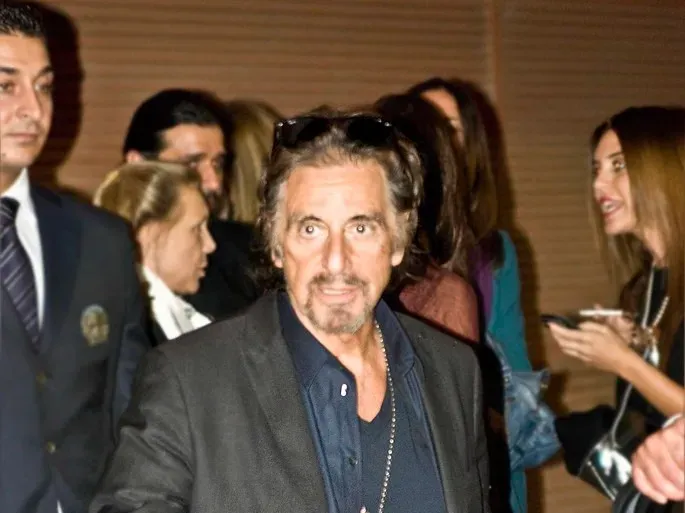
Long before Star Wars became a cultural institution, it was just an odd looking script that confused one of the era’s biggest stars. After The Godfather made him famous, Pacino says the offers came pouring in, and one of them was the role of Han Solo in Star Wars. He gave the script a genuine read and simply could not make sense of it.
Unsure whether to take the part, Pacino sought outside advice before making his final call. He turned to his mentor Charlie Laughton, who told him he did not get it either, and Pacino agreed he did not understand it. Harrison Ford landed the role instead, and Pacino has since joked with characteristic dryness that he gave Harrison Ford a career.
Emily Blunt was Marvel’s original pick for Black Widow

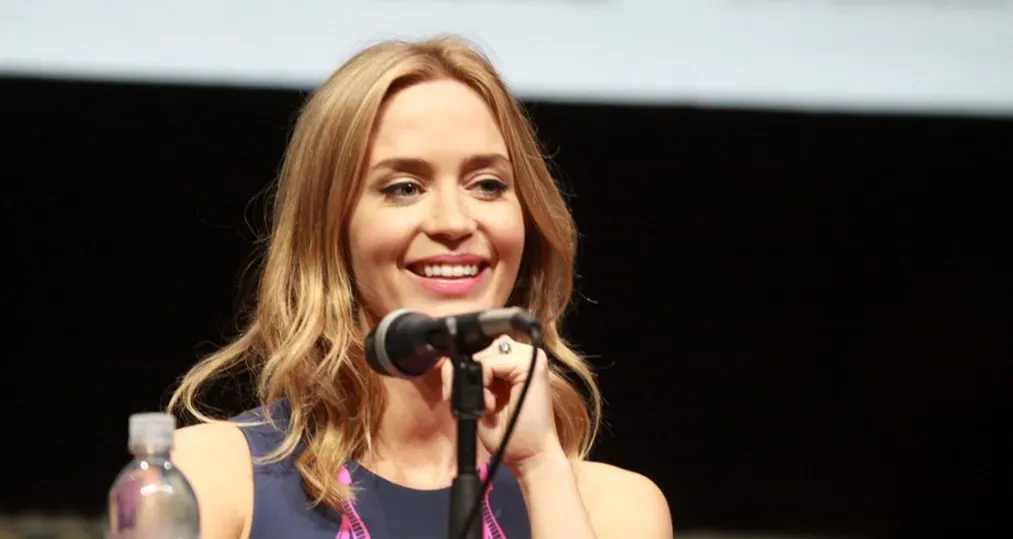
Years before Scarlett Johansson stepped into the black catsuit, Emily Blunt was the actress Marvel wanted for Natasha Romanoff in Iron Man 2. Emily Blunt was Marvel Studios’ original choice to play Black Widow in Iron Man 2, but Scarlett Johansson was ultimately cast instead. The reason had nothing to do with talent and everything to do with paperwork signed years earlier.
Blunt’s contract with 20th Century Fox from The Devil Wears Prada came with strings attached that resurfaced at the worst possible moment. Her contract included an option that let the studio place her in a future project, and Fox chose to use it for Gulliver’s Travels while she was simultaneously in negotiations to play Black Widow, creating a direct scheduling conflict. Blunt has since called the whole situation a heartbreaker, admitting she takes real pride in the film choices she makes and this one was taken out of her hands.
Pretty Woman almost starred someone other than Julia Roberts

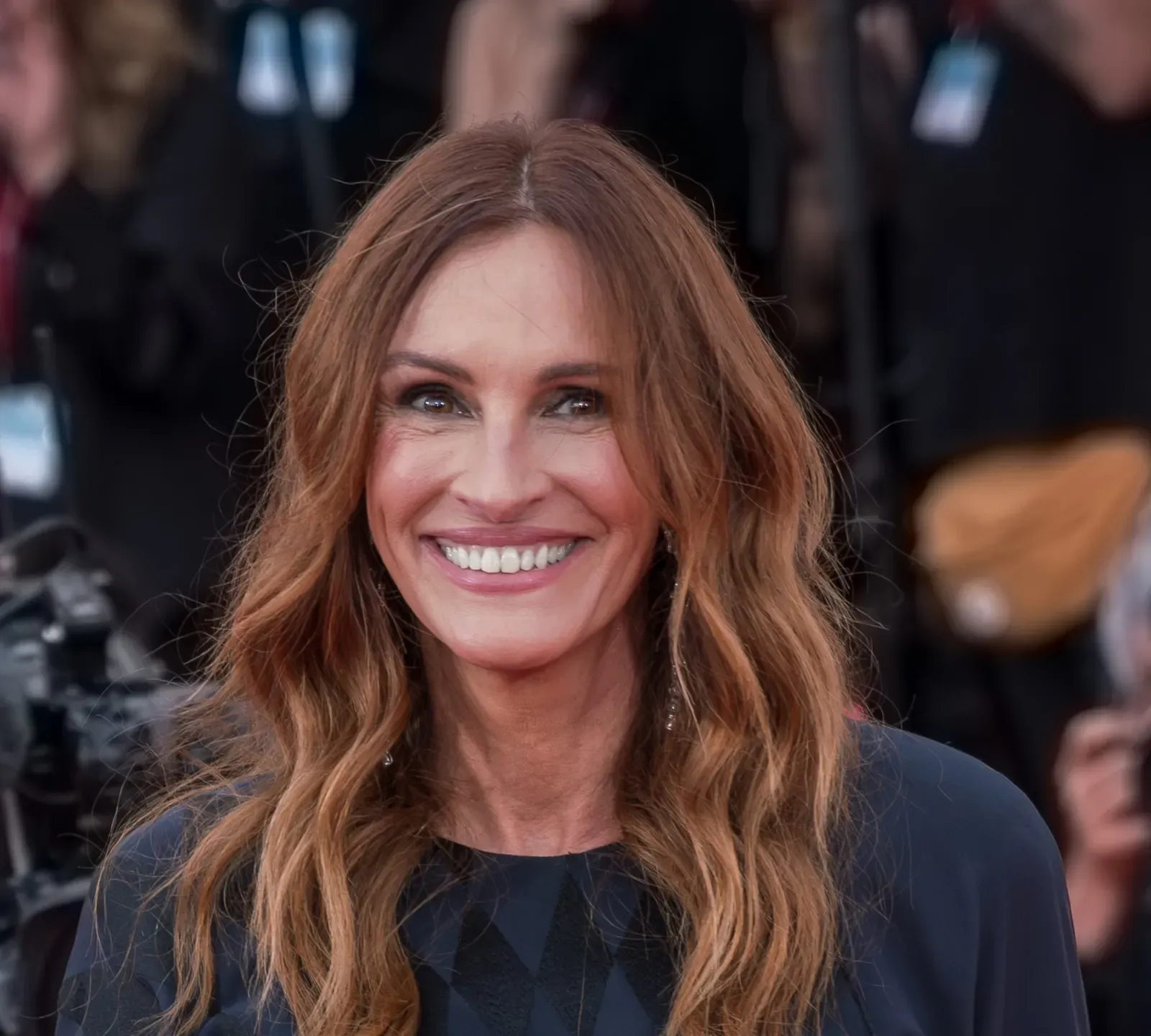
The road to casting Vivian Ward in Pretty Woman looked less like a straight line and more like a revolving door. Molly Ringwald turned down the role because she felt uncomfortable with the content in the script and did not like the idea of playing a prostitute, and she has since stated in interviews that she regrets it. Ringwald was not the only star to walk away from what would become one of the defining romantic comedies of the era.
Michelle Pfeiffer also passed, and she was in good company doing so. Pfeiffer rejected the lead in Pretty Woman, which launched Julia Roberts to stardom, a decision she still thinks about a lot and admits regretting. Meg Ryan, who was a top choice of director Garry Marshall’s, also turned it down before Roberts, then a relative unknown, made the role hers.
Eric Stoltz was actually cast as Marty McFly first

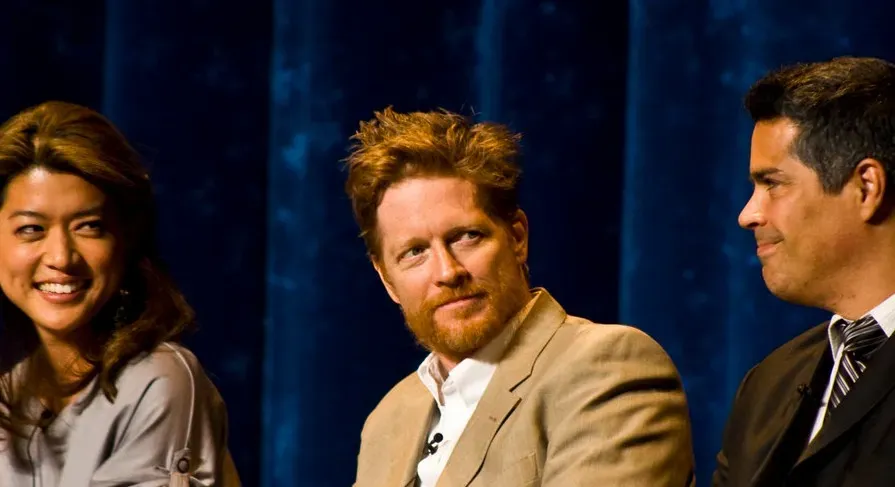
Unlike the other entries here, this one did not stop at an offer. Eric Stoltz was cast as Marty McFly in Back to the Future and spent roughly six weeks filming scenes before director Robert Zemeckis and producer Steven Spielberg decided his performance was not landing the way the comedy needed it to. Stoltz was a respected dramatic actor, but the tone of his takes felt too serious for a time traveling teenager dodging his own parents.
Michael J. Fox, who was busy filming the sitcom Family Ties at the time, was brought in as a replacement and reportedly shot his scenes late at night after wrapping his television schedule during the day. The gamble paid off, and Fox’s lighter, more comedic energy became inseparable from the character. It remains one of the rare Hollywood stories where a full recast happened mid production rather than before a single frame was shot, and the finished film gave almost no hint of the turmoil behind it.
These seven stories share a common thread: none of the actors who eventually filled the roles were the studio’s first idea, yet each performance became so definitive that the alternate version is hard to picture. Contracts, timing, and a healthy dose of hesitation shaped the movies audiences now think of as inevitable.

