Movie quotes have a funny way of drifting from what was actually said to what we collectively decided should have been said. It happens slowly, through repetition, through parody, through decades of casual reference at parties and in headlines, until the misremembered version simply feels more correct than the original line. What follows is a look at seven of the most quoted lines in film history, each one slightly off from what actually made it into the final cut.
1. “Luke, I am your father” – Star Wars: The Empire Strikes Back (1980)

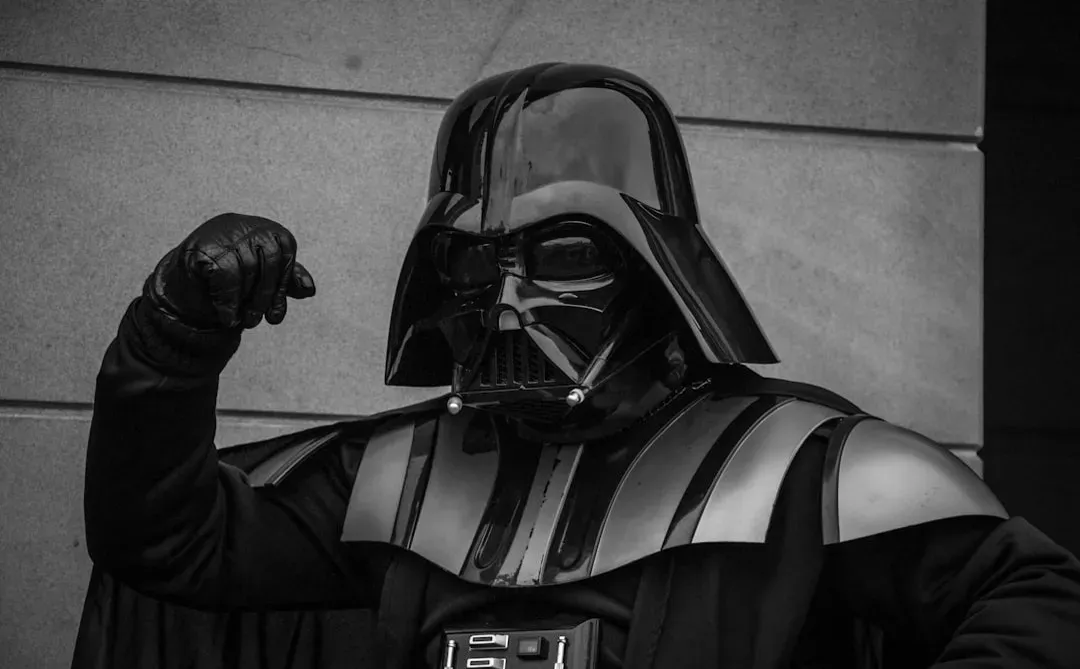
This is probably the most famous misquote in cinema, and it’s odd because the actual line is arguably more dramatic than the version everyone repeats. Darth Vader never says “Luke” in that sentence at all. The real exchange has Luke shouting “He told me you killed him,” to which Vader responds simply, “No, I am your father.”
The confusion likely comes from how the scene gets summarized rather than quoted directly, since “Luke, I am your father” reads like a natural paraphrase of the reveal. George Lucas built the entire structure of the original trilogy around this twist, and by the time Return of the Jedi arrived in 1983, the misquote had already taken hold in pop culture. It’s been repeated in countless parodies, commercials, and even other Star Wars media, cementing a version of the line that technically never existed on screen.
2. “You’re gonna need a bigger boat” – Jaws (1975)

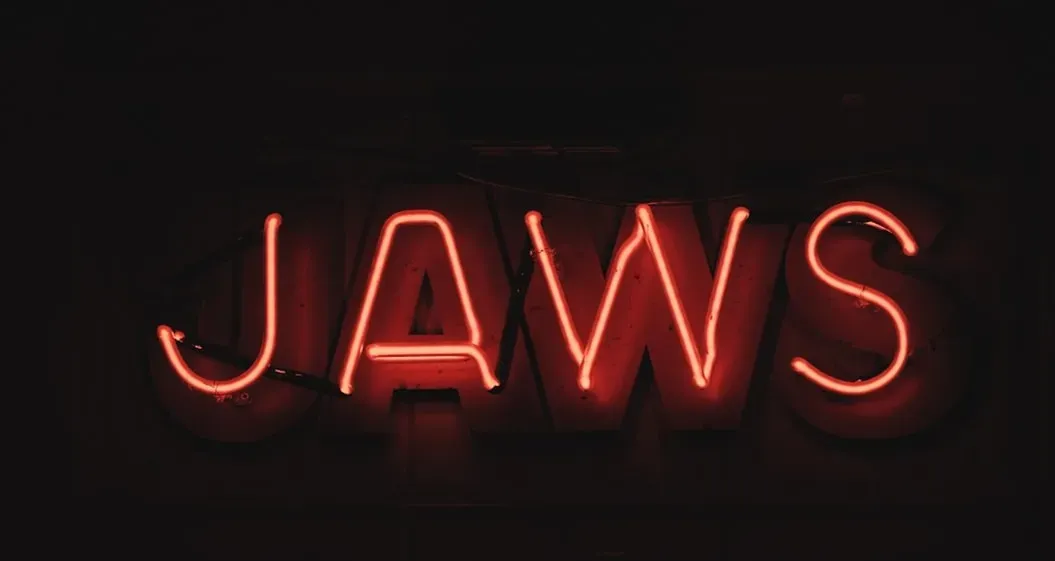
Steven Spielberg’s shark thriller gave us one of the most quoted lines in movie history, though most people say it slightly wrong. Chief Brody, played by Roy Scheider, actually says “we’re gonna need a bigger boat,” not “you’re.” It’s a small pronoun swap, but it changes the meaning from a shared realization to something closer to an accusation.
The line has since become shorthand in business and everyday conversation for realizing a problem is far bigger than initially thought. Scheider reportedly improvised the line on set, which is part of why the exact phrasing has always been a little slippery in public memory. Even so, the “we’re” version is what’s actually in the film, confirmed by the shooting script and every home release since 1975.
3. “Houston, we have a problem” – Apollo 13 (1995)

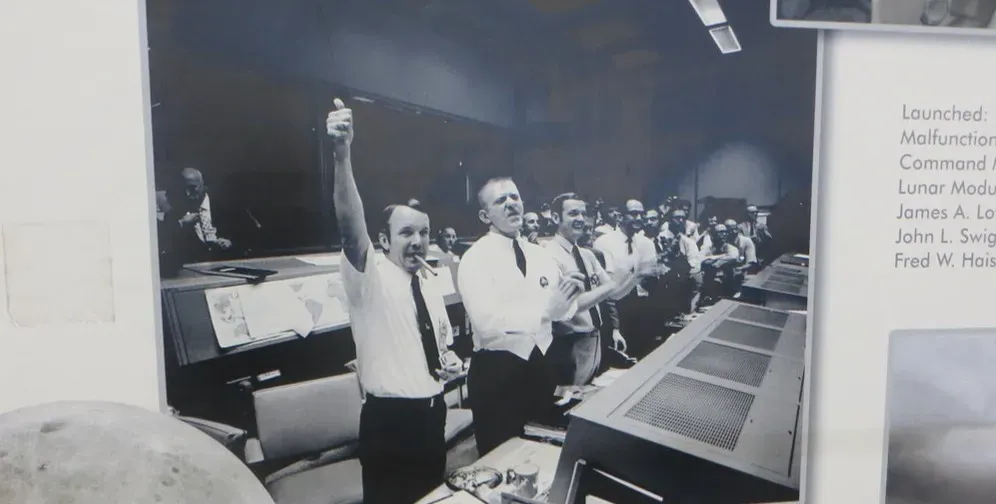
This one is tied to real history, which makes the misquote especially persistent. The correct quote from the real-life astronaut is actually “Ah, Houston, we’ve had a problem”. The film, directed by Ron Howard, actually stuck close to the real transcript, yet the public still smoothed it into present tense over the following decades.
According to NASA’s own records, Swigert radioed “Okay, Houston … we’ve had a problem here,” and Lovell repeated, “Ah, Houston, we’ve had a problem.” The switch from “have” to “had” might look minor, but it reflects a real difference in how urgently the crew was speaking. A 2022 survey on misquoted film lines even found this one topped the list, with the study noting that less than half of 2,000 adults polled realised the quote in the film was incorrect.
4. “If you build it, they will come” – Field of Dreams (1989)


Kevin Costner’s baseball drama produced one of the most quietly misquoted lines in modern film. The whispered voice in Ray Kinsella’s cornfield never says “they.” The actual line, which comes from the Bible, is “If you build it, he will come.”
The “he” refers specifically to Shoeless Joe Jackson, the White Sox outfielder disgraced in the Black Sox scandal of 1919, not to crowds of fans in general. The mix-up may partly stem from a genuinely different biblical phrase about Noah’s Ark, where the wording involves “they.” Either way, one commentator pointed out that people tend to hear what we wish was true, which fits a story about faith and belief more than the film’s actual, more personal message about one man’s father.
5. “Play it again, Sam” – Casablanca (1942)

Few lines have achieved this level of fame while being this consistently wrong. Humphrey Bogart’s character Rick never says “Play it again, Sam” anywhere in the film. The closest lines belong to Ingrid Bergman’s Ilsa, who says “Play it, Sam, for old times’ sake,” and later Rick says simply “play it,” never combining the phrase into the tidy sentence pop culture prefers.
Casablanca has been analyzed and referenced so heavily since its 1942 release that this particular misquote has almost become its own cultural artifact, appearing in songs, sitcom titles, and even a Woody Allen play from the 1970s. The compressed version simply sounds punchier, which likely explains why it survived while the actual dialogue faded from common memory. It’s a reminder that a quote doesn’t need to be accurate to become iconic, it just needs to be quotable.
6. “Greed is good” – Wall Street (1987)

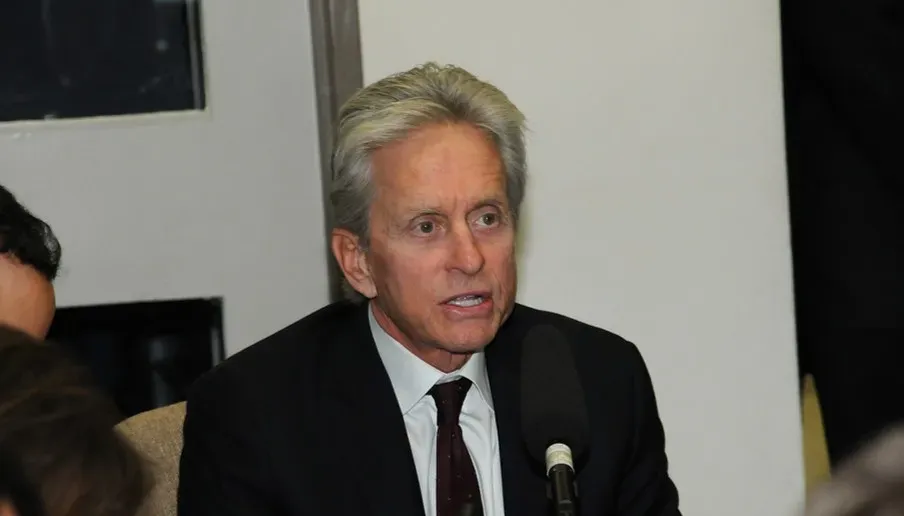
Michael Douglas’s Gordon Gekko delivered one of the defining monologues of 1980s cinema, yet the line everyone remembers trims out an important qualifier. The full sentence is “Greed, for lack of a better word, is good,” spoken during a shareholder speech that’s become a touchstone in discussions about corporate ethics.
Director Oliver Stone wrote the speech partly as a satire of Wall Street excess, and the fuller phrasing carries a slightly more self-aware tone than the blunt two-word version suggests. Financial commentators and business schools have quoted the shortened line for decades, often stripping away the context that made it feel like commentary rather than a straightforward endorsement. The trimmed version is catchier, but it loses some of the film’s original irony in the process.
7. “Mirror, mirror on the wall” – Snow White and the Seven Dwarfs (1937)

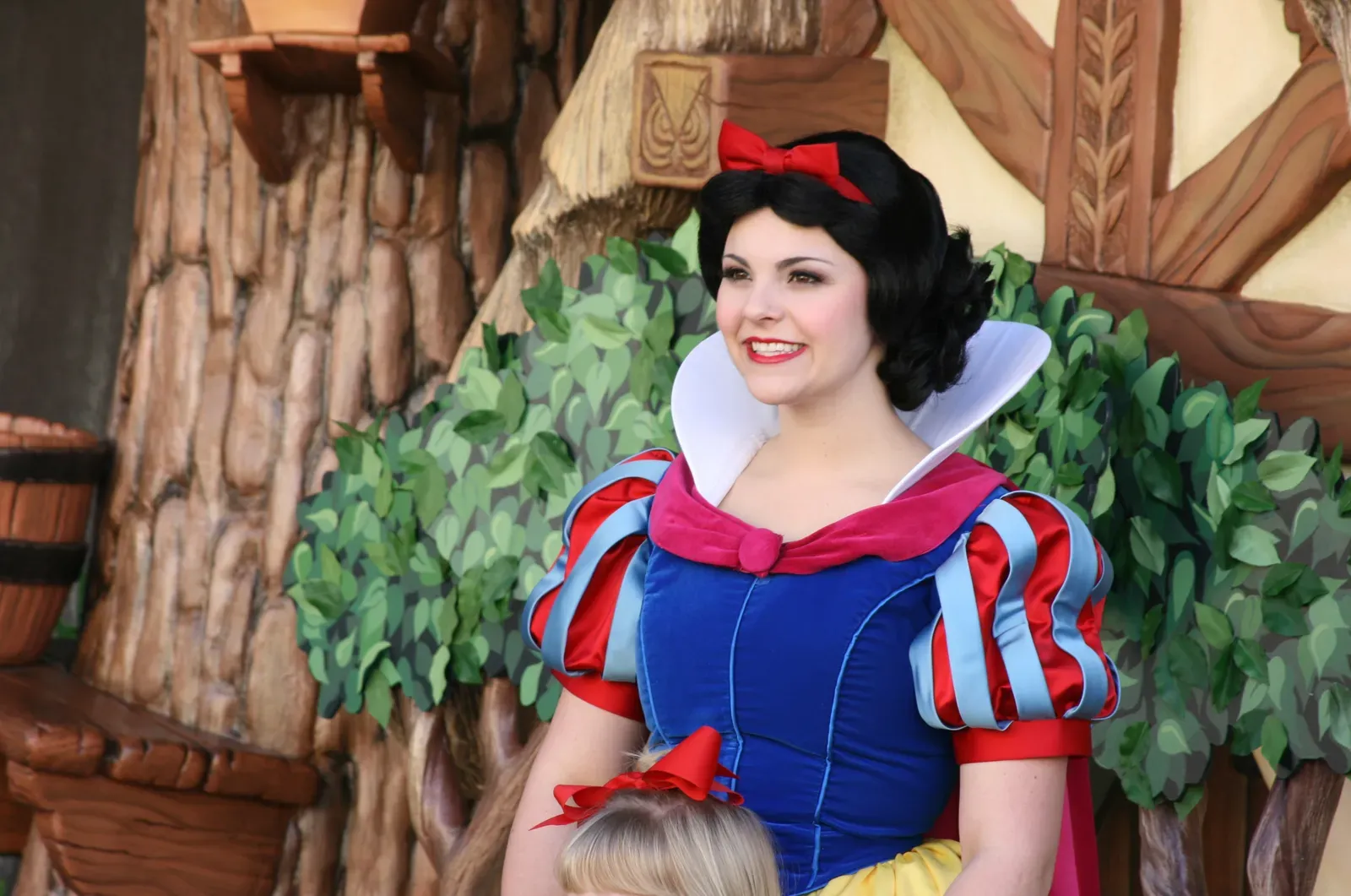
Disney’s first full length animated feature gave the world a phrase that’s been repeated in fairy tale retellings for generations, almost always slightly wrong. The actual quote is “Magic mirror, on the wall,” not “Mirror, mirror.” The double repetition of “mirror” simply doesn’t appear in the 1937 film.
This misquote has had unusual staying power because later adaptations, parodies, and even some official Disney merchandise have occasionally leaned into the incorrect version, further blurring the line between the original and the myth. The mix-up likely comes from older folklore and fairy tale traditions that use repeated words for rhythm, which “Mirror, mirror” simply fits better than the film’s actual, more formal address to the mirror. It’s a small detail, but it shows how even animated classics aren’t immune to this kind of collective misremembering.